The Great Origin of Butternut Squash Risotto
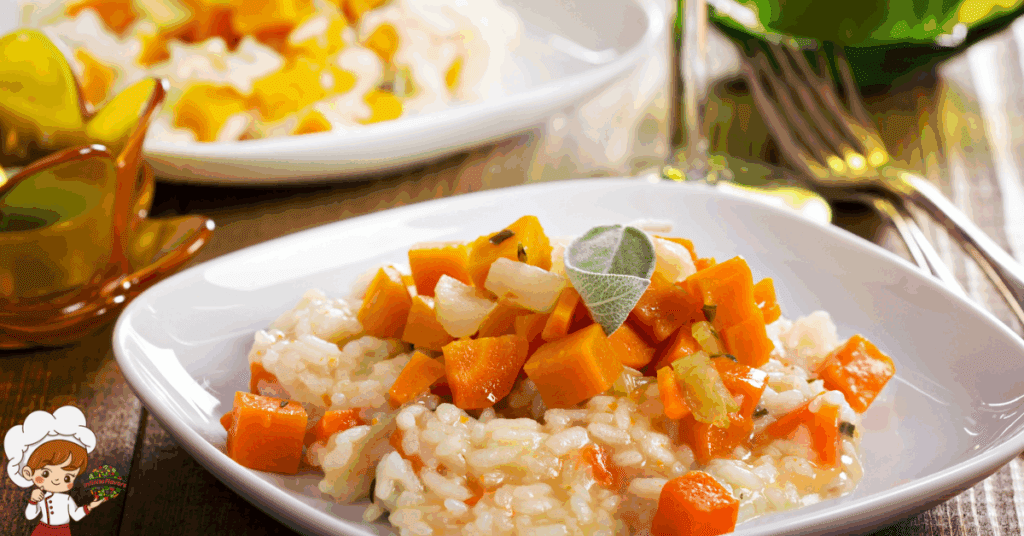
Great Origin of Butternut Squash Risotto; Comforting, creamy, and beautifully golden, Butternut Squash Risotto is a dish that perfectly captures the essence of autumn. This elegant yet rustic meal brings together the earthy sweetness of roasted squash with the creamy richness of Italian rice. Known for its velvety texture and deeply layered flavor, it’s a dish that feels at home in both fine dining and cozy family kitchens. But how did this modern favorite come to be? To understand its origins, we must explore the history of risotto, the introduction of butternut squash to European cuisine, and the creative fusion that made this dish a seasonal icon.
The Ancient Roots of Risotto: A Legacy Born from Italian Rice Culture
The story of risotto begins with the introduction of rice to Italy in the Middle Ages, when Arab traders brought the grain to Sicily and Spain. By the 15th century, rice cultivation had spread to northern Italy, particularly the Po Valley, an area known for its fertile soil and abundant water supply. These conditions made it ideal for growing short-grain varieties that would later become staples in Italian cooking — most notably Arborio, Carnaroli, and Vialone Nano.
Unlike long-grain rice, which cooks to a fluffy texture, these Italian varieties release starch during slow cooking, creating a naturally creamy base. This technique evolved into what we now recognize as risotto — a dish defined not by ingredients but by method: gently toasting the rice, slowly adding warm broth, and stirring continuously until a luscious, silky texture forms.
Early risottos were simple affairs — often made with broth, butter, and cheese. The most famous early example is Risotto alla Milanese, flavored with saffron and said to have originated in Milan in the 16th century. Over time, Italian cooks began incorporating local ingredients, transforming risotto into a canvas for regional flavors. This adaptability laid the groundwork for countless variations — including the beloved Butternut Squash Risotto we enjoy today.
The Journey of Butternut Squash: From the Americas to the Italian Kitchen
Before butternut squash ever met Arborio rice, it had to make its way across the Atlantic. Squash is native to the Americas, cultivated by Indigenous peoples for thousands of years. Early European explorers encountered squash varieties in the Caribbean and Central America, bringing seeds back to Europe in the 16th century.
While Italians initially favored local vegetables like pumpkin and zucchini, the sweet, nutty flavor of winter squash eventually gained popularity, particularly in northern regions where it paired beautifully with rich, buttery dishes. Butternut squash — a relatively modern cultivar developed in the 20th century in the United States — became prized for its smooth texture, deep orange flesh, and versatility. It was less fibrous and more naturally sweet than older varieties, making it a natural fit for soups, purees, and risottos.
The pairing of butternut squash and risotto is a perfect culinary marriage — the starchiness of Arborio rice complements the sweetness of the squash, while both ingredients share an affinity for butter, cheese, and aromatic herbs. The result is a dish that feels simultaneously comforting and luxurious.
The Evolution of Butternut Squash Risotto in Modern Cuisine
Though risotto has been a part of Italian cooking for centuries, the Butternut Squash Risotto we know today is a relatively modern creation. It gained popularity in the late 20th century, coinciding with a renewed interest in seasonal cooking and vegetarian-friendly meals.
Chefs across Italy, Europe, and North America began showcasing fall and winter vegetables in new ways, emphasizing the beauty of farm-to-table dining. Butternut squash, with its brilliant color and natural sweetness, became an ideal ingredient for chefs looking to highlight autumnal flavors.
The creamy base of risotto allowed the squash to shine — either blended directly into the rice for a smooth, golden hue or roasted and folded in for texture. The addition of ingredients like Parmesan cheese, sage, thyme, or white wine elevated the dish into a refined yet approachable favorite.
By the early 2000s, Butternut Squash Risotto appeared on menus worldwide, from Italian trattorias to Michelin-starred restaurants. Its popularity only grew as home cooks discovered its versatility, ease, and adaptability to modern dietary preferences.
Why Butternut Squash Risotto Became a Fall Favorite
Few dishes capture the essence of autumn quite like Butternut Squash Risotto. The combination of creamy rice, sweet roasted squash, and aromatic herbs embodies the warmth and comfort we crave as the weather cools. It’s a dish that celebrates seasonal ingredients while offering the sophistication of Italian technique.
In the fall, when butternut squash reaches its peak flavor, this risotto becomes a go-to centerpiece for dinners, holidays, and cozy gatherings. Its striking color and rich aroma make it visually appealing, while its balanced flavor — slightly sweet, subtly nutty, and deeply savory — satisfies even the most discerning palate.
Another reason for its enduring popularity lies in its customizability. While the classic version relies on Parmesan and butter, modern variations often incorporate goat cheese, toasted nuts, or even plant-based alternatives, allowing everyone to enjoy its signature flavor regardless of dietary preferences.
The Culinary Science Behind the Creamy Texture
One of the most fascinating aspects of risotto is its texture — a silky, almost velvety creaminess achieved without the use of cream. The secret lies in the starch content of short-grain rice. As the rice is slowly stirred and simmered, it releases starch molecules that bind with the broth, creating a natural sauce.
When combined with pureed or roasted butternut squash, this effect is amplified. The squash’s smooth texture and subtle sweetness integrate seamlessly with the rice, producing a dish that feels indulgent while remaining wholesome.
This unique technique — balancing slow cooking with precise timing — is what sets risotto apart from other rice dishes. It’s a labor of love that rewards patience with unmatched flavor and texture.
Health Benefits of Butternut Squash Risotto
Beyond its irresistible taste, Butternut Squash Risotto offers impressive nutritional benefits. Butternut squash is rich in vitamin A, vitamin C, potassium, and fiber, all of which support immune health and digestion. Its natural sweetness allows for reduced added sugars, making it a wholesome ingredient choice.
Meanwhile, Arborio rice provides complex carbohydrates and a source of sustained energy, while cheese and broth contribute protein and minerals. When prepared with olive oil and fresh herbs, the dish becomes a balanced meal that’s both satisfying and nutrient-dense.
For those seeking lighter or dairy-free versions, substitutions like vegetable broth, plant-based cheese, and olive oil maintain the dish’s integrity while enhancing its nutritional profile.
Butternut Squash Risotto in Global Food Trends
As global cuisine continues to evolve, Butternut Squash Risotto has carved a niche in both traditional and modern dining. It aligns with current food trends emphasizing seasonality, comfort cooking, and vegetable-forward meals.
In fine dining, chefs experiment by incorporating ingredients like brown butter, crispy sage, or toasted hazelnuts for added depth. In home kitchens, the dish is cherished for its versatility — easy enough for weeknights yet elegant enough for holidays.
The rise of vegetarian and flexitarian diets has also boosted its popularity. As more diners seek meatless options that feel indulgent, risotto stands out as a satisfying, flavorful alternative.
Top Reasons to Add Butternut Squash Risotto to Your Table
- Seasonal Appeal: A perfect autumn dish that celebrates the harvest season.
- Comfort and Elegance: Combines rustic charm with restaurant-quality presentation.
- Versatility: Works as a main course, side dish, or holiday centerpiece.
- Nutritional Value: Packed with vitamins, fiber, and antioxidants.
- Culinary Tradition: A fusion of Italian technique and New World ingredients.
Whether you’re hosting a dinner party or preparing a quiet family meal, Butternut Squash Risotto offers warmth, nourishment, and timeless appeal.
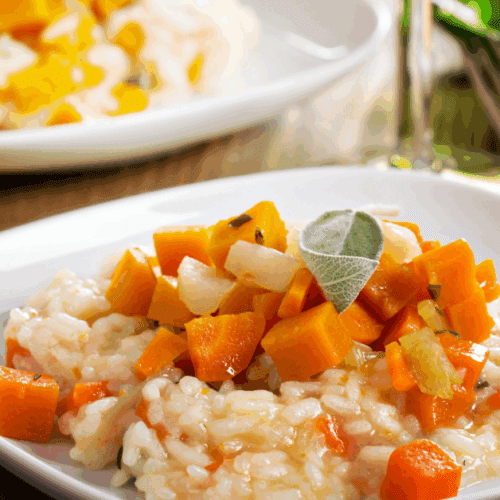
Butternut Squash Risotto
Ingredients
- 1 cup Arborio rice
- – 2 cups diced butternut squash
- – 4 cups vegetable broth
- – 1/2 cup grated Parmesan cheese
Instructions
- In a saucepan, heat the vegetable broth and keep it warm.
- In another pot, sauté diced butternut squash until tender.
- Add Arborio rice and stir for 1-2 minutes, then gradually add broth, one ladle at a time, stirring continuously until absorbed.
- Once rice is creamy, stir in Parmesan cheese and serve.
FAQ: Great Origin of Butternut Squash Risotto
Q: Where did risotto originate?
A: Risotto originated in northern Italy, specifically in the Lombardy and Piedmont regions, where rice cultivation thrived due to fertile plains and abundant irrigation.
Q: When did butternut squash become part of Italian cuisine?
A: While native to the Americas, butternut squash became popular in Europe after the 16th century. The modern variety, developed in the 1940s, gained favor for its smooth texture and sweet flavor, making it ideal for dishes like risotto.
Q: Is Butternut Squash Risotto traditional Italian food?
A: While risotto is traditionally Italian, the version featuring butternut squash is a modern adaptation that blends Old World technique with New World ingredients.
Q: What makes risotto creamy?
A: The creaminess comes from starch released by short-grain rice during slow cooking, combined with broth and gentle stirring — not from added cream.
Q: Can Butternut Squash Risotto be made vegan?
A: Yes! Substitute vegetable broth for chicken broth, olive oil for butter, and vegan cheese or nutritional yeast for Parmesan. The result remains rich and flavorful.
Q: What pairs well with Butternut Squash Risotto?
A: It pairs beautifully with roasted meats, sautéed greens, or a crisp salad. For a complete vegetarian meal, serve it alongside roasted mushrooms or a light soup.
Q: Why is Butternut Squash Risotto so popular in fall?
A: Its warm, comforting flavors and vibrant color align perfectly with autumn ingredients and seasonal menus, making it a go-to dish for the cooler months.

Conclusion: A Celebration of Flavor, Tradition, and Comfort
Butternut Squash Risotto represents the very best of culinary fusion — a meeting of Italian craftsmanship and New World abundance. From the rice fields of northern Italy to the pumpkin patches of the Americas, each ingredient tells a story of heritage, innovation, and flavor.
Its enduring popularity lies in its balance: creamy yet light, sweet yet savory, rustic yet refined. It honors the Italian philosophy of cooking — using a few high-quality ingredients to create something extraordinary — while embracing seasonal produce that connects us to nature’s rhythm.
In today’s kitchens, Butternut Squash Risotto stands as a symbol of comfort and creativity. It reminds us that tradition can evolve, and that by combining old-world techniques with modern inspiration, we can create dishes that nourish both body and soul.
If you enjoyed exploring this topic and want to dive even deeper, be sure to check out some of our other articles here on Infinite Flavors. From rich culinary histories to creative twists on classic recipes, there’s always something new to discover. Whether you’re curious about the origins of a dish, looking for fresh inspiration in the kitchen, or simply love learning about food culture, our collection of posts is the perfect next step on your flavor journey.
The History And Origin Of Easy Tater Tot Casserole
Amazing Pumpkin Soup A Fall Classic That Stands The Test Of Time
The History And Origin Of Easy Chicken And Gravy Stew