Amazing Pumpkin Soup A Fall Classic That Stands the Test of Time
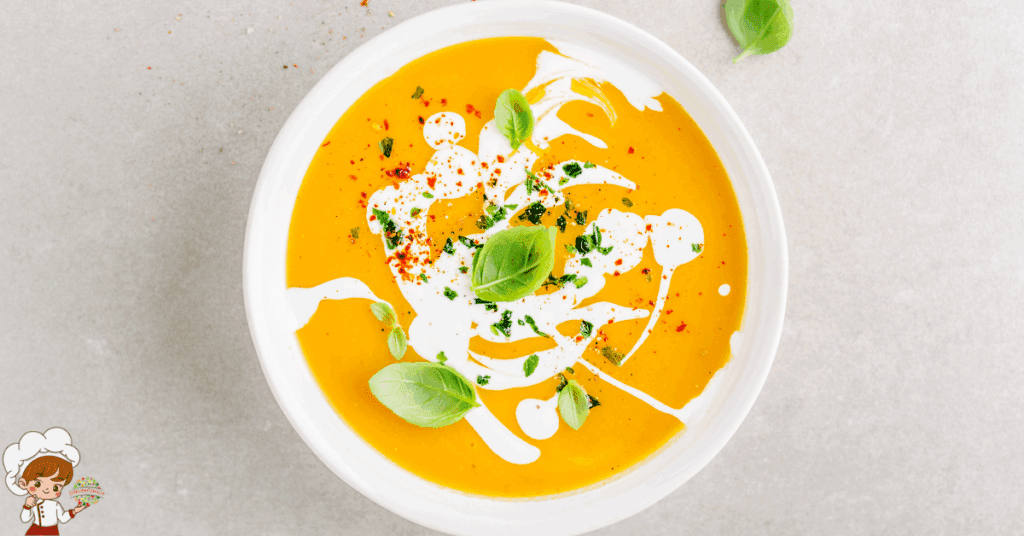
Amazing Pumpkin Soup A Fall Classic; Few dishes capture the cozy essence of autumn quite like pumpkin soup. With its velvety texture, warm spices, and naturally sweet flavor, it’s become a symbol of comfort and harvest season across the world. But pumpkin soup is far more than a seasonal favorite — it carries centuries of history, tracing its roots through ancient civilizations, colonial kitchens, and modern farm-to-table movements.
In this blog post, we’ll take a journey through time to uncover the rich history and origin of pumpkin soup, exploring how this humble dish became an international icon of fall comfort food.
The Ancient Origins of Pumpkin Soup: From Native Seeds to Nourishing Stew
Before pumpkin soup became a fall tradition, pumpkins themselves played a vital role in the diets of early civilizations. Pumpkins are native to the Americas, with archaeological evidence showing they were cultivated in Mexico and Central America more than 7,500 years ago. Indigenous peoples valued pumpkins not only for their flesh but also for their seeds, which were rich in nutrients and easy to store.
Early versions of pumpkin dishes often involved roasting, boiling, or mashing the flesh into stews. While these ancient preparations might not have resembled the creamy soups we know today, they were the foundation for what would become one of the oldest comfort foods in history.
Among Native American tribes, pumpkin was often mixed with corn, beans, and wild herbs — ingredients that provided balance and sustenance. When combined with water or broth, the result was an early form of pumpkin stew, nourishing and hearty. It’s easy to imagine how, over time, this evolved into a smoother, soup-like dish as cooking methods advanced.
Colonial America and the Birth of Traditional Pumpkin Soup
The story of pumpkin soup in America begins during the colonial era. When European settlers arrived in the New World, they were introduced to a variety of native crops they had never encountered before — pumpkins among them. Unable to grow familiar grains and vegetables in the harsh early conditions, settlers quickly learned from Indigenous peoples how to cook and preserve pumpkins.
In fact, one of the earliest recorded American pumpkin recipes appeared in 17th-century New England, describing a pumpkin cooked with milk and spices. Early colonists hollowed out pumpkins, filled them with milk, honey, and spices, and baked them in hot ashes — creating a primitive version of pumpkin custard or soup.
By the 18th century, as colonists gained access to dairy, butter, and imported spices, pumpkin soup became a more refined dish served in homesteads and taverns. The blending of Old World ingredients with New World produce gave birth to a uniquely American comfort food that would later influence global cuisine.
Pumpkin Soup in European Cuisine: From Peasant Fare to Elegant Entrée
As pumpkins made their way across the Atlantic, they found a home in European kitchens, particularly in France, England, and Germany. Initially viewed as a food for peasants because of their abundance and affordability, pumpkins gradually gained prestige as chefs discovered their versatility.
In 18th- and 19th-century France, pumpkin soup — known as potage de potiron — became a staple in rustic households. Over time, French culinary tradition elevated it into a refined dish, pureeing the pumpkin with cream, butter, and aromatic herbs. The French emphasis on texture and presentation helped establish pumpkin soup as an elegant yet accessible part of European cuisine.
In England, pumpkin soup gained traction as part of harvest celebrations, particularly in rural areas. It was served during Michaelmas and other autumn feasts, symbolizing abundance and gratitude for a successful growing season.
Meanwhile, in Germany and Austria, pumpkin soup — or Kürbissuppe — became a beloved autumn specialty. Often made with regional pumpkins like Hokkaido or butternut, it reflected a deep connection to the land and local harvest.
By the 19th century, pumpkin soup was firmly established in both American and European culinary traditions, symbolizing comfort, prosperity, and seasonal change.
Global Influence: How Pumpkin Soup Became a Worldwide Favorite
While pumpkin soup’s story began in the Americas, its journey across continents created countless variations that reflect regional tastes and traditions.
In Asia, particularly in Thailand and Japan, pumpkin soup is prepared with coconut milk, lemongrass, and curry spices, creating a vibrant balance of sweetness and heat. In India, pumpkin soups often feature turmeric, ginger, and cumin, showcasing the country’s rich spice heritage.
In the Caribbean, pumpkin soup — often called “pumpkin pepperpot” or “calabaza soup” — holds deep cultural significance. In Jamaica, for example, Saturday Pumpkin Soup is a weekly tradition, simmered with yams, dumplings, and scotch bonnet peppers for a bold, aromatic flavor.
Across Africa, especially in South and West Africa, pumpkin soup evolved from colonial influences combined with indigenous ingredients like maize and sweet potatoes. Each region adapted pumpkin soup to suit local palates, turning it into a reflection of cultural identity and culinary innovation.
The Role of Pumpkin Soup in Modern Cuisine and Seasonal Celebrations
Today, pumpkin soup has become a quintessential fall dish in many parts of the world. It appears on menus during autumn festivals, Thanksgiving dinners, and holiday gatherings. The soup’s creamy texture and golden hue symbolize warmth, comfort, and the harvest spirit — making it a staple in farm-to-table and seasonal cooking movements.
As consumers increasingly seek out sustainable and locally sourced ingredients, pumpkin soup has regained popularity for its simplicity and versatility. The pumpkin itself is an environmentally friendly crop, thriving in diverse climates and storing well through winter months.
In modern cuisine, chefs have embraced pumpkin soup as a canvas for creativity, pairing it with flavors like roasted garlic, chili oil, sage, and maple cream. Vegan and plant-based variations have also surged in popularity, showcasing how pumpkin soup continues to evolve with contemporary food trends.
Cultural Symbolism: Pumpkin Soup as a Comfort Food and Seasonal Tradition
Beyond its culinary appeal, pumpkin soup holds deep cultural symbolism. In many societies, it represents comfort, community, and transition — particularly from summer to fall.
In the United States, pumpkin soup is often associated with Thanksgiving and the harvest season, alongside other pumpkin-based favorites like pie and bread. In France, it’s considered a nostalgic family dish, often prepared in large batches to share around the table.
In regions like the Caribbean, Australia, and New Zealand, pumpkin soup carries similar meaning — marking not only seasonal change but also togetherness. Whether served at a casual lunch or elegant dinner, it embodies the warmth of shared meals and simple ingredients transformed through care.
The emotional connection people have to pumpkin soup — its aroma, color, and flavor — evokes memories of home, holidays, and family gatherings. That connection has helped the dish endure across centuries and cultures.
The Evolution of Pumpkin Soup in Pop Culture and Food Trends
Pumpkin soup’s rise in pop culture parallels the global fascination with pumpkin spice and autumn-themed foods. As seasonal marketing boomed in the 21st century, dishes featuring pumpkin gained a kind of nostalgic charm.
From restaurant menus to social media, pumpkin soup has become a symbol of cozy fall living — featured in countless “soup season” posts and farm-to-table blogs. Food stylists love its warm color palette, and its photogenic swirl of cream or pumpkin seeds makes it a favorite among food photographers and influencers.
In professional kitchens, pumpkin soup is often used as a starter course for fall tasting menus, balancing sweetness, spice, and savoriness. In home kitchens, it remains a go-to comfort dish — quick, nutritious, and endlessly adaptable.
Health Benefits of Pumpkin Soup: Nutrition Rooted in Tradition
Another reason pumpkin soup has remained so beloved is its impressive nutritional profile. Pumpkin is low in calories but rich in fiber, antioxidants, and vitamins — particularly vitamin A, vitamin C, and potassium.
Historically, these nutrients made pumpkin a vital source of sustenance during the colder months, when fresh produce was scarce. Today, pumpkin soup continues to offer immune-boosting properties, heart health benefits, and eye-supporting nutrients — making it a wholesome option that bridges past and present.
When blended with nourishing ingredients like onions, garlic, and broth, pumpkin soup becomes a nutrient-dense comfort food that’s both satisfying and restorative.
Pumpkin Soup and Sustainability: A Return to Simple, Local Ingredients
In recent years, there’s been a growing interest in sustainable, seasonal eating, and pumpkin soup perfectly embodies this philosophy. Pumpkins are hearty, low-maintenance crops that store well through winter and produce minimal waste — from seeds to skin, nearly every part can be used.
By returning to dishes like pumpkin soup, consumers reconnect with the rhythm of the seasons and support local agriculture. Many modern chefs and home cooks now feature pumpkin soup as a showcase of sustainable cooking, emphasizing local sourcing and traditional preservation methods.
This trend mirrors the earliest origins of pumpkin soup — simple, resourceful cooking designed to nourish communities with what the earth provides.
The Enduring Legacy of Pumpkin Soup
From ancient fields in Mesoamerica to modern kitchens around the globe, pumpkin soup has traveled a remarkable culinary journey. Its story weaves together themes of innovation, adaptation, and comfort, reflecting how a simple ingredient can unite cultures and generations.
Pumpkin soup endures because it speaks to something timeless — the warmth of the hearth, the beauty of the harvest, and the comfort of tradition. Every spoonful carries centuries of history, yet it remains endlessly reinventable, bridging the gap between past and present with each autumn season.
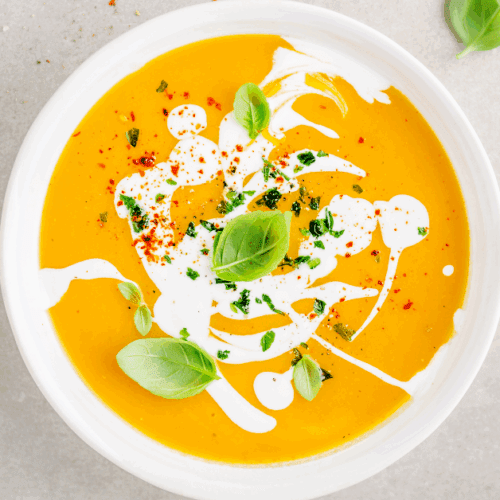
Pumpkin Soup
Ingredients
- 1 can 15 oz pumpkin puree
- – 2 cups vegetable broth
- – 1 cup coconut milk
- – 1 tsp pumpkin pie spice
Instructions
- . In a pot, combine the pumpkin puree and vegetable broth over medium heat.
- Stir in the coconut milk until well mixed.
- Add the pumpkin pie spice and simmer for 10 minutes, stirring occasionally.
- Blend until smooth and serve warm.
Frequently Asked Questions: Amazing Pumpkin Soup A Fall Classic
What is the origin of pumpkin soup?
Pumpkin soup originated in the Americas, where Indigenous peoples first cultivated pumpkins and prepared early stews using their flesh. European settlers later adapted these dishes with milk and spices, creating the foundation for modern pumpkin soup.
When did pumpkin soup become popular?
Pumpkin soup gained popularity during the colonial era in North America and spread to Europe in the 18th and 19th centuries. It became especially associated with harvest season and autumn celebrations.
Is pumpkin soup the same around the world?
No — each region has its own variation. In France, it’s smooth and buttery; in the Caribbean, it’s spicy and hearty; in Asia, it often features coconut milk and curry spices. These differences reflect local flavors and traditions.
Why is pumpkin soup associated with fall?
Pumpkins are harvested in autumn, making them a natural symbol of the season. The soup’s warm spices, rich color, and comforting texture align perfectly with fall flavors and cozy weather.
Is pumpkin soup healthy?
Yes. Pumpkin soup is packed with fiber, antioxidants, and vitamins A and C. It’s low in calories and supports immune function, eye health, and digestion, especially when prepared with wholesome, fresh ingredients.
Can pumpkin soup be vegan or dairy-free?
Absolutely. Pumpkin soup adapts easily to plant-based diets — use vegetable broth and coconut milk or olive oil instead of dairy to create a rich, vegan-friendly version.
What’s the cultural significance of pumpkin soup?
Pumpkin soup symbolizes comfort, nourishment, and community. It’s served during harvest festivals, family gatherings, and holidays, representing gratitude and togetherness across many cultures.
How has pumpkin soup changed over time?
Early versions were rustic stews made with pumpkin and water. As ingredients like milk, cream, and spices became more accessible, the soup evolved into the smooth, creamy versions we know today — constantly reinvented by chefs worldwide.

A Timeless Taste of Autumn
Pumpkin soup’s history is as rich and comforting as the dish itself. From its Indigenous American roots to its global evolution, it tells a story of resourcefulness, cultural exchange, and culinary creativity. Whether you enjoy it as a rustic family meal or a gourmet starter, each bowl connects us to centuries of tradition — and to the simple joy of seasonal cooking.
So, as the leaves turn and the air cools, there’s no better way to celebrate the harvest than with a steaming bowl of pumpkin soup — a timeless tribute to the season’s warmth, abundance, and flavor.
If you enjoyed exploring this topic and want to dive even deeper, be sure to check out some of our other articles here on Infinite Flavors. From rich culinary histories to creative twists on classic recipes, there’s always something new to discover. Whether you’re curious about the origins of a dish, looking for fresh inspiration in the kitchen, or simply love learning about food culture, our collection of posts is the perfect next step on your flavor journey.
The Great History And Origin Of Pinto Beans And Ham
The History And Origin Of Easy Tater Tot Casserole
The History And Origin Of Easy Chicken And Gravy Stew