The Great History and Origin of Maple Glazed Brussels Sprouts
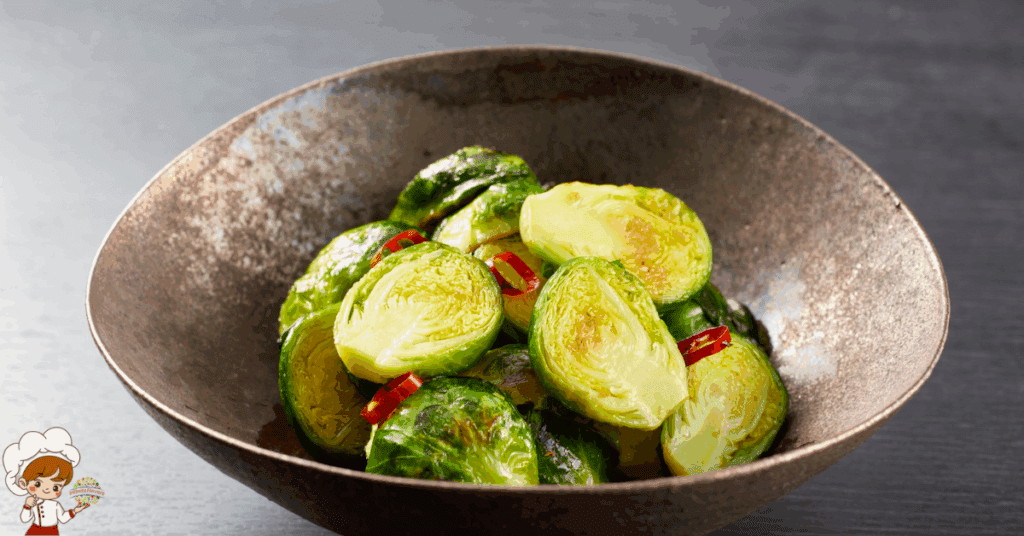
Origin of Maple Glazed Brussels Sprouts; Few side dishes have experienced a comeback as impressive as Brussels sprouts, especially when paired with the natural sweetness of maple syrup. Once unfairly maligned as a bitter vegetable, Brussels sprouts have been reborn in modern kitchens as a star side dish, thanks in part to simple yet flavorful recipes like Maple Glazed Brussels Sprouts.
This classic combination balances earthy, nutty sprouts with the rich, caramel-like sweetness of maple syrup — a union that feels both rustic and refined. To understand why this dish has become such a popular addition to fall and holiday tables, it’s important to explore its origins, the cultural history behind its ingredients, and how it rose to prominence in modern cuisine.
The Ancient Roots of Brussels Sprouts: From Wild Cabbage to Cultivated Treasure
Brussels sprouts belong to the Brassica oleracea family — the same botanical group as cabbage, kale, cauliflower, and broccoli. They trace their ancestry to wild cabbage plants native to coastal regions of Europe. These hardy greens were cultivated and selectively bred by early farmers for their unique buds, which grew in compact clusters along the plant’s stalk.
The first historical mention of a vegetable resembling modern Brussels sprouts dates back to 13th-century Belgium, specifically near the city of Brussels, where they were grown extensively — hence the name. Farmers discovered that the cool, temperate climate of northern Europe was ideal for producing sprouts with tender leaves and a mild, nutty flavor. By the 16th century, Brussels sprouts had become a culinary staple in northern Europe, appreciated for their long storage life and ability to thrive in colder months.
When Brussels sprouts made their way across the English Channel, they gained popularity in Great Britain and later in North America, where they became a common winter vegetable. However, for many decades, they carried a reputation for being overly bitter — largely due to older cooking techniques that involved boiling them to mush. It wasn’t until modern chefs began experimenting with roasting and glazing that Brussels sprouts found their rightful place as a gourmet favorite.
Maple Syrup: A Sweet Gift from the Forest
The other half of this flavorful pairing — maple syrup — comes from an entirely different part of the world. Long before European settlers arrived in North America, Indigenous peoples were harvesting sap from maple trees and boiling it down into a sweet, nutrient-rich syrup. This natural sweetener was not only used for flavor but also for medicinal purposes and as a valuable trade item.
European settlers quickly adopted the practice, refining it with new tools and methods. By the 18th century, maple syrup production had become a key part of rural life in northeastern North America, particularly in what is now Vermont, Quebec, and Ontario. Today, it remains a symbol of rustic comfort and natural sweetness — a perfect complement to savory vegetables like Brussels sprouts.
The pairing of maple syrup with vegetables is not a modern invention. Sweet glazes were common in early American cooking, often made with honey, molasses, or maple. However, as farm-to-table cuisine and seasonal cooking trends grew in the late 20th and early 21st centuries, chefs began turning back to pure maple syrup as a wholesome, natural flavoring — leading to the rise of dishes like Maple Glazed Brussels Sprouts.
The Emergence of Maple Glazed Brussels Sprouts in Modern Cuisine
The concept of glazing vegetables dates back centuries. Early French cooks often glazed carrots, turnips, or onions with sugar and butter to create a shiny, flavorful coating. The idea eventually made its way into American kitchens, where cooks began experimenting with regional ingredients — like maple syrup — to achieve a similar effect.
By the late 20th century, Brussels sprouts were experiencing a reputation makeover. Modern chefs discovered that roasting the sprouts brought out a rich, caramelized flavor while reducing bitterness. Adding a drizzle of maple syrup during the roasting process enhanced that natural sweetness, creating a perfect harmony of flavors. This reinvented the humble sprout from an overlooked side dish into a gourmet favorite.
The rise of seasonal eating, whole-food cooking, and plant-forward diets helped popularize dishes like Maple Glazed Brussels Sprouts even further. It became a star on holiday tables, especially during Thanksgiving and Christmas, when cooks sought out comforting, sweet-savory combinations. Today, the dish is celebrated not only for its flavor but also for its nutritional benefits and visual appeal.
Why Maple Glazed Brussels Sprouts Became a Modern Classic
In the culinary world, balance is everything — and this dish is a perfect example. The slight bitterness of Brussels sprouts is offset by the deep sweetness of maple syrup, while roasting adds a smoky, caramelized edge. The combination appeals to both traditional and contemporary tastes, making it a favorite for chefs and home cooks alike.
Another reason for its enduring popularity is versatility. Maple Glazed Brussels Sprouts can stand alone as a vegetarian entrée, complement a hearty roast, or be customized with ingredients like pecans, cranberries, or balsamic glaze. It fits effortlessly into farmhouse-style menus, holiday feasts, and even weeknight dinners, appealing to both nostalgic and health-conscious cooks.
Nutritional Benefits of Brussels Sprouts and Maple Syrup
From a nutritional standpoint, Brussels sprouts are powerhouses of vitamins, fiber, and antioxidants. They’re particularly rich in vitamin C, vitamin K, and folate, and they provide a solid dose of plant-based protein and fiber. Their natural compounds, like glucosinolates, are known to support detoxification and may have anti-inflammatory benefits.
Meanwhile, maple syrup offers trace minerals like manganese and zinc, and when used sparingly, it provides a natural alternative to refined sugar. Together, these ingredients create a dish that feels indulgent but remains nutrient-dense — a hallmark of modern clean eating.
Maple Glazed Brussels Sprouts in Global Cuisine
While the dish is often associated with North American fall cooking, similar sweet-savory combinations appear in cuisines around the world. In Asian cooking, soy-glazed or honey-roasted vegetables share the same balance of sweet and umami. In European traditions, root vegetables and cabbages are often paired with apple or honey glazes.
The Maple Glazed Brussels Sprout stands out because of its distinctly North American flavor profile — blending Old World vegetables with New World sweetness. It’s a dish that tells the story of culinary evolution, cultural exchange, and the beauty of simple, seasonal ingredients.
Top Reasons to Add Maple Glazed Brussels Sprouts to Your Table
From holiday feasts to weeknight meals, Maple Glazed Brussels Sprouts offer endless appeal. They’re quick to make, elegant to serve, and universally loved once people taste the balance of flavors. The dish also highlights seasonal cooking principles, encouraging home chefs to embrace locally grown produce and natural sweeteners.
Additionally, this dish aligns perfectly with current food trends emphasizing health-conscious comfort food. As consumers seek flavorful ways to enjoy vegetables, recipes that incorporate natural glazes and roasting methods are gaining traction — and Maple Glazed Brussels Sprouts are at the forefront of that movement.
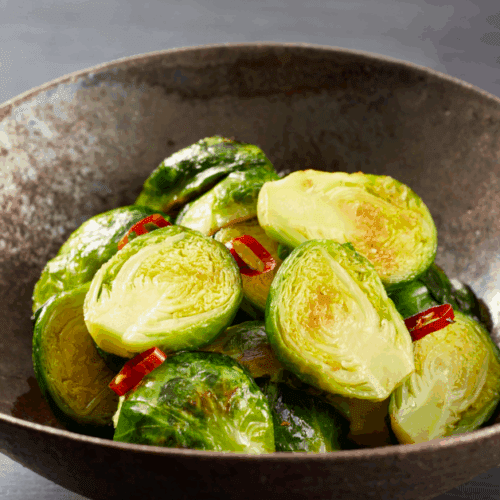
Maple Glazed Brussels Sprouts
Ingredients
- 1 lb Brussels sprouts halved
- – 1/4 cup maple syrup
- – 2 tbsp olive oil
- – Salt and pepper to taste
Instructions
- Preheat your oven to 400°F (200°C).
- Toss the halved Brussels sprouts with olive oil, salt, and pepper in a bowl.
- Spread them on a baking sheet and roast for 20 minutes.
- Drizzle with maple syrup and roast for an additional 10 minutes, then serve warm.
FAQ: Origin of Maple Glazed Brussels Sprouts
Q: Where did Brussels sprouts originate?
A: Brussels sprouts originated near Brussels, Belgium, during the 13th century. They are descendants of wild cabbage and became popular across Europe for their cold-weather resilience.
Q: Why are Brussels sprouts paired with maple syrup?
A: The sweetness of maple syrup complements the natural bitterness of Brussels sprouts, creating a balanced, caramelized flavor when roasted.
Q: Can I make Maple Glazed Brussels Sprouts ahead of time?
A: Yes! You can roast them ahead, then reheat and drizzle with a touch more maple syrup before serving to restore shine and flavor.
Q: Are Maple Glazed Brussels Sprouts healthy?
A: Absolutely. They’re packed with vitamins and fiber, and when prepared with pure maple syrup and minimal oil, they make a nutritious, low-sugar side dish.
Q: Can I add other ingredients?
A: Definitely. Many cooks add chopped pecans, cranberries, or a splash of balsamic vinegar for extra texture and depth.

A Timeless Blend of Sweet and Savory
Maple Glazed Brussels Sprouts represent more than just a side dish — they’re a culinary success story. What began as a humble winter vegetable from medieval Belgium has transformed into a gourmet staple that bridges rustic tradition with modern taste. The addition of maple syrup — one of North America’s most iconic ingredients — creates a sweet-savory harmony that feels both comforting and sophisticated.
In today’s kitchens, Maple Glazed Brussels Sprouts have earned their place as a go-to dish for festive gatherings, cozy dinners, and health-conscious menus. Their story reminds us that even the simplest ingredients can tell rich cultural tales when paired with creativity and care. Whether you’re honoring tradition or crafting a new favorite, this dish proves that balance, flavor, and history can come together beautifully on a single plate.
If you enjoyed exploring this topic and want to dive even deeper, be sure to check out some of our other articles here on Infinite Flavors. From rich culinary histories to creative twists on classic recipes, there’s always something new to discover. Whether you’re curious about the origins of a dish, looking for fresh inspiration in the kitchen, or simply love learning about food culture, our collection of posts is the perfect next step on your flavor journey.
The Great History And Origin Of Pinto Beans And Ham
Amazing Pumpkin Soup A Fall Classic That Stands The Test Of Time
The History And Origin Of Easy Chicken And Gravy Stew