The History and Origin of Easy Homemade Cinnamon Rolls

Origin of Easy Homemade Cinnamon Rolls; Easy Homemade Cinnamon Rolls are one of the most comforting baked treats in the world—warm, soft, and filled with that irresistible swirl of cinnamon and sugar. But behind this beloved breakfast classic lies a rich story that stretches from ancient spice routes to Scandinavian cafés and American home kitchens. This post explores how cinnamon rolls first emerged, how they evolved across cultures, and why the “easy homemade” version has become a favorite for modern bakers who crave both tradition and convenience.
In this article, we’ll explore the fascinating history and origin of cinnamon rolls, how they became a global sensation, and why making homemade cinnamon rolls remains a cherished baking tradition.
This blog will help you:
- Understand the ancient origins of cinnamon and how it shaped early sweet breads.
- Learn how European pastries like schnecken and kanelbulle evolved into modern cinnamon rolls.
- Discover how cinnamon rolls became a beloved American comfort food.
- Explore why homemade cinnamon rolls remain a cherished baking tradition.
- Feel inspired to make your own easy cinnamon rolls with confidence and creativity.
The Origins of Cinnamon: The Spice That Started It All
To understand the history of cinnamon rolls, we must begin with the story of their most important ingredient—cinnamon itself. Cinnamon has one of the oldest and most fascinating histories of any spice. It was prized in ancient Egypt as early as 2000 BCE, not only for its flavor but also for its use in embalming and medicine. Ancient traders transported cinnamon along the spice routes from Ceylon (modern-day Sri Lanka) and India to the Middle East and Europe, making it more valuable than gold at times.
By the Middle Ages, cinnamon was a luxury in Europe, reserved for royalty and the wealthy elite. It was a symbol of prestige and sophistication, appearing in both savory and sweet dishes. As trade routes expanded and sugar became more widely available in the 17th and 18th centuries, cinnamon found its perfect partner—sweet dough.
The Birth of Sweet Yeast Breads in Europe
The concept of sweet yeast doughs began gaining popularity in Northern Europe. Bakers in countries like Germany, Denmark, and Sweden developed a wide array of enriched breads using butter, sugar, and milk—ingredients that made doughs softer and more decadent.
These early sweet rolls included varieties like the German schnecken (“snail”), a coiled pastry filled with sugar and nuts, and the Danish kanelsnegl (“cinnamon snail”), which closely resembles today’s cinnamon rolls. These pastries were often served with coffee or tea, especially during holidays and special gatherings.
It was in Sweden, however, that the cinnamon roll truly began to take shape as we recognize it today.
The Swedish Connection: The Birthplace of Modern Cinnamon Rolls
The Swedish version of the cinnamon roll, known as kanelbulle, appeared in the early 20th century. After World War I, Sweden experienced an increase in the availability of imported goods like sugar, flour, and spices. With these ingredients more accessible, home bakers began experimenting with enriched yeast doughs flavored with butter, cinnamon, and sugar.
By the 1950s, cinnamon rolls had become a staple in Swedish cafés and homes, particularly as part of the cherished social tradition called fika—a daily coffee break that often includes a pastry. Kanelbullar were not only delicious but also symbolized community, rest, and comfort.
So beloved is this treat that Sweden even celebrates Cinnamon Bun Day (Kanelbullens dag) every October 4th—a national holiday dedicated to the cinnamon roll.
The Journey to America: A New Twist on a Classic
When European immigrants came to America, they brought with them their love of sweet breads and pastries. German settlers in particular introduced schnecken and other rolled pastries to regions like Pennsylvania and the Midwest in the 18th and 19th centuries.
Over time, American bakers began experimenting with these recipes, adapting them to local tastes and ingredients. Butter, cream, and sugar were abundant, and cinnamon—once a luxury—was now affordable and widely available. The result was the American cinnamon roll, larger, softer, and sweeter than its European cousins.
By the early 20th century, the cinnamon roll had become a staple in American kitchens and bakeries, especially in the South and Midwest. It evolved into a symbol of weekend brunches, holiday mornings, and warm hospitality.
The Rise of Easy Homemade Cinnamon Rolls
While traditional cinnamon rolls required multiple hours of rising and proofing, modern bakers began developing easy homemade cinnamon roll recipes that cut down on preparation time without sacrificing flavor.
The rise of home baking in the 20th century—especially during the 1950s and again during the pandemic-era resurgence of comfort cooking—made cinnamon rolls a go-to recipe for families. The combination of rich dough, cinnamon-sugar filling, and sweet glaze struck a perfect balance of nostalgia and indulgence.
Convenience innovations, such as instant yeast and pre-mixed dough, made it even easier for home bakers to enjoy the magic of fresh-baked cinnamon rolls. Yet even as the methods evolved, the soul of the dish remained the same—a warm, fragrant pastry that brings people together.
The Evolution of Cinnamon Rolls Around the World
Though the cinnamon roll’s roots are Scandinavian, its influence has spread far and wide, with regional twists and variations found around the globe:
- Sweden: Kanelbullar—lightly sweetened, spiced with cardamom, and often sprinkled with pearl sugar rather than frosting.
- Germany: Schnecken—filled with nuts and raisins, offering a more rustic sweetness.
- United States: Rich, buttery rolls topped with creamy icing, often enjoyed warm for breakfast or brunch.
- Finland: Korvapuusti, meaning “slapped ears,” shaped with a twist rather than a spiral.
- Canada: Similar to the American style but often enhanced with maple syrup or glaze.
Each culture adapts the cinnamon roll to its own culinary traditions, yet all share one core trait—comfort and indulgence wrapped in soft, spiraled dough.
The Science Behind the Perfect Cinnamon Roll
At its heart, the cinnamon roll is a marvel of baking chemistry. Yeast transforms simple ingredients into a fluffy, airy dough, while sugar and butter create caramelized layers of sweetness as the rolls bake. Cinnamon provides not only flavor but also warmth and depth, thanks to compounds like cinnamaldehyde that stimulate both taste and smell.
The swirl itself serves more than just aesthetic appeal—it ensures even distribution of filling and helps the roll bake evenly from edge to center. When baked to golden perfection, the contrast between the soft interior and the slightly crisp edges creates an irresistible texture balance.
Cultural and Emotional Significance of Homemade Cinnamon Rolls
Beyond taste, homemade cinnamon rolls carry deep emotional significance. They evoke memories of cozy Sunday mornings, family breakfasts, and the irresistible scent wafting from the oven. In many homes, the act of rolling and slicing dough becomes a generational ritual, passed down from parents to children.
The simplicity of the ingredients—flour, butter, sugar, cinnamon—belies the emotional power of the final product. It’s a dessert that feels like home, and one that encourages sharing, conversation, and connection.
Whether baked for a holiday brunch, a bake sale, or simply to brighten a rainy day, Easy Homemade Cinnamon Rolls remain a universal symbol of comfort and joy.
Cinnamon Rolls in Modern Pop Culture
Cinnamon rolls have transcended the bakery to become an icon of indulgence in popular culture. Cafés, bakeries, and even social media trends celebrate their pillowy softness and dripping glaze. Viral baking videos often feature time-lapse sequences of rolls rising and frosting being drizzled over the top—a sight guaranteed to spark cravings.
Chains like Cinnabon helped cement the cinnamon roll’s place in modern America, offering a portable, aromatic version that became synonymous with malls and airports in the 1980s and 1990s. Yet, despite commercial success, homemade cinnamon rolls remain unmatched in charm and satisfaction.
Easy Homemade Cinnamon Rolls: A Symbol of Comfort Food Culture
In today’s culinary landscape, easy homemade cinnamon rolls embody the essence of comfort food: simple ingredients, familiar flavors, and a sense of nostalgia. As people rediscover home baking, especially after the challenges of recent years, cinnamon rolls have become a form of self-care—a small act of sweetness that brightens the day.
The rise of “slow mornings,” cozy breakfasts, and weekend baking rituals has brought cinnamon rolls back into the spotlight. Their warmth and aroma transform any kitchen into a sanctuary of flavor and peace.
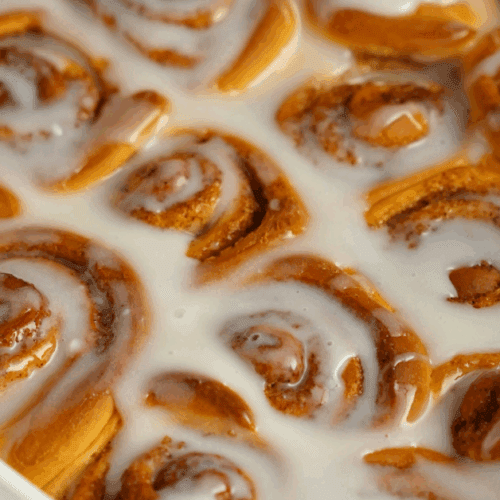
Easy Homemade Cinnamon Rolls
Ingredients
- *For the Dough:**
- – 2 cups all-purpose flour
- – 2 tablespoons granulated sugar
- – 1 tablespoon baking powder
- – 1/2 teaspoon salt
- – 2/3 cup milk
- – 2 tablespoons melted butter
- – 1 teaspoon vanilla extract
- **For the Filling:**
- – 1/4 cup softened butter
- – 1/2 cup brown sugar
- – 1 tablespoon ground cinnamon
- **For the Icing:**
- – 1 cup powdered sugar
- – 2 tablespoons milk
- – 1/2 teaspoon vanilla extract
Instructions
- **Preheat Oven:** Preheat your oven to 375°F (190°C).
- **Make the Dough:**
- – In a large bowl, mix together the flour, sugar, baking powder, and salt.
- – Add the milk, melted butter, and vanilla extract. Stir until the dough comes together.
- **Roll Out the Dough:**
- – On a floured surface, roll the dough into a rectangle about 1/4 inch thick.
- **Prepare the Filling:**
- – Spread the softened butter over the rolled-out dough.
- – In a small bowl, mix the brown sugar and cinnamon, then sprinkle it evenly over the butter.
- **Roll Up:**
- – Starting from one long side, roll the dough tightly into a log.
- – Cut the log into 1-inch thick slices.
- **Bake:**
- – Place the rolls in a greased baking dish and bake for 15-20 minutes, or until golden brown.
- **Make the Icing:**
- – In a bowl, combine powdered sugar, milk, and vanilla extract. Mix until smooth.
- **Drizzle and Serve:**
- – Once the rolls are done, drizzle the icing over the warm rolls and enjoy!
FAQ: Origin of Easy Homemade Cinnamon Rolls
Who invented the cinnamon roll?
The modern cinnamon roll is believed to have originated in Sweden in the early 20th century, evolving from older European sweet rolls like schnecken and kanelsnegl.
What does the Swedish term “kanelbulle” mean?
“Kanelbulle” translates directly to “cinnamon bun” in Swedish. It’s a national favorite and celebrated every October 4th as Cinnamon Bun Day.
How did cinnamon rolls become popular in America?
European immigrants, particularly from Germany and Scandinavia, brought their recipes to America. Over time, American bakers adapted them into larger, sweeter rolls with frosting.
Why are homemade cinnamon rolls so popular today?
Their simplicity, nostalgic flavor, and comforting aroma make them a timeless favorite. Modern versions are easier to make, thanks to instant yeast and no-knead doughs.
Are cinnamon rolls a breakfast food or dessert?
Traditionally served for breakfast or brunch, they also make a delightful dessert, especially when served warm with frosting or glaze.
What makes homemade cinnamon rolls different from store-bought ones?
Homemade cinnamon rolls offer a fresher, fluffier texture and richer flavor. They also allow for customization—more cinnamon, extra frosting, or unique fillings like nuts or fruit.
Why do people associate cinnamon rolls with comfort food?
The scent of cinnamon and butter triggers nostalgia and relaxation, while the warm, soft texture creates a sense of coziness and satisfaction.

A Spiraled Legacy of Sweet Tradition
From ancient spice routes to modern kitchen counters, Easy Homemade Cinnamon Rolls have traveled through time and culture, carrying with them stories of warmth, family, and celebration. Their history reflects humanity’s enduring love for sweetness, comfort, and connection.
Whether enjoyed in a cozy kitchen on a winter morning or baked as a treat for loved ones, cinnamon rolls embody the simple joy of homemade baking. They remind us that even in a fast-paced world, the best things in life—like freshly baked rolls and shared moments—are worth slowing down for.
With every swirl of dough and sprinkle of cinnamon sugar, we continue a centuries-old tradition that began in the spice markets of ancient civilizations and now lives on in our own ovens. Easy Homemade Cinnamon Rolls are more than a pastry—they’re a delicious link between past and present, heritage and home.
If you enjoyed exploring this topic and want to dive even deeper, be sure to check out some of our other articles here on Infinite Flavors. From rich culinary histories to creative twists on classic recipes, there’s always something new to discover. Whether you’re curious about the origins of a dish, looking for fresh inspiration in the kitchen, or simply love learning about food culture, our collection of posts is the perfect next step on your flavor journey.
Three Great Essential Slow Cooking Techniques For Holidays
The Delicious And Great Origin Of Pumpkin Spice Muffins
The Great History And Origin Of Apple Cinnamon Oatmeal