Amazing Sustainable Meal Prep Ideas For Families
Sustainable Meal Prep Ideas For Families; You can revolutionize your family’s meals with sustainable meal prep ideas that are eco-friendly, delicious, and budget-conscious. Start by planning your weekly menu to reduce food waste and embrace seasonal ingredients for fresh, local flavors. Consider buying in bulk, which can save you money and minimize packaging waste. Get creative with leftover recipes to guarantee nothing goes to waste. Use eco-friendly storage options like reusable wraps and biodegradable containers. Finally, involve your family in the cooking process, making it a fun and educational experience. Discover even more tips that can elevate your meal prep journey.
Plan Your Weekly Menu
When you plan your weekly menu, you’re not just organizing meals—you’re setting the stage for sustainable eating habits. By taking the time to think through your meal planning, you can create a structure that aligns with your dietary preferences while reducing food waste and promoting healthier choices. Start by evaluating your family’s needs; consider everyone’s likes, dislikes, and any dietary restrictions. This will help you create meals that everyone will enjoy, making it easier to stick to your plan.
Next, choose recipes that use similar ingredients. This approach minimizes waste and maximizes your budget. For instance, if you’re buying a bunch of spinach, plan multiple meals that feature it, from salads to soups. You’ll not only save money but also save time during the week.
Don’t forget to incorporate leftovers into your meal planning. Having a designated day for using up leftovers can make your week more efficient and limit food waste. By planning ahead, you can also guarantee you have a balance of nutrients in your meals. Think about including a variety of proteins, grains, and vegetables tailored to your family’s dietary preferences.
Embrace Seasonal Ingredients
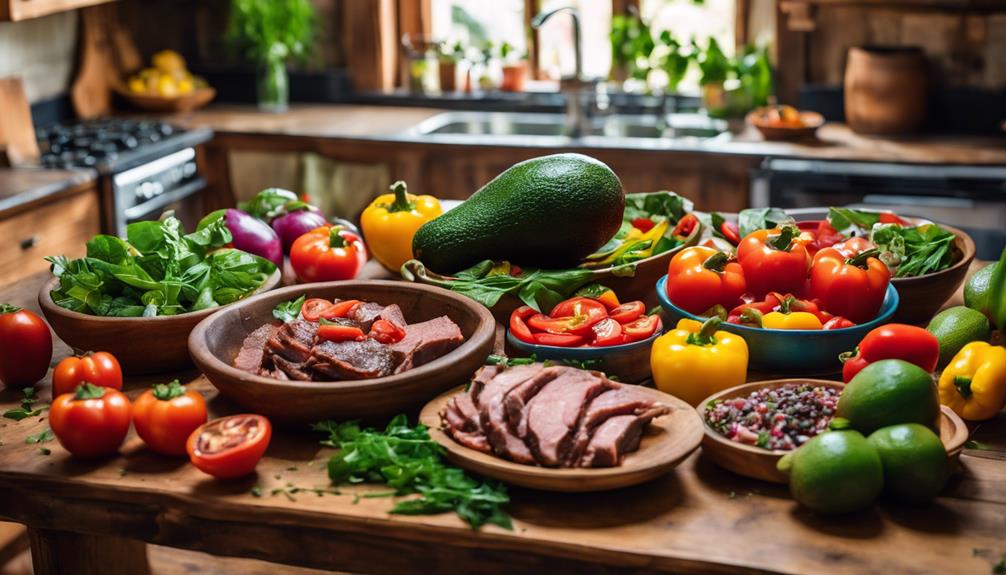
When you embrace seasonal ingredients, you not only enjoy fresher flavors but also support local farmers and reduce your carbon footprint. Eating what’s in season means you’re getting produce at its peak, packed with nutrients. Plus, sourcing local ingredients often leads to discovering new recipes and flavors unique to your area.
Benefits of Seasonal Eating
Embracing seasonal ingredients can transform your meals into vibrant, flavorful experiences while benefiting both your health and the environment. By focusing on what’s in season, you’re likely to enjoy numerous health benefits, including increased nutrient intake. Seasonal produce is often fresher, leading to flavor enhancement that can elevate any dish you create.
Choosing seasonal ingredients also supports local farmers and communities, promoting community support while reducing your environmental impact. When you buy locally, you’re minimizing the carbon footprint associated with transporting food long distances. Plus, seasonal variety encourages nutrition diversity, allowing you to explore new fruits and vegetables throughout the year.
Not only does seasonal eating inspire culinary creativity, but it’s also budget-friendly. Seasonal items are typically more abundant, driving prices down and making it easier to stick to your grocery budget. You’ll find that experimenting with different seasonal ingredients can keep your meals exciting and prevent monotony in your meal prep routine.
Ultimately, embracing seasonal eating is a delicious way to enhance your meals while making a positive impact on your health and the planet. So, immerse yourself in seasonal cooking and enjoy all the benefits it brings!
Local Produce Sources
To truly benefit from seasonal eating, tapping into local produce sources is essential. By sourcing your ingredients from nearby farms, you not only support local economies but also enjoy fresher, more flavorful foods. Farmers markets are a fantastic place to start. They offer a vibrant selection of seasonal fruits and vegetables, allowing you to choose what’s ripe and ready. Plus, you get to connect directly with the farmers, learn about their growing practices, and understand where your food comes from.
Another option is community supported agriculture (CSA). By joining a CSA, you invest in a local farm and receive a weekly share of seasonal produce. This not only guarantees you fresh ingredients but also encourages you to explore new fruits and vegetables that might not be on your usual shopping list. You’ll likely discover unique varieties and flavors that inspire your meal prep.
Embracing local produce sources helps you create delicious, sustainable meals while minimizing your carbon footprint. So, next time you plan your meals, consider visiting a farmers market or signing up for a CSA. Your taste buds—and the planet—will thank you!
Buy in Bulk
Buying in bulk can save you money while also cutting down on packaging waste. You’ll find that purchasing larger quantities of staples reduces your overall grocery bills and helps the environment. Plus, you can store what you don’t use right away for future meals, making your prep even more efficient.
Cost-Effective Purchasing Strategies
One effective way to save money on your meal prep is by buying in bulk. When you shop at discount grocery stores, you’ll often find that purchasing larger quantities of items like grains, canned goods, and spices can greatly reduce your overall costs. Look for items you use regularly, and consider splitting bulk purchases with friends or family if you’re concerned about storage or expiration dates.
Using meal planning apps can also help you strategize your bulk buying. These apps allow you to plan your meals for the week, ensuring you only purchase what you truly need. By planning ahead, you can take advantage of bulk discounts without wasting food.
Additionally, keep an eye out for seasonal sales and promotions at your local discount grocery stores. Stocking up on fresh produce when it’s in season and on sale can save you money while contributing to a healthier diet.
Reduced Packaging Waste
Purchasing in bulk not only saves you money but also considerably reduces packaging waste. When you buy larger quantities, you minimize the need for multiple smaller packages, which often end up in landfills. Instead, you can opt for packaging alternatives like reusable containers or glass jars, allowing you to store your bulk items sustainably.
Many grocery stores and co-ops offer bulk bins for grains, nuts, and other staples. Bring your own bags or containers to fill up, ensuring that you’re contributing to a zero waste lifestyle. This approach not only cuts down on plastic but also encourages you to be mindful of what you’re purchasing.
When you focus on buying in bulk, you’ll likely find yourself planning meals more effectively. You can create delicious recipes using your bulk ingredients, which helps reduce food waste too. Plus, you’ll find that many bulk items have a longer shelf life, making them a practical option for meal prep.
Ultimately, embracing bulk purchasing is a simple yet powerful way to make a positive impact on the environment while enjoying savings and delicious, home-cooked meals.
Reduce Food Waste
Reducing food waste is an essential step in creating a sustainable meal prep routine. You can begin by planning your meals carefully. Take a little time each week to create a shopping list based on your family’s needs. This way, you’ll avoid overbuying and guarantee you only purchase what you’ll use.
Next, focus on food preservation techniques. For example, consider freezing fruits and vegetables that you can’t consume right away. This not only extends their shelf life but also helps you whip up quick meals when you’re short on time. Vacuum sealing can also be a great method to keep food fresh longer.
Don’t forget about proper storage. Storing your produce in the right environment can drastically reduce spoilage. Keep your fridge organized so that items nearing their expiration date are easily visible, prompting you to use them first.
When you do have scraps, consider composting techniques. Instead of tossing vegetable peels or stale bread in the trash, turn them into nutrient-rich compost for your garden. It’s a simple way to recycle organic waste while enriching your soil, creating a cycle of sustainability.
Creative Leftover Recipes
Utilizing leftovers creatively can not only minimize waste but also add variety to your meals. You’ll be amazed at how many leftover transformations you can whip up with just a bit of imagination. For example, if you’ve got roasted vegetables left from last night, toss them into a savory frittata. This dish not only makes for a hearty breakfast but also cleverly repurposes what might’ve otherwise gone uneaten.
Another fantastic way to reinvent your leftovers is by making creative casseroles. Combine your leftover proteins, like chicken or beef, with grains and a mix of fresh or frozen vegetables. Layer them all in a baking dish, top with cheese or breadcrumbs, and bake until it’s bubbly and golden. It’s a delicious way to create a comforting meal that feels completely new.
Don’t forget about soups! Leftover meats and veggies can transform into a hearty soup with just a few additions. Simply sauté what you’ve got, add broth, and let it simmer. You can even throw in some beans or lentils for added nutrition.
And let’s talk about salads. Leftover grains, proteins, and veggies can be tossed together for a vibrant salad that is both filling and invigorating. Drizzle with a homemade vinaigrette, and you’ve got a fantastic lunch or side dish.
Use Eco-Friendly Storage
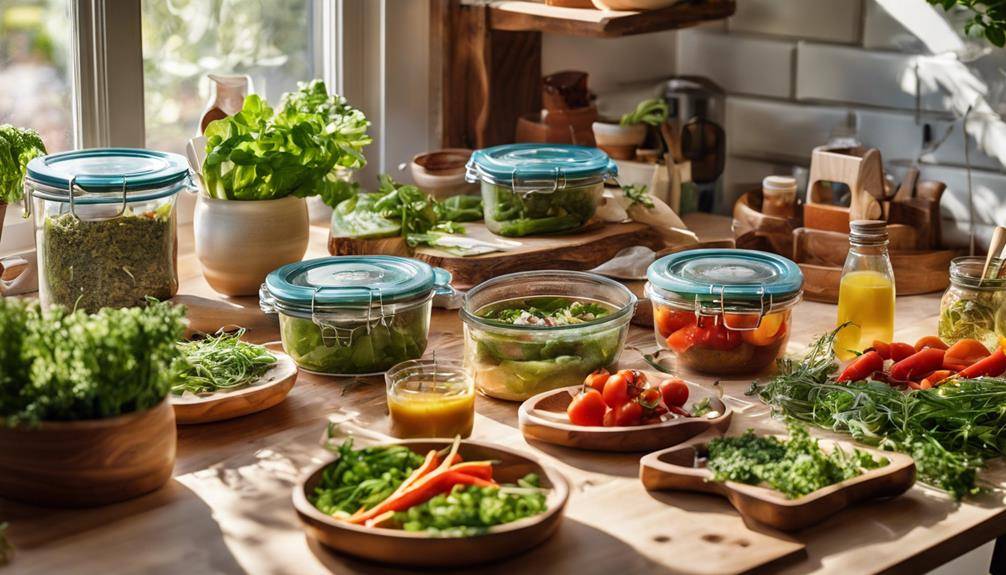
When it comes to meal prep, choosing eco-friendly storage options can make a significant difference in reducing your environmental footprint. By opting for biodegradable containers and reusable wraps, you can not only preserve your meals but also contribute to a healthier planet.
Biodegradable containers are a fantastic choice. These containers break down naturally over time, minimizing landfill waste. They’re perfect for storing leftovers, as they’re often made from materials like plant starches or recycled paper. Look for options that are labeled as compostable, ensuring they can return to the earth safely after use.
On the other hand, reusable wraps are a versatile alternative to plastic wrap. Made from organic cotton infused with beeswax or plant-based wax, these wraps mold around food items and containers, keeping your meals fresh without the environmental cost of single-use plastics. You can wash them and use them repeatedly, making them a cost-effective and sustainable solution.
When you’re ready to store your prepped meals, think about portion sizes. Using smaller biodegradable containers or wraps can help you manage your portions effectively and reduce food waste. Plus, they’re easy to stack in your fridge or freezer, making organization a breeze.
Involve the Whole Family
Getting the whole family involved in meal prep can transform a mundane task into a fun and engaging activity. By including everyone in the process, you not only lighten your workload but also create valuable family memories. Cooking together is a fantastic way to teach kids essential life skills while fostering a sense of teamwork.
Start by assigning age-appropriate tasks to each family member. Younger kids can wash vegetables or stir ingredients, while older ones can chop or measure. This way, everyone feels included and responsible for the meal. Make it a game by timing how fast you can complete tasks or creating a themed night, like taco Tuesday or pizza night, where everyone contributes to the creation.
Incorporate educational elements into your family activities by discussing where ingredients come from or the benefits of certain foods. This can spark conversations about sustainability and healthy eating. You might even inspire your kids to try new foods they wouldn’t usually eat!
Don’t forget to celebrate your achievements together. Once the meal is prepped, sit down as a family and enjoy the fruits of your labor. You’ll find that sitting together at the table enhances the quality of family time and encourages open dialogue.
Frequently Asked Questions: Sustainable Meal Prep Ideas For Families
How Can I Make Meal Prep Fun for Kids?
To make meal prep fun for kids, involve them in interactive cooking. Let them pick colorful ingredients, create fun shapes, and experiment with flavors. They’ll enjoy the process and feel proud of their delicious creations!
Are There Specific Diets That Work Well for Sustainable Meal Prep?
Certain diets, like plant-based meals, thrive on seasonal ingredients. You’ll find it easier to plan meals around fresh produce, making prep enjoyable and eco-friendly. Plus, it’s a delicious way to nourish your family!
What Are Some Easy Recipes for Beginners?
If you’re just starting, try quick breakfast smoothies with frozen fruits and yogurt. For budget-friendly lunches, make a hearty chickpea salad or wrap. These meals are simple, nutritious, and perfect for meal prepping!
How Can I Encourage Picky Eaters to Try New Foods?
To encourage picky eaters, start with food exposure. Set up fun taste testing sessions with small portions of new foods. Make it interactive, and celebrate their bravery to try something different. They’ll gradually become more adventurous!
What Tools or Gadgets Are Essential for Sustainable Meal Prep?
For effective sustainable meal prep, you’ll need eco-friendly containers that keep your food fresh. Invest in gadgets like vacuum sealers and jars, and explore food preservation techniques like fermenting and freezing to minimize waste.

Conclusion
By incorporating these sustainable meal prep ideas, you can not only nourish your family but also contribute to a healthier planet. Planning your menu, embracing seasonal ingredients, and reducing food waste are all simple steps that make a big difference. Get everyone involved in the process—cooking together can be a fun family activity! With a little creativity, you’ll turn leftovers into delicious meals and use eco-friendly storage solutions, making sustainability a part of your everyday life.
If you enjoyed exploring this topic and want to dive even deeper, be sure to check out some of our other articles here on Infinite Flavors. From rich culinary histories to creative twists on classic recipes, there’s always something new to discover. Whether you’re curious about the origins of a dish, looking for fresh inspiration in the kitchen, or simply love learning about food culture, our collection of posts is the perfect next step on your flavor journey.
How To Roast Beef In Slow Cooker
Affordable Eco-Friendly Meal Prep Solutions
Easy Vegan Sustainable Meal Prep Recipes