Easy Vegan Sustainable Meal Prep Recipes
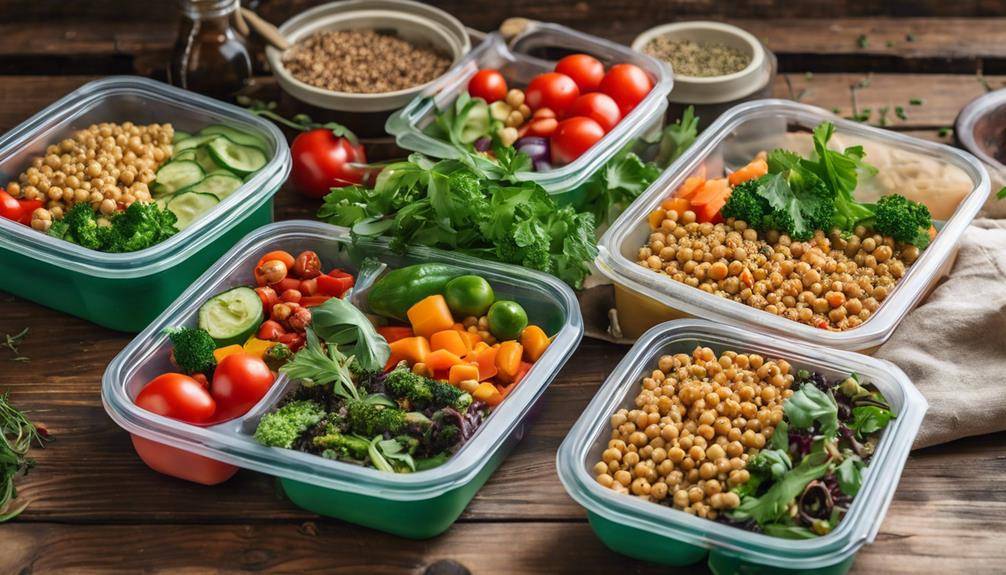
Easy Vegan Sustainable Meal Prep Recipes help you eat healthier while reducing your environmental impact. Start with nutrient-dense staples like legumes, whole grains, and seasonal vegetables. Embrace batch cooking and one-pot meals to save time and minimize waste. Prep delicious breakfast options like overnight oats or smoothie packs for quick starts. Create vibrant lunch bowls with grains, proteins, and fresh veggies to keep your lunch varied and nutritious. Don’t forget snacks like energy bites or homemade hummus for easy grab-and-go options. Explore more tips for crafting satisfying meals that benefit both your health and the planet.
Benefits of Meal Prep
Meal prepping offers a myriad of benefits that can transform your cooking routine and overall health. One of the most notable health benefits is that it encourages you to plan balanced meals, leading to better nutrition. By preparing your meals in advance, you’re more likely to include a variety of ingredients, boosting dietary diversity and ensuring you get essential nutrients.
Cost savings also play a significant role in the advantages of meal prepping. When you buy ingredients in bulk and plan your meals, you can reduce waste and save money. This practice fosters better time management, allowing you to spend less time cooking during the week. Instead of scrambling to throw together meals each day, you can simply grab your prepped dishes.
Meal prepping can also lead to stress reduction. Knowing your meals are ready to go can ease the daily pressure of cooking, allowing you to enjoy your time in the kitchen and embrace your culinary creativity. Portion control becomes simpler as well, helping you maintain a balanced diet without the temptation of overeating.
In addition, meal prepping positively impacts food safety by minimizing the risk of spoilage and contamination. Furthermore, it supports lifestyle sustainability, as you’re more likely to choose plant-based, environmentally friendly ingredients, reducing your carbon footprint. By embracing meal prep, you’re not just enhancing your routine; you’re making a conscious choice for your health and the planet.
Essential Vegan Ingredients
When planning your vegan meal prep, having a solid list of ingredients on hand can make all the difference. You’ll want to stock up on a variety of plant-based staples that not only provide flavor but also the crucial nutrients your body needs.
First, focus on vegan protein sources. Legumes like lentils, chickpeas, and black beans are fantastic choices. They’re versatile and can be used in salads, soups, or as a base for hearty meals. Tofu and tempeh are also excellent options, packed with protein and incredibly adaptable to different flavors. Don’t forget about quinoa and farro; these grains offer a complete protein profile while adding a satisfying texture.
Next, fill your pantry with whole grains. Brown rice, oats, and whole grain pasta are great staples that provide energy and keep you feeling full. Incorporate a variety of seasonal vegetables—think leafy greens, bell peppers, zucchini, and sweet potatoes. They not only add color but also crucial vitamins and minerals.
Lastly, stock up on healthy fats. Avocados, nuts, seeds, and olive oil can elevate your dishes while keeping them nutritious. Herbs and spices are your best friends for flavoring; fresh basil, garlic, and cumin can transform any meal.
With these crucial vegan ingredients, you’ll be well-prepared to create delicious, balanced meals that support your sustainable lifestyle. Happy cooking!
Sustainable Kitchen Practices
Creating a sustainable kitchen starts with mindful choices that reduce waste and promote eco-friendly practices. Begin by embracing sustainable sourcing when selecting ingredients. Choose local, organic produce to minimize your carbon footprint and support local farmers. Incorporate seasonal cooking into your meal planning; this not only enhances flavor but also aligns with nature’s cycles.
Kitchen organization plays an essential role in sustainability. Keep your pantry stocked with essentials to avoid impulse purchases and wasted food. Use clear containers to store items, making it easier to track what you have, and practice zero waste cooking by utilizing every part of your ingredients. For example, vegetable scraps can be transformed into flavorful broths.
When you clean your kitchen, opt for eco-friendly cleaning products that are safe for both your home and the environment. This choice complements your sustainable efforts and promotes a healthier living space. Investing in energy-efficient appliances can greatly reduce your energy consumption, making your cooking practices more sustainable.
Lastly, consider the composting benefits of your kitchen waste. By composting fruit and vegetable scraps, you’re not only reducing landfill waste but also creating nutrient-rich soil for your plants. This cycle of mindful consumption and food preservation enriches your kitchen’s sustainability journey. By adopting these sustainable kitchen practices, you’ll contribute to a healthier planet while enjoying delicious vegan meals.
Batch Cooking Basics
To master batch cooking, you need the right tools and techniques to streamline your process. Focus on selecting nutrient-dense ingredients that pack a punch in flavor and health benefits. With these basics in mind, you’ll save time and enjoy delicious meals throughout the week.
Essential Meal Prep Tools
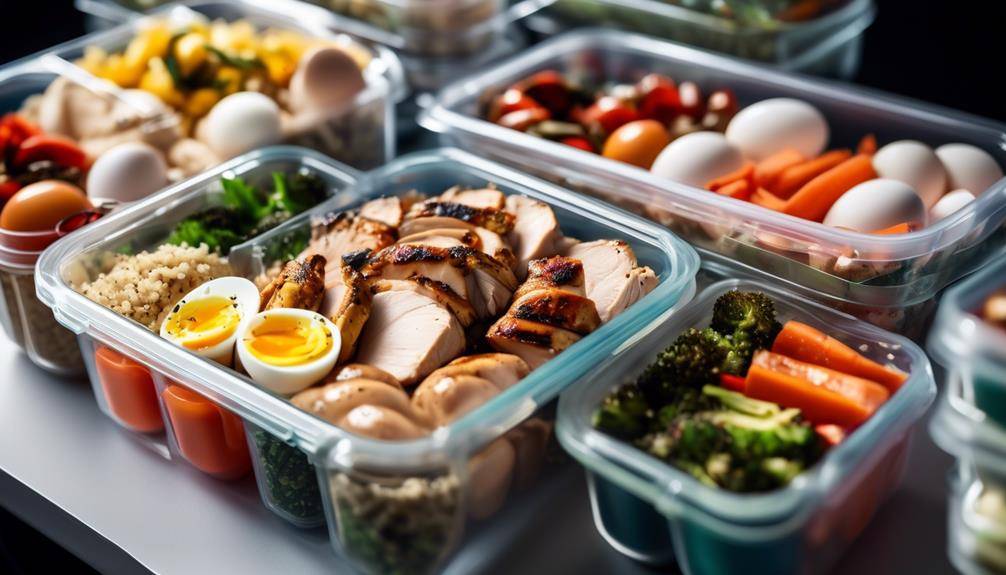
Having the right tools can make all the difference in your meal prep journey. First and foremost, invest in high-quality meal prep containers. These come in various sizes and materials, allowing you to store everything from grains to sauces. Look for airtight options to keep your food fresh longer. Glass containers are great for reheating, while BPA-free plastic is lightweight and durable.
Next, consider your kitchen organization. A well-organized kitchen is key to efficient meal prep. Utilize drawer organizers for utensils and stackable bins for pantry items. Labeling your containers and jars can help you quickly find what you need, saving you precious time during the cooking process.
Don’t forget about essential tools like a sharp chef’s knife, cutting board, and measuring cups. These will not only speed up your prep time but also guarantee you’re accurately portioning your ingredients. Investing in a good blender or food processor can also expand your recipe options, allowing you to make smoothies, sauces, and dips with ease. With these essential meal prep tools, you’ll streamline your process and enjoy the benefits of delicious, healthy vegan meals throughout the week.
Time-Saving Cooking Techniques
When it comes to meal prepping, batch cooking is a game-changer that saves you time and effort throughout the week. By preparing large quantities of food at once, you can minimize daily cooking and cleaning. Start by choosing easy one pot meals, which allow you to combine multiple ingredients in a single pot, reducing mess and cooking time. Think hearty stews, soups, or grain bowls that can be customized with your favorite veggies and seasonings.
Investing in time-saving gadgets can also streamline your batch cooking process. A pressure cooker or slow cooker lets you set it and forget it, freeing you up to do other things while your meal cooks. A food processor can chop and slice your ingredients in seconds, making prep work a breeze.
Once your meals are ready, portion them into containers for the week ahead. Don’t forget to label them with dates, so you know when to enjoy each dish. By utilizing these techniques, you’ll not only save time during the week but also enjoy delicious, home-cooked vegan meals without the stress. Happy cooking!
Nutrient-Dense Ingredient Selection
Selecting nutrient-dense ingredients is crucial for creating balanced and satisfying vegan meals during your batch cooking sessions. Focus on whole foods like legumes, grains, nuts, seeds, and colorful vegetables, as they provide a variety of vitamins, minerals, and antioxidants. When planning your meals, think about ingredient pairing to enhance nutrient absorption. For instance, pairing vitamin C-rich foods, like bell peppers or tomatoes, with iron-rich sources, such as lentils or spinach, can greatly boost your body’s ability to absorb iron.
Don’t forget about healthy fats! Including avocados or olive oil can increase the absorption of fat-soluble vitamins found in leafy greens. Aim for diversity in your ingredient selection to guarantee a wide range of nutrients.
Consider batch cooking grains like quinoa or brown rice, which are not only filling but also versatile. They can be easily paired with roasted veggies or legumes for a complete meal. By focusing on nutrient-dense ingredients and smart ingredient pairing, you’ll set yourself up for success, making sure your meals are both nourishing and delicious. So, get creative with your combinations and enjoy the benefits of a well-rounded vegan diet!
Breakfast Meal Prep Ideas
When it comes to breakfast meal prep, you can’t go wrong with a few staples like overnight oats, smoothie packs, and chia seed puddings. These options are not only easy to make, but they also pack a nutritional punch to kickstart your day. Let’s explore some delicious variations and essentials that you can prepare ahead of time!
Overnight Oats Variations
If you’re looking for a quick and nutritious breakfast, overnight oats variations might just be the perfect solution. These customizable meals allow you to get creative with your ingredients while ensuring a wholesome start to your day. Start with a base of rolled oats soaked in your favorite plant-based milks like almond or coconut.
Next, explore different flavor infusions by adding vanilla extract or cocoa powder. For texture variations, mix in chia seeds or flaxseeds. You can also layer in seasonal fruits like berries or diced apples for a revitalizing twist.
Don’t forget about oatmeal toppings! Nut butter blends, such as almond or cashew, offer creaminess and healthy fats. Superfood add-ins like hemp seeds or spirulina boost the nutritional profile. Sweetener options range from maple syrup to agave nectar, depending on your taste.
Spice combinations, such as cinnamon or nutmeg, can elevate your oats. Finally, consider presentation ideas—layering oats in a mason jar not only looks appealing but makes it easy to grab on the go. With these variations, your overnight oats will never get boring!
Smoothie Packs Essentials
Smoothie packs take the convenience of meal prep to the next level, offering a fast and nutritious option for breakfast. With just a bit of planning, you can create smoothie pack variations that suit your taste and nutritional needs. Start by choosing a base, like spinach or kale, and add your favorite fruits, such as bananas, berries, or mango. Don’t forget to include a source of healthy fats, like avocado or nut butter, and a protein boost, like hemp seeds or a vegan protein powder.
When it comes to smoothie prep tips, use freezer-safe bags or containers, and label them with the date and ingredients for easy identification. For the best texture, freeze fruits in bite-sized pieces and add them to the pack to keep everything cold and fresh. You can even prep a week’s worth of packs at once—just grab one in the morning, blend it with your choice of liquid, and you’re ready to go!
Chia Seed Puddings
Chia seed puddings are a fantastic option for a nutritious breakfast that you can prep ahead of time. Packed with fiber, protein, and healthy fats, chia seeds offer numerous health benefits, including improved digestion and sustained energy levels. You’ll love how easy it is to make a batch at the beginning of the week!
To prepare your chia seed pudding, mix three tablespoons of chia seeds with one cup of your favorite plant-based milk. Stir in a sweetener like maple syrup or agave, then let it sit for about 30 minutes to thicken. For a flavor boost, consider adding vanilla extract, cocoa powder, or a pinch of cinnamon. You can also experiment with fruit purees or fresh fruits for delicious flavor enhancements.
Divide your mixture into jars and store them in the fridge. By the time breakfast rolls around, you’ll have a satisfying and versatile meal ready to go. Top your pudding with nuts, seeds, or granola for added texture. With chia seed benefits and endless customization options, you’ll look forward to starting your day with this delightful breakfast!
Lunch Bowl Recipes
Lunch bowls are a fantastic way to pack a variety of flavors and nutrients into one meal. You can create endless bowl variations by mixing and matching different ingredients. Start with a grain base like quinoa, brown rice, or farro to give your bowl a hearty foundation. Then, choose your protein sources—think chickpeas, tofu, or tempeh for satisfying texture contrasts.
Next, play with flavor profiles by adding roasted vegetables, fresh greens, or pickled items. These not only enhance the taste but also contribute vibrant color combinations, making your meal aesthetically pleasing. Don’t forget to incorporate ingredient swaps; if you’re not a fan of kale, try spinach or arugula instead.
Dressing options can elevate your bowl to new heights. A zesty tahini lemon dressing or a creamy avocado dressing can bring everything together beautifully. When considering portion sizes, remember to balance your grains, proteins, and veggies to keep your bowl nutritious and filling.
Dinner Recipes for the Week
When planning your weeknight dinners, it’s essential to create meals that are not only delicious but also easy to prepare. Start by incorporating plant-based proteins like lentils, chickpeas, and tofu, which not only provide vital nutrients but also offer versatility in your recipes. Pair these with seasonal vegetables to guarantee freshness and flavor enhancement in every dish.
To keep dinner exciting, focus on meal variety by exploring different international cuisines. You could whip up a spicy Thai curry one night using coconut milk and an array of vegetables, and then enjoy a hearty Italian pasta the next, featuring a homemade marinara sauce packed with fresh herbs and garlic. Experiment with various spice combinations to elevate the flavors of your meals without extra effort.
When it comes to cooking methods, don’t shy away from baking, steaming, or stir-frying, as each method can bring out different textures and tastes in your food. Incorporate family-friendly recipes that appeal to everyone, making sure that even picky eaters will enjoy what’s on the table.
Additionally, practice portion control by preparing meals that can be easily divided into servings, allowing for leftovers that can double as lunch for the next day. And don’t forget about easy desserts like fruit sorbet or chia seed pudding to complete your weeknight dinners with a sweet touch. With these tips, you’ll have a week of satisfying and sustainable meals ready to go!
Snack Options for Meal Prep
When you’re meal prepping, don’t forget about snacks that can keep your energy up throughout the day. You’ll want easy grab-and-go options that fit seamlessly into your routine. Let’s explore some tasty, vegan snack ideas that will fuel your body and satisfy your cravings.
Energy-Boosting Snack Ideas
Snacking doesn’t have to derail your healthy eating goals, especially with these energy-boosting options that are perfect for meal prep. When you focus on nutrient timing, you can fuel your body effectively throughout the day. Here are some delicious ideas that not only taste great but also look appealing—snack aesthetics matter, too!
First up, try making energy bites using dates, oats, and nut butter. They’re easy to prepare, and you can roll them in coconut or seeds for added texture and visual appeal. Another option is roasted chickpeas, seasoned with your favorite spices. They’re crunchy, satisfying, and provide a protein boost.
For a rejuvenating twist, prepare homemade hummus paired with colorful veggie sticks. Not only do the vibrant colors enhance your snack aesthetics, but you’ll also get a great mix of fiber and protein. Finally, consider overnight oats in jars, topped with fruits and nuts. This not only aids in nutrient timing but also makes for a beautiful grab-and-go option.
With these energy-boosting snacks, you’ll stay energized and satisfied without compromising your healthy eating goals!
Easy Grab-and-Go Options
Having a variety of easy grab-and-go options makes sticking to a healthy eating plan effortless. When you’re busy, you don’t want to spend time preparing meals or snacks, so having quick lunchboxes and portable snacks ready to grab can save you both time and energy.
Consider prepping energy balls made from oats, nut butter, and seeds. They’re tasty, nutrient-dense, and perfect for a quick energy boost. You can also whip up some veggie sticks paired with hummus in small containers for a crunchy, satisfying snack.
Another great option is homemade trail mix. Combine your favorite nuts, seeds, and dried fruits in a jar for a delicious and filling treat. For a revitalizing snack, freeze some grapes or berries; they’re easy to pop in your mouth and great on hot days.
Lastly, you can pack mini avocado sandwiches using whole-grain bread. Just slice and assemble them in a lunchbox—easy to eat on the go! With these ideas, you’ll always have healthy options at your fingertips, making your meal prep routine seamless and enjoyable.
Freezer-Friendly Vegan Meals
Freezer-friendly vegan meals are a lifesaver for busy individuals seeking nutritious options without the daily cooking hassle. By preparing meals in advance and storing them in your freezer, you can save time and guarantee that you always have healthy choices on hand. To make the most of your freezer space, effective freezer organization is key. Invest in quality, airtight containers or reusable freezer bags to keep your meals fresh and prevent freezer burn.
When you’re ready to prepare your meals, think about meal rotation. This strategy helps you use up older meals first, making sure nothing goes to waste. Label your containers with dates and meal names so you can quickly grab what you need without digging through the freezer. Consider batch cooking dishes like chili, soup, or grain bowls, which freeze well and reheat easily.
You might also want to prepare individual portions for quick lunches or dinners. Simple meals like veggie burgers, stuffed peppers, or quinoa salads can be frozen and accessed whenever you need a nutritious option. Just remember to leave a little space in your containers, as liquids expand when frozen.
With your freezer stocked and organized, you’ll find meal prep becomes less intimidating. You’ll be able to enjoy satisfying, homemade meals without the stress of daily cooking. Embrace this method, and you’ll discover that eating healthy doesn’t have to be time-consuming or overwhelming.
Zero-Waste Meal Prep Tips
To make your meal prep more sustainable, start by planning your portions to reduce waste. You can also get creative by using leftover ingredients in new dishes. Finally, don’t forget to compost any food scraps to give back to the earth while minimizing your trash.
Plan Your Portions
Mindful planning is essential for effective meal prep, especially when aiming for zero waste. By focusing on portion control and serving sizes, you can create meals that satisfy your hunger without excess. Start by evaluating your dietary needs and preferences. This way, you can determine how much food you actually need for each meal.
When prepping, consider using measuring cups or a kitchen scale to guarantee accuracy in serving sizes. This not only helps you avoid over-prepping but also keeps your meals balanced and nutritious. Remember, it’s easier to adjust serving sizes for future meals than to deal with a fridge full of leftovers!
You can also plan meals around similar ingredients to streamline your shopping list and reduce waste. For instance, if you know you’ll use quinoa in one dish, plan another meal that incorporates it as well. By doing this, you’ll make sure every ingredient gets used, minimizing food waste.
Use Leftover Ingredients
Utilizing leftover ingredients is a smart way to cut down on waste and maximize your meal prep efficiency. You can transform what might otherwise be discarded into delicious meals. Start by blending leftover fruits and greens into rejuvenating leftover smoothies. Got some vegetable scraps? Use them to create flavorful vegetable stocks as a base for soups or stews.
Grain salads are another excellent way to incorporate leftovers. Mix together grains with any extra veggies you have on hand, and add a zesty dressing. For a hearty dish, whip up stir fry creations using leftover vegetables and your favorite protein source. If you’re in the mood for something sweet, consider making fruit compotes with overripe fruits.
Leftover ingredients can also shine in savory muffins or veggie fritters, offering a tasty snack or side. For quick meals, toss together a pasta salad with any cooked pasta and leftover veggies, or create curry mixes with leftover beans and spices. By creatively using what you already have, you’ll not only reduce waste but also enjoy diverse, flavorful meals throughout the week. Embrace the challenge, and let your culinary imagination run wild!
Compost Food Scraps
Composting food scraps is a simple yet effective way to embrace zero-waste meal prep. By turning your kitchen waste into nutrient-rich compost, you’re not only reducing landfill contributions but also enriching your garden soil. The composting benefits are immense; it reduces greenhouse gas emissions and nurtures plants without the need for chemical fertilizers.
To get started, gather your vegetable peels, fruit cores, and coffee grounds in a designated container. Avoid adding meat or dairy, as these can attract pests. You can use a compost bin or a simple pile in your backyard. Make sure to aerate it regularly to speed up decomposition.
As you prep your meals, think about what scraps you can compost. For instance, carrot tops and onion skins can all be tossed into your bin rather than the trash. This practice not only minimizes waste but also fosters a sustainable mindset.
Eco-Friendly Storage Solutions
When it comes to meal prepping, choosing eco-friendly storage solutions can make a considerable impact on both your meals and the planet. By opting for biodegradable containers and compostable bags, you can greatly reduce plastic waste while keeping your ingredients fresh. These options break down naturally, ensuring they won’t linger in landfills for years.
Consider using glass jars for storing grains, legumes, and sauces. They’re not only reusable but also perfect for food preservation, allowing you to see what you’ve got on hand. For snacks or wraps, reusable wraps made from natural materials like beeswax or plant-based alternatives are great choices. They keep your food fresh and help minimize packaging waste.
Silicone storage bags are another excellent option. They’re durable and can be used over and over again, making them perfect for bulk storage of meal prep ingredients. Plus, they’re dishwasher safe, which makes cleanup a breeze. Don’t forget about eco-friendly utensils! Opting for utensils made from bamboo or other sustainable materials can enhance your meal prep experience while being kind to the planet.
Incorporating these eco-friendly storage solutions into your routine not only benefits the environment but also promotes healthier eating habits by keeping your meals organized and accessible. By making these small changes, you can contribute to a more sustainable lifestyle while enjoying your delicious vegan meal prep.
Seasonal Ingredient Highlights
Embracing seasonal ingredients not only enhances the flavor of your vegan meals but also supports local farmers and reduces your carbon footprint. By focusing on seasonal produce, you’re ensuring that your ingredients are at their peak freshness and nutritional value. This means your meals will be bursting with flavor, making your plant-based dishes even more enjoyable.
When you opt for local sourcing, you’re not just getting fresher ingredients; you’re also contributing to your community’s economy. Visit local farmers’ markets or join a community-supported agriculture (CSA) program. These options let you connect with the producers and learn more about their farming practices, which can deepen your appreciation for your food.
In spring, think about incorporating asparagus and peas into your meal prep. They’re perfect for stir-fries or salads. Summer brings vibrant tomatoes and zucchini, ideal for sauces or grilling. As fall rolls in, use hearty vegetables like squash and kale for comforting soups and stews. Winter encourages you to embrace root vegetables like carrots and beets, which can be roasted or blended into warming dishes.
Quick Prep Techniques
Streamline your meal prep by mastering a few quick techniques that save you time and energy in the kitchen. One of the best ways to cut down on prep time is to batch cook staple ingredients. Cook up a big batch of quinoa, brown rice, or lentils at the beginning of the week. You can easily mix and match these base ingredients throughout the week, making your meals diverse and satisfying.
Another great technique is to utilize ingredient swaps. If a recipe calls for an ingredient you don’t have or don’t like, don’t hesitate to swap it out. For instance, if a recipe requires bell peppers but you prefer zucchini, go for it! This not only saves you a trip to the store but also keeps your meal prep flexible and fun.
Investing in quality kitchen tools can also greatly reduce your prep time. A sharp knife, a good cutting board, and a food processor can make chopping and slicing a breeze. When you’re chopping vegetables, try to do this in larger batches. You can store prepped veggies in the fridge to grab for quick salads or stir-fries during the week.
Nutritional Considerations
Nutritional factors are vital for creating balanced vegan meals that fuel your body effectively. When you’re planning your meals, it’s important to make certain you’re achieving a proper nutrient balance. This means including a variety of foods that supply essential proteins, healthy fats, and carbohydrates. Beans, lentils, quinoa, nuts, and seeds are excellent sources of protein and should be staples in your meal prep. Don’t forget about whole grains and plenty of fruits and vegetables to provide vitamins, minerals, and fiber.
With dietary restrictions, you might face challenges, but they can often be managed with thoughtful planning. For instance, if you’re gluten-free, you can substitute quinoa or brown rice for wheat products. Similarly, if you’re avoiding soy, there are plenty of other protein sources like chickpeas or hemp seeds. It’s important to read labels carefully and choose whole, unprocessed foods whenever possible.
You’ll also want to take into account micronutrients that are sometimes lacking in a vegan diet, such as Vitamin B12, iron, calcium, and omega-3 fatty acids. Incorporate fortified foods, leafy greens, and seeds to make sure you’re meeting your nutritional needs. Supplements can also play a role if you find it hard to get enough of these nutrients from food alone.
Creative Flavor Combinations
When planning your vegan meals, it’s not just about meeting your nutritional needs; it’s also an opportunity to explore exciting flavor combinations that elevate your dishes. You can start by experimenting with spice pairings that bring depth to your meals. For instance, combining smoked paprika with cumin creates a warm base for your stews or roasted vegetables.
Herb blends can also work wonders. Fresh basil and mint together can give your salads a revitalizing twist, while a mix of rosemary and thyme adds an earthy aroma to roasted potatoes. Don’t underestimate the power of flavor infusion; marinating your tofu or tempeh in a mix of soy sauce, garlic, and ginger can transform a simple dish into something extraordinary.
Texture contrasts are another key element. Pair creamy avocado with crunchy nuts for a delightful contrast in your grain bowls. For an umami booster, consider adding nutritional yeast or sun-dried tomatoes to your meals.
Seasonal spices, like pumpkin spice in the fall or fresh dill in the summer, can enhance your dishes and keep your meal prep interesting. Explore sauce variations too—think tahini-based dressings or spicy salsa to liven up your meals.
Frequently Asked Questions: Easy Vegan Sustainable Meal Prep Recipes
How Can I Make Meal Prep More Enjoyable?
To make meal prep more enjoyable, blast your favorite meal prep music while you cook. Invite friends over for cooking parties; it’ll turn a chore into a fun social event, making prep feel less like work.
What Kitchen Tools Are Essential for Efficient Meal Prep?
To make meal prep efficient, focus on honing your knife skills for quick chopping. Invest in effective storage solutions like glass containers or bags, ensuring your ingredients stay fresh and organized for easy access throughout the week.
Can I Meal Prep for a Family With Different Dietary Preferences?
Yes, you can definitely meal prep for a family with different dietary preferences. Just focus on family meal planning and incorporate dietary customization; prepare versatile ingredients that can be mixed and matched to suit everyone’s needs.
How Do I Prevent Food Waste During Meal Prep?
To prevent food waste during meal prep, focus on proper food storage and practicing portion control. Use airtight containers to keep ingredients fresh, and divide meals into appropriate servings to avoid leftovers you won’t eat.
Are There Vegan Meal Prep Resources or Apps You Recommend?
You’ll find several apps like Mealime and Paprika helpful for meal planning and grocery shopping. They simplify your process, help organize recipes, and reduce food waste by ensuring you buy only what you need.
Conclusion
By embracing vegan meal prep, you’re not only nourishing your body but also contributing to a more sustainable planet. With essential ingredients and smart cooking techniques, you can easily whip up delicious meals that cater to your taste buds and align with your values. Remember to focus on seasonal produce for freshness and creativity. So grab your containers, get cooking, and enjoy the benefits of healthy, eco-friendly meals throughout your week!
If you enjoyed exploring this topic and want to dive even deeper, be sure to check out some of our other articles here on Infinite Flavors. From rich culinary histories to creative twists on classic recipes, there’s always something new to discover. Whether you’re curious about the origins of a dish, looking for fresh inspiration in the kitchen, or simply love learning about food culture, our collection of posts is the perfect next step on your flavor journey.
Amazing Easy Eco-Friendly Meal Preparation Tips
Affordable Eco-Friendly Meal Prep Solutions
Exciting Sustainable Meal Prep For Weight Loss