Taste The Flavors Of The Philippines In America
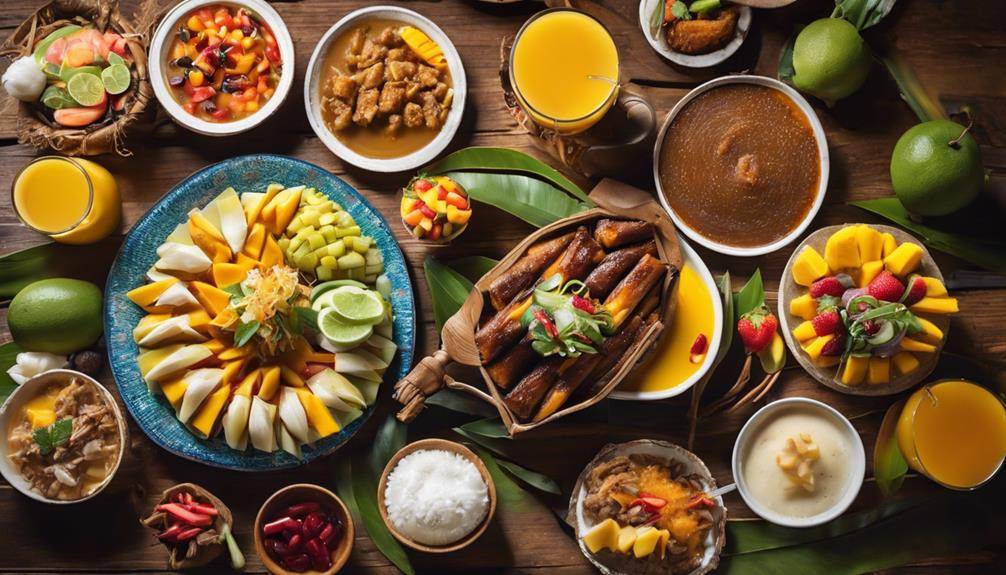
The Flavors Of The Philippines In America; You’re in for a treat as you explore the vibrant flavors of the Philippines in America. Filipino restaurants and food trucks showcase iconic dishes like savory adobo, tangy sinigang, and the delightful halo-halo for dessert. You’ll find innovative fusion dishes that blend traditional recipes with modern techniques, making dining a unique experience. The growing popularity of Filipino cuisine means you can savor authentic tastes across diverse locations, from cozy eateries to bustling food festivals. As you uncover more about this culinary journey, you’ll discover dishes that connect communities and celebrate rich flavors. The adventure doesn’t stop here—there’s much more to explore!
The Rise of Filipino Cuisine
If you’ve noticed more Filipino restaurants popping up in your neighborhood, you’re not alone. This surge reflects a growing appreciation for Filipino cuisine across America. You might find that these establishments are not just serving traditional dishes but are also embracing exciting Filipino food trends that merge local flavors with international influences.
Culinary fusion is a big part of this movement. Chefs are experimenting by blending classic Filipino ingredients with techniques and flavors from other cultures. You could encounter a taco filled with adobo, or a ramen topped with lechon, showcasing the versatility and richness of Filipino fare. These innovative dishes not only attract adventurous eaters but also introduce a new audience to the depth of Filipino flavors.
Moreover, the rise of Filipino cuisine is fueled by a desire for authenticity. Diners are increasingly seeking out restaurants that honor traditional recipes while also offering a modern twist. When you step into these eateries, you’ll likely find a vibrant atmosphere that reflects the warm hospitality characteristic of Filipino culture.
Social media plays a significant role in this culinary renaissance; influencers and food bloggers are shining a spotlight on Filipino food, sharing mouthwatering photos and stories. This visibility encourages more people to explore what Filipino cuisine has to offer. Whether you’re a long-time fan or a newcomer, the rise of Filipino cuisine promises a delightful journey through diverse flavors and culinary creativity.
Iconic Dishes to Try
When you think of Filipino cuisine, there are a few iconic dishes you can’t miss. Adobo’s rich flavors, sinigang’s tangy goodness, and lechon’s crispy perfection are just the beginning of your culinary adventure. Let’s explore these must-try dishes that showcase the heart of the Philippines.
Adobo: A Classic Staple
Adobo has long stood as a beloved emblem of Filipino cuisine, enchanting taste buds with its savory, tangy flavors. This dish, traditionally made with meat, vinegar, soy sauce, garlic, and spices, showcases the perfect blend of salty and sour. One of the best things about adobo is its versatility; you can easily explore adobo variations, from chicken and pork to seafood or even vegetables. Each variation brings a unique twist to this classic dish, making it a staple in many households.
When it comes to cooking techniques, you can choose between simmering or braising, allowing the meat to absorb the rich flavors fully. Some prefer to marinate the meat overnight, enhancing the taste even further. As you prepare your own adobo, don’t hesitate to experiment with different ingredients or levels of sourness.
Whether you enjoy it served with steamed rice or as part of a larger feast, adobo is sure to leave a lasting impression. So, whip up a batch, gather your loved ones, and immerse yourself in a delicious experience that celebrates the heart of Filipino cooking.
Sinigang: Sour Soup Delight
Another iconic dish that embodies the vibrant flavors of Filipino cuisine is sinigang, a sour soup that’s sure to warm your heart. This comforting dish is known for its tangy broth, usually made with tamarind, but you might encounter various sinigang variations using ingredients like green mango or calamansi for a unique twist.
Sinigang’s origins trace back to the Philippines, where it’s been enjoyed for generations. It’s a perfect representation of how Filipino cooking embraces fresh, local ingredients. Depending on where you are in the Philippines, you might find different proteins in your sinigang, from pork and beef to shrimp or fish, each adding its own flavor profile to the dish.
When you plunge into a bowl of sinigang, you’ll appreciate the harmonious balance of sourness and umami, often complemented by vegetables like radish, eggplant, and water spinach. It’s not just a meal; it’s a comforting experience that brings families together. So, when you’re craving something warm and flavorful, don’t hesitate to seek out sinigang; it’s a delightful way to savor the rich culinary heritage of the Philippines right in America.
Lechon: Crispy Roasted Pig
Craving a true taste of Filipino celebrations? You can’t go wrong with lechon, the crispy roasted pig that’s a must-try dish. This iconic centerpiece isn’t just food; it’s a feast that symbolizes joy and togetherness in Filipino culture. The lechon preparation involves marinating the pig with a blend of spices, including garlic, lemongrass, and soy sauce, to infuse incredible flavors.
Once marinated, the pig is slowly roasted over an open flame or in an oven, ensuring that the skin becomes perfectly crispy while the meat remains tender and juicy. It’s a labor of love, often taking hours to achieve that mouthwatering result.
Lechon traditions go beyond just cooking; it’s about sharing with family and friends during special occasions like birthdays, weddings, and fiestas. When you bite into that crispy skin and savor the rich flavor, you’ll understand why it’s a staple in every Filipino gathering.
Adobo: The National Dish
Celebrating the rich flavors of Filipino cuisine, adobo stands out as the country’s beloved national dish. This iconic dish combines marinated meat, often chicken or pork, with vinegar, soy sauce, garlic, and spices. You might be surprised to learn that adobo history stretches back centuries, with roots tracing to the Spanish colonial era. The name “adobo” comes from the Spanish word for “sauce,” but the dish has evolved into something uniquely Filipino, reflecting the country’s diverse culinary landscape.
When you explore adobo variations, you’ll find that each region in the Philippines has its own twist on this staple. Some prefer a sweeter version, using coconut milk or adding sugar, while others may opt for a spicier rendition, incorporating chili peppers. You might even encounter adobo made with seafood, like squid or fish, showcasing the versatility of this dish.
No matter where you are, the comforting aroma of adobo simmering on the stove evokes a sense of home. In America, Filipino restaurants often serve adobo as a highlight of their menus, inviting you to savor its rich, savory flavors. Whether you’re enjoying a traditional recipe or trying an innovative take, adobo remains a symbol of Filipino culture and hospitality. So, if you’re looking to experience the heart of Filipino cuisine, you can’t go wrong with a warm bowl of adobo on your plate.
Savoring Sinigang
When you think of comfort food, sinigang often comes to mind as a quintessential Filipino soup that warms both the heart and soul. This tangy and savory dish, typically made with pork, shrimp, or beef, showcases the incredible flavors of the Philippines. It’s not just a meal; it’s an experience that invites you to savor every spoonful.
Sinigang variations abound, allowing you to customize the dish to your taste. Whether you prefer the classic sinigang na baboy (pork) or want to try sinigang na hipon (shrimp), each version brings its own unique twist. You can even explore sinigang na isda (fish) or the vegetarian option, which uses a medley of vegetables and tofu. The sourness, often derived from tamarind, calamansi, or green mango, is what truly defines sinigang, and you can adjust the sourness to match your palate.
Beyond its delightful taste, sinigang offers numerous health benefits. Packed with vitamins and minerals from fresh vegetables like radish, eggplant, and leafy greens, this soup can boost your immune system and aid digestion. The lean proteins found in the meat or seafood provide essential nutrients that contribute to a balanced diet.
Sweet Delights: Halo-Halo
When you think of Filipino desserts, halo-halo stands out with its vibrant mix of ingredients. Each layer offers a taste of the culture, reflecting the Philippines’ rich culinary heritage. Let’s explore what makes halo-halo so special and its significance in Filipino gatherings.
Ingredients of Halo-Halo
Halo-halo, a vibrant Filipino dessert, showcases a delightful array of ingredients that create a symphony of flavors and textures. At its core, you’ll find a mix of crushed ice and sweetened fruits, like jackfruit, banana, and sweet potato. These components act as a invigorating base that contrasts perfectly with the unique toppings you can choose.
You might also encounter various halo-halo variations, each adding its twist to this classic treat. For instance, some versions include sweetened red beans or creamy leche flan, while others might introduce purple yam (ube) for a striking color and flavor.
To elevate your halo-halo experience, don’t forget to add a scoop of ice cream on top—this is where the magic really happens! You can select flavors like ube, mango, or even coconut, which complement the other ingredients beautifully. Drizzling evaporated milk over your concoction brings everything together, enhancing the sweetness.
With so many flavors and textures to explore, you’re bound to discover your favorite combination that makes each bowl a unique masterpiece! Enjoy customizing your halo-halo and savoring the delightful taste of the Philippines right at home.
Cultural Significance Explained
Sweetness and nostalgia intertwine in halo-halo, making it more than just a dessert; it’s a cultural icon in the Philippines. This delightful treat embodies the essence of Filipino cultural identity and culinary heritage. Each layer tells a story, showcasing historical influences from various regions, reflecting how diverse ingredients came together through migration impacts.
When you indulge in halo-halo, you’re not just savoring flavors; you’re participating in food storytelling that connects generations. Family traditions often revolve around making this dessert, where every scoop brings back memories of summer gatherings and lively celebrations. It fosters community bonding, as friends and family share their unique recipes and variations, highlighting regional pride.
In America, halo-halo serves as a bridge between cultures, allowing Filipinos to share this cherished dessert with others while keeping their roots alive. As you enjoy halo-halo, remember that it represents more than just sweetness; it’s a celebration of heritage, resilience, and connection. So, whether you’re enjoying it at a local restaurant or recreating it at home, you’re part of a rich tapestry that honors the past and embraces the future.
Street Food Culture
Street food culture in the Philippines is a vibrant tapestry of flavors and experiences that’s found its way into American cities. You’ll discover this rich culinary tradition through bustling food markets and lively food stalls, where local vendors serve up beloved snacks that are both delicious and affordable.
As you stroll through these urban dining hotspots, you’ll encounter a delightful array of street food that reflects the Philippines’ rich history and cultural fusion. Whether it’s savory skewers of isaw (grilled chicken intestines) or sweet treats like bibingka (rice cake), each dish tells a story rooted in the country’s culinary traditions.
Eating street food is more than just satisfying your hunger; it’s about embracing the snack culture that thrives in the Philippines. You’ll find families gathering around food stalls, sharing laughter and stories, creating a sense of community that’s hard to replicate.
In America, this street food experience blends seamlessly with local tastes, allowing you to explore unique interpretations of traditional favorites. From pop-up food markets to food trucks, you’ll see how Filipino street food continues to evolve while maintaining its authentic essence.
Regional Variations in Flavors
Exploring the diverse street food scene in America opens the door to the rich regional variations that define Filipino cuisine. Each region of the Philippines boasts distinct regional influences that shape its flavor profiles. For instance, the Visayas region often emphasizes sweet and savory combinations, utilizing local ingredients like sugarcane and seafood in dishes like lechon. In contrast, the dishes from Mindanao reflect a strong Muslim heritage, incorporating spices like turmeric and curry, resulting in unique spice variations that create vibrant and aromatic meals.
You’ll also notice how different cooking methods enhance these culinary traditions. In Luzon, you might find adobo simmered to perfection, while in the Bicol region, dishes are often cooked with coconut milk, adding a creamy texture and richness. These regional nuances allow you to appreciate the depth of Filipino food.
As you explore these flavors, pay attention to food pairings that elevate the experience. A hearty bowl of sinigang, with its sour profile, pairs beautifully with the rich, savory taste of grilled meats from the Ilocos region, showcasing the harmony of flavors across different dishes.
Ultimately, each bite tells a story of cultural heritage, reflecting the diverse influences that have shaped Filipino cuisine over generations. By embracing these regional variations, you can truly taste the essence of the Philippines right in America, savoring the unique flavors that make this cuisine so beloved.
Popular Filipino Ingredients
Filipino cuisine is built on a foundation of vibrant ingredients that capture the essence of the islands. When you immerse yourself in this culinary world, you’ll find staples like rice, soy sauce, and vinegar, each contributing to the rich tapestry of flavors. Rice serves as the backbone of most meals, while soy sauce adds that deep umami flavor that enhances countless dishes.
Don’t overlook the importance of fish sauce, or “patis,” which brings a distinctive saltiness and complexity to many recipes. You might also encounter shrimp paste, known as “bagoong,” which is a beloved condiment that packs a punch of umami.
Vegetables play a significant role in Filipino cooking, too. Ingredients like eggplant, bitter melon, and long green beans are often used in traditional dishes. They balance the rich flavors and provide essential nutrients. And let’s not forget the vibrant fruits, such as mangoes and bananas, which can be enjoyed fresh or incorporated into desserts.
When it comes to cooking techniques, you’ll see methods like grilling, steaming, and braising used to bring out the natural flavors of these ingredients. The art of marinating, especially with vinegar and soy sauce, is vital for infusing umami flavors into proteins like chicken and pork.
Best Filipino Restaurants in America
Across the United States, you’ll find a diverse array of Filipino restaurants that showcase the rich flavors and traditions of the Philippines. These establishments offer unique dining experiences, featuring everything from traditional dishes to innovative Filipino fusion creations. Each restaurant reflects the culinary influences of the Philippines while adding a local twist that keeps diners engaged and coming back for more.
When you step into these restaurants, the restaurant ambiance often sets the stage for your meal. Whether it’s a cozy corner spot or a vibrant eatery buzzing with energy, each place has its own charm. Pay attention to the food presentation; the artistry in how dishes are plated can elevate your dining experience.
Chef highlights are essential, as many chefs share their personal stories and cultural backgrounds through their menus. This connection fosters a sense of community engagement, making you feel part of something bigger. Menu diversity is another key feature, with many restaurants offering seasonal offerings that highlight fresh, local ingredients. This not only supports local farmers but also aligns with current dining trends that prioritize sustainability.
As you explore the best Filipino restaurants, take note of how they balance tradition with innovation. You’ll discover a culinary journey that honors Filipino heritage while embracing modern tastes. Whether you’re a longtime fan or new to the cuisine, these restaurants promise to delight your palate and deepen your appreciation for the flavors of the Philippines.
Food Trucks to Follow
Food trucks have become a vibrant part of the culinary scene, bringing the bold and diverse flavors of the Philippines to the streets of America. You’ll find an exciting array of food trucks that embody the latest food truck trends, showcasing everything from traditional dishes to innovative culinary fusion.
One standout is “The Manila Machine,” known for its mouthwatering lumpia and adobo tacos. This truck perfectly melds Filipino flavors with Mexican staples, offering a unique twist that keeps customers coming back for more. Another must-follow is “Kusina ni Lola,” where you can indulge in classic Filipino favorites like kare-kare and sinigang, but with a modern flair that appeals to a broader audience.
Don’t miss “Boodle Fight,” which takes communal dining to a new level. They serve up a feast on banana leaves, featuring a variety of meats, seafood, and vegetables, all infused with traditional Filipino seasonings. The experience is as much about the food as it is about sharing and celebrating culture.
These food trucks not only serve delicious meals but also create a sense of community, bringing people together to celebrate Filipino culture. As you explore these culinary gems, you’ll discover how they’re redefining traditional dishes and embracing food truck trends. So, be sure to track down these trucks at local events or through their social media pages, and get ready to taste the flavors that make the Philippines so special!
Recipes to Try at Home
There’s something special about bringing the vibrant flavors of the Philippines into your own kitchen. Filipino food is a delightful blend of various influences and regional spices that create unforgettable dishes. To start, why not try your hand at classic adobo? This dish uses simple ingredients and traditional methods, allowing you to explore the essence of Filipino cuisine. You’ll love how the combination of vinegar, soy sauce, garlic, and bay leaves transforms chicken or pork into a savory masterpiece.
For meal prep, consider making lumpia, the Filipino version of spring rolls. These crispy delights can be filled with vegetables, shrimp, or meat, and they’re perfect for sharing. Use your family recipes or experiment with fusion dishes by incorporating local ingredients.
Don’t forget about sinigang, a tangy soup that highlights the wonderful regional spices of the Philippines. Whether you choose pork, shrimp, or a vegetarian option, the sourness from tamarind or other fruits will warm your soul.
If you’re feeling adventurous, try your hand at a modern twist on classic dishes. Mixing traditional cooking techniques with contemporary flavors can lead to exciting new culinary experiences. The beauty of Filipino food lies in its adaptability, so feel free to play around with your favorite ingredients.
Incorporating these recipes into your kitchen not only honors your culinary heritage but also creates lasting memories with family and friends. So roll up your sleeves and savor the delicious journey of cooking Filipino food at home!
Celebrating Filipino Food Festivals
Celebrating Filipino food goes beyond just cooking at home; it’s about embracing the vibrant culture and community that surrounds these delicious dishes. Filipino food festivals are a fantastic way to immerse yourself in the rich food history and culinary techniques that define this remarkable cuisine. At these festivals, you’ll find family recipes passed down through generations, showcasing regional specialties that reflect the diverse flavors of the Philippines.
Festival experiences often include community gatherings where you can taste a variety of traditional dishes, from adobo to lechon. Each bite tells a story of Filipino traditions and cultural heritage, making every meal feel like a celebration. As you stroll through the festival, you might encounter cooking classes led by local chefs, keen to share their knowledge of how to create authentic dishes. These hands-on experiences bring the essence of Filipino cooking right to your fingertips.
Festival highlights typically feature live music, dance performances, and art displays, allowing you to immerse yourself in the full spectrum of Filipino culture. You’ll see how food acts as a bridge between generations, connecting families and friends in joyful celebration. By participating in these festivals, you’re not just tasting food; you’re experiencing a vibrant community that cherishes its roots. So grab your friends and family, and head out to celebrate the rich culinary heritage of the Philippines—you won’t regret it!
Frequently Asked Questions: The Flavors Of The Philippines In America
What Is the History Behind Filipino Cuisine in America?
Filipino cuisine in America evolved through Filipino migration, blending culinary fusion with regional specialties. Historical influences from Spanish, Chinese, and American cultures shaped its development, creating a rich tapestry of flavors that reflects the Filipino experience.
How Can I Learn to Cook Filipino Dishes?
You can learn to cook Filipino dishes by exploring traditional cooking techniques online. Experiment with ingredient substitutions based on what’s available to you, and don’t hesitate to join cooking classes or watch tutorial videos for guidance.
Are There Vegan Options in Filipino Cuisine?
Yes, there are vegan options in Filipino cuisine! You can explore plant-based variations like using tofu or tempeh as vegan substitutes for meat, and enjoy dishes like sinigang or adobo with vegetables and flavorful spices.
What Beverages Pair Well With Filipino Food?
When enjoying Filipino food, you’ll find that traditional drinks like calamansi juice and regional specialties such as mango shakes perfectly complement flavors. They enhance the experience, balancing the savory and spicy elements of the dishes beautifully.
How Has Filipino Cuisine Influenced American Food Culture?
Filipino cuisine’s influence on American food culture’s undeniable. You’ll find fusion dishes blending culinary traditions, like adobo tacos or lumpia spring rolls. This delicious mix showcases the rich flavors and diverse heritage of both cultures.

Conclusion
So, whether you’re dining at a restaurant, grabbing a bite from a food truck, or trying your hand at cooking, Filipino cuisine offers a vibrant array of flavors that’s sure to delight your taste buds. Don’t miss the chance to savor iconic dishes like adobo and halo-halo, or join in on the lively food festivals celebrating this rich culinary heritage. Immerse yourself in the flavors of the Philippines right here in America, and enjoy every delicious moment!
If you enjoyed exploring this topic and want to dive even deeper, be sure to check out some of our other articles here on Infinite Flavors. From rich culinary histories to creative twists on classic recipes, there’s always something new to discover. Whether you’re curious about the origins of a dish, looking for fresh inspiration in the kitchen, or simply love learning about food culture, our collection of posts is the perfect next step on your flavor journey.
Why Are Filipino Desserts And Sweets Famous
Amazing Nutritious Filipino Fare: A Guide To Healthier Options
Great Creative Filipino Fusion Cuisine Ideas: 14 Tips