Why Are Filipino Desserts And Sweets Famous
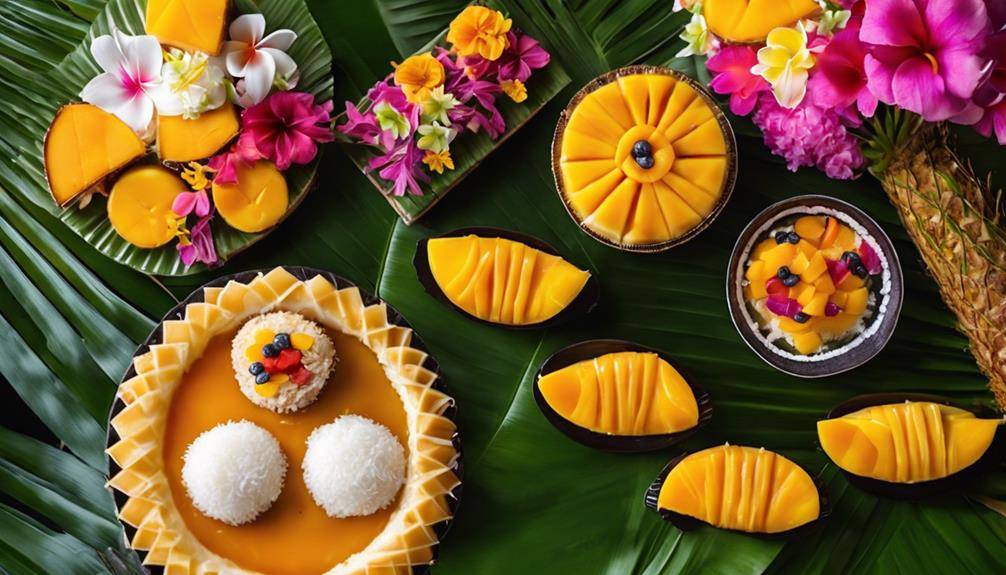
Why Are Filipino Desserts And Sweets Famous; Filipino desserts and sweets are famous because they reflect the country’s rich history and regional diversity. Each treat tells a story, blending indigenous practices with Spanish, American, and other influences, creating unique flavors. You’ll find tropical ingredients like mangoes, bananas, and coconut, making these desserts both invigorating and comforting. They’re essential during celebrations, symbolizing joy and hospitality among family and friends. Plus, social media has helped elevate them on a global stage, drawing attention to their distinctive tastes. If you’re curious about the variety and traditions behind these desserts, there’s so much more to discover!
Cultural Significance of Desserts
When you explore Filipino desserts, you’ll find they’re not just treats but also essential parts of the culture. Each dessert tells a story, reflecting the rich tapestry of the Philippines’ history and diverse regional variations. For instance, you might encounter leche flan in Luzon, a creamy caramel custard that showcases Spanish influence, while in Visayas, you could try bibingka, a rice cake cooked in clay pots, highlighting local ingredients and traditions.
Historical influences play a significant role in shaping these delightful sweets. The Philippines has been a melting pot of cultures, from indigenous practices to colonial legacies. As you sample these desserts, you’ll notice how they’ve evolved, absorbing flavors and techniques from various cultures. For example, the introduction of coconut and rice from indigenous communities became intertwined with Spanish and American elements, resulting in unique desserts that resonate with many.
Regional variations also emphasize the importance of community and local resources. In Mindanao, you might taste puto, a steamed rice cake, often served during celebrations, while in the northern regions, you’ll encounter unique versions of suman, sticky rice wrapped in leaves. These desserts are often tied to festivities and gatherings, symbolizing hospitality and cultural pride.
Unique Ingredients and Flavors
Filipino desserts are distinguished by their unique ingredients and vibrant flavors that reflect the country’s agricultural bounty. You’ll find that one of the most beloved aspects of these desserts is their use of tropical fruits. Mangoes, bananas, and jackfruit are just a few examples that bring a revitalizing sweetness and natural aroma to various treats. When you bite into a slice of mango float or a serving of leche flan, you’re not just tasting sugar; you’re experiencing the essence of the islands.
Another standout ingredient is sweet coconut, which adds a creamy texture and rich flavor that’s hard to resist. You’ll notice it in many classics like bibingka and puto, where grated coconut or coconut milk enhances the overall taste. These ingredients aren’t just there for show; they play a vital role in defining the character of Filipino sweets.
Moreover, the combination of these tropical fruits and sweet coconut often creates a delightful contrast in flavors and textures. For instance, when you enjoy a bowl of halo-halo, the mix of shaved ice, sweetened fruits, and creamy coconut provides a revitalizing escape from the heat. Each spoonful is a celebration of the Philippines’ rich agricultural diversity.
Traditional Preparation Methods
Crafting Filipino desserts is an art form that showcases time-honored techniques passed down through generations. You’ll find that traditional preparation methods often involve specific kitchen techniques that highlight the rich culinary heritage of the Philippines. Whether you’re making leche flan, bibingka, or halo-halo, each dish reflects the unique skills and practices developed over time.
For instance, many desserts utilize the technique of steaming, which is essential for dishes like puto. Steaming not only guarantees a moist texture but also enhances the flavors of the ingredients. You’ll notice that local variations exist across different regions, with each area adding its twist to traditional recipes. For example, in some provinces, they might add specific fruits or nuts that are locally sourced, contributing to the distinct character of the dessert.
Another method you might encounter is the process of caramelization, especially in dishes like turon, where sugar is heated until it forms a syrupy glaze, coating the bananas and enhancing their sweetness. When you engage in making these desserts, you’ll appreciate how these kitchen techniques elevate simple ingredients into delightful treats.
Celebrations and Festivities
Celebrations and festivities in the Philippines are often incomplete without a spread of delightful desserts that reflect the joyous spirit of the occasion. Whether it’s a grand fiesta, a family gathering, or a simple birthday party, you’ll find an array of sweet treats that bring everyone together. Each dessert tells a story, showcasing the vibrant culture and traditions that Filipinos hold dear.
During these celebrations, you can’t miss the iconic leche flan, a creamy caramel custard that’s a staple in many homes. Then there’s the sweet and sticky rice cake called bibingka, often enjoyed during Christmas season festivities. You might also encounter regional variations, like the rich and flavorful puto bumbong from the Tagalog region, which adds a unique twist to the dessert table.
As you savor these treats, you’ll notice how they often spark conversations and laughter among family and friends. Desserts in the Philippines aren’t just about taste; they serve as a bridge to connect generations. For instance, you might find your grandma’s treasured recipe for cassava cake being passed down, allowing you to create new memories while honoring the old.
In every celebration, desserts play a significant role, transforming ordinary moments into extraordinary ones. They encapsulate the essence of Filipino culture, where food symbolizes love, unity, and togetherness. So, the next time you partake in a Filipino festivity, remember that the desserts are just as important as the festivities themselves.
Global Influence and Popularity
The global influence of Filipino desserts is undeniable, as their unique flavors and textures continue to capture the hearts of dessert lovers around the world. You might have noticed how these delightful treats have made their way into various culinary scenes, blending seamlessly with global trends. From the creamy goodness of leche flan to the chewy delight of mochi, Filipino sweets are often embraced in international menus, showcasing their versatility.
Culinary fusion plays a significant role in this phenomenon. You’ll see innovative chefs experimenting with traditional Filipino ingredients, creating unexpected combinations that excite the palate. For instance, you might find ube incorporated into trendy desserts like cupcakes or ice creams, elevating these classic flavors to new heights. This fusion not only highlights the adaptability of Filipino sweets but also introduces them to a broader audience.
Social media has amplified this global popularity, allowing you to discover and share these desserts with just a click. Platforms like Instagram and TikTok showcase mouthwatering images and videos, encouraging food enthusiasts to seek out authentic Filipino desserts or try their hand at making them at home. You may even find local bakeries dedicated to these sweets, further contributing to the culinary landscape.
As Filipino desserts continue to gain recognition, you’ll realize that their influence stretches far beyond borders, making them a cherished part of the global dessert scene. Embrace this delicious trend and indulge in the rich flavors of Filipino sweets.
Frequently Asked Questions: Why Are Filipino Desserts And Sweets Famous
What Are the Most Popular Filipino Desserts Among Locals?
You’ll love the popular Filipino desserts like leche flan and bibingka. Their favorite flavors blend ingredients with cultural significance, making each bite a delicious reminder of cherished traditions and shared moments within the community.
How Do Filipino Desserts Vary by Region?
Filipino desserts vary by region, reflecting local tastes and traditions. You’ll find unique flavors shaped by regional ingredients and cultural influences, creating a delightful array of sweets that showcase the country’s rich culinary diversity.
Are There Vegan Options for Traditional Filipino Sweets?
Yes, you can find vegan options for traditional Filipino sweets! By using ingredient substitutions like coconut milk instead of dairy and plant-based sweeteners, you can create delicious vegan adaptations that retain authentic flavors. Enjoy experimenting!
What Is the History Behind Popular Filipino Desserts?
You’ll discover that popular Filipino desserts reflect cultural significance and dessert evolution, blending indigenous ingredients with influences from Spanish colonization. This rich history showcases the creativity and resilience of Filipino culinary traditions throughout the years.
How Can I Learn to Make Filipino Desserts at Home?
To learn Filipino desserts at home, gather your kitchen essentials and explore dessert techniques online. Watch video tutorials, practice regularly, and don’t hesitate to experiment with flavors—your delicious creations will impress family and friends!

Conclusion
Filipino desserts and sweets aren’t just treats; they’re a celebration of culture and tradition. Their unique flavors and ingredients reflect the rich history and diversity of the Philippines. You’ll find that these delightful creations are often tied to festivities, bringing people together in joyous occasions. Plus, their growing global popularity showcases the charm and appeal of these sweets. So, the next time you indulge in a Filipino dessert, remember you’re savoring a piece of a vibrant culture.
If you enjoyed exploring this topic and want to dive even deeper, be sure to check out some of our other articles here on Infinite Flavors. From rich culinary histories to creative twists on classic recipes, there’s always something new to discover. Whether you’re curious about the origins of a dish, looking for fresh inspiration in the kitchen, or simply love learning about food culture, our collection of posts is the perfect next step on your flavor journey.
The Great Sweet Story Behind Chocolate Pumpkin Muffins
The Great History Of A Fall Favorite Caramel Apple Dip
Best Immersion Blenders For Baking