Amazing Nutritious Filipino Fare: A Guide To Healthier Options
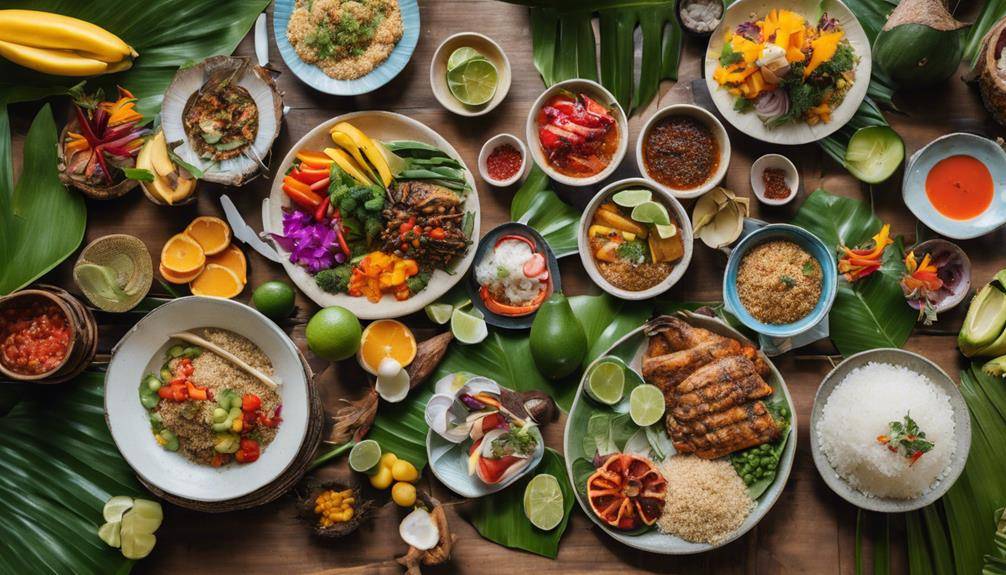
Amazing Nutritious Filipino Fare; You’ll find plenty of nutritious Filipino fare that balances rich flavors with healthy options. Start by opting for whole grains like brown rice or quinoa, and incorporate more vegetables into classic dishes like pinakbet or sinigang. Experiment with healthier cooking methods, like grilling or steaming, to keep added fats low. For classic recipes, lean proteins and lighter sauces can reduce calories without sacrificing taste. Don’t forget to make mindful swaps, too! By choosing fresh ingredients and reducing sodium, you’ll create meals that thrill your taste buds. Explore further to uncover even more delicious ideas to enhance your Filipino dining experience!
Understanding Filipino Cuisine
Exploring Filipino cuisine opens up a vibrant world of flavors and traditions. You’ll quickly discover that the Philippines is a melting pot of regional flavors, each reflecting the diverse culture and history of its islands. From the sweet and savory dishes of Luzon to the spicy and bold tastes of Mindanao, every region has something unique to offer. You might find that each dish tells a story, often rooted in centuries of culinary history influenced by indigenous practices and foreign colonization.
As you dive deeper into Filipino food, you’ll notice how ingredients like rice, seafood, and tropical fruits play a central role. Dishes such as adobo, sinigang, and lechon not only tantalize your taste buds but also showcase the rich agricultural bounty of the country. You can appreciate how cooking techniques and flavor profiles vary from region to region, with each area boasting its own specialties.
Don’t forget to explore the importance of community in Filipino dining culture. Meals are often shared, making food an integral part of gatherings and celebrations. Whether you’re enjoying a humble bowl of lugaw or a festive feast, you’ll feel the warmth of Filipino hospitality.
Healthier Cooking Methods
When cooking Filipino dishes, you can easily adopt healthier methods that enhance flavors without compromising nutrition. One of the best techniques is steaming vegetables. This method preserves essential vitamins and minerals while keeping the veggies tender and vibrant. You can steam a variety of vegetables, like kangkong (water spinach) or sitaw (string beans), and serve them as sides or incorporate them into dishes like pinakbet. Steaming allows the natural flavors to shine through, making them delicious without needing heavy sauces.
Another great option is grilling meats. Instead of frying, which often adds unnecessary calories and fats, grilling lets you achieve that smoky, charred flavor everyone loves while allowing excess fat to drip away. You can marinate meats like chicken or pork in traditional Filipino spices, then grill them for a healthier take on classic dishes like inasal or lechon. The high heat of grilling also caramelizes the natural sugars in the meat, enhancing the taste without needing added sugars or oils.
Additionally, consider using lighter marinades made from soy sauce, calamansi, and herbs to add flavor without extra calories. By making these small changes, you can enjoy the rich, comforting flavors of Filipino cuisine while maintaining a healthier lifestyle. So next time you prepare a meal, try steaming your vegetables and grilling your meats for a nutritious twist on your favorite dishes.
Nutritious Ingredient Swaps
Nutritious ingredient swaps can transform traditional Filipino dishes into healthier options without sacrificing flavor. By making a few simple changes, you can enjoy the rich tastes of Filipino cuisine while boosting the nutritional value of your meals.
Start with rice, a staple in many Filipino dishes. Consider swapping white rice for brown rice or quinoa. These nutrient dense swaps add fiber and essential nutrients that white rice lacks, keeping you fuller for longer. When it comes to cooking oils, switch out vegetable oil for healthier options like olive oil or coconut oil. These wholesome substitutes not only enhance the flavor but also provide healthy fats that can benefit your heart.
For meats, try using lean cuts like chicken breast instead of fatty pork or beef. You can also incorporate more plant-based proteins, such as tofu or legumes, into your meals. This approach not only reduces saturated fat but also adds a variety of nutrients.
When preparing sauces, replace sugary condiments with homemade alternatives. Instead of using store-bought sweet sauces, you can create your own using fresh ingredients like tomatoes and spices, which are both flavorful and nutrient-rich.
Lastly, consider adding more vegetables to your dishes. Whether you’re making adobo or sinigang, loading up on colorful veggies can boost your meals’ vitamins and minerals. With these nutritious ingredient swaps, you can enjoy the essence of Filipino cooking while prioritizing your health.
Lighter Versions of Classic Dishes
You can enjoy your favorite Filipino classics without the extra guilt by trying lighter versions of dishes like adobo and sinigang. Healthier alternatives keep the flavors you love while reducing calories and fat. Let’s explore some delicious, guilt-free twists that make mealtime both satisfying and nutritious.
Healthier Adobo Alternatives
Adobo, a staple in Filipino cuisine, is beloved for its rich flavors and comforting aroma. If you’re looking to enjoy this classic dish with a healthier twist, consider experimenting with lighter adobo alternatives. Start by choosing leaner protein substitutions like chicken breast, turkey, or even tofu. These options still absorb the delicious adobo marinades but with fewer calories and saturated fats.
When preparing your adobo, you can reduce the amount of oil used for sautéing, or opt for healthier oils like olive or coconut oil. Additionally, you might want to cut back on the soy sauce and vinegar, using low-sodium versions to keep the flavor while minimizing sodium intake.
Don’t forget to load your adobo with vegetables! Adding bell peppers, carrots, or eggplant not only enhances the flavor but also boosts the nutritional value. You can even try using a mix of proteins and veggies, creating a colorful and satisfying dish.
Incorporating these healthier adobo alternatives allows you to enjoy the essence of this beloved dish without compromising your health goals. So go ahead, and indulge in the delightful flavors of adobo while keeping it nutritious!
Guilt-Free Sinigang Variations
Savoring a bowl of sinigang doesn’t have to derail your health goals. You can enjoy guilt-free sinigang adaptations that maintain all the rich flavors while cutting down on calories and unhealthy ingredients. Start by choosing lean proteins like shrimp or fish instead of fatty cuts of pork. These alternatives not only reduce fat content but also bring a delightful taste to your dish.
Next, focus on enhancing that signature sourness balance. Instead of relying solely on tamarind, try incorporating fresh calamansi or green mango, which can add a revitalizing twist while keeping the dish light. You can also pack in more vegetables like spinach, radish, and eggplant to boost fiber and nutrients without adding many calories.
Don’t forget to experiment with low-sodium broth to maintain flavor without excessive salt. By making these simple adjustments, you can create a sinigang that’s just as comforting but far healthier. Enjoy your flavorful bowl of sinigang without the guilt, and revel in the satisfaction of making smarter choices that align with your health goals.
Incorporating More Vegetables
To make your meals more nutritious, you can start by adding vegetable-heavy traditional dishes to your menu. Explore local veggie varieties that not only boost flavor but also provide essential nutrients. Plus, experimenting with different cooking methods can help maximize the nutritional benefits of these vegetables.
Vegetable-Heavy Traditional Dishes
Embracing the vibrant flavors of Filipino cuisine often leads you to discover its vegetable-heavy traditional dishes, which are a cornerstone of many regional diets. One of the most beloved dishes is pinakbet, a savory medley of vegetables like eggplant, squash, and bitter melon, all simmered with shrimp paste. You’ll find countless pinakbet variations, tailored to local ingredients and preferences, making it a versatile choice for any meal.
Another delightful option is vegetable adobo. This dish takes the classic adobo method of marinating and slow-cooking but focuses on fresh vegetables instead of meat. You can use a mix of your favorites, such as carrots, green beans, and potatoes, simmering them in vinegar, soy sauce, and spices. The result is a hearty dish bursting with flavor and nutrients.
Incorporating these vegetable-heavy options into your meals not only enhances your diet but also lets you savor the rich culinary heritage of the Philippines. So, next time you’re planning a meal, consider trying these nutritious and delicious recipes that put vegetables at the forefront of your dining experience.
Local Veggie Varieties
The richness of local veggie varieties in the Philippines adds depth to traditional dishes and enhances their nutritional value. You can easily incorporate local greens like malunggay and kangkong into your meals, benefiting from their vibrant flavors and health advantages. Explore unique vegetables that are often overlooked, such as saluyot and ampalaya, which can elevate your cooking and provide essential nutrients.
Seasonal produce is another way to enjoy the best flavors while supporting sustainable sourcing. By choosing veggies that are in season, you not only get fresher ingredients but also reduce your carbon footprint. Consider starting your own urban gardening project to grow your favorite heirloom varieties, making your meals even more special.
Don’t forget the art of traditional foraging; it’s a great way to reconnect with nature and discover regional specialties. Many areas in the Philippines have unique edible plants that can add excitement to your dishes. Embrace these local veggie varieties in your kitchen, and you’ll enrich your diet while celebrating the diverse culinary heritage of the Philippines.
Cooking Methods for Nutrition
Incorporating more vegetables into your meals can greatly boost their nutritional value, and the way you cook them plays an essential role. One of the best methods is steaming. The steaming benefits include preserving vitamins and minerals that often get lost during other cooking processes. Plus, it enhances the natural flavor of your vegetables, making them more appealing.
Another effective technique is grilling. By using grilling techniques, you can add a delicious smoky flavor to your veggies without needing excessive oil or fat. Grilling also helps to caramelize the natural sugars in vegetables, which can make them more palatable, especially for picky eaters.
When grilling, consider marinating your veggies in a mix of herbs and spices to elevate their taste even further. This not only adds flavor but may also provide additional health benefits from the herbs themselves.
Experiment with different vegetables to see which ones you enjoy grilled or steamed. Remember, the goal is to make your meals vibrant and nutritious while keeping them tasty. Embrace these cooking methods, and watch how your vegetable intake transforms your overall health!
Whole Grains and Legumes
Whole grains and legumes are essential staples in Filipino cuisine, offering a wealth of nutrients that boost your health. Incorporating these foods into your diet can provide numerous whole grain benefits, such as increased fiber intake, improved digestion, and better heart health. When you choose whole grains like brown rice, quinoa, or whole grain bread, you’re not just enjoying traditional flavors; you’re also fueling your body with essential vitamins and minerals.
Legumes, including lentils, chickpeas, and black beans, are another nutritious option. They’re rich in protein, making them a great alternative to meat, especially for those looking to reduce their meat consumption. You can easily find delicious legume recipes that highlight these versatile ingredients, such as adobong sitaw with mung beans or a hearty bean stew. These dishes not only taste great but also provide you with sustained energy throughout the day.
You’ll also appreciate that whole grains and legumes are affordable and accessible. They’re commonly available in local markets, allowing you to create nutritious meals without breaking the bank. Plus, their long shelf life means you can keep them on hand for quick and healthy meal options.
Incorporating whole grains and legumes into your meals is a simple way to enhance your diet. They’re not just nutritious; they also add depth and flavor to your favorite Filipino dishes. So go ahead, explore new recipes, and enjoy the benefits of these healthful staples!
Flavorful Low-Calorie Sauces
Adding flavor to your meals doesn’t have to mean loading up on calories. With a few simple, low-calorie sauces, you can enhance your dishes without sacrificing taste. One of the best ways to achieve this is by incorporating umami enhancements. Ingredients like miso paste, soy sauce, or nutritional yeast can provide that savory depth many crave, all while keeping your calorie count in check.
You can also explore the bright flavors that citrus zest brings to the table. A sprinkle of lemon or lime zest can elevate your sauces, adding a burst of freshness that pairs beautifully with grilled meats or steamed vegetables. Mixing citrus juice with a splash of low-sodium soy sauce creates a tangy marinade that won’t weigh you down.
Another great option is a simple salsa made from diced tomatoes, onions, and fresh herbs. By using vinegar or lime juice instead of oil, you’ll keep the calories low while creating a vibrant sauce that complements fish or chicken perfectly.
For a creamy touch, try blending non-fat Greek yogurt with herbs and garlic. This sauce not only adds creaminess but also packs in protein, making it a nutritious choice. Remember, you don’t need heavy sauces to enjoy flavorful meals. By focusing on umami enhancements and citrus zest, you’ll create delicious low-calorie options that keep your taste buds happy and your meals healthy.
Smart Snacking Options
Smart snacking can be a game-changer for maintaining energy and focus throughout your day. By choosing healthier options, you can fuel your body without the crash that often follows sugary or processed snacks. Start by planning your snack preparation. Think about what you’ll want during your workday or while running errands. Having nutritious snacks ready to go can help you avoid the temptation of unhealthy choices.
When it comes to smart snacking, portion control is key. Pre-portion your snacks into small containers or bags to avoid mindless eating. For example, you could prepare a mix of unsalted nuts, seeds, and dried fruits, portioning them out in advance. This not only makes snacking convenient but also helps you manage how much you’re eating.
Consider incorporating traditional Filipino snacks with a twist. You might enjoy sliced mango with a sprinkle of chili powder or steamed sweet potatoes, which are both delicious and satisfying. Pairing them with a source of protein, like a boiled egg or a small serving of yogurt, can keep you fuller for longer.
Tips for Balanced Meals
Creating balanced meals is just as important as making smart snack choices. To achieve this, start by incorporating a variety of food groups in each meal. Aim for a plate that’s half-filled with colorful vegetables and fruits, a quarter with lean proteins like grilled chicken or tofu, and the remaining quarter with whole grains such as brown rice or quinoa. This simple meal portioning strategy guarantees you’re getting a mix of nutrients.
Next, practice mindful eating. Slow down and savor each bite; pay attention to the flavors and textures of your food. This not only enhances your dining experience but also helps you recognize when you’re full, preventing overeating. While you eat, avoid distractions like screens, which can lead to mindless munching.
When preparing your meals, batch cooking can be a great strategy. Prepare larger portions of healthy dishes and store them in the fridge for quick access during the week. This reduces the temptation to opt for less nutritious options when you’re in a hurry.
Lastly, don’t forget to hydrate! Drinking water throughout the day supports your digestion and can help distinguish between hunger and thirst. Following these tips will guide you towards creating balanced meals that nourish your body while keeping your taste buds satisfied. With a little planning and mindfulness, you can enjoy a variety of nutritious Filipino fare that supports a healthy lifestyle.
Frequently Asked Questions: Amazing Nutritious Filipino Fare
What Are the Best Sources of Protein in Filipino Cuisine?
In Filipino cuisine, you’ll find great protein sources like lean meats, various seafood varieties, and dairy options. Don’t forget to explore delicious plant proteins and protein pairings to enhance your meals and nutrition.
How Can I Reduce Sodium in Traditional Filipino Dishes?
To reduce sodium in traditional dishes, try using sodium alternatives like herbs and spices for flavor enhancement. You can also experiment with citrus juices or vinegar, which add zest without the extra salt. Enjoy healthier meals!
Are There Gluten-Free Options in Filipino Cooking?
Yes, you can find gluten-free options in Filipino cooking. Use gluten-free ingredients like quinoa or cassava flour, and explore rice alternatives such as cauliflower rice to create delicious, satisfying dishes without gluten. Enjoy your cooking!
What Health Benefits Do Specific Filipino Herbs and Spices Offer?
Filipino herbs and spices offer numerous health benefits, acting as herbal remedies. Incorporating them into your meals not only enhances flavor but also connects you to rich culinary traditions, promoting wellness through nature’s bounty.
How Can I Meal Prep Filipino Dishes for the Week?
To meal prep Filipino dishes for the week, focus on easy recipe modifications. Batch-cook staples like rice and adobo, then portion them out. Incorporate seasonal veggies for variety and freshness throughout your meals.

Conclusion
By embracing healthier options in Filipino cuisine, you can enjoy the rich flavors while nourishing your body. Focus on cooking methods that preserve nutrients, swap in nutritious ingredients, and experiment with lighter versions of your favorite dishes. Don’t forget to load up on vegetables and whole grains to create balanced meals. With these tips, you’ll not only savor the deliciousness of Filipino fare but also feel great about your choices. Enjoy your culinary journey toward healthier eating!
If you enjoyed exploring this topic and want to dive even deeper, be sure to check out some of our other articles here on Infinite Flavors. From rich culinary histories to creative twists on classic recipes, there’s always something new to discover. Whether you’re curious about the origins of a dish, looking for fresh inspiration in the kitchen, or simply love learning about food culture, our collection of posts is the perfect next step on your flavor journey.
Why Are Filipino Desserts And Sweets Famous
Amazing Easy Cajun Creole Recipes For Beginners