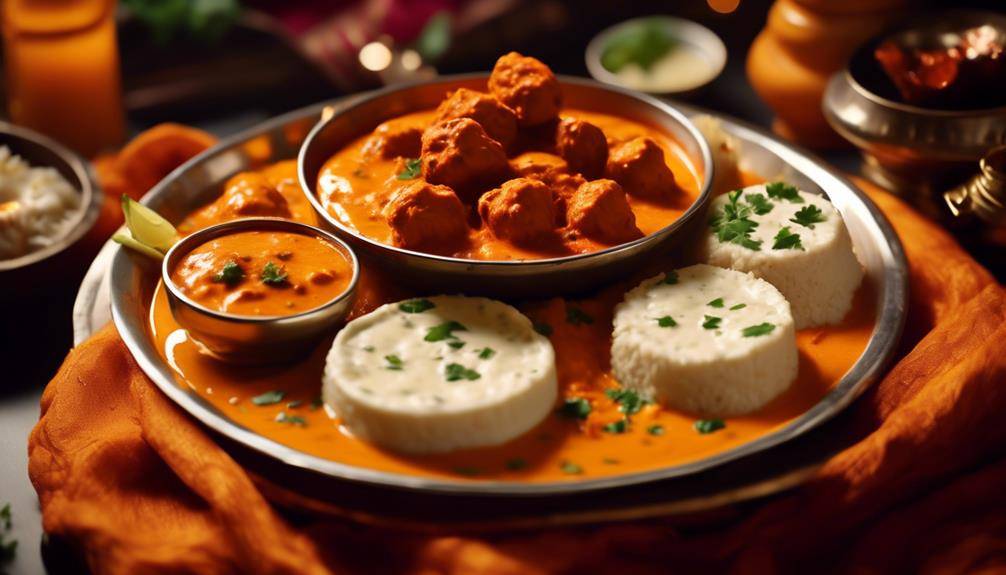
Exciting Lebanese Dishes With A Mediterranean Flare
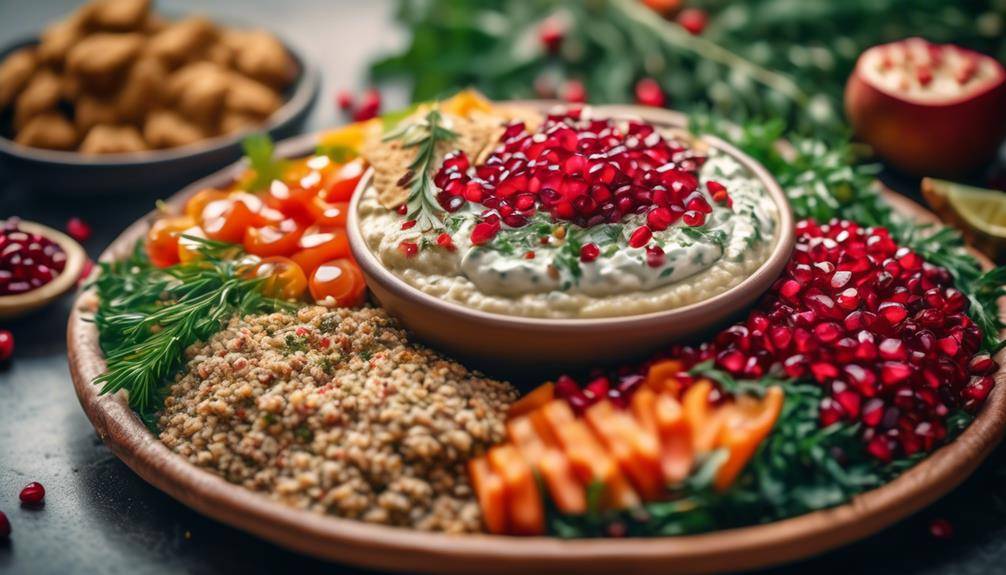
Lebanese Dishes With A Mediterranean Flare; You might be thinking that Lebanese cuisine is already heavily influenced by Mediterranean flavors, so what more could there be to explore? Well, let me tell you, there’s a whole world of Lebanese dishes that beautifully combine traditional Lebanese ingredients and techniques with the vibrant flavors of the Mediterranean.
From the tantalizing array of mezze to the succulent kebabs and shawarma, Lebanese cuisine with a Mediterranean influence offers a delightful fusion of flavors that will transport your taste buds to the sun-drenched shores of the Mediterranean. But that’s just the beginning; there’s so much more to discover. So, come with me on a culinary journey as we explore the diverse and delectable world of Lebanese dishes with a Mediterranean twist.
Traditional Lebanese Mezze
Traditional Lebanese Mezze is a mouthwatering array of small, flavorful dishes that are perfect for sharing and indulging in the vibrant flavors of the Mediterranean. These delectable Lebanese dips and Middle Eastern appetizers are a true delight for the senses.
When you think of Lebanese cuisine, you cannot help but picture a table adorned with a variety of colorful dishes. Mezze is the heart and soul of Lebanese dining, offering a wide selection of small plates that showcase the rich and diverse flavors of the region. From creamy hummus to smoky baba ghanoush, these Lebanese dips are the perfect way to start your culinary adventure.
Imagine dipping a warm piece of pita bread into a velvety pool of hummus. The smooth texture and tangy taste of the chickpeas, combined with the subtle hints of garlic and lemon, create a harmony of flavors that is simply irresistible. And let’s not forget about baba ghanoush, a smoky eggplant dip that will transport your taste buds to the streets of Beirut. The smoky flavor of the grilled eggplant, mixed with tahini, garlic, and lemon juice, creates a dip that is both creamy and refreshing.
But Lebanese Mezze is not just about the dips. It also includes a variety of other mouthwatering appetizers, such as crispy falafel, savory kibbeh, and flavorful stuffed grape leaves. Each bite is a burst of flavor, a combination of spices and herbs that will transport you to the streets of Lebanon.
Grilled Delights: Kebabs and Shawarma
Now that you’ve savored the delightful flavors of traditional Lebanese mezze, it’s time to experience the succulent grilled delights that await you: kebabs and shawarma. Get ready to embark on a mouthwatering journey as we dive into the world of perfectly grilled meats infused with aromatic spices and marinades that will tantalize your taste buds. Here are four things you need to know about kebabs and shawarma in Lebanon:
- Marinades and grilling techniques for kebabs and shawarma: Lebanese cuisine is renowned for its flavorful marinades. The meat is typically marinated for hours, if not overnight, in a mixture of olive oil, lemon juice, garlic, and a variety of spices such as cumin, paprika, and sumac. This marinating process ensures that the meat absorbs all the delicious flavors before it hits the grill. Grilling techniques vary from charcoal to gas grills, and even open flame pits, each adding its own unique smoky touch to the final dish.
- Exploring regional variations of kebabs and shawarma in Lebanon: Just like the diverse landscape of Lebanon, the country boasts a wide range of regional variations when it comes to kebabs and shawarma. In the north, you’ll find the famous shish tawook, succulent chicken skewers marinated in yogurt and spices. The south is known for its lamb kofta kebabs, made with minced lamb, onions, and a blend of aromatic herbs. In Beirut, you can indulge in kafta kebabs, a mixture of ground beef, parsley, and onions, grilled to perfection. No matter where you are in Lebanon, you’re guaranteed to find a kebab or shawarma that suits your taste.
- The art of the vertical spit: Shawarma is a beloved street food in Lebanon, and the key to its deliciousness lies in the technique of roasting meat on a vertical spit. Layers of marinated meat, whether it’s beef, lamb, or chicken, are stacked onto a rotating skewer and slowly cooked, allowing the outer layers to become crispy and caramelized while the inside remains tender and juicy. The result is a flavorful, melt-in-your-mouth experience that will leave you craving more.
- Savoring the perfect bite: When it comes to enjoying kebabs and shawarma, the Lebanese have a secret: it’s all about the perfect bite. Grab a warm, fluffy pita bread, slather it with garlic sauce or tahini, and fill it with slices of grilled meat, fresh vegetables, and a sprinkle of aromatic herbs. The combination of textures and flavors is a true delight for your senses. So, take a bite and let the explosion of tastes transport you to the vibrant streets of Lebanon.
With their irresistible aromas and flavors, kebabs and shawarma are a testament to the culinary prowess of Lebanon. So, whether you’re a meat lover or simply seeking a delectable experience, these grilled delights are not to be missed. Get ready to indulge in the rich heritage and mouthwatering flavors of Lebanese cuisine.
Hearty Stews and Casseroles
Indulge in the rich and comforting flavors of Lebanese cuisine with hearty stews and casseroles that will warm your soul and satisfy your cravings. Lebanese cuisine is known for its diverse range of dishes, and the savory slow-cooked classics and comforting one-pot wonders are no exception.
One of the most popular Lebanese stews is the hearty and aromatic Fasoulia, made with tender beef or lamb, white beans, and a medley of spices. This slow-cooked dish fills the air with a tantalizing aroma as it simmers on the stove, and the flavors meld together to create a truly satisfying meal. Another beloved Lebanese stew is the Bamia, featuring succulent pieces of meat, okra, and tomatoes, cooked to perfection. The rich tomato base and the tender okra create a harmonious combination of flavors that will leave you craving for more.
Lebanese cuisine also boasts a variety of comforting casseroles that are perfect for feeding a crowd or enjoying as leftovers. The Maghmour, also known as Lebanese Moussaka, is a vegetarian casserole made with layers of eggplant, chickpeas, and a tomato-based sauce. This dish is hearty and flavorful, with the eggplant adding a delicious smoky note. Another Lebanese favorite is the Kibbeh Bil Sanieh, a baked casserole made with ground meat, bulgur, and aromatic spices. This dish is a true comfort food, with the outer layer of kibbeh becoming crispy and golden while the inside remains moist and tender.
Lebanese hearty stews and casseroles are the epitome of comfort food, with their slow-cooked flavors and satisfying textures. Whether you’re craving a savory slow-cooked classic or a comforting one-pot wonder, Lebanese cuisine has a variety of options to satisfy your taste buds and warm your soul.
Fresh and Flavorful Salads
As you dive into the vibrant world of Lebanese cuisine, don’t forget to explore the refreshing realm of fresh and flavorful salads. Lebanese salads are a perfect combination of Mediterranean flavors, offering a burst of colors, textures, and tastes. From tangy dressings to the incorporation of Mediterranean ingredients, Lebanese salads are truly a feast for the senses.
Here are four key aspects to know about Lebanese salads:
- Creative salad dressings: Lebanese cuisine is known for its use of vibrant and aromatic herbs. This is reflected in their salad dressings as well. Traditional Lebanese salads often feature dressings made with ingredients like lemon juice, olive oil, garlic, and fresh herbs like parsley and mint. These dressings add a zesty and tangy flavor to the salads, elevating them to new heights.
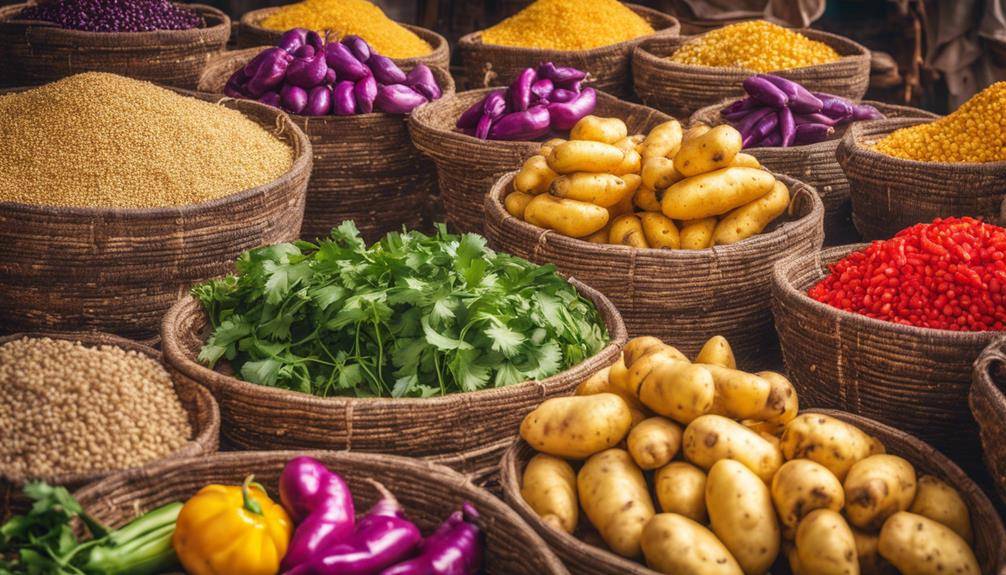
- Incorporating Mediterranean ingredients in salads: Lebanese salads are a delightful mix of fresh vegetables, grains, and legumes. They often include Mediterranean ingredients such as tomatoes, cucumbers, bell peppers, chickpeas, and olives. These ingredients not only contribute to the flavor, but they also add a delightful crunch and vibrant colors to the salads.
- Variety of textures: Lebanese salads are all about diverse textures. You’ll find a combination of crisp vegetables, tender grains, and creamy dressings. The contrast between the different elements creates a harmonious balance, making every bite a delightful experience.
- Health benefits: Lebanese salads are not only delicious but also nutritious. They are packed with vitamins, minerals, and fiber, making them a healthy choice. The incorporation of fresh ingredients and minimal processing ensures that the salads retain their nutritional value.
Aromatic Spices and Seasonings
Enhance your Lebanese dishes with the aromatic spices and seasonings that bring depth and complexity to the Mediterranean flavors. Lebanese cuisine is renowned for its rich and fragrant dishes, and the use of aromatic spices and seasonings is a key element in achieving these vibrant flavors. Not only do these spices and seasonings add a burst of taste to your meals, but they also offer numerous health benefits and hold cultural significance.
One of the most commonly used spices in Lebanese cooking is cinnamon. Its warm and sweet flavor adds a unique touch to both savory and sweet dishes. Cinnamon is not only delicious but also has various health benefits. It can help regulate blood sugar levels and is packed with antioxidants that can reduce inflammation in the body.
Another important spice in Lebanese cuisine is sumac. This tangy and citrusy spice is made from dried and ground sumac berries. It adds a refreshing and slightly sour taste to dishes, making it a perfect complement to grilled meats and salads. Sumac is also known for its high levels of antioxidants, which can boost your immune system and improve digestion.
Za’atar is a popular herb and spice blend in Lebanese cuisine. It consists of dried thyme, sesame seeds, sumac, and other aromatic herbs. Za’atar is often mixed with olive oil and spread on bread or used as a seasoning for roasted vegetables and meats. It not only adds a delightful flavor but also holds cultural significance, as it is considered a symbol of hospitality in Lebanese culture.
Frequently Asked Questions: Lebanese Dishes With A Mediterranean Flare
What Are the Main Ingredients Used in Traditional Lebanese Mezze Dishes?
The main ingredients in traditional Lebanese mezze dishes include fresh vegetables, herbs, spices, and olive oil. These dishes are prepared using traditional cooking methods, such as grilling for kebabs and slow roasting for shawarma, creating a medley of flavors.
How Are Kebabs and Shawarma Traditionally Cooked in Lebanese Cuisine?
To make kebabs and shawarma in Lebanese cuisine, you traditionally grill the meat over an open flame or on a skewer. The meat is marinated with traditional spices like garlic, cumin, and paprika for a flavorful Mediterranean influence.
What Are Some Popular Types of Hearty Stews and Casseroles in Lebanese Cuisine?
In Lebanese cuisine, hearty stews and casseroles are a delight. Bursting with flavors, Lebanese stews are typically made with tender meat, vegetables, and aromatic spices. The casseroles are rich, creamy, and often include layers of meat, vegetables, and cheese.
Can You Provide Some Examples of Fresh and Flavorful Salads Commonly Found in Lebanese Cuisine?
You’ll love the fresh and flavorful salads commonly found in Lebanese cuisine. Lebanese salad recipes are known for their vibrant colors, bold flavors, and use of Mediterranean ingredients like olive oil, lemon juice, and fresh herbs.
Which Aromatic Spices and Seasonings Are Commonly Used in Lebanese Dishes to Enhance Their Flavors?
Aromatic spices and seasonings are essential in Lebanese dishes. They add depth and flavor to traditional recipes, while modern fusion cuisine experiments with new combinations. Moreover, Lebanese spices offer various health benefits, making them a delicious and nutritious choice.

Conclusion
Lebanese cuisine with its Mediterranean influence offers a delightful array of flavors and dishes. From traditional mezze to grilled kebabs and shawarma, this cuisine is bursting with deliciousness. The hearty stews and casseroles are comforting, while the fresh and flavorful salads add a refreshing touch. The aromatic spices and seasonings used in Lebanese cooking enhance the overall experience. So, if you’re looking for a taste of the Mediterranean, Lebanese dishes are sure to satisfy your cravings.