Exploring The Amazing Flavors Of Korean Spicy Cuisine
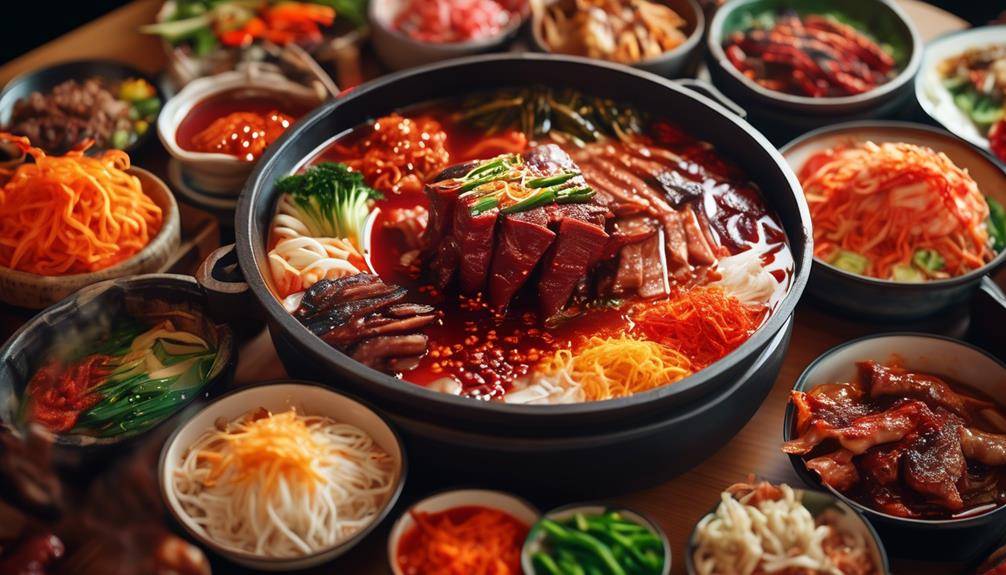
The Amazing Flavors Of Korean Spicy Cuisine; Have you ever wondered why Korean spicy cuisine is so popular and beloved by many? With its fiery flavors and bold spices, it’s hard to resist the allure of this tantalizing cuisine. But what makes Korean spicy dishes so unique and distinct? In this discussion, we will uncover the secrets behind the origins of Korean spicy cuisine, explore the essential ingredients that give these dishes their characteristic heat, and delve into the regional variations that make each dish a culinary adventure. Get ready to embark on a journey where heat meets flavor in the world of Korean spicy cuisine.
The Origins of Korean Spicy Cuisine
Korean spicy cuisine, known for its bold flavors and fiery heat, has a rich history that dates back centuries. The evolution of Korean spicy cuisine is a testament to the cultural significance of spicy Korean dishes. From its humble beginnings to its current status as a global culinary sensation, Korean spicy cuisine has come a long way.
The origins of Korean spicy cuisine can be traced back to ancient times when chilies were introduced to the Korean Peninsula. The use of chilies in cooking quickly caught on, adding a new dimension to Korean cuisine. The fiery heat of the chilies not only added flavor but also acted as a natural preservative, allowing food to be stored for longer periods of time.
As time went on, the use of chilies in Korean cooking became more refined. Different regions of Korea developed their own unique spicy dishes, each with its own distinct flavors and levels of heat. This regional diversity is still evident today, with dishes like kimchi, bibimbap, and bulgogi being enjoyed all over the world.
The cultural significance of spicy Korean dishes cannot be overstated. Spicy food is deeply ingrained in Korean culture and is often associated with communal gatherings and celebrations. It is believed to promote good health, stimulate the senses, and bring people together. Koreans take pride in their spicy cuisine and consider it an essential part of their identity.
The Essential Ingredients for Spicy Korean Dishes
With a combination of bold flavors and fiery heat, spicy Korean dishes are crafted using a unique blend of essential ingredients. Korean cuisine is known for its diverse range of flavors, and spicy dishes are no exception. When exploring different levels of spiciness in Korean cuisine, it is important to understand the essential ingredients that give these dishes their characteristic heat.
One of the key ingredients in spicy Korean dishes is gochugaru, or Korean red pepper flakes. These flakes are made from sun-dried red chili peppers and add a vibrant red color and intense spiciness to the dishes. Gochujang, a fermented chili paste, is another essential ingredient that provides a complex and deep heat to many Korean dishes. It is made from gochugaru, fermented soybeans, rice, and salt, giving it a slightly sweet and savory flavor.
The health benefits of spicy ingredients in Korean cuisine are also worth noting. Studies have shown that capsaicin, the active compound in chili peppers, can help boost metabolism and aid in weight loss. Additionally, capsaicin has anti-inflammatory properties and can help reduce pain and lower blood pressure. Garlic, another common ingredient in spicy Korean dishes, is known for its antimicrobial and antioxidant properties, which can support a healthy immune system.
Popular Spicy Korean Dishes You Must Try
Now that you understand the essential ingredients that give spicy Korean dishes their characteristic heat, it’s time to explore the mouthwatering world of popular dishes that you simply must try. Korean spicy cuisine offers a wide range of flavors, and one of the most intriguing aspects is the fusion of different culinary traditions. From traditional Korean dishes with a spicy twist to dishes that blend Korean flavors with international cuisines, there is something for everyone.
One popular dish that you should not miss is the famous Kimchi Jjigae. This stew combines the heat of Korean red pepper flakes with the tangy and slightly sour taste of kimchi. It is often made with pork or tofu, and it is a hearty and comforting dish that will warm you up on a cold day.
Another must-try dish is Bibimbap, a colorful and flavorful rice bowl that can be customized to suit your taste. It typically consists of rice topped with an assortment of vegetables, meat or tofu, and a spicy gochujang sauce. Mix it all together, and you’ll experience a harmonious blend of textures and flavors.
If you’re looking for a dish that packs a punch, try the fiery Tteokbokki. These chewy rice cakes are cooked in a spicy sauce made with gochujang, soy sauce, and sugar. It’s a popular street food in Korea and is often enjoyed as a snack or light meal.
In addition to their delicious taste, these spicy Korean dishes also offer health benefits. The key ingredient in most spicy Korean dishes, gochujang, contains capsaicin, which has been shown to boost metabolism and reduce appetite. Additionally, the fermented cabbage used in kimchi is rich in probiotics, which promote a healthy gut.
With their bold flavors and health benefits, these popular spicy Korean dishes are a must-try for any food lover. So, venture into the world of Korean spicy cuisine and embark on a culinary adventure that will leave your taste buds satisfied and your body nourished.
Exploring Regional Variations in Korean Spicy Cuisine
One can delve into the diverse world of Korean spicy cuisine by exploring the regional variations that add unique flavors and techniques to this already tantalizing culinary experience. Korea’s regional variations in spicy cuisine are not only a testament to the country’s culinary diversity but also a reflection of its rich cultural heritage. Each region in Korea has its own distinct flavors and ingredients, influenced by factors such as climate, geography, and local traditions.
In the southern regions of Korea, such as Jeolla and Gyeongsang, spicy cuisine is known for its bold and fiery flavors. The dishes here often feature a wide variety of chili peppers, creating a mouth-watering heat that lingers on the taste buds. These regions are also famous for their use of fermented ingredients, such as gochujang (fermented red chili paste) and doenjang (fermented soybean paste), which add depth and complexity to the dishes.
Moving towards the central regions, such as Seoul and Gyeonggi, the spicy cuisine takes on a more balanced and subtle approach. The flavors here are milder compared to the southern regions, emphasizing the harmony between different ingredients. The use of garlic, ginger, and sesame oil is prevalent, adding a fragrant and aromatic touch to the dishes.
In the northeastern regions, such as Gangwon and Hamgyeong, the cuisine is heavily influenced by the colder climate and proximity to the sea. Spicy dishes in these regions often incorporate seafood, such as squid or octopus, along with a variety of vegetables and spices. The combination of fresh seafood and fiery spices creates a unique and satisfying flavor profile.
The regional variations in Korean spicy cuisine not only showcase the diversity of flavors but also highlight the cultural significance of each region. From the bold and fiery flavors of the south to the delicate and balanced tastes of the central regions, exploring these regional variations is a culinary adventure that allows you to truly appreciate the depth and complexity of Korean cuisine.
The Art of Balancing Heat and Flavor in Korean Cooking
As we continue our exploration of Korean spicy cuisine, we now turn our attention to the art of balancing heat and flavor in Korean cooking. Balancing spicy flavors is a crucial aspect of Korean cuisine, as it allows for a harmonious blend of taste sensations that is both enjoyable and satisfying. Traditional spice blends play a vital role in achieving this delicate balance.
Korean cuisine is renowned for its bold and fiery flavors, but it is not just about the heat. The goal is to create a well-rounded dish that excites the taste buds without overwhelming them. This is where the art of balancing comes into play. Korean chefs carefully select and combine various ingredients to achieve the perfect balance of spice, sweetness, saltiness, and sourness.
One of the key techniques in achieving this balance is the use of traditional spice blends. These blends typically consist of a combination of chili peppers, garlic, ginger, and other aromatic ingredients. Each region in Korea has its own unique blend, resulting in a wide variety of flavors across the country. For example, the famous Gochujang, a fermented chili paste, is a staple in Korean cuisine and adds a rich, complex spiciness to dishes.
Another important aspect of balancing heat and flavor is the careful control of the amount of spice used. Korean chefs are skilled at adjusting the level of spiciness to suit individual preferences. By adding just the right amount of spice, they create a dish that is vibrant and bold, yet still enjoyable for those who may have a lower tolerance for heat.
Tips for Tackling the Spiciness of Korean Cuisine
Ready to take on the spiciness of Korean cuisine? Building spice tolerance is key, but it’s also about finding the right balance of flavors. With these tips, you’ll be able to navigate the fiery world of Korean food with confidence and enjoy every bite.
Building Spice Tolerance
If you’re looking to conquer the fiery spiciness of Korean cuisine, there are a few effective strategies to help you build your spice tolerance. One approach is to gradually increase your exposure to spicy foods. Start with milder dishes and gradually work your way up to spicier ones. This allows your taste buds to adjust and become more accustomed to the heat. Another strategy is to incorporate spicy foods into your regular diet. By regularly consuming spicy foods, you can train your taste buds to handle higher levels of heat.
Additionally, it’s important to note the health benefits of spicy food. Studies suggest that spicy foods can boost metabolism, aid digestion, and even provide pain relief. So, while building your spice tolerance, you can also reap the health benefits that come with it.
Balancing Flavors
To fully appreciate and enjoy the spiciness of Korean cuisine, it is essential to understand the art of balancing flavors. Korean cuisine is known for its bold and intense flavors, and finding the perfect balance is key to creating a harmonious and delicious dish. When it comes to seasoning, there are a few tips that can help you navigate the spiciness of Korean cuisine. Firstly, start by understanding the different flavor profiles of the ingredients you are using. Experiment with the combination of sweet, sour, salty, and umami flavors to create a well-rounded dish.
Secondly, use moderation when adding spicy elements. Start with small amounts and gradually increase according to your taste preferences. Lastly, don’t forget to incorporate cooling elements such as pickled vegetables or fresh herbs to balance out the heat. By following these tips, you can confidently tackle the spiciness of Korean cuisine and create a truly flavorful experience.
Frequently Asked Questions: The Amazing Flavors Of Korean Spicy Cuisine
What Are Some Common Substitutions for the Essential Ingredients in Spicy Korean Dishes?
If you want to make Korean dishes less spicy without losing flavor, there are some easy swaps for essential ingredients. Common substitutions include using less spicy peppers or replacing them with milder alternatives like bell peppers or paprika.
How Can I Adjust the Level of Spiciness in Korean Dishes to Suit My Taste?
To adjust the level of spiciness in Korean dishes to suit your taste, you can find the right balance by gradually adding or reducing the amount of spicy ingredients like gochujang or gochugaru. Experiment and taste along the way!
Are There Any Specific Health Benefits Associated With Spicy Korean Cuisine?
Exploring the potential health benefits of spicy Korean cuisine involves investigating the impact of spicy flavors on digestion. You’ll find that Korean spicy dishes, like kimchi, can aid in digestion due to their probiotic properties.
What Are Some Traditional Korean Side Dishes That Complement Spicy Dishes?
Traditional Korean side dishes, such as kimchi, pickled radish, and cucumber salad, are perfect complements to the bold and fiery flavors of Korean cuisine spices. They provide a refreshing and cooling contrast to the spiciness.
Can You Recommend Any Vegetarian or Vegan Options for Spicy Korean Cuisine?
When exploring the flavors of Korean spicy cuisine, you’ll be pleased to know that there are plenty of vegetarian options available. From tofu bibimbap to kimchi jjigae, you can enjoy the spicy goodness without compromising your dietary choices. Vegan alternatives are also readily available, like vegetable bulgogi or spicy tofu stew. So, dig in and savor the fiery flavors!

Conclusion
In conclusion, Korean spicy cuisine offers a rich and diverse range of flavors that are sure to please any spice lover. From the fiery heat of gochujang to the complex balance of flavors in dishes like kimchi jjigae, there is something for everyone to enjoy. Whether you’re a fan of the classics or prefer to explore regional variations, the art of balancing heat and flavor in Korean cooking is truly a culinary delight. So, be brave and dive into the world of Korean spicy cuisine – your taste buds will thank you.