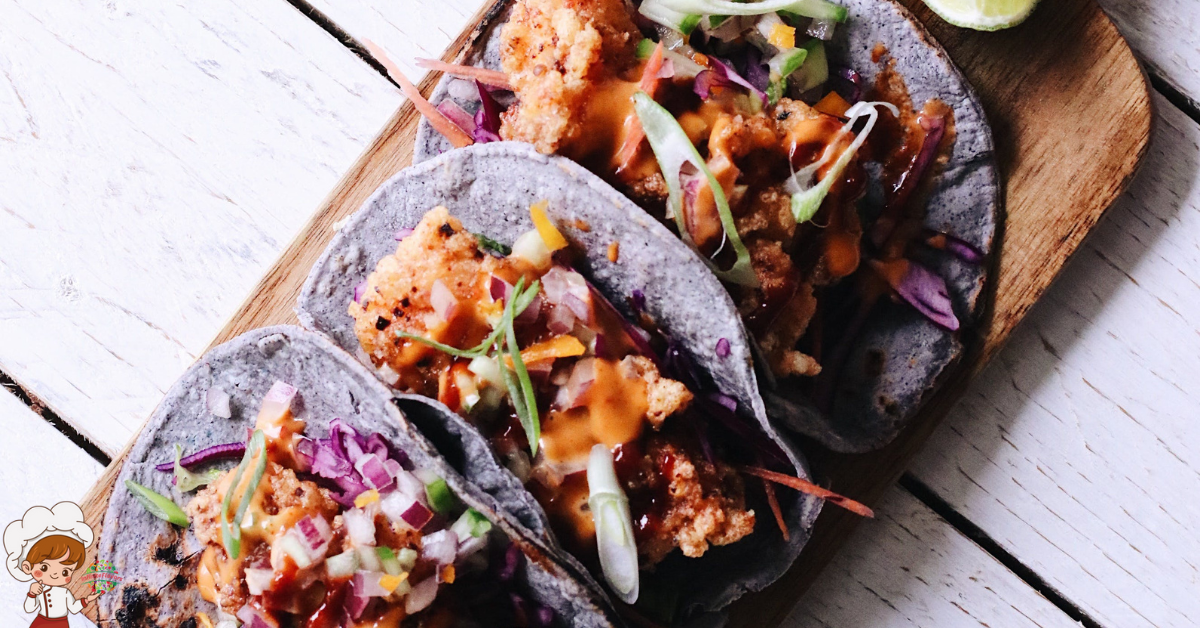
Great Brazilian Soul Food And Comfort Dishes
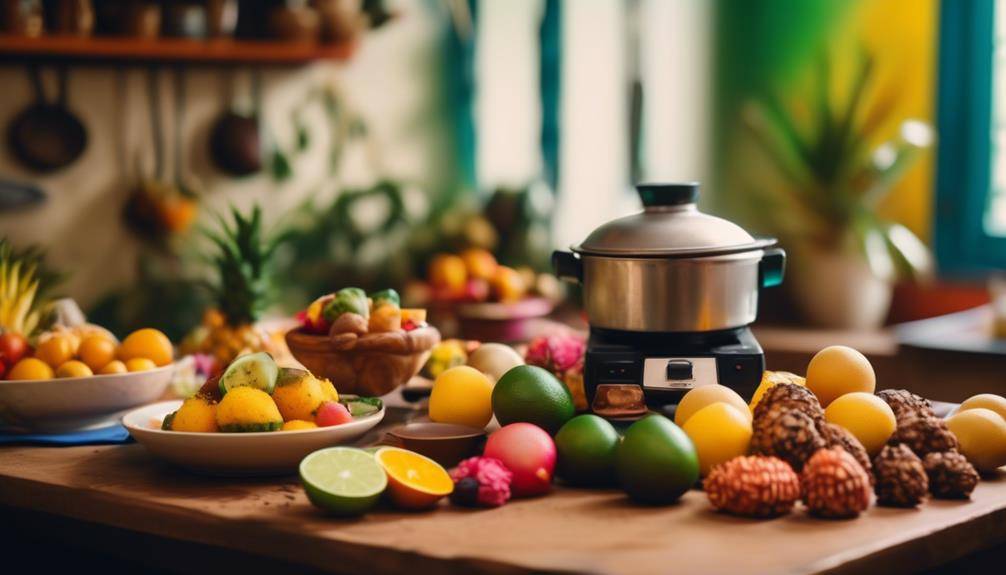
Great Brazilian Soul Food And Comfort Dishes; Searching for scrumptious Brazilian soul food and comforting dishes? Look no further! Get ready to tantalize your taste buds with a variety of delectable delights that will leave you craving for more. From the rich and flavorful Feijoada to the crispy and filling Pastel, Brazilian cuisine offers a culinary adventure that will transport you to the vibrant streets of Brazil. So, brace yourself for a mouthwatering journey through the flavors and aromas of these irresistible dishes, as we uncover the secrets behind these Brazilian culinary treasures. Are you ready to embark on this savory expedition?
We’ve Got Everything You Need to Make Your Masterpiece.
Feijoada: A Rich and Flavorful Black Bean Stew
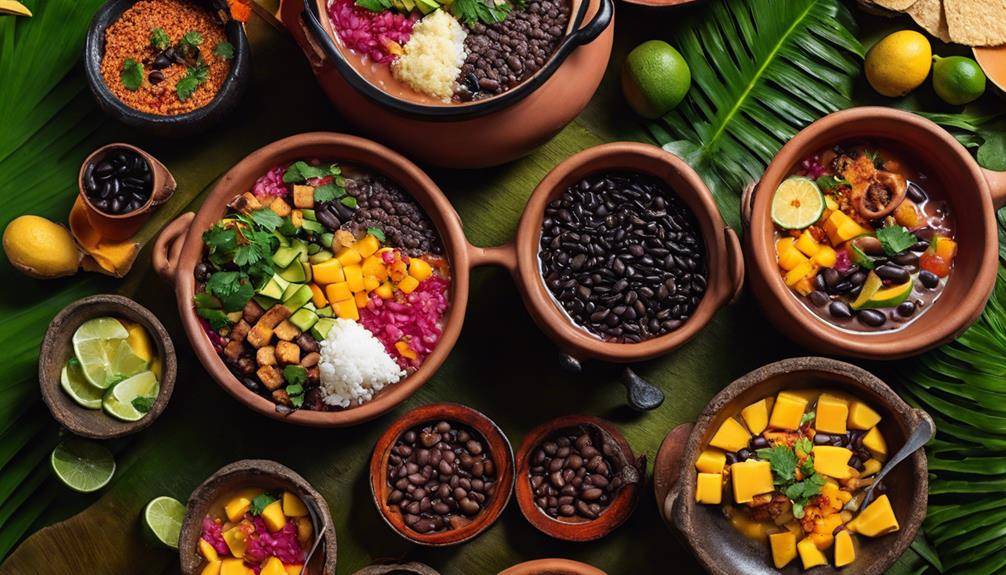
Feijoada, a rich and flavorful black bean stew that will transport you to the vibrant streets of Brazil, is a beloved comfort dish that is sure to satisfy your taste buds. This traditional Brazilian dish has deep cultural significance and comes in various recipe variations.
Feijoada is more than just a meal; it represents the diverse history and cultural fusion of Brazil. The dish originated during the time of slavery when African slaves brought their culinary traditions to the country. Feijoada became a way for them to use the inexpensive ingredients they had available, such as black beans and pork. Over time, it evolved into a symbol of resistance and celebration of Afro-Brazilian culture.
The basic ingredients of feijoada include black beans, various cuts of pork, and seasonings like garlic, onions, and bay leaves. However, the recipe can be adapted to suit individual tastes and regional preferences. Some variations include adding beef, sausage, or smoked meats to enhance the flavor. Different regions of Brazil also incorporate their own ingredients, such as vegetables, spices, or even seafood.
Feijoada is traditionally served with white rice, collard greens, farofa (toasted cassava flour), and orange slices. The combination of flavors and textures creates a harmonious and satisfying meal. It is often enjoyed on special occasions, family gatherings, and during Carnaval, the famous Brazilian festival.
Coxinha: Deliciously Deep-Fried Chicken Croquettes
As you continue your culinary journey through Brazilian soul food and comfort dishes, prepare to indulge in the mouthwatering delight of coxinha: deliciously deep-fried chicken croquettes. Coxinha is a beloved Brazilian snack that is sure to satisfy your cravings for a savory and crispy treat.
In Brazilian cuisine, coxinha is made using traditional cooking techniques that have been passed down through generations. The process begins with cooked and shredded chicken, which is then mixed with a flavorful combination of onions, garlic, and spices. The mixture is shaped into small, teardrop-shaped croquettes, resembling a chicken leg, hence the name “coxinha,” which translates to “little thigh” in Portuguese.
Once the croquettes are formed, they are coated in a thin layer of batter and then deep-fried until golden brown and crispy. The result is a crunchy exterior that gives way to a moist and flavorful filling. The contrast in textures makes coxinha an irresistible treat for any occasion.
While coxinha can be enjoyed on its own, it is often served with popular accompaniments such as hot sauce or a tangy tomato dip. These condiments add an extra kick of flavor to the already delicious croquettes, enhancing the overall experience.
Whether you’re enjoying a casual gathering with friends or simply looking for a tasty snack, coxinha is a must-try dish. Its combination of crispy exterior and succulent filling is sure to leave you wanting more. So go ahead, take a bite, and savor the deliciousness of Brazilian soul food at its finest.
Acarajé: A Tasty Street Food Delight
Indulge in the delectable flavors of Acarajé, a mouthwatering street food delight from Brazil. This traditional dish holds great cultural significance and is prepared using traditional methods that have been passed down through generations. Here are four reasons why you should try Acarajé:
- Authentic preparation: Acarajé is made from black-eyed pea dough that is shaped into small balls and deep-fried until golden brown. The crispy exterior contrasts perfectly with the soft and fluffy interior, creating a delightful texture that is hard to resist.
- Delicious fillings: After frying, the Acarajé is split open and filled with a variety of mouthwatering ingredients. The most common filling is vatapá, a creamy mixture made from shrimp, coconut milk, peanuts, and spices. Other popular fillings include caruru (a paste made from okra, shrimp, and spices) and salad, made with tomatoes, onions, and cilantro.
- Cultural significance: Acarajé originated from the Afro-Brazilian cuisine of Bahia, a state known for its rich cultural heritage. It is often associated with the religious practice of Candomblé and is considered a symbol of African identity in Brazil. In fact, Acarajé vendors can be found near Candomblé temples, where they serve this delicious treat to both locals and tourists.
- Street food experience: Acarajé is commonly sold by street vendors in Brazil, adding to its charm and appeal. The lively atmosphere, bustling streets, and tantalizing aromas make the experience of eating Acarajé even more enjoyable. Don’t miss the chance to savor this tasty street food delight and immerse yourself in the vibrant culinary culture of Brazil.
Moqueca: A Fragrant Seafood Stew
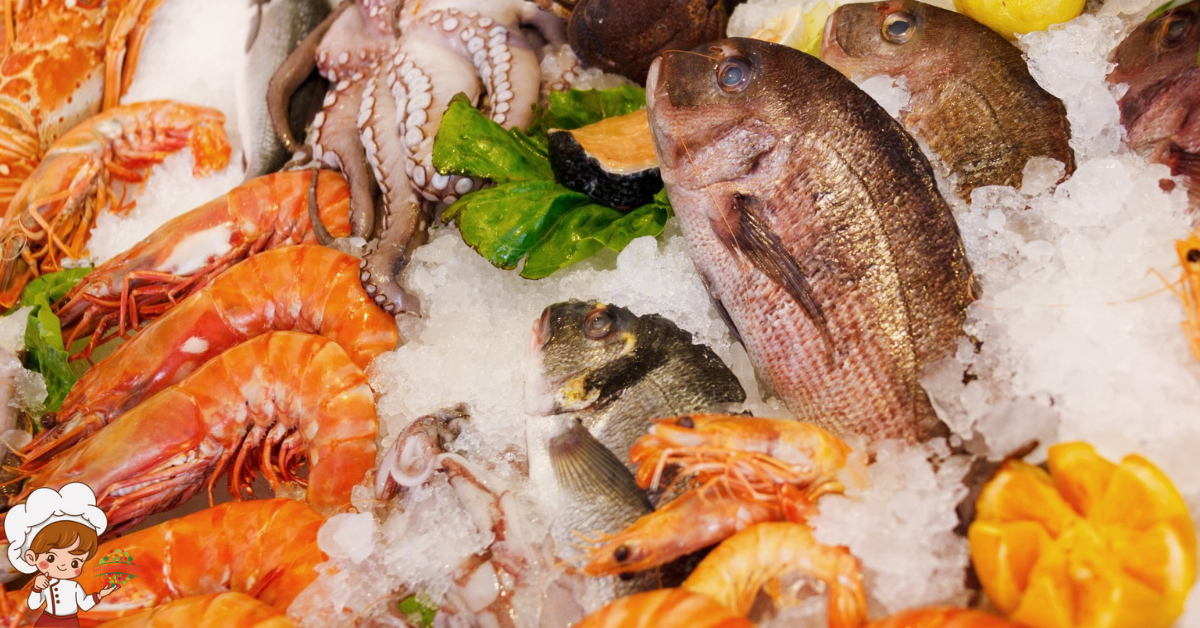
Ever wondered what makes Moqueca, a Brazilian seafood stew, so fragrant and flavorful? Let’s explore the traditional recipe variations, key ingredients, and the delightful flavors that make this dish a true comfort food. From the rich blend of spices to the freshness of the seafood, Moqueca embodies the soul of Brazilian cuisine and is sure to transport your taste buds to the sunny beaches of Brazil. So, grab a spoon and get ready to savor the aromatic delights of Moqueca!
Traditional Recipe Variations
To experience the rich flavors of Brazil, explore the various traditional recipe variations of Moqueca, a fragrant seafood stew. This beloved dish is a perfect example of Brazil’s culinary diversity, combining traditional cooking techniques with unique regional influences. Here are four variations of Moqueca that showcase the incredible range of flavors found in Brazilian cuisine:
- Moqueca Capixaba: Hailing from the state of Espirito Santo, this version features fish, tomatoes, onions, garlic, coriander, and urucum, a red spice that gives it a distinct color and flavor.
- Moqueca Baiana: Originating from Bahia, this rendition adds coconut milk, dende oil, and palm oil to the mix, creating a rich and creamy stew with a hint of African influence.
- Moqueca de Camarão: This shrimp-based variation is popular all over Brazil and often includes bell peppers, tomatoes, and cilantro, adding a vibrant and fresh taste to the dish.
- Moqueca de Peixe e Marisco: Combining fish and shellfish, this version showcases the abundance of seafood found along Brazil’s coastline, resulting in a medley of flavors that will transport you to the beach.
Whether you prefer a lighter or creamier version, a shrimp-based stew or a combination of fish and shellfish, these traditional recipe variations of Moqueca offer a glimpse into the rich culinary heritage of Brazil. Dive into the world of Brazilian cuisine and savor the unique flavors that each region brings to this beloved dish.
Key Ingredients and Flavors
Moqueca, a fragrant seafood stew, is a delicious and aromatic dish that captures the essence of Brazilian cuisine with its unique blend of key ingredients and flavors. This traditional Brazilian dish is cooked using traditional methods that have been passed down through generations. The dish is typically made with fish, such as cod or snapper, along with onions, tomatoes, garlic, and bell peppers.
The flavors of Moqueca are further enhanced with the addition of coconut milk, lime juice, and cilantro, giving it a rich and tangy taste. The use of these ingredients reflects the cultural influences on Brazilian cuisine, such as the African and Portuguese influences. The dish is usually served with white rice and farofa, a toasted cassava flour mixture, adding texture and depth to the meal. Moqueca is a true representation of the diverse and vibrant flavors found in Brazilian cooking.
Pão De Queijo: Cheesy and Chewy Brazilian Cheese Bread
Get ready to sink your teeth into the delightful world of Pão De Queijo, the cheesy and chewy Brazilian cheese bread that will leave you craving for more. Discover the origins of this traditional recipe, the key ingredients that give it its unique flavor, and the various variations that exist across different regions of Brazil. Along the way, pick up some baking tips and tricks to ensure that your homemade Pão De Queijo turns out perfectly cheesy and irresistibly chewy every single time.
Traditional Recipe Origins
Pão De Queijo, the beloved Brazilian cheese bread, has a rich and fascinating history that adds to its irresistible charm. Here are four key points about the traditional recipe origins and its cultural significance:
- Indigenous Roots: Pão De Queijo traces its origins back to the indigenous Tupi-Guarani people of Brazil, who used cassava root (also known as manioc) as a staple in their diet.
- Portuguese Influence: The arrival of Portuguese colonizers in the 16th century led to the introduction of cheese to Brazil, which eventually fused with the indigenous cassava-based bread recipe, giving birth to Pão De Queijo.
- Traditional Recipe Preservation: Throughout generations, Brazilian families have passed down their Pão De Queijo recipes, preserving the traditional preparation methods and ensuring its authentic taste.
- Cultural Significance: Pão De Queijo has become an iconic symbol of Brazilian cuisine, representing the country’s diverse culinary heritage. It is enjoyed as a snack, breakfast item, or accompaniment to meals, and has gained popularity worldwide for its unique taste and texture.
Ingredients and Variations
To create the mouthwatering and versatile Brazilian cheese bread known as Pão De Queijo, you’ll need a few key ingredients and have the option to explore different variations. The traditional recipe calls for tapioca flour, which gives the bread its signature chewy texture. Other essential ingredients include milk, eggs, cheese (usually a combination of parmesan and mozzarella), and salt. These simple yet flavorful ingredients come together to create a delightful treat that is loved by many.
However, there are also recipe adaptations that offer a unique twist to this classic dish. Some variations include adding herbs like rosemary or thyme, or even incorporating different types of cheese for a more complex flavor profile. Pão De Queijo holds cultural significance in Brazil, as it is often enjoyed as a breakfast or snack, and is a staple at social gatherings and celebrations.
Baking Tips and Tricks
When it comes to baking Pão De Queijo, there are a few tips and tricks that can help you achieve the perfect cheesy and chewy Brazilian cheese bread. Here are some baking techniques and flavor combinations that you can try:
- Use tapioca flour: This gluten-free flour is the key ingredient in Pão De Queijo. It gives the bread its unique chewy texture.
- Mix the dough well: Make sure to mix the dough until it becomes smooth and elastic. This will help the bread rise properly and create a light and fluffy texture.
- Experiment with cheeses: While traditional Pão De Queijo is made with Parmesan cheese, you can try using other types of cheese like cheddar or mozzarella for different flavors.
- Add herbs and spices: To enhance the flavor of your Brazilian cheese bread, you can add herbs like parsley or spices like paprika to the dough.
Brigadeiro: Decadent Chocolate Truffles
Indulge in the rich and velvety delight of Brigadeiro, the decadent Brazilian chocolate truffles that will transport your taste buds to pure dessert bliss. Brigadeiro is a beloved treat in Brazil, with a history and cultural significance that adds to its allure. These bite-sized delights have been enjoyed for generations, evolving from a traditional recipe to modern variations that cater to different tastes.
The history of Brigadeiro dates back to the 1940s when it was created in Brazil. It was traditionally made by simmering condensed milk, cocoa powder, butter, and chocolate sprinkles until it thickened into a fudgy consistency. This mixture was then rolled into small balls and coated with more chocolate sprinkles. Brigadeiro quickly gained popularity and became a staple at birthday parties and celebrations throughout the country.
Over time, Brigadeiro has evolved, and modern variations have emerged. While the traditional recipe remains a favorite, there are now countless variations to suit different preferences. Some people add nuts, coconut flakes, or even liqueurs to the mixture, creating a unique twist on the classic truffle. Others experiment with different types of chocolate or sprinkle toppings, adding layers of flavor and texture to the already decadent treat.
The cultural significance of Brigadeiro goes beyond its delicious taste. It is a symbol of joy and celebration in Brazilian culture, often associated with childhood memories and happy moments. In fact, Brigadeiro is so deeply ingrained in Brazilian culture that it was even named after a Brigadier, a high-ranking military officer. The sweet treat represents unity, friendship, and the joy of indulging in life’s little pleasures.
We’ve Got Everything You Need to Make Your Masterpiece.
Bobó De Camarão: Creamy Shrimp and Yuca Stew
Get ready to savor the rich flavors of Bobó De Camarão, a creamy shrimp and yuca stew that will transport your taste buds to the vibrant streets of Brazil. Made with a combination of succulent shrimp, velvety yuca, and a medley of aromatic spices, this dish is a true delight. Whether you prefer it mild or spicy, with a touch of coconut milk or tomato sauce, Bobó De Camarão offers endless variations to satisfy your cravings.
Ingredients and Preparation
To create the delicious and comforting Bobó De Camarão, a creamy shrimp and yuca stew, gather the essential ingredients and follow a simple yet flavorful preparation process. Here’s how you can make this traditional Brazilian dish:
- Ingredients:
- 1 pound of shrimp, peeled and deveined
- 2 cups of yuca root, peeled and diced
- 1 onion, finely chopped
- 3 cloves of garlic, minced
- 2 tomatoes, diced
- 1 red bell pepper, diced
- 1 can of coconut milk
- 2 tablespoons of dendê oil (palm oil)
- Fresh cilantro, chopped (for garnish)
- Salt and pepper to taste
- Preparation:
- In a large pot, cook the yuca in salted water until tender.
- In a separate pan, sauté the onion, garlic, tomatoes, and bell pepper until softened.
- Add the shrimp and cook until they turn pink.
- Mash the yuca with a fork or blender until smooth, then add it to the pan.
- Stir in the coconut milk and dendê oil, and simmer for about 10 minutes.
- Season with salt and pepper.
- Serve hot, garnished with fresh cilantro.
Enjoy this comforting Bobó De Camarão that not only showcases traditional cooking techniques but also holds cultural significance in Brazilian cuisine.
Flavor Profile and Variations
Once you’ve mastered the ingredients and preparation of Bobó De Camarão, it’s time to explore the delightful flavor profile and various ways to customize this creamy shrimp and yuca stew. Bobó De Camarão is known for its rich, velvety texture and complex flavor combinations. The creamy base, made from yuca and coconut milk, provides a smooth and comforting backdrop for the succulent shrimp.
The dish is typically seasoned with garlic, onions, and a medley of spices such as paprika and cilantro, which add depth and aromatic notes. Additionally, the stew can be customized to your taste by adding ingredients like bell peppers, tomatoes, or even a hint of chili for a spicy kick. Bobó De Camarão is not only a delicious dish, but it also holds cultural significance in Brazil, representing the fusion of African, Portuguese, and Indigenous influences in Brazilian cuisine.
Pastel: Crispy and Filling Savory Pastries
With its crispy exterior and delectable fillings, pastel is an irresistible Brazilian soul food that will leave you craving for more. These savory pastries are a popular street food in Brazil, loved by locals and tourists alike. Here are four reasons why pastel is a must-try dish:
- Pastel Variations: One of the best things about pastel is the wide range of fillings you can choose from. Whether you’re a meat lover, a vegetarian, or a seafood enthusiast, there’s a pastel filling that will satisfy your taste buds. Some popular variations include carne (beef), queijo (cheese), frango (chicken), and camarão (shrimp). Each filling is carefully prepared and seasoned to perfection, ensuring a burst of flavor in every bite.
- Crispy Texture: The secret to a good pastel lies in its crispy exterior. The dough is made with a combination of flour, water, and a pinch of salt, then rolled out thinly and filled with your choice of filling. It is then folded and sealed before being deep-fried until golden brown and crispy. The result is a perfectly crispy shell that gives way to a rich and flavorful filling.
- Traditional Pastel Fillings: While there are endless possibilities for pastel fillings, there are a few traditional combinations that are loved by Brazilians. One classic combination is carne com queijo (beef with cheese), where tender beef is combined with melted cheese for a hearty and satisfying filling. Another popular option is calabresa com queijo (sausage with cheese), which offers a savory and slightly spicy flavor. These traditional fillings have stood the test of time and continue to be a favorite among pastel enthusiasts.
- Versatility: Pastel can be enjoyed at any time of the day. It makes for a quick and satisfying snack on the go, or it can be served as a main course for lunch or dinner. Pair it with a refreshing caipirinha, a traditional Brazilian cocktail, and you have a perfect meal that showcases the vibrant flavors of Brazil.
Next time you find yourself in Brazil, make sure to indulge in the crispy and filling delight that is pastel. It’s a soulful Brazilian dish that will undoubtedly leave you wanting more.
Vatapá: a Spicy and Creamy Dish From Bahia
Indulge your taste buds in the spicy and creamy delight of Vatapá, a delectable dish hailing from Bahia, Brazil. Vatapá is a traditional Brazilian dish that is deeply rooted in the Afro-Brazilian culture of Bahia. This flavorful dish is made with a combination of ingredients such as shrimp, bread, coconut milk, palm oil, and various spices.
Vatapá is prepared using traditional cooking techniques that have been passed down through generations. The dish begins with the preparation of a thick, spicy paste made from ground shrimp, bread crumbs, and spices. This paste is then mixed with coconut milk and palm oil to create a rich and creamy consistency. The mixture is then cooked slowly over low heat, allowing the flavors to meld together and develop a depth of taste.
The cultural significance of Vatapá cannot be overstated. It is often served during special occasions and celebrations, such as weddings and religious festivals. It is a dish that brings people together, symbolizing unity and community. In Bahia, Vatapá is considered a soulful comfort food, representing the region’s vibrant history and diverse culinary heritage.
When you take a bite of Vatapá, you are greeted with a burst of flavors. The spiciness of the dish is balanced by the creaminess of the coconut milk, creating a harmonious blend of tastes. The shrimp adds a touch of seafood richness, while the palm oil infuses the dish with a distinct earthy flavor. Each mouthful is a journey through the vibrant and complex flavors of Bahia.
Quindim: Sweet and Moist Coconut Custard
What makes Quindim the perfect sweet and moist coconut custard?
- Quindim is a traditional Brazilian dessert that combines the richness of coconut with the sweetness of caramelized sugar. It is a simple yet indulgent treat that is loved by locals and visitors alike.
- The secret to quindim’s irresistibly moist texture lies in its preparation. The traditional quindim recipe calls for a mixture of egg yolks, sugar, coconut milk, and butter. These ingredients are carefully combined and then baked in a water bath, allowing the custard to cook slowly and retain its moisture.
- The use of coconut in quindim adds a tropical twist to the dessert. The creamy coconut milk provides a luscious base, while shredded coconut adds texture and flavor. The result is a dessert that is both comforting and refreshing.
- Quindim variations can also incorporate other ingredients to enhance its taste. Some recipes include a touch of citrus zest to add a burst of freshness, while others incorporate a hint of rum or vanilla extract for added depth of flavor. These variations allow for creativity and customization, making quindim a versatile dessert that can be enjoyed in different ways.
Picanha: Juicy and Flavorful Brazilian Grilled Steak
Sink your teeth into the juicy and flavorful Brazilian grilled steak known as Picanha. When it comes to grilling techniques, Picanha is often cooked using the indirect grilling method. This involves placing the meat away from the direct heat source, allowing it to cook slowly and evenly. The result is a tender and succulent steak that is bursting with flavor.
The key to achieving the best cuts of meat for grilling Picanha lies in selecting the right type of beef. The most popular choice is the top sirloin cap, also known as the rump cover or coulotte. This cut is prized for its marbling and tenderness, making it perfect for grilling. Other cuts that can be used include the tri-tip or the bottom sirloin flap, although they may not be as widely available.
To prepare the Picanha for grilling, it is important to trim off any excess fat and silver skin. This will help prevent flare-ups and ensure even cooking. Many Brazilians prefer to leave a thin layer of fat on the steak, as it adds flavor and helps to keep the meat moist during grilling.
Before grilling, season the Picanha generously with coarse salt. This will create a delicious crust on the outside of the steak. Some people also like to add additional spices or herbs to enhance the flavor.
Once the grill is hot, place the Picanha fat side down on the grill grates. Cook it for a few minutes on each side, until it reaches your desired level of doneness. Remember to let the steak rest for a few minutes before slicing, allowing the juices to redistribute and ensuring a moist and tender bite.
Whether you’re a seasoned grilling pro or a novice, Picanha is a must-try dish for any meat lover. Its juicy and flavorful nature, combined with the right grilling techniques and choice cuts of meat, make it a true Brazilian delight. So fire up the grill and get ready to enjoy this mouthwatering Brazilian grilled steak.
We’ve Got Everything You Need to Make Your Masterpiece.
Frequently Asked Questions: Great Brazilian Soul Food And Comfort Dishes
Is Feijoada a Vegetarian Dish?
Feijoada is not a vegan dish as it traditionally contains meat and animal products. However, you can make a vegetarian version by using plant-based protein substitutes like tofu or tempeh.
What Is the Traditional Filling of Coxinha?
The traditional filling of coxinha is shredded chicken. However, there are variations of coxinha fillings, such as cream cheese, beef, or even vegetarian options like hearts of palm.
How Is Acarajé Typically Served?
In Brazil, acarajé is typically served as a deep-fried ball made from black-eyed pea dough. It can have various fillings, such as shrimp, vatapá, caruru, and salad. Street vendors and restaurants may differ in preparation and presentation.
What Types of Seafood Are Commonly Used in Moqueca?
Common seafood used in moqueca include shrimp, fish, and squid. The dish is traditionally flavored with spices like garlic, onion, bell peppers, and cilantro. To make a vegetarian version, you can substitute the seafood with vegetables like bell peppers, eggplant, and mushrooms.
Are Pão De Queijo Gluten-Free?
Are there any alternative gluten-free options for pão de queijo? Yes, you can try tapioca flour or cassava flour as substitutes. As for popular gluten-free Brazilian comfort dishes, you might enjoy feijoada, acarajé, or coxinha de frango.

Conclusion
In conclusion, Brazilian soul food and comfort dishes offer a tantalizing array of flavors and textures that are sure to satisfy any craving. From the rich and flavorful Feijoada to the crispy and filling Pastel, each dish is a culinary delight. Whether you’re a fan of seafood or prefer indulging in cheesy bread, Brazilian cuisine has something for everyone. So why not venture into the world of Brazilian gastronomy and experience the vibrant and delicious offerings for yourself?