The History and Origin of Easy Oatmeal Cookies
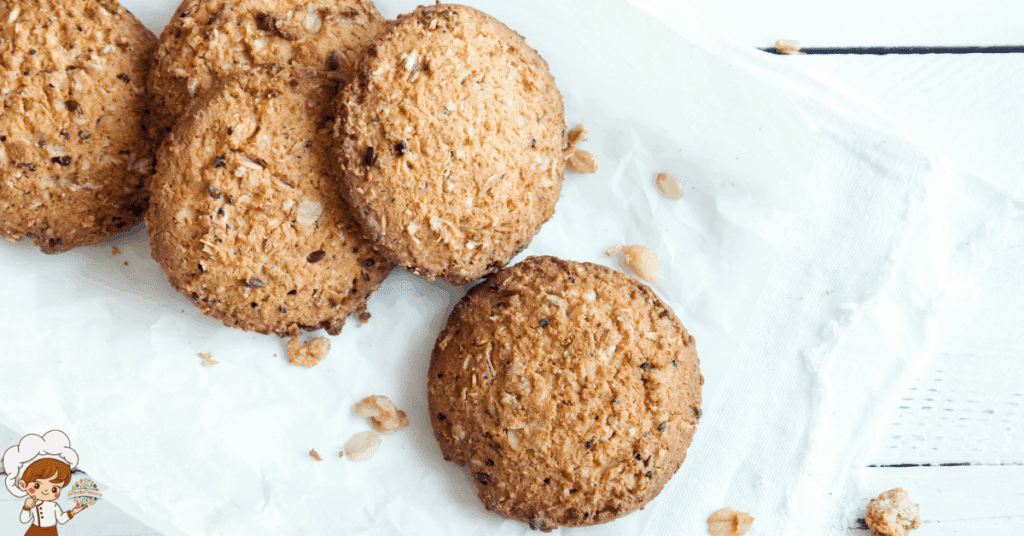
History and Origin of Easy Oatmeal Cookies; Few desserts capture the comforting spirit of home baking quite like the oatmeal cookie. With its chewy texture, nutty flavor, and wholesome ingredients, this timeless treat has earned a permanent place in cookie jars around the world. Today, Easy Oatmeal Cookies are celebrated for their simplicity, versatility, and nostalgic charm. Yet behind every warm bite lies a fascinating story that traces back centuries — a tale of ancient grains, global trade, and culinary innovation.
In this comprehensive look at the history and origin of Easy Oatmeal Cookies, we’ll explore how oats evolved from a humble cereal grain into a beloved baking staple, how oatmeal cookies found their footing in American kitchens, and why they continue to delight generations of bakers and cookie lovers alike.
The Ancient Roots of Oats: From Field to Table
To understand the history of oatmeal cookies, we first need to explore the origins of oats themselves. Oats (Avena sativa) are among the world’s oldest cultivated grains, believed to have been domesticated over 3,000 years ago in regions around the Fertile Crescent and Central Europe. Unlike wheat or barley, oats were initially considered a secondary crop — a resilient plant that thrived in cooler, wetter climates where other grains could not.
The ancient Greeks and Romans viewed oats primarily as animal feed, but northern European civilizations quickly recognized their potential as a food source. In Scotland and Ireland, oats became a dietary cornerstone. Oatmeal porridge, oatcakes, and gruel were common daily fare for centuries, sustaining populations through harsh winters.
It was this Scottish and Irish affinity for oats that would later influence the early forms of oatmeal-based baked goods — the ancestors of the modern oatmeal cookie.
Early Oat Cakes and the Birth of Oatmeal Baking Traditions
Long before soft and chewy oatmeal cookies appeared, there were oat cakes — thin, hearty, biscuit-like rounds made from ground oats, water, and sometimes butter or lard. These oat cakes were portable, long-lasting, and nutritious, making them a staple for travelers, soldiers, and farmers.
Oat cakes represented the earliest fusion of oats and baking. Over time, people began adding sweeteners such as honey, molasses, and later, sugar, transforming these simple cakes into something closer to a dessert. When these recipes migrated with European settlers to the Americas, the groundwork for the modern oatmeal cookie was laid.
By the 17th and 18th centuries, as sugar became more widely available through trade, oat-based sweets grew in popularity. Cooks began combining oats with butter, eggs, and spices — ingredients that would later define the cookie as we know it today.
The Arrival of Oats in America
When Scottish and Irish immigrants arrived in North America during the 1600s and 1700s, they brought their love for oats with them. Oatmeal quickly became an integral part of early colonial diets. Farmers in the New England and Mid-Atlantic regions found that oats thrived in the temperate climate, making them an affordable and abundant grain.
At first, oats were used in traditional porridges and breads, but American cooks began experimenting with baking oats into sweet treats. Recipes featuring oats and molasses appeared in early cookbooks, hinting at the evolution from oat cakes to cookies.
The industrial revolution in the 19th century marked a major turning point. With the rise of steam-powered mills, rolled oats became easier to produce and distribute. These “rolled oats,” flattened and precooked for quick preparation, made oatmeal more accessible and versatile for home bakers.
The Birth of the Oatmeal Cookie
The first recorded oatmeal cookie recipe appeared in the late 1800s, at a time when baking was becoming more creative and accessible thanks to improved kitchen tools and commercially available ingredients. The recipe was likely adapted from oat cake traditions but made softer and sweeter by the addition of butter, eggs, sugar, and baking soda.
By the early 1900s, oatmeal cookies had become a household favorite in America. A major influence in popularizing them came from the Quaker Oats Company, which began printing recipes on their oatmeal boxes around 1908. These recipes encouraged home bakers to use oatmeal in cookies, emphasizing both nutrition and taste.
The marketing was brilliant — oats were portrayed as a wholesome, fiber-rich food, while oatmeal cookies were positioned as a “healthier” alternative to sugar-heavy treats. This combination of nutrition and indulgence helped the oatmeal cookie secure its spot as an American classic.
Oatmeal Cookies in the 20th Century: A Classic American Treat
Throughout the 20th century, oatmeal cookies evolved into a symbol of home baking. During World War II, when sugar and butter were rationed, bakers turned to oats to add texture and substance to their desserts. Oatmeal cookies were not only satisfying but also cost-effective, using pantry staples that stretched limited ingredients.
The 1950s and 1960s saw oatmeal cookies become a staple of lunchboxes and bake sales. They were beloved for their chewy texture and subtle sweetness, and the addition of raisins or nuts became common, adding a nutritional boost. Some variations even incorporated coconut, spices, or chocolate chips, showing just how adaptable the base recipe could be.
By the late 20th century, Easy Oatmeal Cookies had emerged as a go-to recipe for busy home bakers. The ingredients were simple, the preparation time minimal, and the results consistently delicious. These cookies embodied everything people loved about homemade desserts: comfort, nostalgia, and simplicity.
Why Oatmeal Cookies Stand the Test of Time
There’s something universally appealing about oatmeal cookies. They strike the perfect balance between indulgence and wholesomeness. The oats lend a nutty flavor and chewy texture that’s both hearty and satisfying.
From a nutritional perspective, oatmeal cookies are also more substantial than many other cookies. Oats are rich in fiber, protein, and essential minerals, which give these cookies a slight edge over purely sugary confections. This “healthy indulgence” factor has made them especially popular among families and health-conscious bakers.
The Super Easy Oatmeal Cookie embodies this legacy perfectly. With minimal ingredients — oats, butter, sugar, eggs, and flour — and endless flavor variations, it remains one of the simplest and most rewarding cookies to bake from scratch.
The Role of Oatmeal Cookies in Modern Baking Culture
In today’s culinary world, oatmeal cookies have transcended their humble beginnings to become a global favorite. They fit into nearly every lifestyle — from classic homemade versions to gluten-free, vegan, or low-sugar adaptations.
Modern bakers often see oatmeal cookies as a blank canvas for creativity. Add-ins like chocolate chips, dried fruit, nuts, and spices allow for personalization, while the core recipe remains wonderfully easy. Whether baked soft and chewy or crisp and golden, oatmeal cookies never lose their comforting appeal.
Their popularity extends beyond home kitchens. Cafés, bakeries, and even fine dining restaurants frequently include oatmeal cookies on their menus, sometimes with gourmet twists like sea salt, browned butter, or maple glaze. Despite these innovations, the heart of the cookie remains rooted in the same simple charm it’s carried for centuries.
Oatmeal Cookies Around the World
While America claims the modern oatmeal cookie, similar versions exist worldwide. In Scotland, traditional oatcakes remain a cultural favorite, often served with cheese or jam. In England, “digestive biscuits” — which use oats or whole grains — share a kinship with oatmeal cookies through their wholesome texture.
In Australia and New Zealand, Anzac biscuits are a close cousin, made with oats, golden syrup, and coconut. These biscuits have historical significance, originally baked and sent to soldiers overseas during World War I.
Across cultures, the idea of blending oats with sweetness has endured, proving that the combination of grain, butter, and sugar is universally irresistible.
The Science Behind Perfect Oatmeal Cookies
The magic of oatmeal cookies lies in their chemistry. Oats are unique among grains for their high soluble fiber content, particularly beta-glucans, which absorb moisture and create a chewy, moist texture. When combined with butter and sugar, oats add body and depth to the dough, preventing over-spreading during baking.
Brown sugar contributes to the cookie’s signature chewiness by retaining moisture, while baking soda or baking powder creates a light, airy crumb. The fat-to-flour ratio plays a key role too — more butter results in a softer cookie, while more oats yield a heartier one.
Even temperature matters: baking at a slightly lower temperature helps preserve the cookie’s chew, while a higher temperature creates crisp edges. These subtle variations explain why oatmeal cookies can range from soft and tender to crisp and crumbly — and why every baker has their own “perfect version.”
The Cultural Comfort of Easy Oatmeal Cookies
Part of what makes Easy Oatmeal Cookies so beloved is their emotional connection. They evoke a sense of home, warmth, and nostalgia. For many, oatmeal cookies are tied to childhood memories — afternoons spent baking with grandparents, the smell of cinnamon in the air, and the satisfaction of sneaking a cookie straight from the cooling rack.
Their simplicity also makes them a first-choice recipe for beginner bakers. With no complicated steps or equipment required, oatmeal cookies offer the joy of baking success to everyone, from novices to seasoned pros.
In essence, oatmeal cookies are more than a dessert — they’re a tradition, a comfort, and a symbol of homemade love passed down through generations.
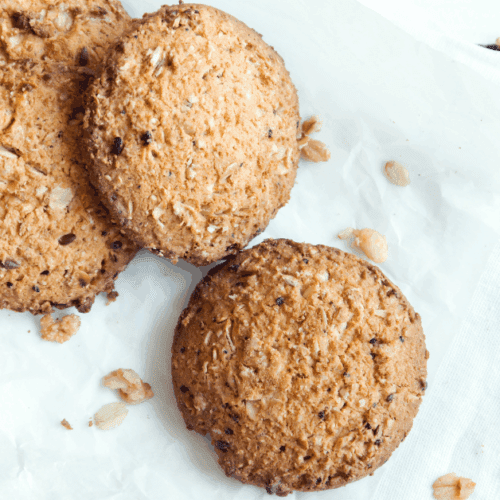
Easy Oatmeal Cookies
Ingredients
- 1 cup butter
- 1 cup brown sugar
- 1 ½ cups oats
- 1 cup flour
- 1 tsp cinnamon.
Instructions
- Mix and drop spoonfuls on a baking sheet.
- Bake at 350°F (175°C) for 10-12 minutes.
Frequently Asked Questions: History and Origin of Easy Oatmeal Cookies
When were oatmeal cookies first invented?
The first documented oatmeal cookie recipe appeared in the late 1800s, derived from traditional Scottish oatcakes and adapted for sweetness and softness in American kitchens.
Why are oatmeal cookies considered healthy?
Oats are rich in fiber, protein, and essential minerals. While sugar and butter add sweetness, the oats contribute a wholesome element, making oatmeal cookies slightly more nutritious than many other cookies.
What makes oatmeal cookies chewy?
The moisture-retaining properties of brown sugar and oats create a soft, chewy texture. Using more oats and slightly underbaking the cookies enhances their chewiness.
Are oatmeal cookies American?
While inspired by European oatcakes, the modern soft oatmeal cookie was developed in the United States, especially popularized in the early 1900s by the Quaker Oats Company.
Why do people add raisins or chocolate chips to oatmeal cookies?
Add-ins like raisins, chocolate chips, or nuts enhance flavor and texture. They became popular in the 20th century as home bakers personalized traditional recipes.
Can oatmeal cookies be made gluten-free or vegan?
Yes. Gluten-free oats and flour substitutes make them easy to adapt for dietary needs. Vegan versions often replace butter and eggs with coconut oil and flaxseed.
What’s the difference between oatmeal cookies and oatcakes?
Oatcakes are denser and less sweet, often served as snacks or breakfast food. Oatmeal cookies are sweeter, softer, and more dessert-like.

The Timeless Appeal of Easy Oatmeal Cookies
From ancient oat fields to modern ovens, Easy Oatmeal Cookies have journeyed through time as one of the most enduring and comforting desserts in the world. Their evolution mirrors human history — from survival food to a cherished indulgence that bridges generations and cultures.
The beauty of oatmeal cookies lies in their simplicity. They require no special tools, no rare ingredients — just a handful of pantry staples and a few minutes of love. Yet, what emerges from the oven is pure nostalgia: the aroma of butter and oats, the satisfying chew, the warmth of tradition reborn with every batch.
Whether enjoyed plain, with raisins, or dotted with chocolate chips, oatmeal cookies remind us that the simplest recipes often have the richest stories. They are the perfect blend of wholesome and sweet — a true classic that continues to comfort hearts and homes around the world.
If you enjoyed exploring this topic and want to dive even deeper, be sure to check out some of our other articles here on Infinite Flavors. From rich culinary histories to creative twists on classic recipes, there’s always something new to discover. Whether you’re curious about the origins of a dish, looking for fresh inspiration in the kitchen, or simply love learning about food culture, our collection of posts is the perfect next step on your flavor journey.
The History Of Super Easy Chocolate Chip Cookies
The History Of Super Easy Peanut Butter Cookies
The History Of Super Easy Sugar Cookies