
Great Nutritional Genomics in Food Production
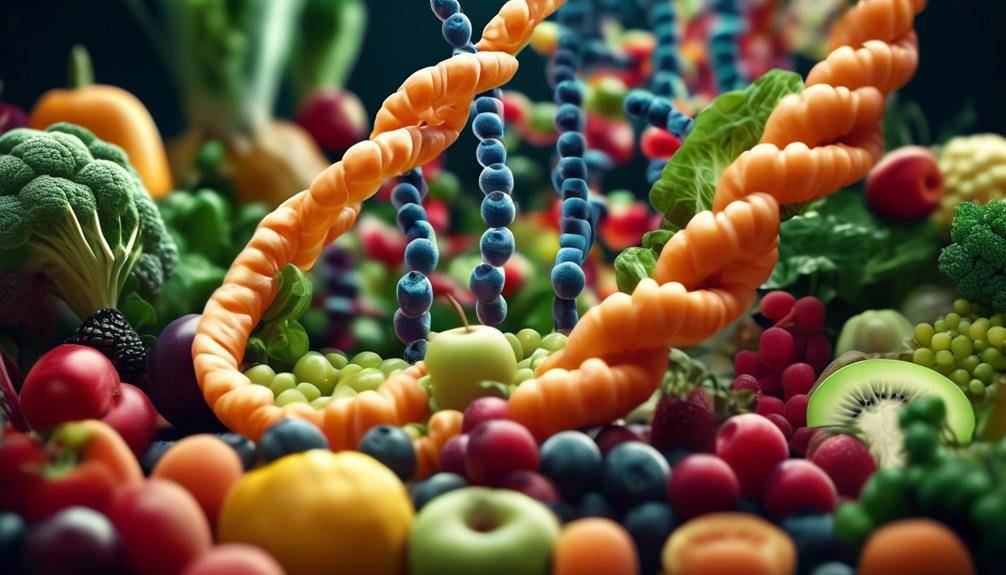
Great Nutritional Genomics in Food Production; Dive into the fascinating realm of nutritional genomics, where science and sustenance intersect. With the ever-growing demand for healthier food options, the exploration of how genetics impact food production has become paramount. But what exactly is nutritional genomics? How does it influence the nutritional value of our food? And what implications does it hold for the future of agriculture? Prepare to uncover the secrets behind the genetic modification of crops and the potential it holds for enhancing our well-being.
Understanding Nutritional Genomics
Understanding Nutritional Genomics is crucial in order to comprehend the intricate relationship between our genes, nutrition, and overall health. Nutritional genomics research has provided valuable insights into how our genes interact with the food we consume, and how this interaction affects our health and well-being. This field of study aims to understand how specific nutrients and dietary patterns can influence gene expression and function, ultimately leading to personalized nutrition recommendations.
One of the key findings of nutritional genomics research is that our genetic makeup can influence our response to different nutrients. For example, certain individuals may have variations in genes involved in nutrient metabolism, which can affect their ability to absorb and utilize specific nutrients. By understanding these genetic variations, personalized nutrition interventions can be developed to optimize nutrient intake and promote better health outcomes.
Another important aspect of nutritional genomics is its role in chronic disease prevention and management. Research has shown that certain dietary factors can interact with our genes to increase or decrease the risk of developing chronic diseases such as obesity, diabetes, and cardiovascular diseases. By identifying specific genetic markers and understanding their interaction with dietary factors, personalized nutrition recommendations can be tailored to individuals at risk of these diseases, potentially reducing their risk and improving overall health.
Impact on Food Production
Nutritional genomics has significant implications for food production, as it allows for the development of tailored approaches to optimize nutrient content and enhance the health benefits of various food products. This emerging field not only focuses on improving human health through personalized nutrition but also on promoting sustainable farming practices and addressing consumer acceptance.
To understand the impact of nutritional genomics on food production, consider the following points:
- Sustainable Farming: Nutritional genomics provides tools and strategies to optimize crop production and reduce the use of harmful chemicals. By studying the genetic makeup of crops, scientists can develop genetically modified varieties that are more resistant to pests, diseases, and environmental stressors. This can lead to higher crop yields, reduced pesticide use, and decreased water consumption, making farming practices more sustainable and environmentally friendly.
- Consumer Acceptance: One key aspect of food production is consumer acceptance. Nutritional genomics enables the development of food products that cater to individual genetic variations, preferences, and dietary needs. By analyzing an individual’s genetic profile, food manufacturers can create personalized products that align with specific nutritional requirements, taste preferences, and health goals. This approach not only improves consumer satisfaction but also promotes healthier eating habits, leading to better overall well-being.
- Quality Control and Safety: Nutritional genomics also plays a crucial role in ensuring the quality and safety of food products. By analyzing the genetic makeup of organisms, scientists can detect potential allergens, contaminants, or pathogens that may be present in the food supply chain. This information allows for better monitoring and control of food production processes, reducing the risk of foodborne illnesses and ensuring food safety.
Enhancing Nutritional Value
In order to further optimize food production and promote healthier eating habits, it is important to explore methods for enhancing the nutritional value of food products. Improving health through personalized nutrition is a key focus in the field of nutritional genomics. By understanding an individual’s unique genetic makeup and dietary needs, it is possible to tailor food products to meet specific nutritional requirements.
One approach to enhancing the nutritional value of food products is through biofortification. This involves increasing the levels of essential vitamins and minerals in crops during the breeding process. For example, biofortified rice has been developed to contain higher levels of vitamin A, addressing deficiencies in regions where rice is a staple food. Additionally, genetic engineering techniques can be used to enhance the nutritional content of food products. Scientists have successfully developed genetically modified crops with increased levels of important nutrients, such as iron and zinc.
Another method for enhancing nutritional value is through the use of functional foods. These are foods that provide additional health benefits beyond their basic nutritional value. For example, probiotics, which are live bacteria that confer health benefits to the host when consumed, can be added to food products to improve gut health. Similarly, the addition of omega-3 fatty acids to food products, such as fortified milk or eggs, can provide cardiovascular benefits.
Furthermore, advancements in food processing techniques can also contribute to enhancing the nutritional value of food products. For instance, the use of gentle processing methods, such as minimal heat exposure and minimal processing time, can help preserve the natural nutritional content of foods. Additionally, technologies such as high-pressure processing can retain more nutrients compared to traditional thermal processing methods.
Genetic Modification in Agriculture
Genetic modification has revolutionized agriculture by allowing scientists to enhance crop characteristics and increase yields through targeted modifications of plant DNA. This technology involves the insertion or modification of specific genes to confer desirable traits in crops, such as resistance to pests, diseases, or environmental stressors. Here are three key points to consider when discussing genetic modification in agriculture:
- Increased crop yield: Genetic modification has enabled the development of crop varieties with increased productivity. For example, the introduction of Bt genes into certain crops has made them resistant to insect pests, leading to higher yields. This not only benefits farmers by reducing losses due to pests, but also contributes to global food security by ensuring a stable and abundant supply of crops.
- Enhanced nutritional content: Genetic modification can also be used to improve the nutritional value of crops. For instance, scientists have successfully increased the content of essential nutrients, such as vitamins and minerals, in staple crops like rice and cassava. This has the potential to address micronutrient deficiencies in populations that heavily rely on these crops for sustenance.
- Sustainable farming practices: Genetic modification has the potential to promote sustainable farming practices. By developing crops with increased resistance to pests and diseases, farmers can reduce their reliance on chemical pesticides and fungicides. This not only reduces the environmental impact of agriculture but also minimizes human exposure to potentially harmful chemicals.
While genetic modification offers numerous benefits for agriculture, it also raises ethical concerns. These include issues related to the ownership of genetically modified organisms (GMOs), potential environmental impacts, and the long-term effects on human health. It is crucial to carefully consider these ethical concerns and ensure that the development and implementation of genetically modified crops are carried out in a responsible and transparent manner.
Future Applications and Implications
Future advancements in agricultural technology are set to revolutionize food production and address key challenges in the global food system. As the field of nutritional genomics continues to advance, there are several future applications and implications that need to be considered. Two important factors to consider are ethical considerations and consumer acceptance.
Ethical considerations play a crucial role in the future of nutritional genomics in food production. As scientists gain the ability to manipulate genes to enhance nutritional content or improve crop yields, it is essential to ensure that these advancements are carried out ethically. This includes considering the potential impact on biodiversity, genetic diversity, and the long-term effects on ecosystems. Additionally, the potential for unintended consequences, such as the development of superweeds or the loss of natural pest resistance, must be carefully evaluated. Striking a balance between scientific progress and ethical responsibility will be essential in guiding the future of nutritional genomics in food production.
Another important aspect to consider is consumer acceptance of genetically modified foods. Despite the potential benefits of nutritional genomics, there is often public skepticism and concern surrounding the use of genetic modification in agriculture. It is crucial to address these concerns and educate the public about the safety and benefits of genetically modified foods. Transparency in labeling and clear communication about the science behind these advancements will be vital in gaining consumer trust and acceptance.
Frequently Asked Questions: Great Nutritional Genomics in Food Production
What Are the Potential Ethical and Social Implications of Using Nutritional Genomics in Food Production?
You should consider the ethical considerations and social implications of using nutritional genomics in food production. These factors can have a significant impact on the way we produce and consume food, and it is important to carefully evaluate and address them.
Are There Any Potential Risks or Concerns Associated With Consuming Genetically Modified Foods?
There are potential risks and concerns associated with consuming genetically modified foods. Some studies suggest possible allergenic effects and unknown long-term health effects. It is important to be informed and make educated choices about your food consumption.
How Does Nutritional Genomics Impact the Sustainability and Environmental Aspects of Food Production?
Nutritional genomics has a significant impact on the sustainability and environmental aspects of food production. It allows for more efficient use of resources, reduces waste, and promotes environmentally friendly practices, ultimately leading to a more sustainable and eco-friendly food system.
Can Nutritional Genomics Be Used to Address Specific Dietary Needs or Health Conditions?
Nutritional genomics has the potential to address specific dietary needs and health conditions. By analyzing an individual’s genetic makeup, researchers can identify genetic variations that may impact nutrient metabolism and develop personalized dietary recommendations.
Are There Any Regulations or Guidelines in Place to Ensure the Safe and Responsible Use of Nutritional Genomics in Food Production?
Regulatory oversight and responsible implementation are crucial for the safe and ethical use of nutritional genomics in food production. Guidelines ensure the proper handling and labeling of genetically modified foods, protecting consumer health and promoting transparency.

Conclusion
In conclusion, the field of nutritional genomics holds great potential for revolutionizing food production. By understanding the intricate relationship between genes and nutrition, we can enhance the nutritional value of our food. Genetic modification in agriculture allows us to create crops that are more resistant to pests and diseases, increasing yields and reducing the need for harmful pesticides. The future applications of nutritional genomics in food production are vast, and it is crucial to consider the implications of these advancements for both human health and the environment.
If you enjoyed exploring this topic and want to dive even deeper, be sure to check out some of our other articles here on Infinite Flavors. From rich culinary histories to creative twists on classic recipes, there’s always something new to discover. Whether you’re curious about the origins of a dish, looking for fresh inspiration in the kitchen, or simply love learning about food culture, our collection of posts is the perfect next step on your flavor journey.
Amazing Genomics And Nutrient Profiling In Food
Great Nutritional Genomics And Personalized Diets