Easy Pregnancy Meal Prep For Morning Sickness
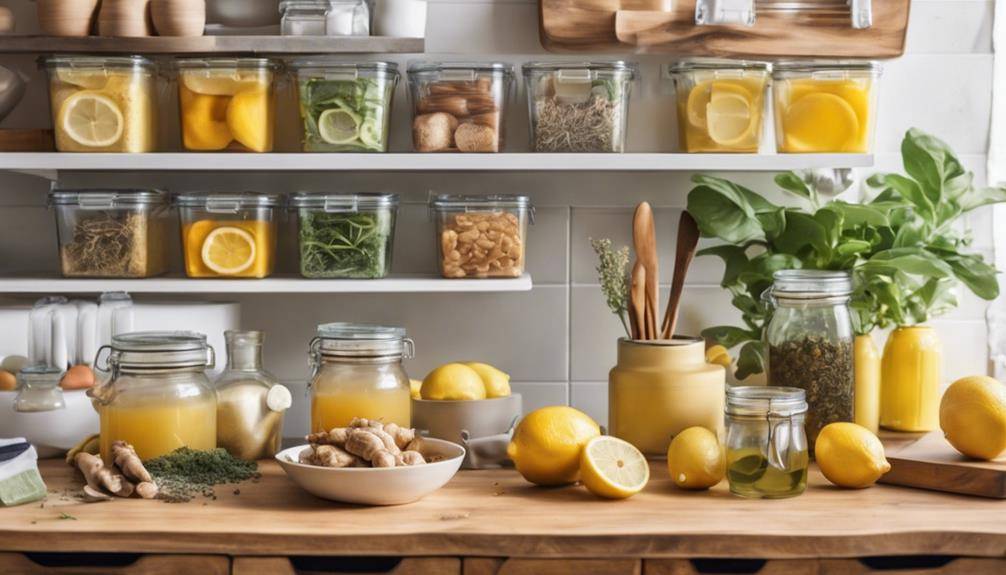
Pregnancy Meal Prep For Morning Sickness; Meal prepping is essential for managing morning sickness during pregnancy. You’ll want to focus on small, frequent meals that are bland and easy to digest, like toast, bananas, or broth-based soups. Incorporating ginger and herbal teas can help ease nausea, while keeping hydrated is vital. Prepare wholesome snacks, like Greek yogurt and nut butter with fruit, to grab on the go. Batch cooking meals that freeze well can save time and keep your nutrition on track. For more tips on meal prepping strategies and delicious recipes, consider exploring the options available to make this journey smoother.
Understanding Morning Sickness
Morning sickness can feel like a relentless wave crashing over you, leaving you queasy and fatigued. This discomfort often stems from hormonal changes your body undergoes during pregnancy. Understanding what triggers your nausea is vital. Common nausea triggers include strong smells, certain foods, or even stressful situations. By identifying these, you can begin to manage your symptoms effectively.
Emotional support plays a significant role in your journey. Sharing your experiences with friends, family, or support groups can alleviate feelings of isolation. You’re not alone in this, and others can provide valuable coping strategies that worked for them.
Dietary adjustments can make a big difference. Eating small, frequent meals often helps keep nausea at bay. Focus on bland foods that are easier on your stomach, and don’t forget to take your prenatal vitamins, as they’re essential for both you and your baby’s health. Staying hydrated is also important, so sip on clear fluids throughout the day.
Lifestyle modifications can further improve how you feel. Try incorporating light exercise, like walking, to help manage stress levels. Practicing stress management techniques, such as mindfulness or deep breathing, can also reduce nausea.
Benefits of Meal Prepping
While steering through the challenges of pregnancy, meal prepping can be a game changer for your health and well-being. It helps you stay organized and guarantees you have nutritious options readily available, especially when morning sickness strikes. By planning your meals ahead of time, you can avoid the stress of last-minute grocery shopping and the temptation of unhealthy snacks.
One major benefit of meal prepping is portion control. By preparing your meals in advance, you can manage your portion sizes more effectively. This not only helps in maintaining a balanced diet but also reduces food waste. You’ll know exactly how much you need, making it easier to stick to your dietary goals.
Having prepped meals on hand means you can quickly grab something healthy whenever nausea hits, minimizing the chances of reaching for processed or fast food. Plus, prepping meals allows you to experiment with different recipes, guaranteeing you get a variety of flavors and textures that may help soothe your stomach.
Another advantage is the financial aspect. When you plan your meals and create a grocery shopping list, you’re less likely to make impulse buys. You’ll save money and time, leaving you with more energy to focus on your pregnancy journey.
Essential Nutrients for Pregnancy
When you’re meal prepping during pregnancy, it’s important to focus on the nutrients your body needs to support both you and your growing baby. One of the top priorities is meeting your protein needs. Incorporate lean meats, beans, and legumes into your meals to provide the building blocks for your baby’s development.
Don’t forget about folic acid, which is fundamental for preventing neural tube defects. You can find it in leafy greens, fortified cereals, and citrus fruits. Additionally, aim to include iron-rich foods like red meat, spinach, and lentils to support increased blood volume and prevent anemia.
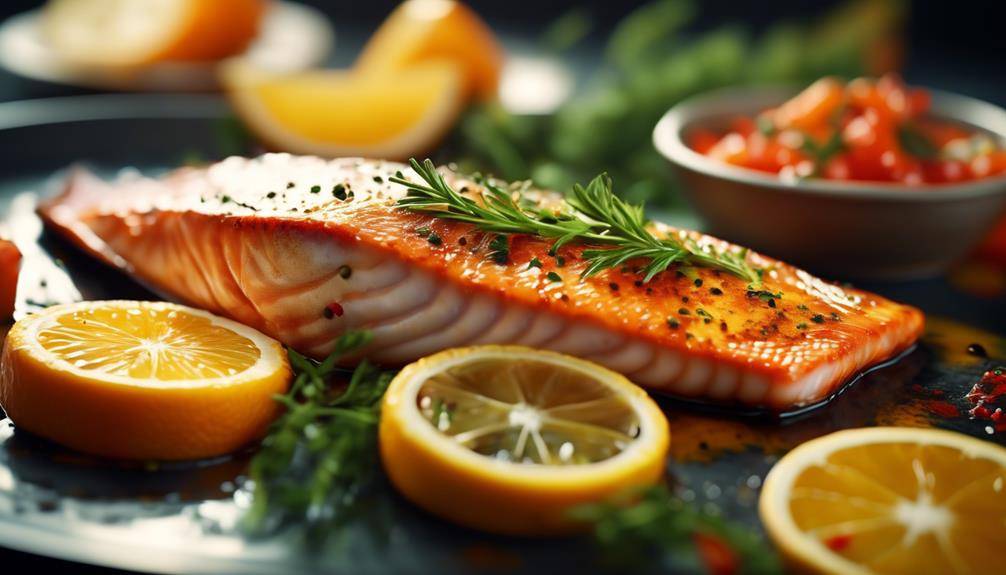
Calcium sources are essential for developing your baby’s bones and teeth. Dairy products, almonds, and tofu are excellent choices. Pair these with vitamin D, which helps your body absorb calcium. Fatty fish like salmon can provide both omega fatty acids and vitamin D, important for brain development.
Also, remember the fiber benefits—whole grains, fruits, and vegetables help keep your digestion regular and can combat pregnancy-related constipation. Maintaining hydration is equally important; drink plenty of water to support overall health and amniotic fluid levels.
Balancing potassium from bananas, sweet potatoes, and avocados can also help with muscle cramps and blood pressure regulation. Finally, magnesium sources like nuts and seeds can help reduce stress and support muscle function. By focusing on these important nutrients, you’ll set a solid foundation for a healthy pregnancy.
Foods to Avoid
When you’re preparing meals during pregnancy, it’s essential to steer clear of certain foods. Spicy and greasy dishes, strong smells, and high sugar snacks can lead to discomfort and may not be beneficial for you or your baby. Understanding what to avoid will help you create a healthier meal plan.
Spicy and Greasy Foods
During pregnancy, your body’s nutritional needs change considerably, making it essential to pay attention to what you eat. While you might experience spicy cravings, it’s best to steer clear of overly spicy foods. They can irritate your stomach and exacerbate morning sickness, leaving you feeling worse instead of better. Instead of reaching for that spicy dish, consider milder options that satisfy your taste buds without causing discomfort.
Similarly, greasy foods might seem like a quick fix for nausea, offering a sense of greasy relief. However, they can lead to digestive issues and worsen your symptoms. Foods high in fat can slow down digestion, leading to bloating and further nausea. It’s important to listen to your body and prioritize lighter, healthier alternatives like fruits, vegetables, and whole grains.
If you find yourself craving those spicy or greasy options, try to find healthier substitutes. For instance, consider using herbs and mild spices to enhance flavor without the heat. Making thoughtful food choices can help you navigate morning sickness more comfortably and keep your body nourished during this significant time.
Strong Smells and Flavors
Certain strong smells and flavors can trigger nausea and aversions during pregnancy, making it vital to identify and avoid them. You might find that your scent sensitivity increases, causing previously enjoyable aromas to become overwhelming. Common culprits include foods with pungent odors, like fish, garlic, and certain cheeses. If you’ve always loved these foods, you may now have a strong aversion to their smells.
Flavor preferences can also shift dramatically. Foods that are overly salty, sweet, or spicy might not sit well with you anymore. It’s a good idea to steer clear of heavily seasoned dishes or anything with a strong vinegar base, as these can exacerbate feelings of nausea. Instead, focus on milder flavors that are easier to digest, such as plain rice, steamed vegetables, or bland proteins like chicken.
Listening to your body is important. If you notice a specific food or scent triggers discomfort, don’t hesitate to eliminate it from your diet. Experimenting with different textures and flavors can help you find what works best for you during this sensitive time.
High Sugar Snacks
Your cravings might lead you to indulge in high sugar snacks, but it’s wise to tread carefully. While sugary treats can provide temporary relief, they often lead to energy crashes and worsened nausea. Instead of reaching for candy bars or sugary pastries, consider opting for healthier alternatives that satisfy your sweet tooth without the guilt.
Look for portable snacks that incorporate healthy sweeteners, like honey or maple syrup, for a more balanced option. For example, snack on energy balls made from oats, nut butter, and a touch of honey. These not only curb your cravings but also offer sustained energy.
Fruit is another excellent choice; grab a banana or apple for a quick fix. If you’re in need of something more filling, try yogurt with a drizzle of agave syrup and some berries.
Best Foods for Morning Sickness
Morning sickness can be one of the toughest challenges in early pregnancy, but choosing the right foods can make a significant difference. Start your day with a warm cup of ginger tea or lemon water; both are known for their anti-nausea properties and can help settle your stomach. Opt for bland meals that are gentle on your digestive system, like toast or rice, especially in the morning when nausea tends to be at its peak.
Incorporating whole grains into your diet can also provide lasting energy without overwhelming your stomach. Try small portions of oatmeal or brown rice throughout the day to keep nausea at bay. Protein snacks are another great option; consider nuts or yogurt, which can help balance your blood sugar and reduce queasiness.
Don’t forget about herbal remedies—calming teas, like chamomile, can serve as a soothing choice. Timing your nutrient intake is essential too. Eating small, frequent meals instead of large ones can help maintain your energy levels and keep nausea in check.
Simple Meal Prep Tips
When you’re prepping meals during pregnancy, having easy snack ideas and quick recipe suggestions can save you time and stress. You’ll want to focus on nutritious options that are simple to make and delicious to eat. Let’s explore some practical tips to make your meal prep a breeze!
Easy Snack Ideas
Snacking during pregnancy can be both satisfying and nutritious, so having easy snack ideas on hand makes a big difference. Focus on nutrient-dense snacks that provide essential vitamins and minerals for you and your growing baby. Think about options like Greek yogurt topped with fresh fruit, or a handful of nuts paired with dried fruit. These snacks not only taste great but also pack a nutritional punch.
For convenient grab n go options, try prepping snack bags filled with sliced veggies and hummus or whole-grain crackers with cheese. You can even make energy bites using oats, nut butter, and honey; they’re perfect for a quick pick-me-up.
Keep your pantry stocked with healthy snacks like popcorn, nut bars, or trail mix to avoid reaching for less healthy options. If you’re craving something sweet, consider fruit smoothies or banana bites dipped in dark chocolate.
Quick Recipe Suggestions
To make meal prep easier during pregnancy, focus on quick and nutritious recipes that can be whipped up in no time. Start your day with a soothing cup of ginger tea or invigorating lemon water. For breakfast, oatmeal bars are a fantastic grab-and-go option. They’re easy to make and can curb nausea while providing energy.
If you’re craving something light, yogurt parfaits with fresh fruits and granola are simple and delicious. You can also blend up some vegetable smoothies, adding spinach, kale, or even a scoop of nut butter for extra protein.
Snack time can be made easy with rice cakes topped with nut butter, ensuring you have a satisfying bite whenever hunger strikes. For a quick meal, try preparing a quinoa salad with cherry tomatoes, cucumbers, and your favorite dressing.
Easy Snack Ideas
While you’re steering through the ups and downs of pregnancy, having easy snack ideas on hand can make a world of difference. Quick bites that are both nutritious and satisfying can help manage morning sickness and keep your energy levels up. Consider a few simple snack pairings that deliver flavor balance and texture variety, ensuring you enjoy what you eat.
Portable options like nut butter packets paired with apple slices are excellent for on-the-go energy boosts. You could also try yogurt with granola; it’s a creamy, crunchy delight that’s rich in protein and probiotics. For soothing snacks, ginger tea or ginger chews can help settle your stomach.
Nutrient-dense snacks are essential, so opt for hummus with veggie sticks or whole grain crackers topped with avocado. These options provide healthy fats and fiber, keeping you fuller longer. Another great idea is to prepare overnight oats with berries and nuts, offering a wholesome, ready-to-eat snack that’s rich in vitamins.
When you crave something sweet, frozen grapes or banana slices drizzled with a bit of honey can be a revitalizing treat. Just remember to mix it up and keep a variety of flavors and textures in your snack rotation. With these easy snack ideas, you’ll be better equipped to navigate the challenges of pregnancy while nourishing yourself and your growing baby.
Hydration Strategies
Staying hydrated during pregnancy is fundamental for both your health and your baby’s development. When you’re dealing with morning sickness, it can be tough to keep fluids down, but there are effective hydration techniques that can help. Start by sipping small amounts of water throughout the day instead of chugging large quantities all at once. This approach can make it easier for your body to absorb the fluids without triggering nausea.
Incorporate electrolyte-rich beverages like coconut water or sports drinks into your routine. These drinks help maintain your electrolyte balance, which is important as dehydration can lead to complications. If plain water doesn’t appeal to you, try infusing it with fruits like lemon, berries, or cucumber to enhance the flavor without added sugars.
You might also find that consuming ice chips or popsicles can be a invigorating way to hydrate and soothe your stomach simultaneously. Herbal teas, such as ginger or peppermint, can also provide hydration while easing nausea. Just verify they’re safe for pregnancy.
Remember to monitor your urine color; pale yellow typically indicates proper hydration. If it’s darker, consider increasing your fluid intake. Finally, don’t hesitate to reach out to your healthcare provider if you’re struggling with hydration or experiencing severe nausea. Keeping your hydration on track is essential for a healthy pregnancy, so find what works for you and stick with it!
Freezer-Friendly Meals
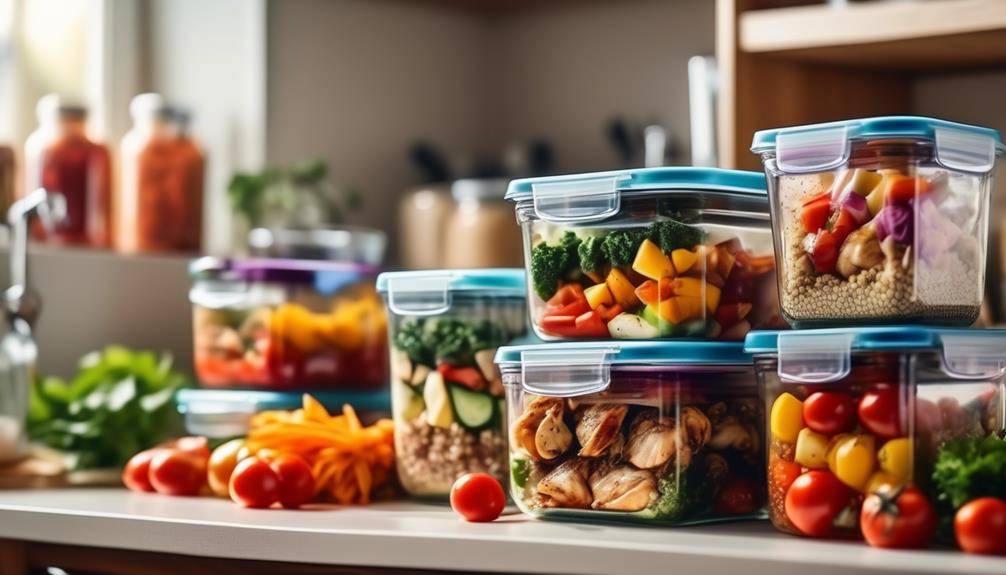
Preparing freezer-friendly meals can be a game changer during pregnancy, saving you time and ensuring you have nutritious options on hand. When you’re dealing with morning sickness, the last thing you want is to spend time cooking. That’s where smart freezer strategies come into play.
Start by dedicating a day to prep meals that can easily be frozen. Think about dishes that freeze well, like soups, stews, and casseroles. These meals can be packed with healthy ingredients to support your needs during pregnancy. When you store them, use airtight containers or freezer bags to minimize air exposure, which can affect food quality. Label each container with the name and date so you can easily access what you need later on.
Consider portion sizes when doing meal storage. By dividing meals into single servings, you’ll find it simpler to grab what you need without having to thaw an entire dish. This can also help you avoid food waste. Freeze meals in a flat position to save space; this makes stacking easier and speeds up the thawing process later on.
When you’re ready to eat, simply transfer the meal to the refrigerator the night before or use a microwave to defrost. This way, you can have wholesome, home-cooked meals at your fingertips, even on your toughest days. Embrace these freezer-friendly meals, and you’ll make your pregnancy journey a bit smoother!
Batch Cooking Recipes
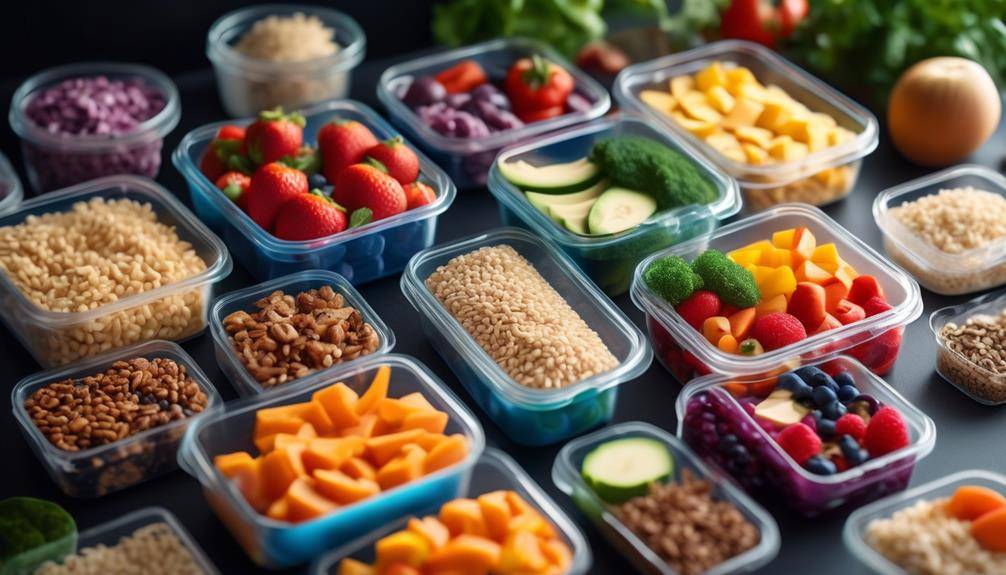
Batch cooking recipes are a fantastic way to streamline your meal prep during pregnancy, ensuring you have nourishing options ready when hunger strikes. By dedicating a few hours each week to prepare larger quantities of food, you can save time and energy, which is especially important when you’re dealing with morning sickness.
Start by selecting recipes that freeze well, like soups, stews, or casseroles. These meals are not only comforting but also nutrient-dense, helping you meet your dietary needs. For example, a hearty lentil soup packed with vegetables can be made in bulk and portioned out for quick reheating. Similarly, a chicken and vegetable casserole can be assembled in advance and popped in the oven when you’re ready to eat.
Don’t forget about grains! Cooking large batches of quinoa, brown rice, or farro can be a great base for meals throughout the week. Pair these grains with different proteins and veggies for variety. You could make a simple stir-fry with tofu and seasonal vegetables one night, then mix in grilled chicken and a tangy dressing the next.
Flavorful Smoothie Options
Smoothies can be a delicious and nutritious way to pack essential vitamins and minerals into your diet during pregnancy. When you’re dealing with morning sickness, finding flavorful options can be a game-changer. You can whip up various smoothie combinations that not only taste great but also offer much-needed nutrient boosts.
Start with a base of yogurt or almond milk for creaminess and probiotics. Add a handful of leafy greens like spinach or kale for a fiber and iron boost. You might find that the sweetness of fruits like bananas, berries, or mangoes helps mask any bitter flavors while providing essential vitamins. For added protein, toss in some nut butter or a scoop of protein powder.
If you’re looking for something invigorating, try a cucumber-mint smoothie. Blend cucumber with a bit of mint, lime juice, and some coconut water for hydration. Or go for a tropical twist with pineapple, coconut milk, and spinach. The key is to experiment with different flavors until you find the combinations that work for you.
Don’t forget to reflect on adding superfoods like chia seeds or flaxseeds, which can give you extra omega-3 fatty acids. You can also include ginger to help soothe nausea, making it a perfect addition to your pregnancy smoothies. By mixing and matching ingredients, you’ll create delightful and healthy drinks that keep you nourished and energized throughout your pregnancy.
Planning Your Weekly Menu
Creating a well-structured weekly menu can help you stay organized and guarantee you’re getting the nutrients you need during pregnancy. Start by establishing weekly themes for your meals. For example, designate specific days for different types of cuisine, like Meatless Mondays or Taco Tuesdays. This approach not only simplifies your planning but also encourages variety in your diet.
Next, focus on your grocery checklist. Once you’ve set your weekly themes, list the ingredients you’ll need for each meal. Be sure to include plenty of fruits, vegetables, whole grains, and lean proteins, which are essential for both you and your baby. Prioritize items that are easy to digest and will help combat morning sickness, such as bananas, rice, and ginger.
As you plan your menu, consider batch cooking or prepping ingredients in advance. This can save you time during the week, especially on days when you’re not feeling your best. For instance, you might cook a big pot of quinoa or chop up vegetables for easy stir-fry options later.
Frequently Asked Questions: Pregnancy Meal Prep For Morning Sickness
Can Morning Sickness Affect My Ability to Gain Weight During Pregnancy?
Yes, morning sickness can impact your weight gain. Frequent nausea may lead to weight fluctuations and nutritional deficiencies, making it harder to maintain a healthy diet. It’s important to manage symptoms for better outcomes.
Are There Any Herbal Remedies Safe for Alleviating Morning Sickness?
There are some herbal remedies you can try to alleviate morning sickness. Ginger tea’s known to soothe nausea, while peppermint oil might help reduce discomfort. Always consult your doctor before trying any new remedies, though.
How Long Does Morning Sickness Typically Last?
Morning sickness usually lasts from six to twelve weeks, but it can vary. Identifying triggers for nausea helps, and you can use coping strategies like ginger tea or small meals to ease discomfort during this time.
Is It Safe to Exercise During Morning Sickness?
Yes, you can safely engage in light exercise during morning sickness. Just listen to your body, stay hydrated, and focus on gentle activities like walking or stretching to help alleviate some discomfort.
Can Stress Worsen Morning Sickness Symptoms?
Yes, stress can worsen morning sickness symptoms. By practicing stress management techniques and employing effective coping strategies, you can alleviate discomfort. Focus on relaxation methods to help your body respond better during this challenging time.

Conclusion
Incorporating meal prep into your routine can make dealing with morning sickness much easier. By understanding your body’s needs and focusing on essential nutrients, you can create meals that soothe your stomach and support your pregnancy. Remember to stock up on the best foods while avoiding those that could trigger nausea. With a bit of planning and some freezer-friendly options, you’ll be well-equipped to handle those tough mornings and nourish both you and your baby.
If you enjoyed exploring this topic and want to dive even deeper, be sure to check out some of our other articles here on Infinite Flavors. From rich culinary histories to creative twists on classic recipes, there’s always something new to discover. Whether you’re curious about the origins of a dish, looking for fresh inspiration in the kitchen, or simply love learning about food culture, our collection of posts is the perfect next step on your flavor journey.
Important Vegan Dietary Requirements For Bodybuilding
Exciting Gluten-Free Diet For Autoimmune Diseases
Amazing Gluten-Free Diet For Pregnancy