Essential Caribbean Cooking Tips For Authentic Cuisine
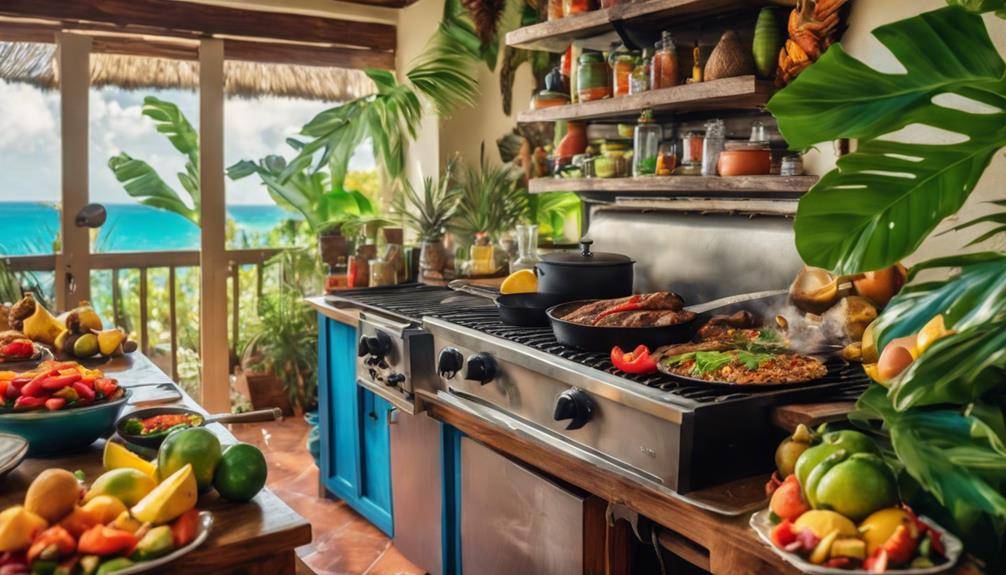
Caribbean Cooking Tips For Authentic Cuisine; To achieve authentic Caribbean cuisine, embrace bold flavors and fresh ingredients. Start by stocking essential spices like allspice, cumin, and scotch bonnet peppers. Fresh herbs elevate taste, so always choose them over dried options. Master jerk seasoning using a mix of allspice and thyme for that signature kick. When marinating proteins, balance acids and oils to enhance flavor and tenderness. Use traditional cooking techniques like slow cooking and open flame methods to deepen your dish’s richness. With creativity in sauce creation and thoughtful presentation, you’ll bring the islands to your table. There’s plenty more to explore in Caribbean cooking!
Understanding Caribbean Flavors
When diving into Caribbean cooking, you’ll quickly discover a vibrant tapestry of flavors that reflect the region’s rich history and diverse cultures. Each dish tells a story, shaped by the cultural influences of indigenous peoples, African communities, European settlers, and Asian immigrants. You’ll notice how these elements blend seamlessly, creating a unique culinary identity that’s both exciting and complex.
One key aspect of understanding Caribbean flavors is recognizing the regional variations. Each island boasts its own culinary traditions, often influenced by local ingredients and historical trade routes. For instance, Jamaican cuisine is known for its bold jerk seasoning, while Cuban dishes often highlight the subtle sweetness of plantains. In Trinidad and Tobago, you might find a delightful mix of Indian spices in their roti, showcasing how cultural influences have intermingled over generations.
As you explore the Caribbean culinary landscape, pay attention to how flavors evolve from one region to another. The use of spices, cooking methods, and even presentation can vary greatly. You’ll come across dishes that utilize fresh seafood, tropical fruits, and hearty root vegetables, embodying the essence of island life.
Key Ingredients to Stock
To create authentic Caribbean dishes, you need to stock up on some key ingredients. Must-have spices like allspice and nutmeg will bring warmth to your meals, while fresh produce like plantains and peppers add vibrant flavors. Let’s explore what you should have in your pantry and fridge to get started!
Must-Have Spices
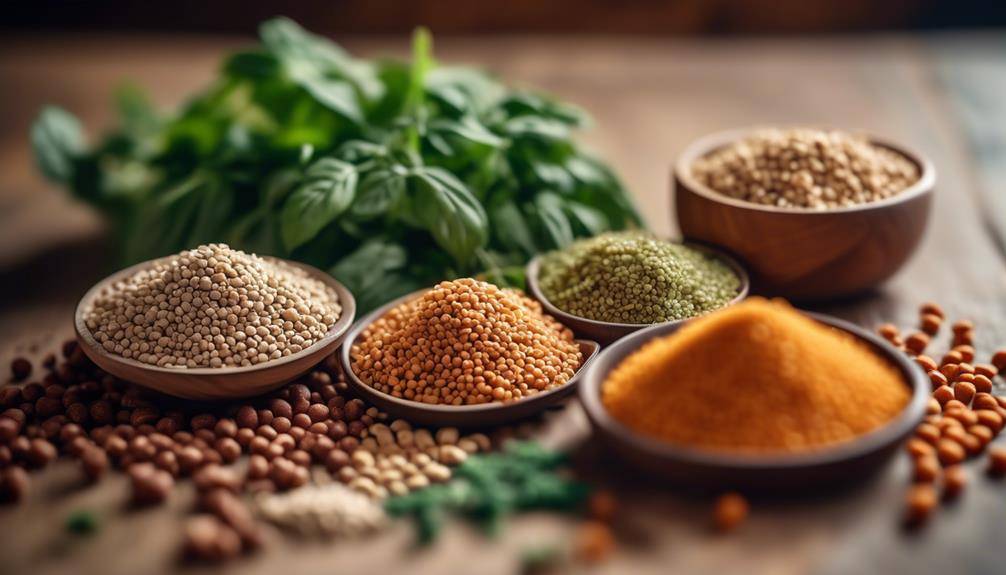
If you want to elevate your Caribbean cooking, stocking up on essential spices is a must. Start with allspice berries, which offer a warm, aromatic flavor that’s a cornerstone in many Caribbean dishes. Next, don’t forget about various paprika varieties, adding vibrant color and flavor to your stews and marinades.
Hot peppers, particularly scotch bonnet, are key for that authentic heat—just a little can transform your dish. Cumin seeds bring earthiness, while bay leaves add depth to your soups and rice dishes.
Garlic powder is an easy way to infuse your meals with robust flavor without the hassle of peeling fresh garlic. For a unique twist, experiment with nutmeg blends, which can enhance both sweet and savory meals.
Citrus zest, especially from limes and oranges, can brighten up your dishes and balance the richness of coconut milk, a staple ingredient for creamy sauces. Finally, keep hot peppers on hand for a spicy kick whenever you need it. With these must-have spices, you’re well on your way to creating delicious, authentic Caribbean cuisine that’ll impress everyone at your table.
Fresh Produce Essentials
Fresh produce is essential for authentic Caribbean cooking, and stocking up on a variety of fruits and vegetables will enhance your dishes considerably. To get the best flavors, focus on seasonal produce; it’s fresher, tastier, and more affordable. Explore local markets where you can find organic options and build relationships with farmers. This sustainable sourcing not only supports your community but also guarantees you get the highest quality ingredients.
When it comes to tropical vegetables, don’t overlook items like callaloo, okra, and sweet potatoes. These add depth and authenticity to your meals. For an exciting twist, incorporate exotic fruits like mangoes, guavas, and passion fruit. They can elevate your dishes with vibrant flavors and colors.
Consider joining community gardens to access fresh produce right from the source. You’ll not only enjoy the benefits of homegrown ingredients but also connect with your neighbors and learn more about growing food. So, immerse yourself in the world of fresh produce and let it inspire your Caribbean cooking adventures!
The Importance of Fresh Herbs
Fresh herbs are essential for elevating the flavors in your Caribbean dishes. By selecting the right herbs, you can enhance the taste and aroma of your meals in ways that dried herbs simply can’t match. Let’s explore some techniques for using fresh herbs effectively in your cooking.
Flavor Enhancement Techniques
Using vibrant, aromatic herbs can transform your Caribbean dishes from ordinary to extraordinary. Fresh herbs are umami boosters that elevate the overall taste profile of your meals. By incorporating a variety of herbs, you can achieve flavor layering, enhancing each bite with complexity and depth.
To create a well-rounded dish, focus on acidity balance; herbs like cilantro or lime leaves can brighten up heavier ingredients. Don’t forget about seasoning adjustments; a pinch of fresh thyme or basil can shift the flavor profile entirely.
Ingredient pairing is essential—combine herbs with spices for a robust spice infusion that tantalizes the palate. Pay attention to texture contrast as well; crisp herbs can add a rejuvenating crunch to cooked dishes.
Selecting the Right Herbs
Choosing the right herbs can make all the difference in your Caribbean cooking. Fresh herbs elevate your dishes, adding vibrant flavors and aromas that dried herbs simply can’t match. Explore various herb varieties like cilantro, thyme, and basil, each bringing unique characteristics to your culinary creations. For instance, cilantro adds a bright, zesty flavor ideal for salsas, while thyme complements savory stews beautifully.
When using fresh herbs, timing is key. Add them towards the end of cooking to preserve their delicate flavors. If you don’t have access to fresh herbs, consider growing your own. Not only is it rewarding, but it also guarantees you’ll have fresh herbs on hand whenever you need them.
Proper herb storage is essential to maintaining freshness. Wrap herbs in a damp paper towel and place them in a plastic bag in the fridge, or you can place stems in a glass of water like a bouquet. This keeps them crisp and flavorful. Remember, the fresher the herbs, the better your Caribbean dishes will taste. So, don’t skimp on quality; the right herbs will transform your cooking into a true island experience!
Mastering Jerk Seasoning
Jerk seasoning is a vibrant blend of spices that can elevate any dish to new heights. If you want to master this essential Caribbean flavor, you’ll need to understand its key components. Traditionally, jerk seasoning incorporates allspice, thyme, garlic, and scotch bonnet peppers, among other ingredients. Each element contributes to the unique flavor profile that defines jerk chicken and other Caribbean dishes.
When you’re starting out, you can either buy pre-made jerk seasoning or create your own blend. For a homemade version, mix together ground allspice, black pepper, cinnamon, nutmeg, and dried thyme. Then, add minced garlic, finely chopped scallions, and the heat of scotch bonnet peppers. Adjust the spice level to suit your taste, but remember that traditional recipes often lean towards a bold heat.
Once you’ve prepared your seasoning, it’s time to apply it to your dishes. For jerk chicken, rub the seasoning generously over the meat, ensuring it’s well-coated. Let it marinate for a few hours or overnight if you can; this allows the flavors to penetrate deeply.
Don’t limit yourself to just chicken—try using jerk seasoning on pork, fish, or even vegetables. The versatility of this seasoning means you can explore endless possibilities while still honoring traditional Caribbean cuisine. With practice, you’ll reveal the magic of jerk seasoning and bring a taste of the Caribbean to your kitchen.
Techniques for Marinades
When you’re marinating, the right ingredient combinations can elevate your dish to new heights. Understanding marinating times is essential for achieving the perfect balance of flavor without overpowering your main ingredient. Plus, knowing proper storage techniques guarantees your marinade remains safe and effective.
Flavorful Ingredient Combinations
To elevate your Caribbean dishes, mastering flavorful ingredient combinations for marinades is essential. Begin by exploring spice pairings like thyme and allspice, which create rich flavor profiles that are quintessential to Caribbean cuisine. Don’t hesitate to experiment with ingredient substitutions; for instance, if you can’t find fresh scotch bonnet peppers, try jalapeños for a different yet satisfying kick.
Consider regional variations when crafting your marinades. Each island has unique culinary traditions, so incorporate local herbs and spices to reflect those influences. Balancing taste is vital, so think about how sweet, salty, sour, and spicy elements can complement each other. For example, a marinade combining lime juice, brown sugar, and soy sauce delivers perfect taste balancing.
Texture contrasts can also enhance your dishes. Pairing a smooth marinade with a crispy grilled meat can create a delightful experience. Incorporate seasonal ingredients—fresh pineapple or mango can add a tropical twist to your marinade.
Lastly, keep meal planning in mind; marinating meats a day ahead allows flavors to meld beautifully, ensuring that your Caribbean feast is both delicious and memorable. Use these tips to create marinades that truly shine!
Marinating Times Explained
Understanding marinating times is just as important as crafting the perfect marinade. The key lies in knowing the right marinade duration for your chosen protein selection. For example, delicate proteins like fish need only 15 to 30 minutes, while tougher cuts of meat, like beef, can benefit from several hours or even overnight.
Achieving the right acid balance is essential for flavor infusion without compromising texture. Citrus notes, such as lime or orange juice, are fantastic for brightening dishes but can make proteins mushy if left too long. Pair your herbs wisely; robust herbs like rosemary can withstand longer marinating times, while fresh herbs like basil are best added just before cooking.
Additionally, consider the texture contrast you want to achieve. A marinade that’s too acidic can break down proteins excessively, leading to an undesirable mushiness. Layer your seasoning effectively to build complex flavors—think of it as adding depth through time. By understanding these nuances, you’ll elevate your Caribbean dishes, ensuring each bite is a harmonious blend of flavors and textures. So, be mindful of those marinating times, and let your culinary skills shine!
Proper Storage Techniques
Proper storage techniques are essential for ensuring your marinades maintain their flavor and safety. Start by choosing the right container types; glass jars or food-safe plastics work best. Make sure they’re airtight to prevent moisture and air from degrading the marinade. Temperature control is vital, so store your marinades in the refrigerator if you plan to use them within a week. For longer shelf life, consider using freezer methods. Just remember to leave space in the container for expansion when freezing.
Humidity levels can affect your marinades, so keep your pantry organized to avoid exposure to moisture. Regularly practice ingredient rotation by using older marinades first to minimize waste. When storing in the fridge, label your containers with dates to track freshness. A good rule is to use marinades within three to five days if stored in the refrigerator, while frozen marinades can last up to three months.
Cooking With Tropical Fruits
While tropical fruits can elevate your dishes with their vibrant flavors and unique textures, knowing how to use them effectively is key to creating delicious meals. Start by selecting seasonal fruits, as they’re usually fresher and tastier. Look for fruits like mangoes, papayas, and pineapples when they’re in season to guarantee the best flavor profile.
When it comes to tropical fruit pairings, think about balancing sweetness with acidity or spice. For example, pairing ripe mangoes with spicy jalapeños creates a revitalizing salsa that’s perfect for grilled fish or chicken. Similarly, you can combine pineapple with coconut milk for a rich and creamy dessert or smoothie. Don’t shy away from experimenting—mixing fruits can lead to amazing flavor combinations.
You can also incorporate tropical fruits into savory dishes. Try adding diced papaya or mango to salads for a burst of sweetness, or use them in marinades for meats. The natural sugars in these fruits can help caramelize your proteins when grilled, adding depth to the dish.
Lastly, when preparing tropical fruits, it’s crucial to reflect on their textures. Some fruits, like bananas, can break down quickly, while others, like coconuts, require more effort. Understanding how each fruit behaves will help you choose the right method for incorporating them into your recipes. By mastering these techniques, you’ll bring the vibrant essence of the Caribbean to your cooking.
Exploring Traditional Cooking Methods
Traditional cooking methods in the Caribbean showcase the region’s rich culinary heritage and embrace the use of local ingredients. One of the most fascinating techniques is stone cooking, where heated stones are used to cook food in a pit or directly on the surface. This method not only infuses a unique flavor but also allows you to cook various ingredients simultaneously, making it a communal experience. Imagine gathering fresh fish, root vegetables, and aromatic herbs, wrapping them in banana leaves, and placing them atop hot stones. This creates a delightful, smoky flavor that’s hard to replicate with modern cooking gadgets.
Another hallmark of Caribbean cuisine is cooking over an open flame. This method brings a rustic charm and deep, smoky undertones to dishes that you simply can’t achieve with a stovetop. Whether you’re grilling jerk chicken or roasting plantains, cooking over an open flame allows the natural sugars in the ingredients to caramelize beautifully, enhancing their flavors.
These traditional methods not only preserve the authenticity of Caribbean dishes but also connect you to the region’s cultural identity. By embracing stone cooking and open flame techniques, you’re not just preparing a meal; you’re participating in a time-honored tradition. So, the next time you’re in the kitchen, consider incorporating these methods to elevate your Caribbean cooking experience. You’ll be amazed at the depth of flavor and the sense of community they foster.
The Art of Slow Cooking
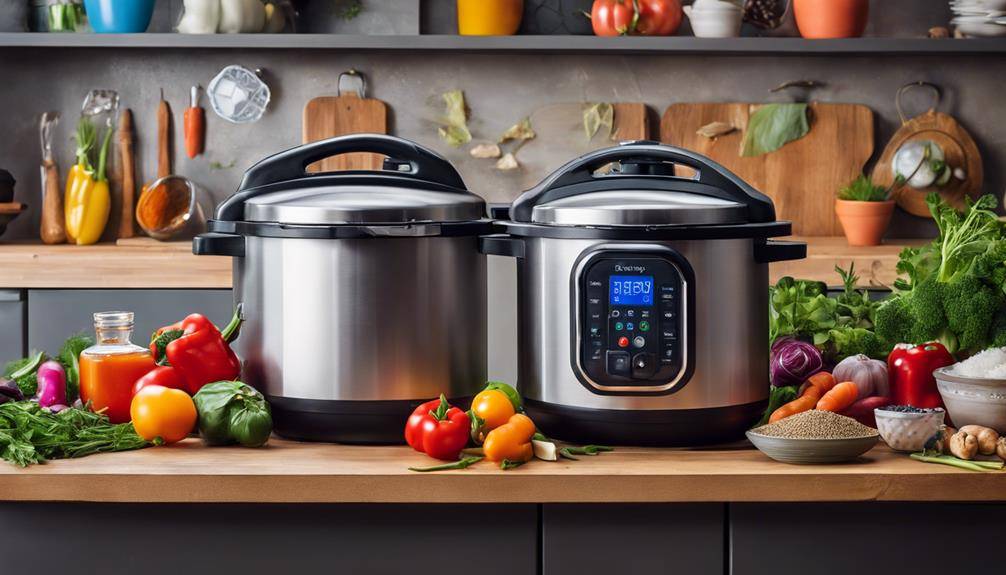
Slow cooking in the Caribbean brings out the vibrant flavors of local ingredients, much like the traditional methods of stone cooking and open flame grilling. By mastering slow cooker techniques, you can elevate your dishes to new heights. One key aspect is patience—good things take time, and the rewards of slow cooking are well worth the wait.
Start by focusing on flavor development. When you layer your ingredients in the slow cooker, you create a symphony of tastes that meld beautifully over hours. Begin with aromatics like onions and garlic, followed by proteins, vegetables, and liquids. This ingredient layering not only enhances the taste but also contributes to texture enhancement. You’ll notice how meats become tender and vegetables maintain just the right amount of bite.
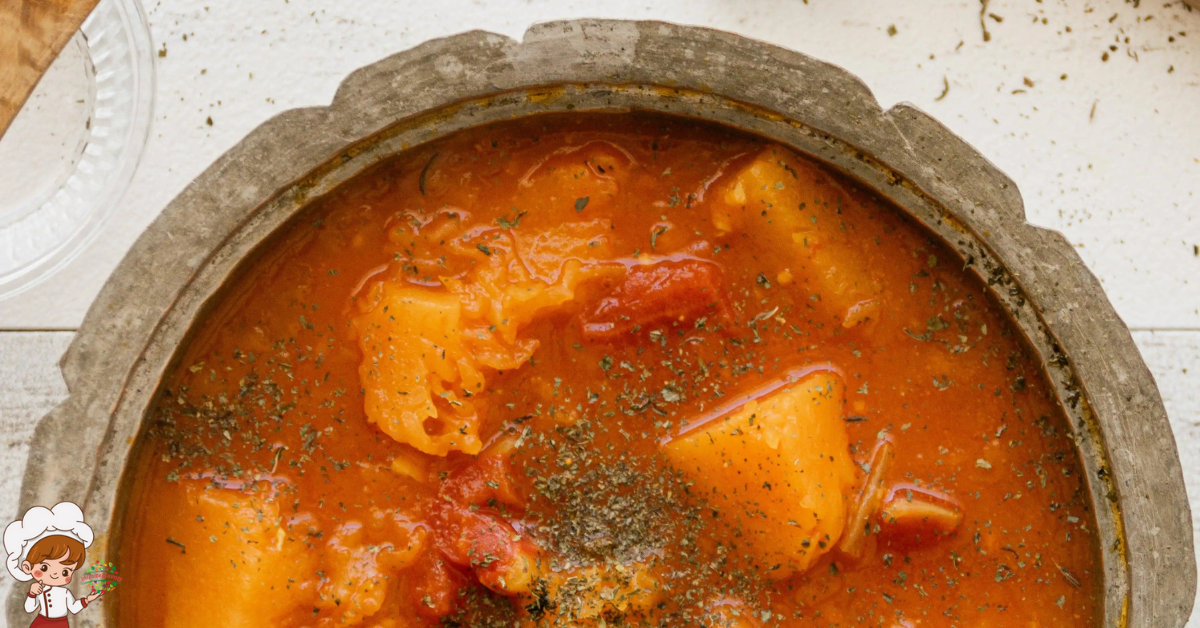
Effective time management is essential. Plan your meals ahead, knowing that some dishes benefit from an extended cooking time. A stew might need eight hours, while a curry could thrive in a shorter span. Remember, the longer cooking time allows flavors to develop fully and harmoniously, giving each bite a rich depth.
As you embrace the art of slow cooking, you’ll find that the process is both meditative and rewarding. The aroma wafting through your kitchen will remind you that true Caribbean cuisine is a labor of love. So, take your time, savor the journey, and enjoy the delightful meals you create.
Balancing Spices and Heat
Mastering the balance of spices and heat is essential for creating authentic Caribbean dishes that tantalize the taste buds. Caribbean cuisine is renowned for its vibrant flavors, but achieving that perfect harmony can be tricky. Start by understanding your preferred heat levels. Some people love a fiery kick, while others prefer a milder taste. Knowing your audience can help you adjust accordingly.
When it comes to spice blends, don’t hesitate to experiment. Traditional Caribbean recipes often include allspice, thyme, and scotch bonnet peppers, but you can mix and match spices to create your signature blend. Begin with a small amount of heat, then gradually add more until you reach the desired spice level. Remember, you can always add more, but it’s tough to dial back the heat once it’s in.
A great tip is to taste as you go. This allows you to fine-tune the balance between spices and heat throughout the cooking process. If you find the heat overwhelming, counteract it with sweet ingredients like coconut milk or pineapple. These can help mellow the intensity without sacrificing flavor.
Lastly, don’t forget the importance of resting your dish after cooking. Allowing it to sit lets the spices meld, enhancing the overall flavor profile. By mastering the balance of spices and heat, you’ll be well on your way to creating memorable Caribbean dishes that keep everyone coming back for more.
Tips for Perfect Rice and Peas
When it comes to Caribbean cuisine, perfecting rice and peas is a must for any home cook. This dish isn’t just a simple side; it’s a celebrated staple that can elevate your meals. To get it right, you’ll want to start with the right rice varieties. Long-grain rice, like basmati, holds its shape well, while medium-grain rice offers a creamier texture.
Before cooking, rinse your rice under cold water until the water runs clear. This removes excess starch and helps prevent clumping. For the peas, you can use canned or dried. If you opt for dried, soak them overnight to guarantee they’re tender.
Next, focus on your cooking techniques. Use a heavy-bottom pot to distribute heat evenly. Combine your washed rice, soaked peas, and coconut milk in the pot. Add water or broth for flavor, and don’t forget the seasonings! Fresh herbs, like thyme, and a touch of salt will enhance the dish.
As you bring the mixture to a boil, reduce the heat and cover the pot. Let it simmer gently, allowing the rice to absorb the flavors. This usually takes about 20-30 minutes. Avoid lifting the lid too often, as it lets steam escape, which can affect cooking time.
Once done, fluff the rice with a fork and let it sit for a few minutes before serving. This simple attention to detail will give you the perfect rice and peas every time!
Essential Tools for Caribbean Cooking
Having the right tools can make a world of difference in your Caribbean cooking experience. First, invest in essential cooking utensils like a sturdy cutting board and sharp knives. These are key for efficient food preparation, whether you’re chopping vegetables for a fresh salad or slicing meat for a savory stew.
Next, consider your kitchen equipment. A good quality pot or Dutch oven is critical for mastering traditional cooking techniques, such as slow-cooking and braising. You’ll also want a blender or food processor for creating smooth sauces or purees that are common in Caribbean cuisine. Don’t forget about measuring cups and spoons; precise measurements can enhance your dishes.
For meal prep, a set of mixing bowls in various sizes will help you organize ingredients before you begin cooking. When it comes time to serve your delicious creations, colorful serving dishes can elevate the presentation, making your meals even more inviting.
Lastly, remember that equipment maintenance is essential. Regularly clean your culinary tools to guarantee they last longer and perform well. Proper care of your kitchen equipment not only assures safety but also enhances your cooking experience.
With these essential tools, you’ll be well-equipped to tackle the vibrant flavors and dishes of Caribbean cuisine. So gather your utensils, invest in quality equipment, and get ready to bring the taste of the Caribbean into your home!
Creating Authentic Sauces
With the right tools in your kitchen, you’re ready to start creating authentic Caribbean sauces that will elevate your dishes. The foundation of any great sauce lies in its ingredients, so gather fresh herbs, spices, and quality produce. Don’t forget to include staples like garlic, onion, and Scotch bonnet peppers for that signature Caribbean kick.
When making your sauces, pay attention to sauce consistency. A good sauce should be thick enough to cling to your food but not so thick that it overpowers the dish. You can adjust the thickness by adding more liquid, like coconut milk or broth, or by simmering the sauce to reduce it. Taste as you go to find the perfect balance.
Next, think about sauce pairings. The right sauce can transform a simple meal into a culinary experience. For instance, a zesty mango salsa works beautifully with grilled fish, while a rich and spicy jerk sauce complements chicken or pork. Experiment with different combinations to discover what you love most.
Don’t be afraid to innovate, either! While traditional recipes are wonderful, adding your own twist can yield delicious results. Keep notes on your sauce creations and how they pair with various dishes, so you can refine your favorites. By focusing on sauce consistency and thoughtful pairings, you’ll create authentic Caribbean sauces that will impress your family and friends. Happy cooking!
Serving and Presentation Styles
Presentation is key in Caribbean cooking, as it not only showcases the vibrant colors of the dishes but also enhances the overall dining experience. You’ll want to use various plating techniques to highlight the unique ingredients and cultural influences that define Caribbean cuisine. Start by layering your dishes; for instance, place a bright yellow plantain slice against a deep green callaloo. This contrast creates an eye-catching visual.
When it comes to serving traditions, consider how meals are presented at festive occasions or family gatherings. Large platters brimming with colorful food invite everyone to dig in, fostering a sense of community. Use bold, decorative bowls and plates that reflect the culture, enhancing the meal aesthetics.
Garnishing is essential too. Fresh herbs, like cilantro or parsley, can add a pop of color and freshness, while slices of lime can add both vibrancy and zest. Don’t shy away from experimenting with dish presentations; stack or fan out ingredients to create depth and interest.
Lastly, remember that the atmosphere matters. Create a lively setting by using bright tablecloths and tropical decorations to evoke that Caribbean flair. By focusing on these aspects, you’ll elevate your dining experience and celebrate the rich culinary heritage of the Caribbean. Enjoy the process, and let your creativity shine through in every meal you serve!
Frequently Asked Questions: Caribbean Cooking Tips For Authentic Cuisine
Can I Substitute Ingredients if They’re Unavailable Locally?
Absolutely, you can substitute ingredients if they’re unavailable locally. Just focus on ingredient alternatives that maintain the dish’s essence. Experiment with flavor balancing to guarantee your meal still delivers that delicious, authentic taste you’re aiming for.
What Are the Common Dietary Restrictions in Caribbean Cuisine?
In Caribbean cuisine, dietary restrictions often stem from health concerns or personal choices. You’ll notice dish variations based on spice preferences, with some avoiding gluten, dairy, or certain meats, ensuring everyone can enjoy the flavors.
How Can I Adjust Recipes for Vegetarian or Vegan Diets?
To adjust recipes for vegetarian or vegan diets, you’ll want to make vegetarian adaptations by substituting meat with legumes or tofu. Use vegan ingredients like coconut milk or plant-based proteins to maintain flavor and texture.
What Beverages Pair Well With Caribbean Dishes?
When enjoying Caribbean dishes, you can’t go wrong with rum cocktails or invigorating tropical juices. They complement the vibrant flavors beautifully, enhancing your meal and creating a delightful dining experience that captures the island spirit.
Are There Any Cultural Customs to Be Aware of When Serving Caribbean Food?
When serving Caribbean food, embrace communal dining. Share dishes family-style and encourage everyone to help themselves. Remember, serving etiquette emphasizes warmth and hospitality, so be generous and invite your guests to enjoy the feast together.

Conclusion
With these essential Caribbean cooking tips, you’re well on your way to creating authentic dishes that burst with flavor. Don’t forget to embrace the vibrant spices, fresh herbs, and key ingredients that make this cuisine unique. Experiment with techniques like marinating and mastering jerk seasoning to elevate your meals. Remember, it’s all about enjoying the process and sharing your creations. Immerse yourself in the rich culinary traditions of the Caribbean, and let your kitchen come alive with exciting flavors!
If you enjoyed exploring this topic and want to dive even deeper, be sure to check out some of our other articles here on Infinite Flavors. From rich culinary histories to creative twists on classic recipes, there’s always something new to discover. Whether you’re curious about the origins of a dish, looking for fresh inspiration in the kitchen, or simply love learning about food culture, our collection of posts is the perfect next step on your flavor journey.
The 10 Best Caribbean Seafood Delicacies You Must Try
9 Exciting Tantalizing Caribbean Bbq And Grilling Recipes
What Are Some Great Refreshing Caribbean Fruit Dishes