Great Searing Tips For Fish Fillets
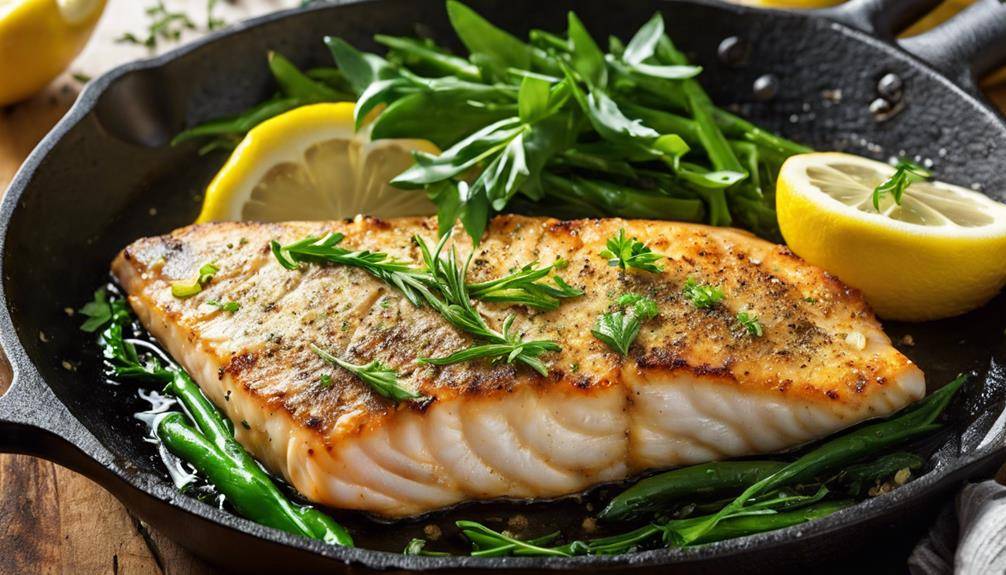
Great Searing Tips For Fish Fillets; To achieve perfectly seared fish fillets, start with firm-textured options like salmon or halibut. Pat the fillets dry and season generously with salt, pepper, or your favorite herbs. Choose an oil with a high smoke point, like canola or avocado, and preheat your pan until it’s shimmering. Sear each side for 2 to 4 minutes, watching for the edges to turn opaque. After cooking, let the fillets rest briefly to allow the juices to redistribute. With these tips, you’ll create a deliciously crispy exterior and juicy interior every time. There’s even more you can learn to elevate your searing skills!
Click Here and Turn Every Masterpiece into a Showstopper!
Choosing the Right Fish
Choosing the right fish is vital for a perfect sear. You want to select fish that not only tastes great but also holds up well during cooking. Look for fish varieties like salmon, halibut, or tuna, as they offer a firm texture and rich flavor that can stand up to high heat. These types are ideal for achieving that crispy exterior while keeping the inside tender and juicy.
When you consider sustainable sourcing, it’s important to opt for fish that’s harvested responsibly. Check for labels or certifications, such as the Marine Stewardship Council (MSC) or the Aquaculture Stewardship Council (ASC). These guarantee that the fish you’re buying comes from well-managed fisheries or farms that prioritize environmental health. Not only will you enjoy better-tasting fish, but you’ll also be doing your part in protecting aquatic ecosystems.
Different fish varieties have unique flavor profiles and textures, so take your time to explore your options. For instance, if you’re craving a rich, buttery taste, wild-caught salmon can be a fantastic choice. On the other hand, if you prefer a milder flavor, cod or tilapia might be more to your liking. Don’t hesitate to ask your local fishmonger for recommendations on the freshest options available, especially those aligned with sustainable sourcing practices.
Preparing Your Fillets
Before searing your fish fillets, it’s essential to prepare them properly to achieve the best results. Start by ensuring your fillets are of uniform thickness. This is important because even cooking depends on consistent fillet thickness. If you have thicker areas, consider trimming them down or pounding the fillet gently to create a more even surface. This helps avoid overcooking the edges while the center remains underdone.
Next, pat your fillets dry with paper towels. Removing excess moisture is key to achieving that perfect sear. If the surface is wet, the fish will steam instead of sear, resulting in less desirable texture and flavor. Once dried, it’s time to choose your seasoning options. Simple salt and pepper work wonders, but don’t be afraid to get creative. You can add garlic powder, paprika, or herbs like dill or thyme to enhance the flavor.
Apply the seasoning generously but evenly on both sides of the fillet. Remember, seasoning is your chance to elevate the dish, so don’t skimp on this step. Let the seasoned fillets rest for about 10-15 minutes at room temperature. This not only allows the flavors to penetrate but also helps the fish cook more evenly.
Selecting the Best Oil
The oil you select can make a significant difference in how your fish fillets turn out. Choosing the right oil not only affects the cooking process but also enhances the flavor profiles of your dish. You’ll want to pick an oil that has a high smoke point, which means it can withstand high temperatures without burning. Oils like canola, grapeseed, and avocado oil are excellent choices due to their high smoke points and neutral flavors.
When you sear your fish, you want that perfect golden crust without the unpleasant taste of burnt oil. If your oil begins to smoke, it can impart a bitter flavor to your fillets, ruining the delicate taste of the fish. So, steer clear of oils with low smoke points, such as extra virgin olive oil, when searing at high temperatures.
You’ll also want to take into account the flavor profiles of the oil you choose. For instance, if you’re cooking a rich fish like salmon, using an oil with a mild flavor will allow the fish’s natural taste to shine. On the other hand, if you’re cooking a white fish, you might opt for an oil with a bit more character, such as peanut oil, which adds a subtle nuttiness to the dish.
Ultimately, your choice of oil not only impacts the cooking process but also elevates the overall experience of your seared fish fillets. Make sure to select wisely!
Mastering Temperature Control
Getting the temperature just right is essential when searing fish fillets; too hot and you’ll risk burning, too low and the fish won’t develop that desirable crust. To achieve the ideal sear, you should use a reliable temperature gauge. This tool helps you monitor the heat of your pan accurately, ensuring you don’t overheat or underheat the cooking surface.
Start by preheating your pan over medium-high heat. Depending on your cooking methods, you may need to adjust the temperature slightly. For example, if you’re using a cast-iron skillet, it retains heat well, so you might need to lower the heat once the pan reaches the desired temperature. Conversely, non-stick pans may require a bit more heat to achieve that golden crust without sticking.
Once the pan’s hot enough, add your oil and let it heat until it’s shimmering. If you see smoke, turn down the heat immediately to avoid burning the oil and ruining your fish. You want a temperature that promotes a quick sear while allowing the fish to cook evenly.
To further enhance your control, consider the thickness of your fillets. Thicker cuts may need a slightly lower temperature to cook through without burning the outside. By mastering temperature control, you’re setting yourself up for success in creating perfectly seared fish fillets that are both flavorful and visually appealing.
Click Here and Turn Every Masterpiece into a Showstopper!
Timing Your Sear Perfectly
Achieving the perfect sear isn’t just about temperature; it’s also about timing. When you place your fish fillet in a hot pan, you need to know exactly how long to leave it before flipping. Timing your sear perfectly is essential for achieving that golden crust while ensuring the inside remains tender and juicy.
Start by using a reliable searing technique. For most fish fillets, a sear of 2 to 4 minutes per side is ideal, depending on the thickness of the fillet. Keep an eye on the edges; once they start to turn opaque, it’s a sign you’re ready to flip. If you wait too long, you risk overcooking and losing that delicate texture.
Remember, the type of fish you’re cooking can affect your timing as well. Thicker cuts like salmon might require a bit more time, while thinner fillets like sole will sear quicker. Adjust your timing accordingly, and don’t forget that the residual heat will continue to cook the fish even after you’ve taken it off the heat.
To enhance flavor further, consider letting the fish rest for a minute before serving. This allows juices to redistribute and can elevate the overall taste. So, use the right searing techniques, pay attention to timing, and you’ll master the art of searing fish fillets. Trust me, perfect timing can make all the difference in flavor enhancement, transforming an ordinary meal into something extraordinary.
Click Here and Turn Every Masterpiece into a Showstopper!
Frequently Asked Questions: Great Searing Tips For Fish Fillets
Can I Use Frozen Fish Fillets for Searing?
You can use frozen fish for searing, but make sure to thaw it first. Proper thawing enhances the texture and allows you to apply effective searing techniques, ensuring a deliciously cooked fillet every time.
What Kitchen Tools Are Essential for Searing Fish?
To sear fish effectively, you’ll need non-stick pans for easy release, a fish spatula for flipping, high smoke points for oils, and tools for temperature control. Don’t forget seasoning techniques and marinade options to enhance flavor!
How Do I Know When Fish Is Properly Cooked?
To determine fish doneness, use a fork to flake the flesh; it should be opaque and separate easily. You can also check the internal temperature, aiming for around 145°F using effective cooking techniques for best results.
Can I Marinate Fish Fillets Before Searing?
Yes, you can marinate fish fillets before searing. Use marinade types like citrus or soy sauce, and marinate for 15 to 30 minutes. This enhances flavor without overpowering the delicate texture of the fish.
What Side Dishes Pair Well With Seared Fish Fillets?
When you’re pairing sides with seared fish fillets, think seasonal vegetables, citrus sides, or grain salads. Roasted potatoes, light appetizers, and flavorful sauces complement the dish beautifully, enhancing the fresh flavors of your meal.

Conclusion
Now that you’ve got the tips to sear fish fillets like a pro, it’s time to put them into action! Remember to choose the right fish, prepare your fillets properly, and select a high-smoke point oil. Mastering temperature control and timing will elevate your dish to perfection. With practice, you’ll impress everyone at the table with your delicious, perfectly seared fish. So, fire up that skillet and enjoy your culinary adventure!