Great Peruvian Cuisine And Its Mountain-Inspired Dishes
Peruvian Cuisine And Its Mountain-Inspired; They say that the way to a person’s heart is through their stomach, and when it comes to Peruvian cuisine, this adage couldn’t be more true. The rich and diverse culinary traditions of Peru are deeply intertwined with the breathtaking beauty of the Andes Mountains. From traditional ingredients sourced from the mountainous regions to the unique flavors of mountain-inspired dishes, Peruvian cuisine offers a tantalizing journey for your taste buds. So, if you’re curious to discover how the mountains have shaped the culinary landscape of Peru, prepare to embark on a gastronomic adventure like no other.
Click Here and Turn Every Masterpiece into a Showstopper!
The Andes Mountains and Peruvian Cuisine
When exploring the rich culinary traditions of Peru, it is impossible to overlook the profound influence of the majestic Andes Mountains. This towering mountain range, stretching along the western edge of South America, has not only shaped the landscape but also played a significant role in the development of Peruvian gastronomy.
The Andes mountain range is home to a diverse array of ingredients that have become staples in Peruvian cuisine. The high altitude and varied climates of the region have given rise to unique crops such as quinoa, potatoes, and maize, which form the foundation of many traditional dishes. The rich volcanic soil found in the Andes also contributes to the exceptional flavor and quality of these ingredients, making them highly sought after by chefs and food enthusiasts around the world.
One iconic Peruvian dish that showcases the influence of the Andes is ceviche. This refreshing seafood delicacy is made by marinating raw fish in a citrus-based marinade, typically using lime juice. The acidity of the citrus effectively “cooks” the fish, while the Andean influence comes in the form of the addition of cancha corn, a type of toasted corn that adds a delightful crunch to the dish.
Another example is the hearty dish called pachamanca. Traditionally cooked underground using hot stones, pachamanca consists of various meats, potatoes, and vegetables marinated in spices and herbs. The slow cooking process and earthy flavors of this dish pay homage to the ancient traditions of Andean cooking.
The Andes Mountains have undoubtedly left an indelible mark on Peruvian gastronomy. From the humble potato to the vibrant flavors of ceviche, the culinary traditions of Peru owe much of their richness and diversity to the bountiful resources provided by this magnificent mountain range. So, when savoring the flavors of Peruvian cuisine, remember to celebrate the influence of the Andes and the incredible culinary heritage it has inspired.
Traditional Mountain-Inspired Ingredients
As you continue your exploration of Peruvian cuisine and its deep connection to the Andes Mountains, let’s now turn our attention to the remarkable ingredients that have long been inspired by these majestic peaks. Traditional mountain herbs play a significant role in Peruvian cooking, adding unique flavors and aromas to many dishes. One such herb is muña, also known as Andean mint. This herb has a refreshing taste and is often used in teas and infusions, as well as in marinades for meats. Another popular mountain herb is huacatay, or Peruvian black mint. Its strong fragrance and distinct flavor make it a staple in sauces and stews.
Cooking techniques in the Andes Mountains are just as fascinating as the ingredients themselves. One traditional technique is called pachamanca, which involves cooking food in an underground pit. The food, usually meat, potatoes, and corn, is placed on hot stones and covered with earth to create a natural oven. This slow-cooking method infuses the ingredients with smoky flavors and tenderizes the meat.
Another cooking technique that showcases the mountain-inspired ingredients is called chanka, which involves wrapping food in banana leaves and steaming it. This method is often used to prepare tamales, a traditional dish made with corn masa and filled with various ingredients such as meat, cheese, or vegetables. The banana leaves impart a subtle earthy flavor to the tamales, enhancing the overall taste.
Popular Mountain-Inspired Dishes
Get ready to explore the delicious world of popular mountain-inspired dishes in Peruvian cuisine. One standout category is the traditional mountain stews, which are hearty, flavorful, and perfect for warming up on a chilly day. Another highlight is the indigenous potato varieties that are used in these dishes, offering a unique and diverse range of flavors and textures.
Traditional Mountain Stews
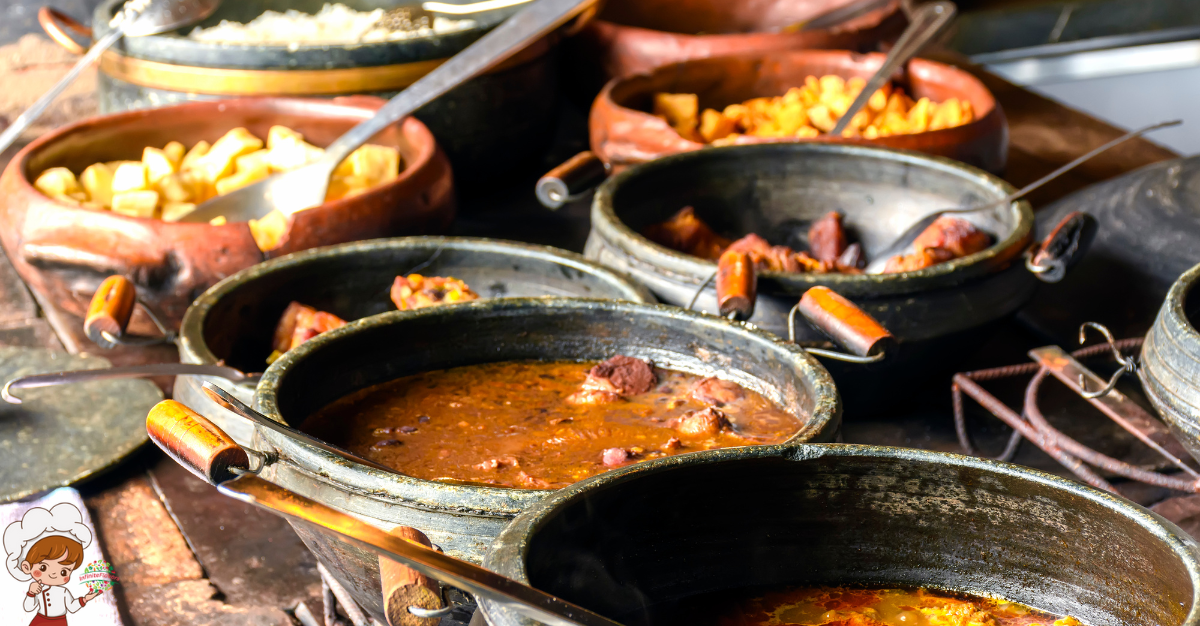
Traditional Mountain Stews, with their hearty flavors and warming properties, are a beloved staple of Peruvian cuisine that transport you to the rugged peaks of the Andes with every savory spoonful. These stews are a perfect representation of the Andean culinary tradition, showcasing the rich flavors and unique ingredients of the region.
One of the key components of traditional mountain stews is the use of indigenous potato varieties, which add a distinct taste and texture to the dish. These potatoes come in various colors and sizes, each offering a different flavor profile. From the purple-colored “papa morada” to the small and flavorful “papa amarilla,” these potatoes bring depth and complexity to the stews, creating a truly authentic Andean culinary experience.
Indigenous Potato Varieties
With their vibrant colors and diverse flavors, the indigenous potato varieties used in traditional mountain stews elevate these popular dishes to new heights, capturing the essence of the Andean culinary tradition. Indigenous potato farming techniques have been passed down for generations, resulting in a rich variety of potatoes that are cultivated in the highlands of Peru.
These varieties are not only a staple in Peruvian cuisine but also hold deep cultural significance. The cultivation of indigenous potato varieties is a testament to the ingenuity and resilience of the Andean people who have adapted to the harsh mountainous terrain. Each variety has its own unique taste and texture, adding depth and complexity to mountain stews. From the creamy and buttery yellow potatoes to the earthy and nutty purple potatoes, the indigenous potato varieties bring a burst of flavor and a touch of tradition to every dish.
Cuy: a Delicacy From the Andes
Now, let’s talk about cuy, a delicacy from the Andes that holds immense cultural significance in Peru. Cuy, which refers to guinea pig in Spanish, has been a staple in traditional Andean cuisine for centuries. It is prepared using ancient methods, often roasted whole and served with potatoes and corn.
Click Here and Turn Every Masterpiece into a Showstopper!
Cultural Significance of Cuy
Cuy, a beloved delicacy from the Andes, holds a deep cultural significance in Peruvian cuisine. This small rodent, commonly known as guinea pig, has been a staple in Andean communities for centuries. Its cultural significance goes beyond its culinary value, as it is considered a symbol of fertility and good fortune. In traditional Peruvian households, cuy is often prepared for special occasions and family gatherings.
The preparation of cuy is a meticulous process that involves marinating the meat in a flavorful mixture of herbs and spices, before roasting it over an open flame. The result is a dish that is crispy on the outside and tender on the inside, with a rich and distinctive flavor. Cuy is not just a delicacy in Peruvian cuisine, but a testament to the country’s rich cultural heritage.
Traditional Cuy Preparation
To experience the full cultural immersion of Peruvian cuisine, one must delve into the traditional preparation of cuy, a delicacy from the Andes. The cultural significance of cuy in Peru is immense, as it has been a staple of the Andean diet for centuries. Here is a glimpse into the traditional cuy preparation process:
- Selection: Choose a healthy and plump guinea pig, preferably one that has been raised in a free-range environment.
- Cleaning: Thoroughly wash the cuy with water and remove any unwanted hair.
- Marination: Rub the cuy with a mixture of garlic, cumin, aji pepper, and other spices to enhance its flavor.
- Cooking: Traditionally, cuy is roasted over an open fire or grilled until the skin turns crispy and the meat becomes tender.
The traditional cuy preparation not only showcases the culinary expertise of the Peruvian people but also highlights the deep-rooted cultural significance of cuy in their daily lives.
Quinoa: The Superfood of the Andes
Quinoa, a nutrient-rich grain native to the Andes Mountains, has gained international recognition as a superfood for its exceptional health benefits and versatility in culinary creations. The history of quinoa dates back thousands of years, and its cultivation techniques have been perfected by Andean farmers over generations.
Quinoa farming techniques involve planting the seeds in well-drained soil and providing adequate irrigation. The high altitude and cool temperatures of the Andes Mountains create the perfect environment for quinoa to thrive. The plants are resilient and can withstand harsh weather conditions, making them suitable for cultivation in challenging terrains.
The nutritional benefits of quinoa are remarkable. It is gluten-free, high in protein, and contains all nine essential amino acids, making it a complete protein source. Quinoa is also rich in fiber, minerals such as magnesium and iron, and antioxidants. Its low glycemic index makes it an ideal food for those managing their blood sugar levels.
In addition to its health benefits, quinoa’s versatility in culinary creations is truly impressive. It can be used as a base for salads, added to soups and stews, or even used as a substitute for rice and pasta. Quinoa’s nutty flavor and fluffy texture make it a delightful addition to both savory and sweet dishes.
Whether you’re looking to improve your overall health or simply add variety to your meals, quinoa is a fantastic ingredient to incorporate into your diet. Its rich history, sustainable farming techniques, and exceptional nutritional profile make it a superfood that truly lives up to its reputation. So go ahead, explore the world of quinoa and discover the countless ways it can elevate your culinary experience.
Pachamanca: Cooking Underground in the Mountains
Immerse yourself in the culinary traditions of the Andes Mountains with the unique and flavorful experience of Pachamanca: Cooking Underground. This ancient cooking technique combines delicious ingredients, cultural rituals, and the natural beauty of the mountains to create a truly memorable dining experience. Here are four reasons why Pachamanca is a must-try:
- Cooking Techniques: Pachamanca is all about slow cooking in nature’s own oven. The dish is prepared by digging a hole in the ground and lining it with hot stones. The ingredients, including marinated meat, potatoes, vegetables, and herbs, are then placed on top of the stones and covered with more hot stones and earth. The heat from the stones and the earth creates a unique cooking environment, infusing the food with rich flavors and tender textures.
- Cultural Rituals: Pachamanca is not just about the food; it is a ritual that connects people to their ancestors and the land. Before the cooking process begins, offerings are made to Pachamama, the Andean Earth Goddess, as a way of showing gratitude and respect. This ceremony is often accompanied by music, dance, and storytelling, creating a sense of community and celebration.
- Flavorful Ingredients: Pachamanca showcases the abundant produce of the Andean region. You’ll find tender pieces of alpaca or pork, alongside native potatoes, sweet corn, fava beans, and aromatic herbs like huacatay. These ingredients are carefully selected and combined to create a harmonious blend of flavors that highlight the natural richness of the Andes.
- Unforgettable Experience: The process of cooking underground and the communal nature of Pachamanca make it a truly unforgettable experience. As you sit around the cooking pit, surrounded by the breathtaking scenery of the mountains, you can’t help but feel a sense of connection to nature and a deep appreciation for the traditions that have been passed down through generations.
Pachamanca is more than just a meal; it’s a journey into the heart of Peruvian culture. So, if you ever find yourself in the Andes, make sure to indulge in this unique culinary adventure.
Click Here and Turn Every Masterpiece into a Showstopper!
Chicha Morada: A Refreshing Andean Beverage
Get ready to discover the traditional Andean ingredients and the health benefits of Chicha Morada, a refreshing beverage that originated in the Andean region of Peru. Made from purple corn, pineapple, cinnamon, and other spices, Chicha Morada is a vibrant and flavorful drink that is as visually appealing as it is delicious. Not only does it offer a unique taste experience, but it also boasts numerous health benefits, including its high antioxidant content and potential anti-inflammatory properties.
Traditional Andean Ingredients
Indulge in the vibrant flavors of the Andean region with a sip of Chicha Morada, a refreshing beverage steeped in traditional Peruvian ingredients. This unique mountain-inspired drink is made from purple maize, a staple crop in the Andes, and infused with traditional Andean spices. Here are four reasons why Chicha Morada is a must-try:
- Distinctive Flavor: The deep purple color of Chicha Morada comes from the purple maize, which lends a sweet and earthy flavor to the drink.
- Aromatic Spices: Traditional Andean spices like cinnamon, cloves, and pineapple rind are added to the brew, giving it a delightful aroma and complexity.
- Nutritional Benefits: Purple maize is rich in antioxidants and contains anthocyanins, which have been linked to numerous health benefits.
- Cultural Significance: Chicha Morada has been enjoyed for centuries in the Andean region, and its preparation and consumption are deeply rooted in Peruvian traditions.
Savor the essence of the Andes with each sip of Chicha Morada, a beverage that embodies the rich culinary heritage of Peru.
Health Benefits of Chicha
As you explore the vibrant flavors of the Andean region, take a moment to discover the potential health benefits that Chicha Morada, a refreshing beverage steeped in traditional Peruvian ingredients, has to offer. Made from purple corn, pineapple, cinnamon, and other natural ingredients, Chicha Morada is not only a delicious drink but also a source of numerous health benefits.
The traditional preparation of Chicha Morada involves boiling the purple corn with spices, which helps to release its vibrant purple color and infuse the beverage with antioxidants. These antioxidants have been found to have anti-inflammatory properties and may aid in fighting off free radicals in the body. Additionally, the pineapple in Chicha Morada provides a dose of vitamin C, while the cinnamon offers potential benefits for heart health. So, when you sip on a glass of Chicha Morada, you not only enjoy its refreshing taste but also nourish your body with its array of health benefits.
Rocoto Relleno: Spicy Stuffed Peppers From the Mountains
Nestled in the heart of the Peruvian mountains, Rocoto Relleno awaits adventurous food enthusiasts with its fiery blend of flavors and mouthwatering aroma. This traditional dish is a testament to the rich culinary heritage of Peru and the creativity of its mountain cuisine. If you’re ready to embark on a gastronomic adventure, here are four reasons why you should give Rocoto Relleno a try:
- Bursting with Spiciness: Rocoto Relleno is known for its intense heat. The star of the dish is the rocoto pepper, a small but mighty chili that packs a punch. Be prepared for a spicy kick that will make your taste buds tingle and leave you craving for more.
- A Symphony of Flavors: Beyond the spiciness, Rocoto Relleno offers a harmonious blend of flavors. The pepper is stuffed with a filling made from minced meat, onions, garlic, and a variety of spices. The combination of savory and aromatic ingredients creates a taste sensation that is both complex and satisfying.
- A Feast for the Eyes: Rocoto Relleno is not only delicious, but it is also visually stunning. The vibrant red color of the pepper, filled to the brim with the flavorful stuffing, is a feast for the eyes. It is a dish that will make your mouth water before you even take your first bite.
- A Celebration of Tradition: Rocoto Relleno is deeply rooted in Peruvian culinary traditions. It is a dish that has been passed down through generations, with each family adding their own unique twist. By indulging in this spicy delicacy, you are connecting with the rich cultural heritage of Peru and experiencing a taste of its mountains.
Chupe De Camarones: a Hearty Shrimp Chowder
Get ready to savor the flavors of Peru with a hearty bowl of Chupe De Camarones, a shrimp chowder that will warm your soul and transport you to the coastal regions of this vibrant country. Shrimp-based soups are a popular and delicious part of Peruvian cuisine, and Chupe De Camarones stands out as a prime example.
Chupe De Camarones is a rich and flavorful soup that combines the sweetness of shrimp with the earthiness of potatoes and the freshness of vegetables. The dish is known for its creamy texture, which comes from the addition of milk or cream. Each spoonful of this chowder is like a taste of the sea, with the shrimp infusing the broth with their briny essence.
What makes Chupe De Camarones even more interesting is the regional variations of the recipe. In the northern coastal regions of Peru, the soup is often made with yellow potatoes, corn, and aji amarillo, a spicy yellow pepper that adds a kick of heat. In the southern regions, you might find a version with white potatoes, peas, and aji panca, a smoky red pepper that imparts a unique flavor.
No matter which regional variation you encounter, Chupe De Camarones is a dish that showcases the diversity and depth of Peruvian cuisine. It is a comforting and satisfying meal that will leave you wanting more. So, grab a spoon and dive into a bowl of this hearty shrimp chowder, and let the flavors of Peru take you on a culinary journey you won’t soon forget.
Mountain-Inspired Desserts: Sweet Treats From the Andes
Indulge in a delectable array of sweet treats inspired by the majestic Andes Mountains. The Andean region of Peru is known for its rich culinary traditions, and its desserts are no exception. From creamy rice puddings to sweet potato pastries, these traditional Peruvian sweets are sure to satisfy your sweet tooth. Here are four mouthwatering Andean dessert recipes that you must try:
- Suspiro de Limeña: This decadent dessert is a creamy combination of dulce de leche and meringue. The name “Suspiro de Limeña” translates to “Sigh of a woman from Lima,” and it’s easy to see why. With its smooth texture and sweet flavors, this dessert will make you sigh with delight.
- Picarones: These deep-fried doughnuts are made from squash and sweet potato. They are then drizzled with a sweet syrup made from molasses and spices. Crispy on the outside and soft on the inside, picarones are a popular street food in Peru.
- Turrón de Doña Pepa: This colorful dessert is a Peruvian classic, especially during the month of October when it is traditionally made. Turrón de Doña Pepa is a layered treat consisting of pastry sticks, honey, anise, and colorful sprinkles. It is both visually stunning and delicious.
- Alfajores: These delicate cookies are made with cornstarch and filled with dulce de leche. They are then dusted with powdered sugar, giving them a sweet and crumbly texture. Alfajores are a beloved treat in Peru and are often enjoyed with a cup of coffee or tea.
These Andean dessert recipes are just a taste of the sweet delights waiting for you in Peru. So, go ahead and satisfy your sweet tooth with these traditional Peruvian sweets inspired by the flavors of the Andes Mountains.
Click Here and Turn Every Masterpiece into a Showstopper!
Cultural Significance of Mountain-Inspired Dishes
The cultural significance of mountain-inspired dishes in Peruvian cuisine is deeply rooted in the traditions and heritage of the Andean region. These dishes are not only a reflection of the natural resources found in the mountains but also a celebration of the cultural traditions and culinary heritage of the Peruvian people.
In the Andean region, the mountains have always played a central role in the lives of the indigenous communities. They provide a source of sustenance, shelter, and inspiration. The mountain-inspired dishes, therefore, hold a special place in Peruvian cuisine as they pay homage to this important aspect of the Andean culture.
One example of a mountain-inspired dish is the famous “pachamanca.” This traditional Peruvian dish is prepared by cooking meat, potatoes, and vegetables in an underground oven, known as a “huatia.” The ingredients are seasoned with aromatic herbs and spices, giving the dish a unique and flavorful taste. Pachamanca is not only a delicious meal but also a symbol of unity and community, as it is often prepared and shared during special occasions and celebrations.
Another mountain-inspired dish is “chuño,” which is made from freeze-dried potatoes. This ancient preservation technique was developed by the indigenous people of the Andes to store potatoes for long periods of time. Chuño is not only a staple food in the Andean diet but also a testament to the ingenuity and resourcefulness of the Peruvian people.
These mountain-inspired dishes not only satisfy the taste buds but also serve as a reminder of the rich cultural traditions and culinary heritage of Peru. They are a testament to the close relationship between the Andean people and the mountains that have shaped their way of life for centuries. So, the next time you indulge in a mountain-inspired dish, take a moment to appreciate the cultural significance behind it and savor the flavors that have been passed down through generations.
Click Here and Turn Every Masterpiece into a Showstopper!
Frequently Asked Questions: Peruvian Cuisine And Its Mountain-Inspired
How Did the Andes Mountains Influence Peruvian Cuisine?
The Andes Mountains heavily influenced Peruvian cuisine through their high-altitude terrain and diverse ecosystems. These natural features shaped the availability of ingredients, such as potatoes and quinoa, and the cooking techniques used in the region.
What Are Some Traditional Ingredients Used in Mountain-Inspired Dishes?
In mountain-inspired dishes, traditional ingredients play a key role in capturing the essence of Peruvian cuisine. From hearty potatoes to flavorful quinoa, these culinary traditions reflect the rich biodiversity of the Andes mountains.
Can You Provide a Recipe for the Popular Mountain-Inspired Dish Cuy?
Sure, here’s a cuy recipe using traditional ingredients. Start by marinating the guinea pig in garlic, cumin, and aji panca. Then roast it until golden and crispy. Serve with huacatay sauce for a delicious mountain-inspired dish.
How Is Quinoa Prepared and Used in Peruvian Cuisine?
Quinoa, a versatile grain, is a staple in Peruvian cuisine. It’s prepared by rinsing, cooking in water, and fluffing with a fork. Used in soups, salads, and as a side dish, quinoa adds a nutty flavor and delightful texture to various dishes.
What Is the Cultural Significance of Mountain-Inspired Dishes in Peru?
Mountain-inspired dishes in Peru hold great cultural importance. They are a reflection of the country’s rich history and traditions rooted in the Andean mountains. These dishes showcase the local ingredients, flavors, and techniques that have been passed down for generations.
Conclusion
In conclusion, Peruvian cuisine is deeply influenced by the majestic Andes Mountains, resulting in a unique blend of flavors and ingredients. From the delicate and exotic taste of Cuy, to the nutritious and versatile Quinoa, to the fiery and flavorful Rocoto Relleno, the mountain-inspired dishes of Peru offer a culinary experience like no other. These dishes not only satisfy the taste buds but also hold cultural significance, representing the rich heritage and traditions of the Andean people. Exploring Peruvian cuisine is a delightful journey through the mountains and their culinary wonders.