Curing Vs Fermenting Which Is Better?
Curing Vs Fermenting Which Is Better? When you compare curing and fermenting, each method shines in its own way. Curing enhances flavors through salt, giving you that savory richness in products like prosciutto and salami. On the other hand, fermenting introduces gut-friendly probiotics and tangy flavors you find in kimchi and yogurt. If you’re after longer shelf life, curing’s your go-to; however, if you want health benefits and vibrant tastes, fermentation wins. Ultimately, which method is “better” depends on your personal preferences and culinary needs. Stick around, and you might discover some interesting insights into both techniques!
Overview of Curing
Curing, with its roots in ancient preservation techniques, plays an essential role in enhancing the flavor and texture of various foods. You’ll find that salt preservation is one of the oldest methods for keeping food safe and tasty. By drawing moisture out of meats or other foods, curing creates an environment where harmful bacteria can’t thrive, greatly improving food safety.
When you cure food, you’re not just extending its shelf stability; you’re also elevating its flavor and modifying its texture. The process allows the natural flavors of the ingredients to concentrate, creating a more intense taste. Whether you’re savoring a piece of prosciutto or enjoying a rich, cured fish, the flavor enhancement is unmistakable.
Regional variations in curing techniques add fascinating layers to culinary traditions. For instance, in some cultures, you might encounter dry curing, where salt is applied directly to the meat. Others might use wet curing, involving brines, which infuse flavors deeply into the food. These methods not only preserve but also reflect the unique ingredients and tastes of different areas.
Curing is an art form that showcases the balance between tradition and innovation. As you explore various cured foods, you’ll appreciate the meticulous craftsmanship that goes into each piece. Understanding the nuances of curing will deepen your culinary experience, allowing you to make informed choices about the foods you enjoy and the techniques you might want to try in your kitchen.
Overview of Fermenting
Fermenting is another age-old technique that transforms food, enhancing its flavors and nutritional value through the action of microorganisms. This process relies on microbial activity, where bacteria, yeast, or molds break down sugars and starches, leading to remarkable flavor development. You’ll find that the taste of fermented foods often has a depth and complexity that fresh ingredients lack, making them a popular choice across various cuisines.
The health benefits of fermentation are significant. Consuming fermented foods can introduce probiotics to your gut, promoting digestive health and boosting your immune system. Additionally, the fermentation process can increase the bioavailability of nutrients, making them easier for your body to absorb.
Cultural variations in fermentation techniques reflect the diversity of global cuisines. For instance, kimchi from Korea, sauerkraut from Germany, and miso from Japan each showcase unique flavors and textures shaped by local ingredients and methods. The fermentation duration plays a essential role, as longer fermentation times can lead to stronger flavors and different textures.
Temperature control is important during fermentation, as it influences both the microbial activity and the final product’s characteristics. Too high or too low temperatures can hinder the process, resulting in undesirable flavors or spoilage. As you explore fermented foods, you’ll notice the texture changes, ranging from creamy yogurts to crispy pickles, each offering a delightful experience. Embrace the world of fermentation, and you’ll surely discover a new domain of taste and health benefits.
Historical Context
Throughout history, people have relied on curing and fermenting as essential preservation techniques to keep food safe and flavorful. These methods have roots in various cultures, each adding unique significance to their culinary practices. As you explore the evolution of these food practices, you’ll see how they shaped diets and traditions around the world.
Ancient Preservation Techniques
For thousands of years, people have relied on ancient preservation techniques to extend the shelf life of food. These methods, deeply rooted in food history, include curing, fermenting, drying, and smoking. Each technique showcases unique preservation methods that have evolved through various cultural practices. By using salt or sugar, for example, you can draw out moisture, inhibiting spoilage and enhancing flavor development.
Traditional recipes often highlight these ancient techniques, passed down through generations. You’ll notice regional variations in how people preserve food, adapting to local climates and available resources. In some areas, artisan approaches focus on small-batch production, allowing for greater attention to detail and quality.
These ancient preservation methods not only keep food safe but also create distinctive flavors that define cuisines worldwide. Whether you’re enjoying tangy sauerkraut or savoring cured meats, you’re tasting the result of centuries of innovation. Embracing these ancient techniques can deepen your appreciation for the culinary arts and inspire you to try your hand at preserving food in your own kitchen. By doing so, you connect with a rich legacy of food preservation that continues to influence modern cooking today.
Cultural Significance of Methods
Many cultures have woven the practices of curing and fermenting into their daily lives, reflecting their unique histories and traditions. These methods aren’t just about food preservation; they carry deep cultural significance. For instance, in many societies, curing meats or fermenting vegetables becomes part of cultural rituals, passed down through generations. You’ll find fascinating regional variations where each community adapts these techniques to reflect local resources and flavors.
The historical significance of these practices can’t be overstated. They’ve shaped culinary heritage, influencing everything from family recipes to festive feasts. In some cultures, fermented foods symbolize resilience, showcasing how communities have thrived despite challenges. This food symbolism fosters a sense of identity and belonging, as traditional practices often serve as a bridge connecting past and present.
Moreover, these activities promote community bonding. When you gather to cure fish or ferment cabbage, you’re not just preparing food; you’re creating memories and strengthening social ties. Through these shared experiences, the societal influences of curing and fermenting become evident, highlighting their roles not only in nourishment but also in the fabric of cultural life.
Evolution of Food Practices
Historically, food practices have evolved considerably, often adapting to societal changes and technological advancements. You’ve seen how food innovation has shaped culinary trends, moving from simple methods to complex techniques that include curing and fermenting. As dietary shifts occur, you can observe how these practices respond to the growing demand for sustainability practices and health movements.
Cultural exchanges have played a significant role in this evolution, introducing global influences that broaden flavor evolution. Traditional recipes, once passed down through generations, now blend with artisanal methods that celebrate both heritage and modernity. This fusion not only enhances taste but also reflects a deeper understanding of nutrition and environmental impact.
In recent years, you may have noticed a resurgence in interest towards these age-old methods, as more people embrace the benefits of fermentation and curing. These practices not only preserve food but also enrich our diets with probiotics and bold flavors. As you explore this evolution, consider how each dish you enjoy is a product of countless influences and innovations, shaping the way we eat today.
Key Ingredients Used
When diving into the world of curing and fermenting, you’ll quickly notice that the key ingredients play an essential role in each process. In curing, various salt types are fundamental, as they draw moisture from the food and inhibit bacterial growth. Sea salt, kosher salt, and pink curing salt are popular choices, each offering unique benefits. Alongside salt, spice blends often serve as flavor enhancers, adding depth and complexity to the cured product.
For fermenting, fermentation starters are critical. These can be naturally occurring or commercially sourced cultures, which kickstart the fermentation process. Ingredients like whey, sourdough, or specific bacteria can help achieve desired flavors and textures. You’ll also want to pay attention to ingredient ratios, as they markedly influence the final product’s taste and preservation effectiveness.
Both methods rely on preservation methods that extend shelf life. Curing often utilizes sugars and curing agents, such as sodium nitrate, to maintain color and prevent spoilage. Meanwhile, fermenting depends on the balance of acidity, temperature, and time to develop flavors and guarantee safety.
Ingredient sourcing is another essential aspect. Sourcing high-quality ingredients not only impacts the taste but also the health benefits of your final product. Whether you’re curing meats or fermenting vegetables, understanding these key ingredients will set you on the path to delicious, preserved foods.
Processes and Techniques
When you explore curing techniques, you’ll notice they focus on preserving food through methods like salting and smoking. On the other hand, fermentation methods introduce beneficial bacteria and yeasts to create unique flavors and textures. Understanding these processes will help you appreciate the art behind both curing and fermenting.
Curing Techniques Overview
Curing techniques play an essential role in preserving food and enhancing its flavor. You’ll find that cured meats, like prosciutto and salami, rely heavily on these methods. One common technique involves using curing salts, which not only prevent spoilage but also create distinct flavor profiles. These preservation methods can lead to significant texture changes, providing a firmer bite that many people enjoy.
As you explore artisan techniques, you’ll discover that each cultural dish has its own unique approach to curing. For instance, regional variations can be seen in how different countries season and prepare their cured meats. While these techniques extend the shelf life of products, safety concerns must also be considered. Proper handling and adherence to guidelines are vital to avoid foodborne illnesses.
Ultimately, mastering curing techniques allows you to experience the rich history behind various dishes while savoring the complex flavors they offer. Whether you’re passionate about cooking or simply curious about food preservation, understanding these methods will deepen your appreciation for cured meats and their place in culinary traditions.
Fermentation Methods Explained
Fermentation, a fascinating process that transforms food through the action of microorganisms, plays a essential role in various culinary traditions. You can explore different fermentation methods, such as lacto fermentation and wild fermentation, to enhance flavors and preserve foods. Lacto fermentation relies on specific bacteria to convert sugars into lactic acid, while wild fermentation uses naturally occurring microorganisms.
To begin fermenting, you’ll need fermentation vessels, which can range from jars to specialized crocks. The fermentation temperature is significant, as it affects both the speed and the flavors that develop. Warmer temperatures typically speed up fermentation, but can also lead to off-flavors.
The fermentation duration varies depending on the food and desired taste; some foods may ferment for days, while others could take weeks. As you experiment with fermentation cultures, you’ll discover a world of fermentation flavors that can elevate your dishes.
The benefits of fermentation include improved digestion and enhanced nutrient availability. Understanding fermentation history reveals how these techniques have evolved, leading to fermentation innovations that bring new possibilities to modern kitchens. So, immerse yourself and start your fermentation journey!
Flavor Profiles
Flavor profiles in cured and fermented foods can vary dramatically, offering unique tasting experiences that highlight the ingredients and techniques used. When you bite into a piece of cured meat, you often encounter a rich, savory flavor, enhanced by the curing process. This method draws out the natural umami while balancing spices, creating a complex taste that can range from smoky to peppery. The sweet vs. savory contrast plays a significant role here, as many cured meats incorporate sweet elements, like honey or brown sugar, to deepen the flavor.
On the other hand, fermented foods present a different spectrum of flavors. The tanginess and acidity from the fermentation process can awaken your palate, often resulting in a zesty profile that complements the main ingredients. Think of kimchi or sauerkraut—these foods are not just sour; they also offer a delightful spice balance, where heat from the spices harmonizes with the sourness, creating a vibrant taste experience.
Both methods have their unique charm. With curing, you get a concentrated flavor that celebrates the ingredients’ natural characteristics, while fermentation introduces a lively acidity that can brighten dishes. So, whether you lean toward the savory richness of cured products or the dynamic flavors of fermented ones, you’ll find that each offers a distinct journey through taste. Ultimately, it’s about what you enjoy, as these flavor profiles can elevate any dish or snack you choose.
Nutritional Benefits
When you consider curing and fermenting, it’s crucial to understand how each method affects nutrient preservation. Both processes can enhance the health benefits of food, but they do so in different ways. Let’s explore how these techniques compare and what that means for your nutrition.
Nutrient Preservation Techniques
Curing and fermenting are both effective techniques for preserving nutrients in food, each offering unique health benefits. When you cure food, you enhance nutrient retention, ensuring that vitamins and minerals remain intact. This method typically boosts shelf life and promotes food quality, making it a practical choice for long-term storage. On the other hand, fermenting involves the natural processes of bacteria and yeast, which can enhance vitamin availability and introduce beneficial probiotics. This can greatly improve digestive health and overall nutrient density.
Fermented foods often exhibit increased enzyme activity, which aids in nutrient absorption in your body. You’ll also find that fermentation can boost antioxidant properties, further protecting your cells from damage. By incorporating fermented foods into your diet, you not only enjoy probiotic benefits but also experience enhanced mineral availability, making nutrients more accessible to your body.
Health Benefits Comparison
Both curing and fermenting offer distinct nutritional benefits that can enhance your overall health. When it comes to gut health, fermenting stands out due to its rich probiotic benefits. Fermented foods, like yogurt and sauerkraut, contain live bacteria that improve digestion and strengthen your gut flora. These probiotics can help reduce bloating, enhance nutrient absorption, and boost your immune system, making fermented options a fantastic choice for maintaining gut health.
Curing, on the other hand, focuses more on flavor and preservation rather than enhancing gut health. While cured meats can be rich in protein and certain vitamins, they often lack the live cultures found in fermented foods. Some curing processes may even lead to a loss of nutrients, making them less beneficial in comparison.
Ultimately, if you’re looking to improve your gut health and gain those probiotic benefits, incorporating fermented foods into your diet is essential. However, both methods can play a role in a balanced diet, so consider enjoying a variety of cured and fermented foods to maximize your nutritional intake.
Health Considerations
Health factors play an essential role in choosing between curing and fermenting foods. When you think about your digestive health, fermented foods often stand out due to their probiotic benefits. These beneficial bacteria can enhance your gut microbiome, supporting overall wellness trends that many people are embracing today. Incorporating these foods into your diet can aid in nutrient absorption, which is crucial for maintaining energy and vitality.
On the other hand, curing often involves higher sodium intake, which might raise concerns about hypertension and heart health. If you’re watching your sodium levels, you’ll need to be cautious with cured foods. However, curing also has its advantages, such as flavor enhancement, allowing you to enjoy bold tastes without needing to add extra salt.
Food safety is another critical factor to evaluate. Fermentation creates an acidic environment that can inhibit harmful bacteria, making it generally safe if done correctly. Cured foods, while safe when properly prepared, can carry risks if not handled with care. Aging effects in cured meats can also impact their safety and quality over time.
Ultimately, your lifestyle choices should guide your decision. If you prioritize gut health and enjoy the tangy flavors of fermented foods, go for them. Conversely, if you love the rich tastes of cured items and manage your sodium intake, you might lean that way. Balancing both can also offer a diverse and enjoyable diet that meets your health needs.
Culinary Applications
When it comes to culinary applications, the choice between curing and fermenting can greatly influence the flavors and textures of your dishes. Both methods have their unique strengths, allowing you to enhance the taste of ingredients in distinct ways. Curing typically involves salt, sugar, and spices to draw moisture from proteins, resulting in concentrated flavors and firmer textures. You can use it to elevate meats, fish, and even some vegetables, creating a savory depth that’s hard to replicate.
On the other hand, fermenting introduces beneficial bacteria and yeasts that transform ingredients over time. This process not only preserves them but also adds complexity and umami flavors. Think about incorporating fermented foods like kimchi or sauerkraut into your meals; they bring a tangy zest that can brighten even the simplest of dishes.
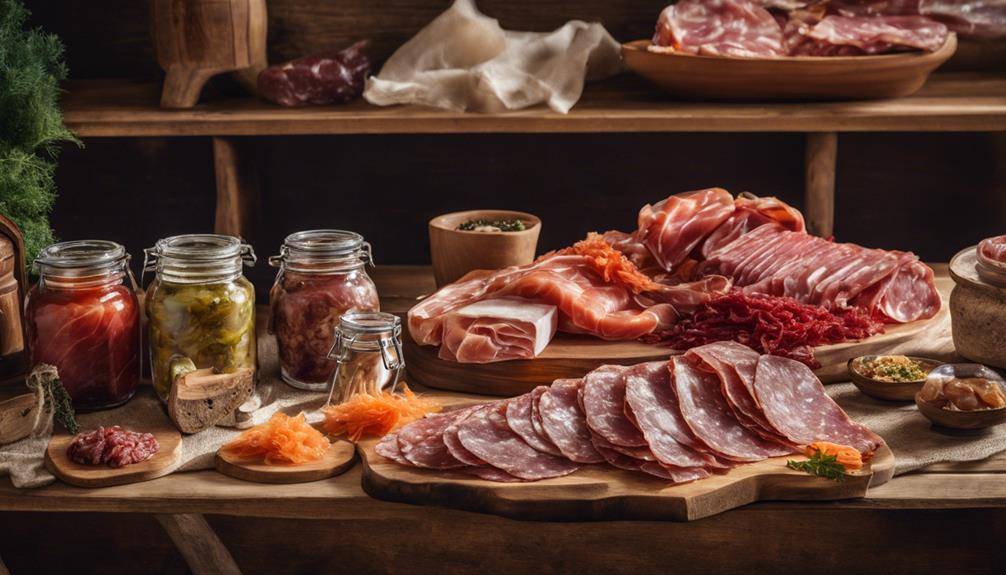
The versatility of both methods means you can experiment widely in your kitchen. Cured meats can be paired with cheeses and fruits for a delightful charcuterie board, while fermented ingredients can serve as toppings or side dishes that complement a main course.
Popular Cured Foods
Cured foods have captured the hearts and palates of many culinary enthusiasts around the world. From savory cured meats to zesty cured vegetables, these delicacies offer a rich tapestry of flavors and textures that elevate dishes to new heights. You might be surprised to learn about the variety of cured foods available, each reflecting unique regional varieties that showcase local ingredients and traditions.
Cured meats, like prosciutto, salami, and pancetta, are staples in many cuisines. They’re often made using traditional recipes passed down through generations, combining specific curing spices to create distinctive flavors. You can even try your hand at homemade curing, allowing you to experiment with different meats and spices, personalizing your creations to suit your taste.
Cured fish, such as gravlax and smoked salmon, provide a delightful twist on seafood. The process enhances the fish’s natural flavors while adding a briny depth that’s hard to resist. Pair them with artisanal bread or fresh vegetables for a gourmet experience.
Cured vegetables, including pickles and kimchi, offer a revitalizing contrast to their meat counterparts. They’re versatile and can be incorporated into salads, sandwiches, or served as side dishes. Embracing artisanal curing practices can lead to discovering new textures and tastes that highlight seasonal produce.
Whether you’re indulging in classic cured meats or experimenting with homemade curing, the world of cured foods invites you to explore and savor its rich diversity.
Popular Fermented Foods
Fermented foods have gained popularity alongside their cured counterparts, showcasing a different spectrum of flavors and health benefits. You might already enjoy yogurt cultures, which not only add creaminess to your breakfast but also boost your gut health. Exploring various kimchi varieties can elevate your meals with their spicy, tangy flavors while delivering a wealth of probiotics.
If you’re curious about fermented beverages, kombucha benefits are hard to ignore. This fizzy tea not only quenches your thirst but also provides a revitalizing dose of gut-friendly bacteria. Don’t overlook sauerkraut origins, either; this classic dish, made from fermented cabbage, offers a crunchy texture and a deliciously sour taste that’s perfect for topping off sandwiches.
For those looking to experiment, consider different miso types. This fermented soybean paste can enhance soups, marinades, and dressings with its rich umami flavor. You can also immerse yourself in the world of kefir grains, which allow you to create your own tangy, probiotic-rich drink at home.
If you’re a fan of plant-based foods, tempeh recipes are a great way to incorporate fermented soy into your diet. Finally, mastering various pickling techniques can help you preserve seasonal vegetables while enhancing their flavors. By including these probiotic foods in your diet, you’re not only enjoying unique tastes but also supporting your overall health.
Environmental Impact
The environmental impact of curing and fermenting foods can vary greatly, influencing everything from resource use to waste generation. Curing often requires more energy usage and resource consumption, especially when it involves refrigeration or prolonged processing methods. This can lead to higher carbon emissions compared to fermenting, which typically relies on natural processes and lower energy inputs.
Fermenting foods can incorporate sustainability practices that support local sourcing. By using local ingredients, you can help reduce the ecological footprint associated with transportation. Additionally, fermentation can enhance soil health through the use of byproducts as animal feed or compost, supporting biodiversity impact in agricultural systems.
On the other hand, curing can generate more waste, especially if preservatives or artificial ingredients are involved. This raises important considerations for waste management, as improper disposal can harm local ecosystems. Environmental regulations often dictate how both methods must be practiced, which can influence your choice.
When considering the overall impact, fermentation tends to align more closely with sustainable practices. It promotes less resource consumption and can contribute positively to biodiversity. However, the specific practices you choose within each method can greatly alter their environmental consequences. By understanding these impacts, you can make informed decisions that reflect your values regarding sustainability and environmental stewardship. Ultimately, both curing and fermenting can be done responsibly, but a closer look at their practices reveals clear distinctions in their environmental footprints.
Personal Preference and Choice
Choosing between curing and fermenting often comes down to personal taste and dietary preferences. You may find that your taste preferences lean more toward the bold, tangy flavors of fermented foods, like kimchi or sauerkraut, or perhaps you prefer the savory richness of cured meats, such as prosciutto or salami. Your dietary restrictions can also play a significant role in this decision. For instance, if you’re vegan or vegetarian, fermenting opens up a world of possibilities with plant-based options, while curing might not align with your lifestyle.
Flavor experimentation is essential in both methods. Curing can enhance the natural flavors of ingredients, while fermenting introduces complex, sour notes that can elevate a dish. Your culinary creativity can shine through as you explore food pairing; for example, pairing fermented pickles with grilled meats or serving cured cheese with fresh fruits.
Cultural influences can guide your choices too. If you grew up with dishes that highlight fermentation, you might naturally gravitate toward those flavors. Conversely, if cured foods were a staple in your upbringing, you might have a stronger affinity for them.
Consider texture preferences as well. Fermented foods often have a crunchy or creamy texture, while cured options can be chewy or melt-in-your-mouth tender. Ultimately, meal versatility plays a significant role. Whether you choose to cure or ferment, both methods offer unique flavors and textures, allowing you to craft meals that reflect your individual tastes and preferences.
Frequently Asked Questions: Curing Vs. Fermenting: Which Is Better
Can Curing and Fermenting Be Used Together in Food Preparation?
Yes, you can absolutely use curing and fermenting together in food preparation. This combination creates synergistic flavors and enhances preservation, resulting in delicious, complex products that showcase the best qualities of both techniques.
How Do Curing and Fermenting Affect Food Safety Differently?
Curing and fermenting impact food safety differently. Curing slows bacterial growth and prevents spoilage through salt and preservatives, while fermenting promotes beneficial bacteria that can outcompete harmful ones, enhancing preservation and safety in food.
What Are the Cultural Significance of Curing and Fermenting Practices?
You’ll find that cultural traditions and historical practices surrounding curing and fermenting often reflect a community’s identity and heritage. These methods preserve food and connect generations, showcasing local ingredients and culinary techniques unique to each culture.
Are There Specific Tools Needed for Curing or Fermenting at Home?
You’ll need specific curing tools like salt and a thermometer, while fermenting requires vessels such as jars or crocks. Both methods enhance flavors, so investing in quality equipment makes your home projects more successful and enjoyable.
How Do Curing and Fermenting Impact Food Storage Longevity?
Curing and fermenting extend food storage longevity by inhibiting spoilage. You’ll enjoy flavor enhancement and nutritional benefits, as these processes transform ingredients, making them safer and tastier while preserving their freshness for longer periods.

Conclusion
In the end, whether you prefer curing or fermenting really depends on your taste and cooking style. Curing offers bold flavors and preservation, while fermenting brings depth and probiotics to the table. Both methods have rich histories and unique processes that enhance food in different ways. So, why not explore both? Experiment with various ingredients and dishes to discover what excites your palate. Ultimately, it’s about enjoying the journey and the delicious results!
If you enjoyed exploring this topic and want to dive even deeper, be sure to check out some of our other articles here on Infinite Flavors. From rich culinary histories to creative twists on classic recipes, there’s always something new to discover. Whether you’re curious about the origins of a dish, looking for fresh inspiration in the kitchen, or simply love learning about food culture, our collection of posts is the perfect next step on your flavor journey.
Great Curing Techniques For Different Types Of Meat
How To Cure Food For Keto Diet
How To Control Humidity When Curing Food