Amazing Spanish Cooking Techniques And Tips
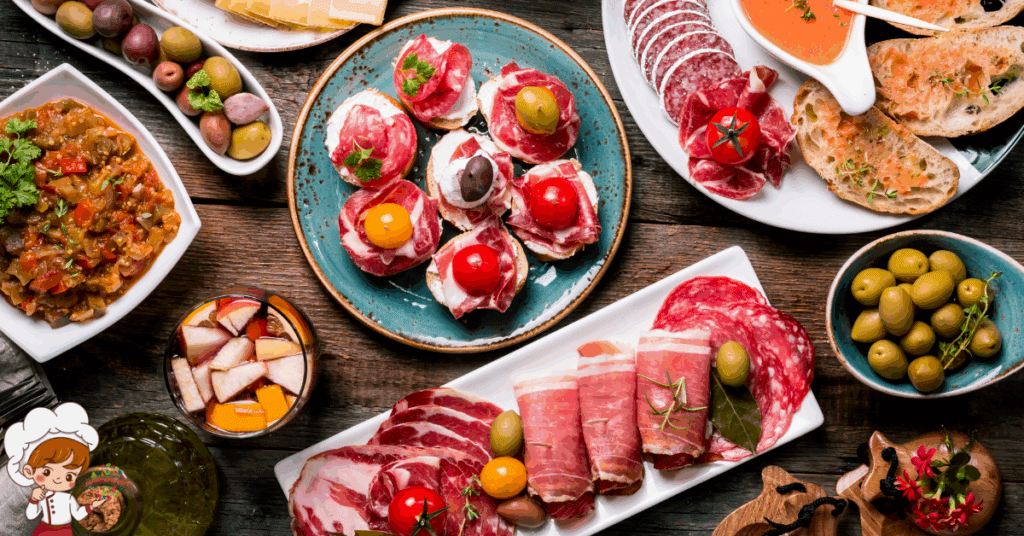
Amazing Spanish Cooking Techniques And Tips; Step into the vibrant world of Spanish cuisine, where flavors dance on your palate like a flamenco performance. Whether you’re a seasoned chef or a novice in the kitchen, there’s something enchanting about the techniques and tips that make Spanish cooking so special. From the art of perfecting paella to the mastery of tapas, there’s a wealth of culinary knowledge waiting to be uncovered. So, grab your apron and prepare to embark on a delicious journey through the heart of Spain’s gastronomic traditions.
Essential Spanish Ingredients
When it comes to Spanish cooking, there are several essential ingredients that are crucial for capturing the authentic flavors of this vibrant cuisine. These Spanish pantry essentials will elevate your dishes to a whole new level of deliciousness. Let’s start with the must-have Spanish spices that will bring depth and complexity to your cooking.
First on the list is saffron, the golden treasure of Spanish cuisine. Known as the world’s most expensive spice, it adds a unique floral aroma and a rich, golden color to dishes like paella and arroz con pollo. Just a pinch of this precious spice can transform an ordinary dish into something extraordinary.
Next up is smoked paprika, also known as pimentón. This spice is made from dried and smoked red peppers, giving it a smoky, slightly sweet flavor. It is a staple in Spanish cuisine and adds depth and warmth to dishes like chorizo, stews, and marinades. Whether you choose the sweet or spicy version, smoked paprika is a must-have in any Spanish pantry.
Another essential spice is cumin, which adds earthy and nutty flavor to many Spanish dishes. It is commonly used in traditional dishes like gazpacho, lentil soup, and meatballs. Cumin pairs well with other Spanish spices and ingredients, enhancing their flavors and creating a harmonious blend of taste.
Lastly, don’t forget about Spanish olive oil. This liquid gold is the foundation of Spanish cooking and is used for everything from frying to dressing salads. Look for extra virgin olive oil, which has a rich, fruity flavor and adds a distinct Spanish touch to your dishes.
Traditional Spanish Cooking Methods
Get ready to explore the traditional cooking methods of Spain. From grilling and roasting to braising and stewing, these techniques are essential in creating the rich and flavorful dishes that Spain is known for. And let’s not forget about frying and sautéing, which add that irresistible crispy texture to many Spanish classics. So grab your apron and get ready to master these time-honored methods in your own kitchen.
Grilling and Roasting
To master the art of grilling and roasting in traditional Spanish cooking, embrace the sizzling flames and tantalizing aromas that bring out the true essence of the ingredients. Grilling and roasting are two fundamental techniques that add depth and richness to Spanish dishes. Here are some tips to help you perfect these methods:
- Grilling Techniques:
- Start with a hot grill to sear the meat and lock in the flavors.
- Use charcoal or wood for an authentic smoky taste.
- Marinate the meat beforehand to enhance its juiciness.
- Roasting Tips:
- Preheat the oven to ensure even cooking.
- Baste the meat with its own juices or flavorful marinades.
- Let the meat rest after roasting to allow the flavors to settle.
Braising and Stewing
Now, let’s explore the art of braising and stewing, two traditional Spanish cooking methods that infuse dishes with rich flavors and tender textures. Braising and stewing involve slow cooking, allowing the flavors to meld together and create a delicious dish. In braising, the food is first seared and then cooked in liquid, such as broth or wine, over low heat for an extended period of time.
This slow cooking process breaks down tough cuts of meat, resulting in a melt-in-your-mouth texture. Stewing, on the other hand, involves cooking food in liquid for an extended period of time without searing it first. This method allows the flavors to develop and intensify, resulting in a deeply flavored dish. Both techniques are excellent for flavor infusion and creating hearty, comforting meals.
Frying and Sautéing
When it comes to traditional Spanish cooking methods, frying and sautéing are essential techniques that add incredible flavor and texture to dishes. These methods are widely used in Spanish cuisine to create delicious and crispy dishes that are loved by many. Here are two types of frying techniques commonly used in Spanish cooking:
- Deep Frying:
- Deep frying involves submerging food completely in hot oil. This method is perfect for creating crispy and golden dishes like churros and croquetas.
- The high heat of the oil quickly cooks the food, resulting in a crispy exterior and a moist interior.
- Pan Frying:
- Pan frying is done by cooking food in a shallow pan with a small amount of oil. This method is great for searing meat, fish, and vegetables.
- The oil in the pan helps to brown the food and develop a delicious crust while retaining moisture.
Mastering these frying techniques will take your Spanish dishes to a whole new level of deliciousness!
Tips for Perfecting Paella
For the perfect paella, remember to season the rice with a medley of aromatic spices, allowing each grain to soak up the rich flavors. Achieving the perfect rice texture is key to creating an authentic and delicious paella. To start, make sure you use the right type of rice. Short-grain rice, like Bomba or Calasparra, is ideal for paella because it absorbs more liquid without becoming mushy.
To ensure the rice cooks evenly, spread it out in an even layer in the paella pan. This allows each grain to cook uniformly and prevents clumping. It’s also important to avoid stirring the rice once the broth has been added. Unlike risotto, paella should have a distinct texture with individual grains.
When it comes to choosing the right seafood, freshness is crucial. Look for shellfish that is still alive or has been recently harvested. For the best flavor, opt for a variety of seafood like shrimp, mussels, and clams. You can also add other proteins like chicken or chorizo to enhance the flavors further.
To infuse the rice with a depth of flavor, start by sautéing onions, garlic, and bell peppers in olive oil. This aromatic base will provide a solid foundation for the rest of the ingredients. Add the rice and spices, like saffron, paprika, and a pinch of cayenne, to the pan and stir to coat the grains evenly.
Lastly, be patient and resist the temptation to peek or stir the paella while it’s cooking. Allow it to cook undisturbed for about 20 minutes, or until the rice is tender and the bottom forms a crispy crust known as socarrat. Remember, the key to a perfect paella lies in the details – from the rice texture to the selection of seafood – so take your time and savor the process.
Mastering Tapas: Small Plate Delights
Get ready to indulge in a culinary adventure as we dive into the art of mastering tapas – those delightful small plates that pack big flavors. Tapas, originating from Spain, have become increasingly popular worldwide for their unique presentation and ability to be paired with a variety of flavors. Whether you’re hosting a party or simply enjoying a meal, mastering tapas can elevate your dining experience to new heights. Here are some tips to help you perfect your tapas presentation and pairing:
- Tapas Presentation:
- Experiment with different serving vessels, such as small plates, bowls, or even shot glasses, to showcase the vibrant colors and textures of your tapas.
- Create visually appealing presentations by arranging tapas in an artful manner, using height variations and garnishes to add an extra touch of elegance.
- Tapas Pairing:
- Consider the flavors and ingredients of your tapas when choosing the accompanying beverages. For example, seafood tapas can be perfectly paired with a crisp white wine, while meat tapas can be complemented by a robust red wine.
- Don’t be afraid to mix and match flavors. The beauty of tapas lies in their versatility, allowing you to create a unique combination of tastes and textures that harmonize together.
Secret Sauces and Seasonings
Enhance the flavors of your tapas with secret sauces and seasonings that will take your culinary creations to the next level. Spanish cuisine is known for its bold and vibrant flavors, and the use of secret sauce recipes and effective seasoning techniques is key to achieving this. Whether you’re making traditional Spanish dishes or putting a modern twist on them, these tips will help you elevate your cooking game.
One of the secrets to a great sauce is balance. It’s important to combine different flavors and textures to create a harmonious blend. For a classic Spanish Romesco sauce, roast red peppers, almonds, garlic, and tomatoes, then blend them together with olive oil and sherry vinegar. This sauce is versatile and can be used as a dip, dressing, or marinade.
Another popular secret sauce is Mojo Picon, a spicy and tangy sauce made with garlic, paprika, cumin, vinegar, and olive oil. It’s commonly used to marinate meat or drizzled over grilled vegetables.
When it comes to seasonings, Spanish cuisine has a wide range of options. Smoked paprika, or pimentón, adds a distinct smoky flavor to dishes like patatas bravas or chorizo. Saffron, known as the most expensive spice in the world, adds a unique floral and earthy taste to paella and other rice dishes.
To use seasonings effectively, start with a small amount and taste as you go. Remember that it’s easier to add more seasoning than to take it away. Use seasonings to enhance the natural flavors of your ingredients, not overpower them.
With these secret sauce recipes and tips for using seasonings effectively, you’ll be able to create Spanish dishes that are bursting with flavor. So go ahead, experiment in the kitchen, and take your tapas to the next level. Your taste buds will thank you.
Desserts That Capture the Flavors of Spain
Get ready to indulge in a sweet journey through the flavors of Spain. From traditional treats that have been enjoyed for centuries to modern dessert innovations that push the boundaries of taste, Spanish desserts are a true delight. Prepare to savor the rich flavors of almond and citrus, the velvety texture of custards and flans, and the irresistible allure of churros and chocolate. Whether you have a sweet tooth or simply appreciate the art of dessert-making, Spain has something to satisfy every palate.
Traditional Spanish Treats
Indulge in the delectable world of traditional Spanish treats, where desserts embody the vibrant and rich flavors of Spain. From delicious Spanish pastries to festive sweets, there is something for every dessert lover to enjoy.
Discover the enchanting flavors of traditional Spanish treats with these delightful options:
- Churros: Crispy and golden on the outside, soft and fluffy on the inside, these sugary delights are perfect for dipping in a rich chocolate sauce.
- Turron: A popular holiday treat, turron is a sweet nougat made with almonds, honey, and egg whites. It comes in various flavors, such as almond, chocolate, and fruit.
Experience the culinary wonders of Spain as you savor these mouthwatering desserts. Whether you’re craving a warm churro or a bite of turron, the traditional Spanish treats will transport your taste buds to the heart of Spain.
Modern Dessert Innovations
As you continue your exploration of traditional Spanish treats, prepare to be amazed by the modern dessert innovations that skillfully capture the vibrant and authentic flavors of Spain. In the world of innovative confectionery, Spain stands out with its avant-garde pastries that push the boundaries of traditional desserts. These creations not only showcase the mastery of Spanish pastry chefs but also highlight the rich culinary heritage of the country.
From creative interpretations of classic desserts like churros and flan to unique flavor combinations using ingredients like saffron, olive oil, and sherry, these modern desserts offer a delightful fusion of tradition and innovation. Imagine indulging in a delicate saffron-infused ice cream or savoring a decadent olive oil chocolate cake. These avant-garde pastries will take your taste buds on a thrilling journey through the flavors of Spain.
Frequently Asked Questions: Amazing Spanish Cooking Techniques And Tips
What Are Some Common Substitutes for Traditional Spanish Ingredients in Spanish Cooking?
If you’re looking to make vegan Spanish dishes, some common substitutes for traditional Spanish ingredients include using tofu as a replacement for meat and using plant-based milk instead of dairy. For gluten-free diets, try using corn or rice flour instead of wheat flour in Spanish recipes.
Are There Any Alternative Cooking Methods for Traditional Spanish Dishes, Other Than the Ones Mentioned in the Article?
Looking to put a modern twist on classic tapas recipes? There are plenty of alternative cooking techniques for traditional Spanish dishes. Explore new methods like sous vide or grilling to add a unique flavor to your creations.
How Can I Make a Vegetarian or Vegan Version of Paella Without Compromising on Flavor?
Want to make a flavorful vegan paella without compromising taste? Here are some tips: substitute traditional Spanish ingredients like chorizo with plant-based alternatives, use vegetable broth for a rich flavor, and add plenty of spices and herbs for that authentic Spanish taste.
What Are Some Creative Variations of Traditional Tapas Recipes That I Can Try?
Looking to put a unique twist on classic tapas dishes? Get creative with non-traditional ingredients! Explore inventive combinations like beet and goat cheese croquetas or avocado and mango gazpacho. The possibilities are endless!
Can You Provide Some Recommendations for Pairing Specific Spanish Desserts With Different Types of Spanish Wines?
To pair Spanish desserts with non-Spanish wines, opt for sweet wines like Port or Moscato. Get creative and incorporate Spanish desserts into other cuisines by using flan as a filling for crepes or churros in an ice cream sundae.
Conclusion
In conclusion, Spanish cooking techniques and tips offer a delightful journey into the rich and vibrant flavors of Spain. By mastering traditional cooking methods, using essential ingredients, and exploring the art of tapas, you can create mouthwatering dishes that capture the essence of Spanish cuisine. Don’t forget to experiment with secret sauces and seasonings to elevate your dishes to new heights. And let’s not forget the decadent desserts that will transport you to the sunny streets of Spain. ¡Buen provecho!