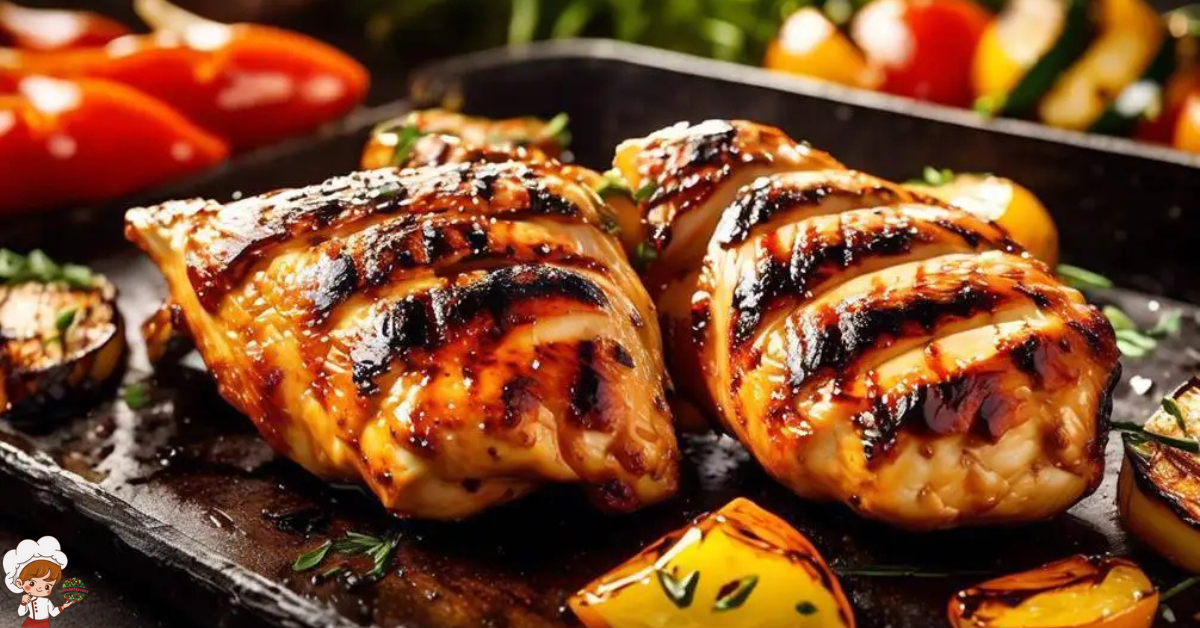
The Great Difference Between Baking And Searing
Great Difference Between Baking And Searing; Baking and searing are two different cooking methods that create unique flavors and textures in your dishes. When you bake, you use dry heat in an oven, allowing for even cooking of foods like bread and pastries over longer periods. On the other hand, searing involves applying high heat directly to food, typically meats, which creates a flavorful crust in just a few minutes. While baking enhances moisture and mellows flavors, searing intensifies them through caramelization. Understanding these differences can elevate your cooking, so stick around for some handy tips and techniques!
Click Here and Turn Every Masterpiece into a Showstopper!
Overview of Baking
Baking is a cooking method that uses dry heat to transform ingredients into delicious dishes. Whether you’re whipping up cookies, bread, or casseroles, understanding baking methods and the right baking equipment is vital for success. You’ll find that baking relies on the even distribution of heat, often achieved using an oven, which is the cornerstone of this technique.
When you start baking, familiarize yourself with various baking methods. Convection baking circulates hot air around the food, creating an even temperature that can lead to beautifully browned and evenly cooked dishes. You might also explore traditional baking, which uses still air for a gentler approach, perfect for delicate pastries. Each method has its unique benefits, so choose what fits your recipe best.
As for baking equipment, having the right tools makes all the difference. Invest in quality bakeware, like metal or glass pans, to guarantee even cooking. Don’t forget essential items like mixing bowls, measuring cups, and a reliable oven thermometer to maintain accurate temperatures. A good set of baking sheets can also elevate your cookie game.
Overview of Searing
Searing is a cooking technique that involves applying high heat to the surface of food, usually meat, to create a flavorful crust. You’ll find that this method not only enhances the taste but also locks in moisture, making your dishes more succulent. Understanding the process behind flavor development during searing can elevate your culinary skills greatly.
Definition of Searing
When you think of cooking techniques that bring out rich flavors, searing often comes to mind. It’s a method where you cook food, particularly proteins, at high heat to create a flavorful crust. This process involves direct contact with a hot surface, like a skillet or grill, which caramelizes the sugars and browns the proteins, enhancing the overall taste.
Many people fall prey to searing myths, believing it seals in juices or is the only way to achieve flavor. In reality, while searing does create a delicious exterior, it doesn’t lock in moisture as some think. Instead, it’s a significant step that prepares your ingredients for further cooking, whether you’re finishing them in the oven or adding them to a sauce.
Understanding searing techniques is essential for any home cook. You can experiment with different oils, temperatures, and times to find what works best for your dishes. Mastering searing not only elevates your meals but also builds a strong foundation for more complex cooking methods. With practice, you’ll appreciate how this technique transforms your ingredients into something truly special.
Cooking Techniques Used
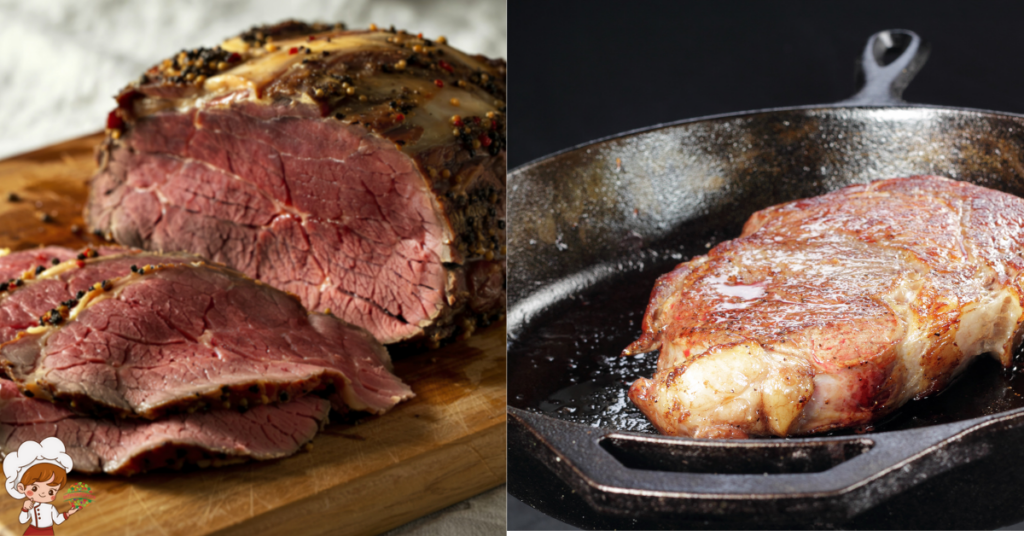
The art of searing relies on a few key techniques that can transform your cooking. First, you’ll want to choose the right cut of meat, as those with more fat tend to sear better, sealing in flavor and moisture. Preheating your pan is essential; you need it hot enough to create that beautiful crust without overcooking the inside. Using a heavy-bottomed skillet, like cast iron, helps maintain even heat.
Next, add a high smoke point oil—like canola or grapeseed—to your pan. This guarantees that the oil won’t burn during the searing process. When you place the meat in the pan, resist the urge to move it around; let it sit for a few minutes to develop a good sear. Flip it only when you see a golden-brown crust forming.
While baking benefits include even cooking and moisture retention, searing techniques focus on high heat and quick cooking to create that rich, caramelized exterior. This contrast in methods highlights the unique advantages of each approach, allowing you to elevate your culinary skills. By mastering searing, you’ll reveal a world of flavor and texture in your dishes.
Click Here and Turn Every Masterpiece into a Showstopper!
Flavor Development Process
One of the most important aspects of searing is how it enhances flavor through the Maillard reaction. This chemical process occurs when proteins and sugars in food react to high heat, creating that delicious brown crust you love. Unlike baking techniques that cook food more gently and evenly, searing methods apply intense heat directly to the surface, resulting in a quick caramelization that locks in moisture and amplifies flavors.
When you sear meat, for example, you’re not just cooking it; you’re developing complex flavors that elevate your dish. The savory aroma and rich taste that come from searing are hard to achieve with baking alone. Searing also adds a delightful texture, giving your food a crunchy exterior while keeping it tender inside.
To master the flavor development process, you should focus on the right temperature and timing. Preheat your pan until it’s hot enough to create that sear, but watch closely to avoid burning. By understanding how searing methods work, you can transform ordinary ingredients into extraordinary meals, showcasing the power of flavor development in your cooking repertoire.
Key Differences in Technique
Baking and searing employ distinct techniques that considerably affect the final dish. In a technique comparison, baking involves cooking food evenly in an enclosed space, usually an oven, where hot air circulates around the dish. This method is ideal for items like bread, cakes, or casseroles, allowing for thorough cooking and moisture retention. You’ll notice that baked goods often develop a soft texture and a well-balanced flavor profile.
On the other hand, searing focuses on high heat and direct contact with a hot surface, typically a skillet or grill. When you sear, you aim for that beautiful brown crust, which enhances flavor through caramelization and Maillard reactions. This technique is commonly used for meats and vegetables, providing a contrast between the crispy exterior and the tender interior.
In terms of culinary applications, the choice between baking and searing can dramatically change your dish. For instance, if you’re preparing a roast chicken, baking allows the juices to baste the bird, resulting in moist meat. However, if you sear the chicken first, you lock in flavor and create a crispy skin before finishing it in the oven.
Understanding these key differences in technique helps you select the right method for your intended outcome. Whether you’re looking for a tender bake or a flavorful sear, mastering these techniques will elevate your cooking skills and enhance your dishes.
Cooking Times and Temperatures
When you’re cooking, understanding the temperature ranges for baking and searing is essential. You’ll notice that cooking times vary considerably between the two methods, largely due to the different heat sources involved. Let’s break down these differences so you can achieve the perfect results every time.
Temperature Ranges Comparison
Cooking techniques like baking and searing operate within distinct temperature ranges that greatly influence the final outcome of your dishes. When you bake, you typically use temperatures between 300°F and 500°F, allowing for even heat distribution. This method slowly cooks food, resulting in a tender texture and rich flavors. The temperature effects here encourage moisture retention, making it ideal for items like cakes and casseroles.
On the other hand, searing involves higher temperatures, usually ranging from 400°F to 600°F. This cooking method quickly browns the surface of your meat, creating a delicious crust while sealing in juices. The high heat causes the Maillard reaction, enhancing flavor and texture. Because of these temperature effects, you’ll notice that searing is perfect for steaks, fish, and other proteins that benefit from a crispy exterior.
Understanding these temperature ranges is essential for mastering your cooking methods. Whether you’re baking a delicate soufflé or searing a perfect steak, knowing how temperature influences your dish will help you achieve the best results every time.
Cooking Time Variations
Understanding the cooking times for baking and searing is essential for achieving the desired results in your dishes. When you bake, you’re typically looking at longer cooking times, often ranging from 20 minutes to several hours, depending on the dish. This method allows heat to circulate evenly, ensuring your food cooks thoroughly. For instance, baking a cake requires patience, as the cooking time is vital for achieving the right texture.
On the other hand, searing involves much shorter cooking times, usually just a few minutes per side. This preparation method focuses on quickly browning the surface of your food, locking in flavors and moisture. When you sear a steak, for example, you want to achieve a crispy crust while keeping the inside tender and juicy, which means timing is everything.
Using the right cooking time for each method is vital. If you sear too long, your meat could become overcooked. Conversely, undercooking a baked good can lead to a dense or raw interior. By understanding these variations in cooking time, you’ll be better equipped to choose the right preparation methods for your meals.
Click Here and Turn Every Masterpiece into a Showstopper!
Heat Source Differences
The heat source plays an essential role in the cooking methods of baking and searing, impacting both cooking times and temperatures. When you bake, you rely primarily on radiant heat from the oven. This heat surrounds the food, creating convection currents that circulate the warm air, allowing even cooking. This method typically requires longer cooking times at lower temperatures to guarantee thorough heat retention and moisture control, especially for items like bread or casseroles.
In contrast, searing utilizes direct, high heat, often from a stovetop or grill. This intense heat quickly caramelizes the surface of the food, locking in moisture and flavor. Searing usually demands shorter cooking times—just a few minutes on each side—because the goal is to create a crust without fully cooking through the meat.
Both methods serve distinct purposes, and understanding their heat sources helps you achieve desired results. When you choose how to cook, remember that radiant heat in baking promotes evenness, while the direct heat in searing emphasizes flavor and texture. Balancing these techniques can elevate your cooking game to new heights.
Best Foods for Baking
When it comes to baking, a variety of foods shine in the oven’s warm embrace. From bread to pastries, the right baking ingredients and techniques elevate your dishes to new heights. If you’re looking to explore the best foods for baking, start with bread. This staple relies on yeast, flour, and water, and with the right baking techniques, you can achieve a crusty exterior and a soft, airy interior.
Pastries are another fantastic option. Whether you’re making flaky croissants or rich Danish pastries, mastering the art of pastry dough is essential. Use quality butter and the appropriate baking ingredients to achieve that perfect texture. Cakes also deserve a mention; they offer endless possibilities. You can create anything from light sponge cakes to decadent chocolate layers, all requiring specific baking techniques like creaming butter and sugar or folding in egg whites.
Don’t forget about cookies! They’re quick to prepare and a crowd favorite. From chewy chocolate chip to delicate butter cookies, the right balance of flour, sugar, and fat is key. Finally, consider baking vegetables. Roasting carrots or Brussels sprouts enhances their natural sweetness, and this technique brings out flavors you might not achieve through other cooking methods.
Best Foods for Searing
When you think about searing, certain meats and vegetables stand out as the best options. Cuts like steak, pork chops, and chicken breasts develop a delicious crust that enhances flavor. Plus, searing veggies like bell peppers and zucchini brings out their natural sweetness and adds a lovely char.
Ideal Meat Cuts
Choosing the right meat cuts is essential for achieving that perfect sear. When you think about searing, you want to focus on ideal meat cuts that provide both flavor and tenderness. Cuts like ribeye, sirloin, and filet mignon are excellent choices because they contain enough fat to develop a beautiful crust while maintaining their juiciness.
Ribeye, with its marbling, offers incredible flavor and tenderness, making it a top contender. Sirloin, on the other hand, is leaner but still packs a punch in taste and can hold up well to high heat. If you’re looking for something leaner, consider filet mignon; it’s tender, although it may not have the same robust flavor as ribeye.
Don’t overlook pork cuts either! Pork chops and tenderloin can yield fantastic results when seared properly. Each cut has unique qualities, so try experimenting to find your favorite. Remember, the key is to choose cuts that not only sear well but also enhance your dish’s overall meat tenderness. With the right selection, you’ll elevate your searing game and enjoy a delicious meal every time.
Vegetables for Searing
Although searing is often associated with meats, a variety of vegetables can also benefit from this high-heat cooking method. When it comes to vegetable selection, you’ll want to choose those that can withstand intense heat without losing their texture or flavor. Some of the best options include bell peppers, zucchini, asparagus, and eggplant. These vegetables not only caramelize beautifully but also develop a rich, smoky flavor that enhances any dish.
To get the most out of your searing experience, cut your vegetables into uniform pieces. This guarantees even cooking and allows them to achieve that delicious char you’re after. Remember to preheat your pan or grill until it’s hot before adding your veggies; this step is essential for getting that fantastic sear.
Experiment with different cooking methods to see what you enjoy most. You can sear vegetables in a cast-iron skillet, on a grill, or even in a wok. Each method brings a unique texture and taste, so don’t hesitate to mix it up. With the right vegetable selection and techniques, searing can elevate your vegetable dishes to a whole new level.
Flavor Development in Baking
Baking creates a rich tapestry of flavors through a combination of heat, time, and the transformation of ingredients. When you bake, whether it’s bread, cakes, or casseroles, you’re using specific baking techniques that enhance the natural flavors of your ingredients. The gentle, even heat allows for a gradual cooking process, which is essential for developing complex flavor profiles.
One of the key aspects of baking is the Maillard reaction, which occurs when amino acids and reducing sugars react under heat. This reaction creates that delightful golden-brown crust on your baked goods, offering a depth of flavor that you just can’t get with quick cooking methods. Additionally, the slow evaporation of moisture during baking intensifies flavors, allowing the ingredients to meld together beautifully.
Another important element is the use of spices and herbs. When you incorporate these into your baking, their essential oils are released and infused into the dish over time, elevating the overall taste. For instance, adding cinnamon to a loaf of banana bread not only enhances its sweetness but also introduces warm, aromatic notes that make each bite irresistible.
Flavor Development in Searing
Searing creates bold, intense flavors by quickly cooking the surface of meats and other ingredients at high temperatures. This rapid cooking triggers the Maillard reaction, a chemical process that occurs when amino acids and sugars react under heat. It’s this reaction that gives seared foods their distinctive, savory crust, enhancing flavor complexity in each bite.
When you sear, you’re not just cooking; you’re elevating the overall dish. The high heat caramelizes the natural sugars, creating deep, rich flavors. This adds an element of sweetness that balances beautifully with the savory notes. The result? A mouthwatering contrast that keeps your taste buds engaged.
Texture contrast is another key component of searing. The exterior develops a crispy, golden-brown crust, while the interior remains juicy and tender. This duality not only enhances the eating experience but also invites your palate to explore the different sensations, making each bite more satisfying.
Ingredient interaction plays an essential role, too. When you sear proteins alongside vegetables or aromatics, the flavors meld together, creating a harmonious blend. For instance, searing onions and garlic with meat infuses the dish with richness, while the Maillard reaction adds layers of complexity.
Health Considerations
Health factors play an essential role in deciding whether to bake or sear your food. Both methods have their pros and cons when it comes to health, so it’s crucial to weigh the nutritional impact of your cooking choices.
Baking is often regarded as a healthier option. It typically requires less oil or fat, allowing you to prepare meals with fewer calories. For instance, when you bake vegetables, you can retain their nutrients while minimizing added fats. This method often results in a lower calorie count, making it great for those watching their weight.
On the other hand, searing can enhance flavor but may come with a higher calorie comparison. When you sear meat, you often use oil or butter, which increases the overall fat and calorie content of the dish. The high heat can also produce compounds that, while flavor-enhancing, may not be the healthiest choice for frequent consumption.
Moreover, the nutritional impact of your meal can vary based on the cut of meat or type of vegetable you choose to sear. Lean cuts of meat or vegetables can still be healthy when seared, but they might not offer the same benefits as baked options.
Ultimately, it’s important to reflect on your personal health goals. By being mindful of the cooking methods you use, you can enjoy delicious meals while also prioritizing your well-being.
Combining Baking and Searing
If you’re looking to maximize flavor while keeping health in mind, combining baking and searing can be a game-changer. This approach allows you to enjoy the best of both worlds: the rich, caramelized flavors from searing and the even cooking that baking methods provide. By starting with searing techniques, you lock in moisture and create a delicious crust on your protein or vegetables.
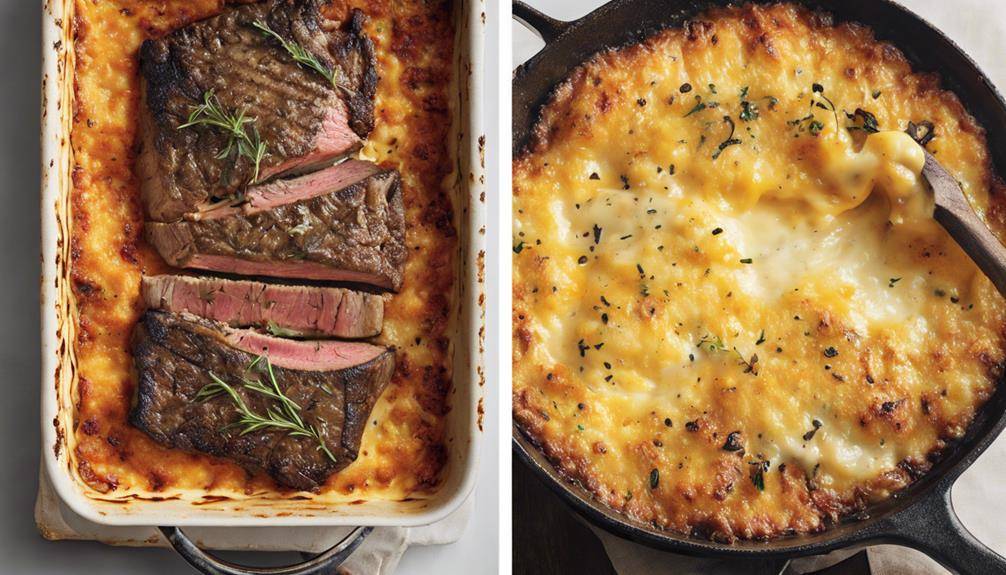
Begin by preheating a skillet over high heat and adding a small amount of oil. Sear your food for a few minutes on each side until it develops a golden-brown exterior. This step enhances the flavor profile, making your dish more enticing. Once you’ve achieved that beautiful sear, transfer the food to a baking dish and pop it into a preheated oven to finish cooking through.
This combination is particularly effective for thicker cuts of meat, like chicken breasts or pork chops, which benefit from the quick, intense heat of searing followed by the gentle, consistent heat of baking methods. You’ll find this technique helps maintain juiciness while ensuring a perfectly cooked interior.
Additionally, using this method allows you to incorporate healthy ingredients, like roasted vegetables, alongside your main dish in the oven. With a little practice, you’ll master the art of combining baking and searing, transforming everyday meals into culinary delights. Give it a try and elevate your cooking game!
Click Here and Turn Every Masterpiece into a Showstopper!
Frequently Asked Questions: Great Difference Between Baking And Searing
Can I Sear Foods Before Baking for Added Flavor?
Yes, you can definitely sear foods before baking for added flavor! Using searing techniques enhances the dish’s taste, creating a caramelized crust that locks in juices and elevates the overall dining experience. Enjoy experimenting!
How Do Baking and Searing Affect Nutrient Retention?
Baking and searing can both cause nutrient loss, but in different ways. Searing often retains more vitamins due to shorter cooking times, while baking may lead to more nutrient breakdown through prolonged heat exposure. Choose wisely!
What Kitchen Tools Are Best for Baking and Searing?
For baking, you’ll need tools like metal or glass baking dishes, parchment paper, and measuring cups. For searing, a heavy skillet, tongs, and a meat thermometer are essential to achieve perfect results. Enjoy your cooking!
Can I Bake and Sear in the Same Oven?
Yes, you can bake and sear in the same oven, but you’ll need to adjust the oven temperature for each cooking method. Just make sure you monitor your food closely for best results!
How Do Different Oils Affect Searing Temperatures?
Different oils have varying smoke points, impacting your searing temperatures. Choose oils with higher smoke points for better results, while also considering oil flavors to enhance your dish’s taste without compromising on cooking technique.

Conclusion
To summarize, both baking and searing play essential roles in cooking, each offering unique flavors and textures. While baking provides even heat and a gentle cooking process, searing locks in juices and enhances taste through caramelization. Understanding the differences can elevate your culinary skills, allowing you to choose the right method for your dish. Don’t hesitate to combine both techniques for delicious results. Embrace the versatility of these methods and enjoy experimenting in the kitchen!