Best Utensils For Pan Frying
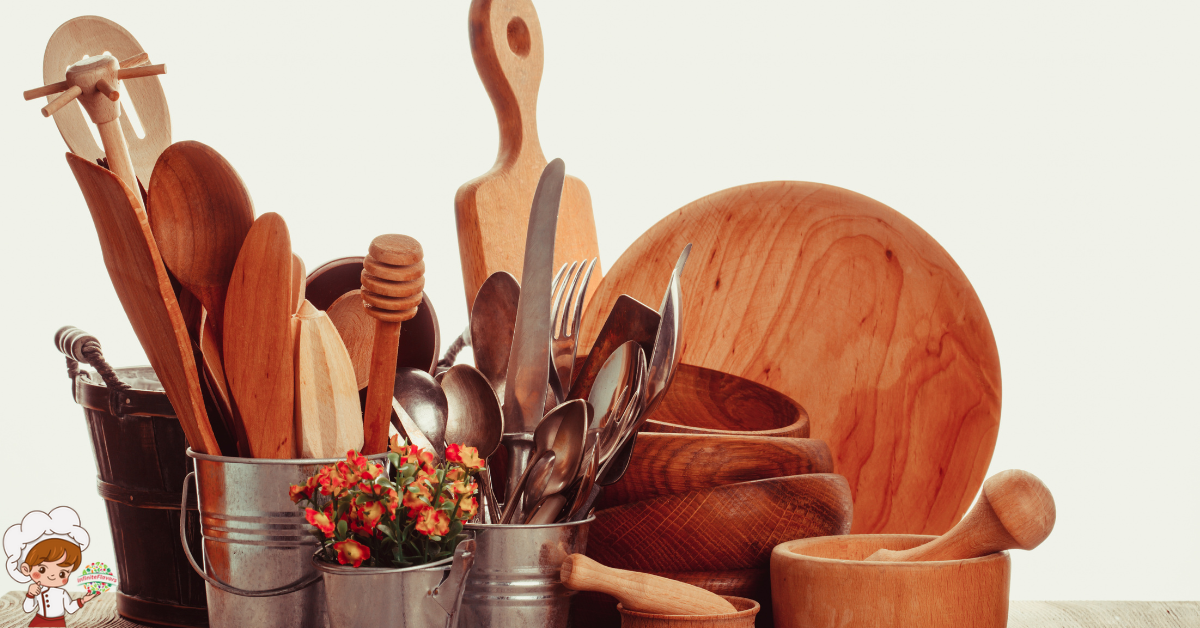
Best Utensils For Pan Frying; When you’re pan frying, choosing the right utensils makes all the difference. Use a heat-resistant silicone spatula for non-stick pans or a sturdy metal spatula for cast iron. Tongs with silicone tips are fantastic for avoiding scratches, while long handles let you stay safe from splattering oil. A durable ladle can help drain excess oil efficiently. Don’t forget a splatter screen to keep your kitchen clean. Prioritize comfort and grip with ergonomic designs. By knowing these essentials, you’ll enhance your cooking experience and cookware’s longevity. There’s plenty more to explore about maximizing your frying success.
Click Here and Turn Every Masterpiece into a Showstopper!
Essential Spatula Types
When you’re pan frying, choosing the right spatula can make all the difference. The right spatula not only helps you flip and serve food but also protects your cookware. You’ll find a variety of spatula materials available, such as silicone, wood, and metal, each with its own advantages. Silicone spatulas are heat-resistant and gentle on non-stick surfaces, making them a popular choice. If you’re using cast iron or stainless steel pans, a metal spatula can provide the strength needed to flip heavier items, but be cautious not to scratch your pans.
Spatula sizes also play an important role in your cooking process. A wider spatula is perfect for flipping larger items like pancakes or burgers, while a smaller one provides precision when dealing with delicate foods like eggs or fish fillets. Think about the types of dishes you often prepare; having a couple of different spatula sizes in your kitchen can enhance your cooking experience.
When selecting a spatula, consider your pan’s surface and the foods you’ll cook most frequently. If you frequently prepare stir-fries, a flexible spatula can help you maneuver around the pan easily. Ultimately, finding the right combination of spatula materials and sizes will make your pan frying easier and more enjoyable. Don’t underestimate the impact of a quality spatula; it can elevate your cooking game greatly!
Choosing the Right Tongs
For effective pan frying, selecting the right tongs is essential. The right tongs can make all the difference in how easily and safely you manage your food. When choosing tongs, consider the tongs material. Silicone-tipped tongs are great for non-stick pans, as they won’t scratch your cookware. Stainless steel tongs are durable and heat-resistant, but they can scratch non-stick surfaces, so keep that in mind. If you mostly use cast iron or stainless steel pans, metal tongs could be the best choice for you.
Next, think about the tongs length. Longer tongs give you more leverage and help you stay safe from splattering oil, especially when you’re frying. A length of around 12 inches is usually ideal for most frying tasks. However, if you’re working with smaller pans or require precision, shorter tongs might be a better fit. Just remember that the right length should allow you to maneuver your food comfortably without getting too close to the heat.
Lastly, consider the tongs’ grip. Look for tongs with a comfortable, non-slip handle that provides good control. Some models even come with locking mechanisms for easy storage. Ultimately, your choice of tongs should enhance your pan frying experience, allowing you to handle food with confidence and ease. With the right tongs material and length, you’ll be better equipped to create delicious meals without the hassle.
Benefits of Non-Stick Utensils
Using the right utensils can enhance your pan frying experience, and non-stick options bring several advantages. First and foremost, non-stick utensils greatly boost your cooking efficiency. They allow food to slide easily out of the pan, reducing the time and effort you spend flipping and serving. This means you can cook more quickly and enjoy a seamless cooking process, whether you’re whipping up breakfast or preparing dinner.
Another major benefit is the health aspect. With non-stick utensils, you can use less oil or butter, which translates to lower calorie meals. This is especially beneficial if you’re trying to maintain a healthier diet. Plus, when food doesn’t stick, you’re less likely to rely on heavy sauces or additional fats to enhance flavor, making your dishes lighter and more nutritious.
Cleaning becomes a breeze with non-stick utensils. You won’t have to scrub away stubborn residues, which saves you time and effort post-cooking. Instead of wrestling with stuck-on food, a simple wipe or rinse often suffices, allowing you to enjoy your meal rather than dread the cleanup.
Importance of Heat Resistance
Choosing heat-resistant utensils is crucial for a successful pan frying experience. When you’re frying at high temperatures, the last thing you want is a utensil that can warp, melt, or release harmful chemicals. Heat resistance guarantees that your tools can handle the intense heat without compromising their integrity or your food’s safety.
Different materials offer various heat conductivity options. For instance, metal utensils like stainless steel and silicone-coated tools provide excellent heat resistance and won’t easily deform under high temperatures. You can confidently flip, stir, and move your ingredients without worrying about your utensil failing. On the other hand, wooden utensils are also a good choice; they’re less likely to conduct heat and can withstand high temperatures without damage.
Temperature fluctuation effects can greatly impact your cooking. If your utensil can’t handle sudden changes in heat, it might crack or warp, which could lead to a cooking disaster. By choosing heat-resistant utensils, you’re minimizing the risk of such issues, allowing you to focus on perfecting your dishes.
Best Ladles for Frying
When it comes to frying, having the right ladle in hand can make all the difference. You need a ladle that can handle high temperatures and effectively scoop up your food without a hassle. Start by considering ladle materials. Stainless steel is a popular choice due to its durability and heat resistance. It won’t warp or melt, even in hot oil. If you prefer something lighter, heat-resistant plastic ladles can also work, but make sure they’re specifically designed for frying.
Next, think about ladle sizes. A larger ladle is great for scooping out bigger portions of fried food, while a smaller one allows for more precise serving or handling smaller items like shrimp or vegetables. Ideally, you should have a couple of different sizes on hand to suit various frying tasks.
Another essential feature to look for is a long handle. This keeps your hands safely away from the hot oil, preventing burns. Some ladles even come with a pouring spout, which can make draining excess oil easier and cleaner.
Ultimately, the best ladle for frying will depend on your cooking style and the types of dishes you enjoy making. Whether you’re frying up crispy chicken or sautéing vegetables, having the right ladle can enhance your frying experience and help you achieve that perfect golden-brown finish. So, invest in a quality ladle that meets your needs, and you’ll notice the difference in your frying game!
Click Here and Turn Every Masterpiece into a Showstopper!
Silicone Vs. Metal Utensils
When choosing between silicone and metal utensils for pan frying, it’s crucial to contemplate their heat resistance, as this can affect your cooking experience. You’ll also want to reflect on how each material interacts with your cookware to avoid scratching. Finally, maintenance and cleaning can vary considerably between the two, so let’s break down what each option offers.
Heat Resistance Comparison
Understanding the heat resistance of utensils can make a significant difference in your cooking experience. When you’re pan frying, you want utensils that can withstand high temperatures without losing their integrity. In a heat conductivity comparison, metal utensils typically excel due to their ability to transfer heat efficiently. They can handle high temperatures, making them ideal for searing meats or achieving that perfect crispy edge.
On the other hand, silicone utensils have a different advantage. They can resist heat up to around 450°F (232°C), which is great for most frying tasks. However, if you’re cooking at extremely high temperatures, you might want to stick with metal. Regarding temperature retention analysis, metal utensils maintain the heat longer, which can be beneficial for certain cooking techniques that require a steady temperature.
Both materials have their place in your kitchen, but knowing when to use each can elevate your cooking. If you’re looking for precision and durability, metal is your best bet. For versatility and protection of non-stick surfaces, silicone is the way to go. Choose wisely, and you’ll enhance your pan frying adventures!
Scratching Cookware Concerns
Choosing the right utensils can greatly impact the longevity of your cookware, especially when it comes to scratching concerns. You need to evaluate the utensil materials to guarantee cookware safety and maintain the integrity of your pots and pans.
Silicone utensils are a popular choice for pan frying because they’re gentle on non-stick surfaces. They won’t scratch or damage your cookware, making them ideal for delicate finishes. Plus, they’re heat-resistant, allowing you to stir or flip food without worrying about melting.
On the other hand, metal utensils can be a double-edged sword. While they’re durable and effective for heavy-duty cooking, they can easily scratch non-stick coatings or other sensitive surfaces. If you prefer using metal, think about opting for utensils with rounded edges to minimize damage.
Ultimately, your choice comes down to the type of cookware you have and your cooking style. If you want to preserve your cookware’s lifespan and maintain its appearance, silicone utensils are the safer bet. However, if you’re using sturdy cookware, metal utensils can still be effective—just use them cautiously to avoid potential scratches.
Cleaning and Maintenance Ease
Cleaning and maintaining your utensils is essential for ensuring they last and perform well in the kitchen. When it relates to silicone versus metal utensils, each has its own cleaning techniques that can impact utensil longevity. Silicone utensils are generally easier to clean; they’re non-stick and often dishwasher-safe, so you can toss them in without a second thought. This convenience means you’re more likely to keep them in good shape.
On the other hand, metal utensils require a bit more care. They can withstand high temperatures but may develop scratches or tarnish without proper maintenance. You’ll want to wash them by hand using mild soap and a soft sponge, avoiding abrasive materials that can damage their surface.
Both types have their pros and cons regarding cleaning ease. If you prioritize low maintenance, silicone might be your best bet. However, if durability and heat resistance are your main concerns, metal utensils could serve you well, provided you’re diligent with your cleaning techniques. Ultimately, the choice depends on your cooking style and how much time you’re willing to invest in keeping your utensils in top condition.
The Role of Whisks
Whisks play an essential role in achieving the perfect texture and consistency in your pan-frying endeavors. Whether you’re whipping up a batter or mixing ingredients for a sauce, the right whisk can make all the difference. You’ll find various whisk materials, including stainless steel, silicone, and bamboo. Each material has its advantages, so consider what suits your cooking style best. Stainless steel whisks are durable and heat-resistant, making them ideal for high-heat frying. Silicone whisks are gentle on non-stick surfaces, preventing scratches while still getting the job done.
When it comes to whisk sizes, you’ll want to choose one that fits your specific task. A small whisk is perfect for mixing sauces or dressings in a pan, allowing you to reach every corner without hassle. On the other hand, a larger whisk is great for incorporating air into mixtures, like when you’re preparing batters or emulsifying ingredients. The size of the whisk can also impact the speed and efficiency of your cooking, so it’s worth investing in a few different sizes.
Using a whisk effectively means knowing how to maneuver it in your pan. Whether you’re incorporating ingredients or creating a smooth sauce, the right whisk can elevate your dish. So, next time you’re pan-frying, don’t overlook the importance of your whisk. It’s a simple yet powerful tool that can enhance your cooking experience and help you achieve the results you desire.
Selecting the Perfect Fork
When choosing the perfect fork for pan frying, you need to take into account the material’s durability to withstand high heat and frequent use. The size and weight of the fork also play an essential role in how comfortable it feels in your hand. Finally, a design that promotes a comfortable grip can make all the difference in your cooking experience.
Material Durability Considerations
Choosing the right fork for pan frying is essential for both performance and longevity. When you’re selecting a fork, consider the materials it’s made from, as this can greatly impact its durability. Stainless steel is a popular choice due to its excellent material longevity and corrosion resistance. Unlike other materials, stainless steel withstands high heat and won’t warp, ensuring your fork lasts through many cooking adventures.
Another option is silicone-coated forks, which provide a non-stick surface that protects your cookware. However, make sure the core is made from a sturdy material to maintain its shape over time. Plastic forks may seem convenient, but they often lack the durability needed for high-temperature cooking and may degrade faster, leading to potential melting or warping.
Ultimately, you want a fork that combines durability with functionality. Look for a design that feels comfortable in your hand while ensuring it can handle the rigors of pan frying. A well-chosen fork will not only enhance your cooking experience but also stand the test of time, making it a worthwhile investment for your kitchen.
Size and Weight Matters
The right size and weight of a fork can greatly impact your pan frying experience. When selecting a fork, consider the utensil dimensions that best suit the type of food you’re cooking. A fork that’s too small may not provide the necessary leverage, while one that’s too large can hinder your frying precision.
Aim for a fork that’s about 8 to 10 inches long. This length offers a good balance, allowing you to flip and turn food comfortably without getting too close to the heat. Additionally, the weight matters; a fork that’s too heavy might feel cumbersome, while one that’s too light could lack the sturdiness needed for flipping heavier items like steaks or thick vegetables.
You’ll also want to assess the tines of the fork. Longer, sharper tines can pierce through meats easily, ensuring you can maneuver your food with accuracy. Ultimately, finding the right size and weight will enhance your control and confidence while pan frying, making your cooking process smoother and more enjoyable.
Design for Comfortable Grip
A comfortable grip makes all the difference in your cooking experience, especially when selecting the perfect fork for pan frying. You want a fork that feels secure in your hand, allowing you to maneuver food easily without slipping. Look for forks designed with ergonomic shapes; these are crafted to fit the natural contours of your hand, reducing strain during prolonged use.
Textured handles are another key feature to take into account. They provide added grip, ensuring you won’t lose control of your fork, even when handling slippery or hot foods. A fork with a textured handle allows you to flip or transfer items from the pan with confidence, making your cooking process smoother and more enjoyable.
Additionally, pay attention to the weight of the fork. A well-balanced fork that isn’t too heavy or too light can enhance your control, enabling you to achieve the perfect sear on your ingredients. In conclusion, prioritize ergonomic shapes and textured handles when selecting your pan frying fork. With the right design, you’ll find cooking becomes not just easier, but also more pleasurable.
Click Here and Turn Every Masterpiece into a Showstopper!
Specialty Utensils for Frying
Mastering the art of frying can elevate your culinary creations, and having the right specialty utensils makes all the difference. When you’re diving into frying, consider investing in a few specialty tools designed to enhance your experience and results.
One essential tool is a frying basket. With various frying basket options available, you can choose one that suits your needs, whether you’re frying small batches of food or larger quantities. These baskets allow for even cooking and make it easy to lift out your crispy creations without spilling or splattering oil everywhere. Look for baskets with sturdy handles that can withstand high heat, ensuring a safe and smooth cooking process.
Another handy tool is a specialty scoop, which comes in various shapes and sizes. These scoops are perfect for transferring fried items from the oil to a draining rack or plate. Their design allows you to easily remove excess oil, helping your food stay crispy and not soggy. Plus, using a scoop can minimize the mess in your kitchen, making your frying experience more enjoyable.
Don’t forget about a splatter screen, a crucial tool for maintaining a clean cooking environment. It keeps your stovetop and surrounding areas free from oil splatters while still allowing steam to escape.
With these specialty utensils for frying, you’ll find the process quicker, cleaner, and more efficient, allowing you to focus on creating delicious, crunchy dishes.
Cleaning and Maintenance Tips
Maintaining your frying utensils is essential for ensuring longevity and peak performance. After each use, make sure to clean your utensils promptly. For non-stick spatulas and tongs, a gentle wash with warm, soapy water will do the trick. Avoid abrasive sponges that can scratch the surface, leading to wear over time. When it comes to wooden utensils, hand-wash them and apply food-safe mineral oil occasionally to keep the wood from drying out and cracking.
Consider the material compatibility of your frying utensils with your cookware. For instance, using metal utensils on non-stick surfaces can damage the coating, so opt for silicone or wooden options instead. This practice not only preserves the frying pan but also extends the life of your utensils.
Proper utensil storage is just as important as cleaning. Store your utensils in a way that prevents them from getting scratched or damaged. A utensil holder on the countertop or a drawer organizer can keep them separated and protected. If you’re using sharp utensils, like metal spatulas, consider using protective sheaths or sleeves to avoid damaging other items.
Ergonomics in Cooking Tools
When you’re cooking, the comfort of your utensils can make a big difference. You’ll want tools that feel good in your hand, with a grip that won’t slip, and a weight that balances well for easy maneuvering. Let’s explore how handle comfort and weight distribution can enhance your pan frying experience.
Handle Comfort and Grip
Choosing the right utensils for pan frying goes beyond just picking the right material; it also hinges on the comfort and grip of their handles. You’ll want to reflect on handle materials that feel good in your hand. Options like silicone or rubberized handles provide a soft touch and excellent grip, preventing slips while you’re cooking.
Different grip styles can also make a significant difference. Some utensils feature contoured handles that fit the shape of your hand, allowing for a secure hold, while others might have a more traditional straight design. The key is to find a style that feels comfortable for you, especially if you’re cooking for an extended period.
Think about how the handle feels when you’re flipping or stirring. A good grip reduces the risk of accidents and helps you maintain control over your cooking. Test a few options to see which ones feel best in your hands. Remember, the right handle can make your pan frying experience not only safer but also more enjoyable, allowing you to focus on creating delicious meals without the distraction of uncomfortable tools.
Weight Distribution and Balance
Achieving the perfect balance in your cooking utensils can drastically enhance your pan frying experience. When you choose utensils with proper weight distribution, you’ll notice improved utensil stability, making it easier to maneuver while cooking. This stability allows you to focus on the food rather than worrying about the tool slipping or feeling awkward in your hand.
Look for utensils designed with ergonomic principles in mind. An ergonomic design guarantees that the weight is evenly distributed, which reduces strain on your wrist and arm. For instance, a spatula with a well-balanced handle will make flipping food a breeze, while a ladle with a comfortable grip will help you serve without spills.
When you’re selecting utensils, pay attention to how they feel in your hand. If a utensil feels heavy on one end, it may lead to fatigue during longer cooking sessions. Instead, opt for tools that feel naturally balanced, allowing you to maintain control and precision in your cooking. By prioritizing weight distribution and stability, you’ll elevate your pan frying skills and enjoy the process much more.
Budget-Friendly Utensil Options
If you’re looking to pan fry without breaking the bank, you’ll find plenty of budget-friendly utensil options that get the job done effectively. Start with a good quality spatula made from silicone or wood. These materials are not only cost-effective but also gentle on your cookware, preventing scratches while still being durable enough for everyday use. A silicone spatula, in particular, is heat-resistant and versatile, making it perfect for flipping pancakes, burgers, and more.
Next, consider investing in a set of tongs. Look for tongs with a non-slip grip and a locking mechanism for easy storage. Stainless steel tongs are a great choice since they’re sturdy and withstand high temperatures, ensuring they’ll last you a long time.
When it comes to pots and pans, keep an eye out for non-stick options that use cost-effective materials like aluminum or stainless steel with a non-stick coating. These pans often come with versatile designs that allow you to fry, sauté, and even bake, maximizing their usefulness in your kitchen.
Lastly, don’t forget about a sturdy ladle or slotted spoon, which are essential for draining excess oil from fried foods. With these budget-friendly utensils, you can pan fry like a pro without stretching your wallet. Focus on quality and versatility, and you’ll create delicious meals in no time!
Top Brands to Consider
When it comes to selecting the best utensils for pan frying, considering reputable brands can make a significant difference in your cooking experience. You’ll want to look for brands known for their quality and durability, as these can directly impact how well your food cooks and how long your utensils last.
One top contender is OXO. With a strong brand reputation for ergonomic designs, their utensils are both comfortable to use and effective in high-heat cooking. User reviews often highlight their non-slip grips and heat resistance, making them a favorite among home cooks and professionals alike.
Another brand you should consider is T-fal. Known for their non-stick cookware, T-fal also offers utensils that complement their pans perfectly. Their spatulas and turners receive excellent user reviews, especially for their ability to withstand high temperatures without melting or warping.
If you’re after stainless steel options, look at Cuisinart. This brand has a solid reputation, and many users praise their utensils for being sturdy and easy to clean. Whether you’re flipping pancakes or sautéing vegetables, their tools perform consistently well.
Lastly, don’t overlook the value of kitchen tool sets from brands like KitchenAid. These sets often come with various utensils that meet different cooking needs, and user reviews frequently mention their reliability and stylish designs.
Click Here and Turn Every Masterpiece into a Showstopper!
Safety Features to Look For
Safety features are vital to take into account when choosing utensils for pan frying. You want to guarantee that your cooking experience is not only efficient but also safe. One of the first things to look for is heat insulation features. Utensils with heat-resistant materials can help prevent burns while you’re cooking. For instance, silicone spatulas or wooden spoons can protect your hands from high temperatures, allowing you to maneuver food without worry.
Another important aspect is the safety handle designs. Opt for utensils that have ergonomic handles that provide a secure grip. Handles that are designed to stay cool during cooking can greatly reduce the risk of accidental burns. Look for utensils that feature non-slip grips, as they can help you maintain control, even when you’re dealing with slippery ingredients.
Additionally, consider utensils with features like heat-resistant coatings or reinforced construction. These elements can enhance durability and safety, guaranteeing that your utensils won’t warp or melt under high heat.
Lastly, check for any certifications or safety standards that the utensils meet. This can give you peace of mind knowing that you’re using products designed with safety as a priority. By focusing on these safety features, you’ll be better equipped for a safe and enjoyable pan-frying experience.
Click Here and Turn Every Masterpiece into a Showstopper!
Frequently Asked Questions: Best Utensils For Pan Frying
Can I Use Wooden Utensils for Pan Frying?
Yes, you can use wooden utensils for pan frying. Their durability is excellent, and with proper maintenance, like hand washing and oiling, they’ll last longer. Just avoid high heat to prevent warping or burning.
How Do I Prevent Food From Sticking While Frying?
To prevent food from sticking while frying, use non-stick techniques like preheating your pan and choosing the right oil. Opt for oils with high smoke points, ensuring a smooth cooking experience without unwanted sticking.
What Utensils Are Best for Delicate Foods?
When cooking delicate foods, you’ll find tongs are great for flipping without crushing. Spatula types like slotted or silicone help lift without sticking. Choose wisely to keep your dishes intact and looking perfect!
Are There Any Eco-Friendly Utensil Options for Frying?
When considering eco-friendly utensil options for frying, you’ll find sustainable materials like bamboo and silicone. Biodegradable options are available too, ensuring you can enjoy cooking while minimizing your environmental impact. It’s a win-win!
How Often Should I Replace My Frying Utensils?
You should replace your frying utensils every few years, depending on their wear. Regular utensil maintenance guarantees frying safety, preventing any harmful substances from leaching into your food. Check for signs of damage and replace as needed.

Conclusion
When it comes to pan frying, having the right utensils makes all the difference. By choosing the right spatula, tongs, and ladles, you can enhance your cooking experience and guarantee safety. Don’t overlook ergonomics and heat resistance, as they contribute to comfort and durability. Whether you’re on a budget or looking for top brands, there’s a perfect tool out there for you. Invest wisely, and enjoy the delicious meals you’ll create!