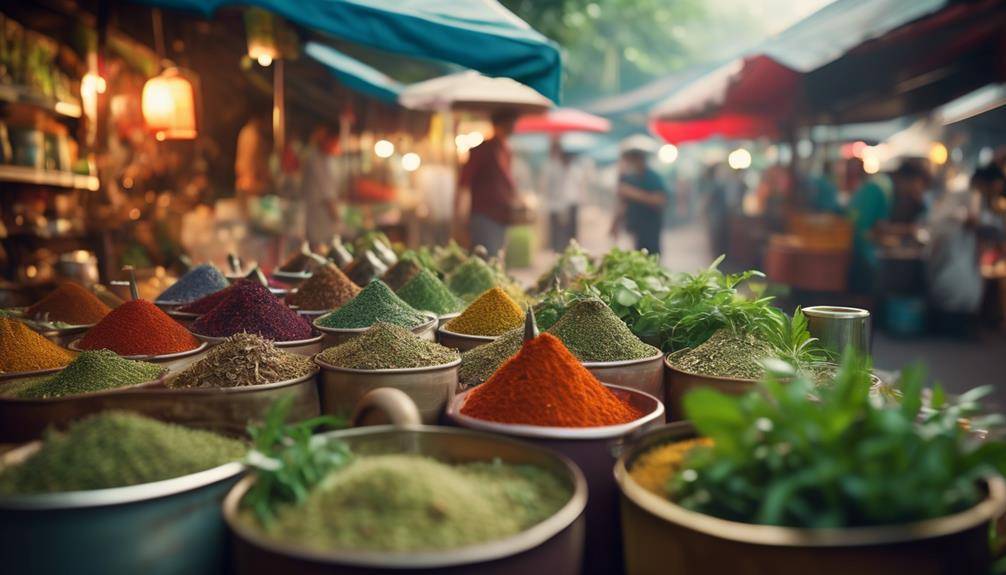
Exciting Middle Eastern Sweets And Pastries For Beginners

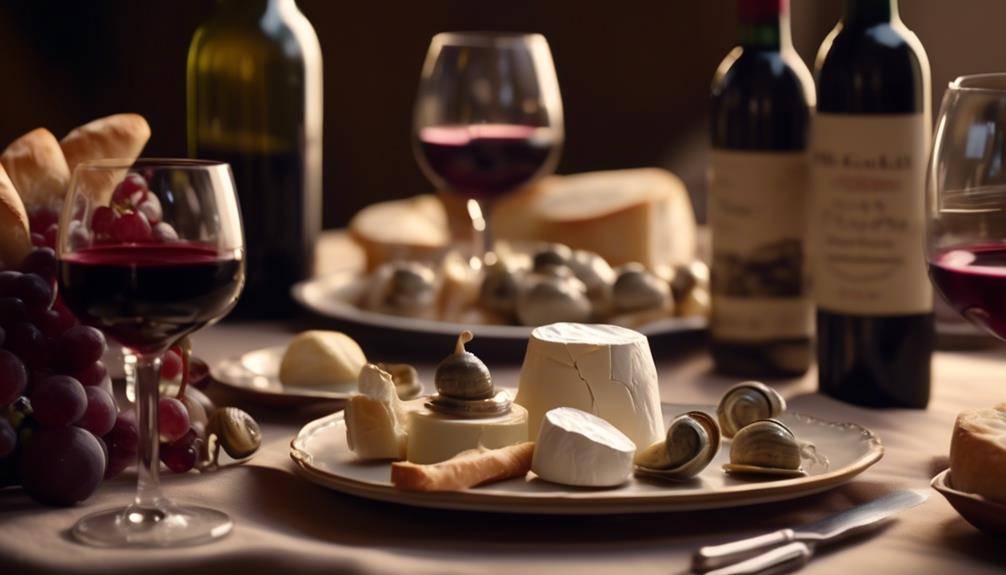
Middle Eastern Sweets And Pastries For Beginners; Getting started with Middle Eastern sweets and pastries is a delicious journey. You’ll love classics like baklava, made from layers of phyllo dough, nuts, and honey. Try maamoul, a stuffed cookie that’s perfect for special occasions. Knafeh offers a savory-sweet experience with gooey cheese, while halva presents a rich texture you’ll enjoy. Use spices like cinnamon and cardamom to enhance your treats, and don’t forget the nuts! Equip yourself with basic baking tools like mixing bowls and baking sheets. Ready to whip up some delightful desserts? There’s even more to explore in this exciting culinary adventure!
Overview of Middle Eastern Sweets
Middle Eastern sweets offer a vibrant array of flavors and textures that reflect the region’s rich culinary heritage. You’ll find that each sweet tells a story, deeply rooted in the cultural significance of the communities that create them. These treats aren’t just desserts; they’re often central to celebrations, holidays, and family gatherings, showcasing the warmth of hospitality in Middle Eastern cultures.
As you explore these delightful confections, you’ll notice the regional variations that set each type apart. In Lebanon, for instance, you’ll encounter baklava, a layered pastry filled with nuts and honey, while in Turkey, you’ll find a unique twist with its own regional spices and fillings. Each country has its specialties, influenced by local ingredients and historical trade routes, which have introduced diverse flavors throughout the centuries.
You’ll also appreciate how these sweets often symbolize important life events. For example, during weddings, it’s common to serve maamoul, a shortbread cookie filled with dates or nuts, representing joy and abundance.
In places like Iran, saffron-infused sweets hold a prized position, adding a touch of luxury and elegance to festivities. You can see how the cultural significance of these sweets goes beyond mere taste; they embody the history, traditions, and values of their respective communities. By delving into Middle Eastern sweets, you’re not just indulging your taste buds; you’re also embracing a rich tapestry of cultural heritage and regional flavors.
Popular Ingredients Used
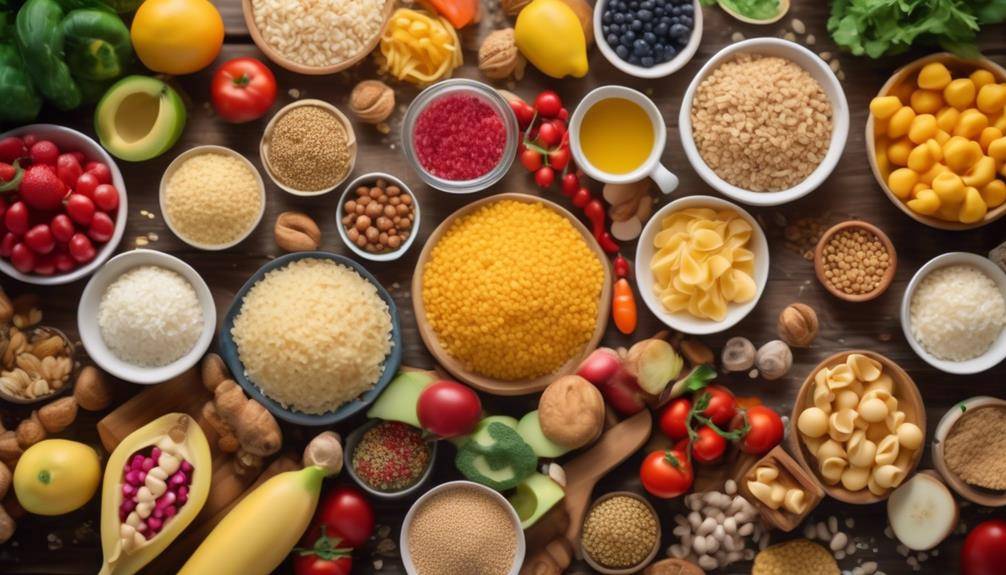
Exploring the world of Middle Eastern sweets reveals a fascinating combination of ingredients that contribute to their unique flavors and textures. One of the standout features of these treats is the use of sweet spices. You’ll often encounter cinnamon, cardamom, and nutmeg, which add warmth and depth to pastries like baklava and maamoul. These spices not only enhance the taste but also create an inviting aroma that’s hard to resist.
Nut varieties play an important role in Middle Eastern desserts, too. Walnuts, pistachios, and almonds are commonly used, each adding its distinct flavor and crunch. For instance, the rich, buttery taste of pistachios is a classic choice in baklava, while almonds often find their way into marzipan and other confections. You’ll notice how the combinations of these nuts with sweet spices create a delightful harmony in every bite.
Another essential ingredient is honey, which serves as a natural sweetener and binds many pastries together. Its floral notes complement the spices and nuts, resulting in a well-rounded flavor profile. Additionally, rose and orange blossom waters are frequently added for a touch of floral sweetness, elevating the overall experience.
Essential Tools for Baking
When diving into the art of baking Middle Eastern sweets, having the right tools at your disposal can make all the difference. Start by gathering essential baking equipment like mixing bowls, a sturdy rolling pin, and a quality baking sheet. These items will serve as your foundation for creating delightful treats.
Measuring tools are vital as well. Accurate measurements guarantee your recipes turn out just right, so invest in a good set of measuring cups and spoons, along with a kitchen scale for precision. This is especially important when working with ingredients like flour and sugar, as even a slight variation can affect the texture of your sweets.
Understanding dough techniques is also key. A bench scraper can help you manage your dough effectively, while a pastry brush will come in handy for glazing pastries. If you’re making items like kunafa, a special pan may be necessary to achieve that perfect crispiness.
Finally, don’t overlook decoration tips. A set of piping bags and various nozzles lets you add intricate designs to your sweets, elevating their appearance. You might also want to stock up on some edible glitter or nuts for finishing touches.
With these essential tools in your kitchen, you’ll be well on your way to mastering Middle Eastern sweets. Embrace the craft, and soon you’ll create confections that impress friends and family alike!
Baklava: The Classic Delight
Baklava is truly a classic delight that never fails to impress. This rich, sweet pastry, made from layers of phyllo dough, nuts, and honey or syrup, is a staple in many Middle Eastern cultures. When you take a bite of baklava, you’re not just enjoying a treat; you’re experiencing a centuries-old culinary tradition.
You might be surprised to learn that baklava variations exist across different regions. In Turkey, for example, you’ll often find it made with pistachios or walnuts, showcasing the local nut preferences. Meanwhile, in Greece, you might taste a baklava that’s drenched in a fragrant syrup made from honey and citrus, giving it a unique twist. Each region adds its own flair, reflecting the local tastes and customs.
When preparing baklava, you’ll notice these regional differences can influence not just the flavors but also the texture. Some baklava is crispy, while others might be a bit softer depending on how much syrup is used. The presentation can vary too; some bakers cut their baklava into diamond shapes, while others prefer squares or triangles.
Regardless of the variation, baklava remains a beloved dessert that’s perfect for sharing during celebrations or simply enjoying with a cup of coffee. So whether you’re trying your hand at making it yourself or indulging in a piece from a local bakery, you’re in for a delightful experience that showcases the beauty of Middle Eastern sweets.
Maamoul: Stuffed Cookies
While baklava captures the hearts of many, maamoul offers a delightful alternative that showcases the diversity of Middle Eastern sweets. These stuffed cookies are not just a treat; they’re a symbol of cultural significance, often prepared for special occasions like Eid, weddings, and family gatherings. When you bite into a maamoul, you’re not just enjoying a sweet; you’re experiencing a tradition that’s been passed down through generations.
Maamoul comes in various flavor variations, allowing you to customize your experience. You can find them filled with dates, nuts, or even figs, each offering a unique taste that can satisfy any palate. The cookie itself is made from a buttery dough that’s rich and crumbly, perfectly complementing the sweetness of the filling. You might even want to dust them with powdered sugar for an extra touch of sweetness.
Making maamoul can be a fun activity, too. You can gather friends or family to create these cookies together, enhancing the bonding experience while learning about their cultural roots. You’ll find that the intricate molds used to shape maamoul add an artistic element, making each cookie a tiny masterpiece.
As you explore the world of Middle Eastern sweets, don’t overlook maamoul. They’re not just cookies; they’re a delicious way to connect with a rich culinary heritage that celebrates flavor and community.
Knafeh: A Cheesy Treat
Knafeh is a delicious dessert with a rich history that you’ll want to explore. Made with layers of thin pastry and gooey cheese, it’s a treat that’s both sweet and savory. Let’s look at its origins, the ingredients you need, and how to enjoy this delightful dish.
Knafeh Origins and History
A delightful treat that has captured hearts across the Middle East, knafeh boasts a rich history intertwined with various cultures. Its origins trace back centuries, with roots in the Levant region, particularly in Palestine, Lebanon, and Syria. You might find it surprising that knafeh has evolved through time, adapting to local tastes and customs, leading to numerous knafeh variations.
From the classic knafeh nabulsieh, which features a layer of soft cheese, to the pistachio-studded knafeh bil jibn, each version tells a story of its birthplace. The dessert’s cultural significance is immense, often gracing the tables during special occasions and family gatherings. It serves not just as a dish but as a symbol of hospitality and celebration.
As you immerse yourself in the world of Middle Eastern sweets, you’ll discover that knafeh isn’t just about its delicious layers of pastry and syrup; it’s a reflection of shared traditions and communal joy. Embrace the history behind this cheesy delight, and you’ll appreciate every bite even more.
Ingredients and Preparation Tips
Understanding the delightful layers of knafeh goes beyond its rich history; it’s about the ingredients that bring this iconic dessert to life. To start, you’ll need fine semolina or phyllo dough, which forms the crispy exterior. For the cheesy filling, aim for a soft cheese like mozzarella or a blend of ricotta and mozzarella for that perfect stretch.
When it comes to sweetness, traditional recipes often call for sugar, but you can explore sugar alternatives like honey or agave syrup for a unique twist. These options can provide a rich flavor while reducing the glycemic impact.
Don’t forget about the essential syrup! A simple mixture of sugar, water, and a splash of rose or orange blossom water elevates knafeh’s flavor profile. For added depth, consider flavor enhancements like a sprinkle of cinnamon or crushed pistachios, which not only taste amazing but also create a beautiful presentation.
Lastly, when preparing knafeh, make certain your butter is melted and evenly distributed over the dough layers to achieve that irresistible golden crust. With these tips, you’ll create a delicious knafeh that’s sure to impress!
Serving and Enjoying Knafeh
When it comes to serving knafeh, presentation plays an essential role in enhancing the overall experience. You’ll want to serve it warm, allowing the gooey cheese to meld beautifully with the crispy pastry. Cut the knafeh into square or diamond shapes and arrange them on a decorative platter. Drizzling a generous amount of syrup over the top adds a sweet touch that not only looks appealing but also elevates the flavor.
Consider adding a sprinkle of crushed pistachios or walnuts on top for a pop of color and texture. These nuts complement the rich flavors of the knafeh perfectly. If you’re feeling adventurous, try different knafeh variations, like the popular knafeh bil jibn, which uses a mix of cheeses, or the nut-filled version for a delightful twist.
Serve your knafeh with a side of sweetened Arabic coffee or mint tea to balance the richness. As you enjoy each bite, savor the delightful contrast of textures and flavors. This is more than just a dessert; it’s a treat meant to be shared, so gather your loved ones and indulge in the delicious experience together.
Halva: A Sweet Tradition
Halva, with its rich history spanning centuries, is one of the most beloved sweets in the Middle East. This delightful confection is made from a base of tahini (sesame paste) or semolina, sweetened with sugar or honey, and often flavored with ingredients like pistachios, almonds, or chocolate. You’ll find that halva comes in various halva varieties, each offering a unique taste and texture that reflects regional preferences.
When you immerse yourself in halva recipes, you’ll discover that making this sweet treat can be both simple and rewarding. For a classic sesame halva, start by combining tahini with a syrup made from sugar and water, then mix in your favorite nuts or spices. If you’re feeling adventurous, try a semolina-based halva that’s cooked with butter and then sweetened. It has a tender, cake-like texture that pairs beautifully with tea or coffee.
Halva is more than just a dessert; it’s a symbol of hospitality and celebration in many Middle Eastern cultures. You’ll often see it served during holidays, family gatherings, and special occasions. Sharing halva with friends and family fosters connections and creates lasting memories. Whether you’re enjoying a piece at a local café or trying your hand at making it at home, halva is sure to satisfy your sweet tooth and introduce you to the rich culinary traditions of the Middle East. So, why not explore the world of halva and find your favorite variety today?
Tips for Homemade Pastries
When you’re ready to make homemade pastries, having the right ingredients is vital for success. Understanding essential baking techniques will help you achieve that perfect texture and flavor. Let’s explore what you need and how to get the best results in your kitchen.
Essential Ingredients Needed
Creating delicious Middle Eastern pastries starts with gathering the right ingredients. You’ll need to focus on sugar types, as they play an essential role in flavor and texture. Granulated sugar is common, but consider using powdered sugar for a smoother finish in items like baklava. Brown sugar can add a delightful caramel note to your pastries, so don’t hesitate to experiment.
Next, let’s talk flour varieties. All-purpose flour is a staple, but you might also want to explore semolina flour for a unique texture. It lends a slightly nutty flavor and gives your pastries a lovely bite. If you’re making pastries like kunafa, look for a specific type of dough called kataifi, which requires shredded phyllo.
For those extra fragrant touches, stock up on ground nuts like pistachios, almonds, or walnuts. They’ll enhance the richness of your pastries. Finally, don’t forget about spices! Cardamom, cinnamon, and rosewater can elevate your treats, giving them that authentic Middle Eastern flair you’re after. With these essential ingredients in hand, you’re ready to start creating your own delightful pastries!
Baking Techniques Explained
Mastering the right baking techniques can make all the difference in your homemade Middle Eastern pastries. Start with understanding the mixing methods you’ll use. For flaky pastries like baklava, combine your ingredients carefully to avoid overworking the dough. Use a pastry cutter or your fingers to blend butter into the flour until it resembles coarse crumbs. This helps create those desirable layers.
When it comes to dough handling, treat your dough gently. Over-kneading can develop gluten, resulting in a tough texture rather than a light, flaky pastry. Instead, aim for a brief kneading until the dough comes together. Once shaped, let the dough rest. This relaxes the gluten and makes it easier to roll out.
Pay attention to your oven’s temperature as well; preheat it properly to guarantee even baking. For pastries that require syrup, like kunafa, prepare the syrup while your pastry bakes. This way, you can soak it while it’s still warm, allowing the flavors to meld beautifully. With these techniques in hand, you’ll be well on your way to creating mouthwatering Middle Eastern sweets that impress!
Frequently Asked Questions: Middle Eastern Sweets And Pastries For Beginners
Where Can I Buy Middle Eastern Sweets Online?
You can buy Middle Eastern sweets online from popular online retailers like Amazon and specialty sites. Don’t forget to check regional specialty shops too; they often offer unique treats you won’t find elsewhere. Enjoy your shopping!
Are There Vegan Options for Middle Eastern Pastries?
Yes, there’re vegan options for Middle Eastern pastries! Many popular desserts, like baklava or maamoul, can be made using vegan ingredients such as plant-based oils and nut fillings. Just check recipes or ask at local bakeries.
How Do I Store Leftover Middle Eastern Sweets?
To store leftover sweets, use airtight containers to maintain pastry freshness. You can also refrigerate or freeze them, depending on the type. Employing these storage techniques guarantees your treats stay delicious for longer.
What Drinks Pair Well With Middle Eastern Desserts?
When enjoying Middle Eastern desserts, try pairing them with traditional beverages like mint tea or rosewater lemonade. These flavor pairings enhance the sweetness, creating a delightful balance that elevates your dessert experience. You’ll love it!
Can I Use Gluten-Free Flour for Traditional Recipes?
Yes, you can use gluten-free flour for traditional recipes. Just keep in mind that gluten-free substitutions might alter the texture, but you can still achieve those beloved traditional flavors with the right adjustments. Enjoy experimenting!

Conclusion
Now that you’ve explored the world of Middle Eastern sweets and pastries, it’s time to release your inner baker. With these delicious recipes and tips, you can create delightful treats like baklava, maamoul, and knafeh right in your kitchen. Remember to experiment with flavors and ingredients to make each recipe your own. So grab those essential tools, gather your ingredients, and start your sweet journey today. You’re sure to impress family and friends with your homemade goodies!