The Best Mediterranean Seafood Dishes

The Best Mediterranean Seafood Dishes; When you explore Mediterranean seafood, you’ll find dishes that are both delicious and unforgettable. Grilled octopus stands out with its smoky flavor and tender texture, while calamari fritti delivers a crispy, juicy bite. If you’re in the mood for a hearty dish, try paella Valenciana, a rich blend of saffron, rice, and fresh seafood. Bouillabaisse, a flavorful seafood stew, offers a traditional taste of the region. For something light, ceviche de pescado refreshes with zesty citrus. Each dish reflects the Mediterranean’s culinary artistry, and there’s so much more to discover about this vibrant cuisine.
Grilled Octopus
Grilled octopus is a standout dish in Mediterranean cuisine that’s both delicious and visually striking. When prepared correctly, it boasts a tender texture and smoky flavor that can elevate any meal. To achieve this, you’ll want to start with an effective octopus marinade. A classic combination usually includes olive oil, lemon juice, garlic, and fresh herbs like parsley or oregano. This blend not only infuses the octopus with flavor but also helps tenderize the meat.
Once your octopus has marinated for a few hours, you can choose from various grilling methods. Whether you opt for a charcoal grill or a gas grill, both can impart that irresistible charred taste. If you’re using a charcoal grill, make sure to get the coals hot enough to create a beautiful sear. For a gas grill, preheat it thoroughly before placing the octopus on the grates.
You can grill whole tentacles or cut the octopus into smaller pieces for quicker cooking. Just remember to keep a close eye on it. A few minutes on each side should suffice, as overcooking can lead to a rubbery texture.
When it’s done, serve your grilled octopus with a drizzle of olive oil and a sprinkle of fresh herbs. You’ll have a dish that’s not only delightful to eat but also a feast for the eyes. Enjoy the incredible flavors of the Mediterranean right at your table!
Paella Valenciana
When you think of Paella Valenciana, you can’t overlook its key ingredients like saffron, rabbit, and green beans. This dish showcases traditional cooking techniques that bring out the rich flavors of the Mediterranean. Let’s explore how these elements come together to create a truly authentic experience.
Key Ingredients Overview
One of the most iconic dishes of the Mediterranean, Paella Valenciana, boasts a vibrant array of key ingredients that create its signature flavor. At its base, you’ve got short-grain rice, which absorbs all the delicious flavors while maintaining a perfect texture. Then, you’ll want to include saffron, the prized spice that gives the dish its beautiful golden hue and a unique taste.
Next, Mediterranean spices like paprika and rosemary are essential for adding depth and complexity. You can’t forget the seasonal seafood, often featuring shrimp, mussels, and clams, which bring a fresh ocean taste to the dish. If you want to stay true to tradition, consider adding chicken and rabbit, which were historically used in Paella Valenciana.
Fresh vegetables like bell peppers, peas, and tomatoes round out the flavors, providing not only nutrition but also a pop of color. Ultimately, a splash of olive oil enhances the overall richness. Together, these ingredients come together to create an unforgettable culinary experience that captures the essence of Mediterranean cuisine. So, gather your key ingredients and get ready to plunge into this flavorful dish!
Traditional Cooking Techniques
To master the art of cooking Paella Valenciana, you need to embrace traditional techniques that enhance its rich flavors. Start by selecting a wide, shallow pan—known as a paellera—because this allows for even cooking and the formation of that coveted socarrat, the crispy rice layer at the bottom.
Begin by marinating seafood, like shrimp and mussels, in a mixture of olive oil, garlic, and spices for at least an hour. This not only adds depth but also tenderizes the seafood. When you’re ready, sauté your choice of meats, such as chicken or rabbit, until they’re golden and flavorful.
Next, incorporate your marinated seafood into the pan, ensuring you don’t overcrowd. For an extra touch of flavor, consider smoking fish beforehand. The smokiness will infuse the paella, elevating the dish to new heights.
Bouillabaisse
Bouillabaisse brings together the vibrant flavors of the Mediterranean, transforming a simple seafood stew into a culinary masterpiece. Originating from the bustling port of Marseille, this dish reflects the region’s rich maritime culture. Traditionally, fishermen would create bouillabaisse from the catch of the day, using a mix of local fish, shellfish, and aromatic herbs. You can almost taste the history in every spoonful.
As you explore bouillabaisse variations, you’ll find that each region has its unique take on this classic dish. For instance, the Provençal version often includes saffron, which adds a beautiful color and distinct flavor. Some versions even incorporate vegetables like leeks and tomatoes, enhancing the stew’s depth. You might also encounter bouillabaisse made with different types of seafood, such as monkfish or red mullet, depending on what’s fresh and available.
When making bouillabaisse at home, the key is to focus on quality ingredients. A rich fish stock forms the base, combined with a medley of spices like fennel and orange zest, bringing out that characteristic Mediterranean aroma. Don’t forget the traditional rouille sauce, a garlicky mayonnaise served on the side, which adds a creamy, spicy kick.
Whether you enjoy bouillabaisse in a cozy restaurant by the sea or whip up your own version in the kitchen, you’ll be savoring a taste of Mediterranean heritage, one bowl at a time. Embrace the experience, and let the flavors transport you to sun-soaked shores.
Calamari Fritti
When you’re cooking calamari fritti, the right techniques can make all the difference. Perfectly frying these tender rings guarantees they’re crispy on the outside while remaining juicy inside. Pair them with flavorful dipping sauces to elevate your dish and tantalize your taste buds.
Perfect Cooking Techniques
Although mastering the art of calamari fritti may seem intimidating, the right cooking techniques can elevate this dish to a whole new level. Start by sourcing your calamari from suppliers who adhere to sustainability practices. This not only supports healthy oceans but also enhances the quality of your dish.
Once you’ve got fresh calamari, prepare it by slicing it into rings or keeping it whole, depending on regional variations you want to explore. Marinating the calamari in a mix of olive oil, lemon juice, and spices for about 30 minutes can add depth to the flavor.
Next, focus on the breading. Use a light coating of flour or a mixture of flour and cornmeal for that perfect crunch. Make certain to season your breading with salt and pepper to enhance the taste.
When it’s time to fry, verify your oil is hot enough (around 350°F) to achieve that golden-brown color. Fry in small batches to prevent overcrowding, which can lead to soggy calamari. Finally, drain on paper towels and serve immediately for the best texture. Enjoy your perfectly cooked calamari fritti!
Flavorful Dipping Sauces
Pairing calamari fritti with the right dipping sauces can elevate your dining experience. The crispy texture of calamari calls for sauces that complement its delicate flavor without overpowering it. One classic choice is a zesty marinara sauce, whose tanginess balances the richness of the fried squid. You might also enjoy a garlic aioli; its creamy texture adds a luxurious touch that enhances each bite.
For a twist, consider a spicy arrabbiata sauce. This option provides a kick that’ll awaken your taste buds and make the dish more exciting. If you prefer something lighter, a squeeze of fresh lemon juice or a simple herb-infused olive oil can brighten the flavors beautifully.
When it comes to dipping techniques, don’t be shy! You can fully submerge your calamari in the sauce, allowing it to soak up the flavors, or keep it light by just dipping the tip. Experiment with different sauce pairings to discover your favorite combinations, and encourage your friends to join in the fun. With the right dipping sauces, your calamari fritti will transform into a flavorful experience that everyone will love.
Saffron Risotto With Seafood
Saffron risotto with seafood is a luxurious dish that brings the vibrant flavors of the Mediterranean to your table. This creamy, rich risotto showcases the exquisite taste of saffron, a spice derived from the flower of Crocus sativus, which has its origins in the ancient Persian Empire. When you infuse saffron into your risotto, you’re not just adding color; you’re embracing a historical connection to a spice that’s been cherished for centuries.
To create the perfect saffron risotto, you’ll want to select fresh seafood pairings that complement the delicate flavor of the saffron. Succulent shrimp, tender calamari, and sweet mussels are excellent choices that enhance the overall dish. As you sauté your seafood, the aromatic scents will mingle beautifully with the saffron-infused risotto, creating a symphony of flavors that dance on your palate.
Using a good quality broth is essential for achieving that creamy texture, so consider a seafood stock for an extra layer of flavor. As you stir the risotto, the starch from the rice will release, giving it that signature creaminess. Don’t forget to finish with a touch of Parmesan cheese and a drizzle of olive oil for added richness.
Whether you’re hosting a dinner party or enjoying a quiet night in, saffron risotto with seafood is sure to impress and transport you to the Mediterranean with each bite.
Shrimp Scampi
When you think of Shrimp Scampi, you’re likely imagining a classic dish that perfectly balances garlic, butter, and fresh shrimp. To master this recipe, you’ll need to understand the essential ingredients and cooking techniques that make it shine. Plus, exploring flavor pairings can elevate your scampi to a whole new level.
Classic Recipe Essentials
Shrimp scampi is a quintessential Mediterranean dish that brings the ocean’s flavors right to your table. To create this delectable meal, you’ll need fresh shrimp, which can be either peeled or unpeeled based on your preference. Start with a good seafood marinade; a mixture of olive oil, garlic, and lemon juice works wonders. This marinade not only enhances the shrimp’s flavor but also tenderizes it.
Mediterranean spices are essential in this dish. A pinch of red pepper flakes adds a subtle heat, while fresh parsley contributes a bright, herbal note. Don’t forget the zest of lemon, which elevates the dish with a revitalizing twist.
When preparing your shrimp, be sure to sauté them quickly over medium-high heat to achieve that perfect, juicy texture. Pair your shrimp scampi with al dente pasta, allowing the sauce to cling beautifully to the noodles.
Lastly, serve it with a sprinkle of extra parsley and a squeeze of lemon juice for that finishing touch. This classic recipe not only embodies Mediterranean flavors but also invites you to savor the essence of coastal dining right at home. Enjoy every bite!
Cooking Techniques Explained
Cooking shrimp scampi involves a few key techniques that guarantee your dish is flavorful and perfectly cooked. First, you’ll want to choose high-quality shrimp, preferably fresh or responsibly frozen. One option is to use the sous vide technique, which allows you to cook shrimp evenly while retaining moisture and flavor. Set your sous vide water bath to about 140°F and cook the shrimp for 30 to 45 minutes. This method assures tender, juicy shrimp that won’t overcook.
Next, you’ll need to focus on your aromatics. Sauté garlic in olive oil and butter until fragrant, but don’t let it brown. Add your perfectly cooked shrimp to this mixture, tossing gently to combine.
If you want to elevate the dish, consider using smoking techniques. Smoking your shrimp briefly before adding them to the scampi can impart a unique depth of flavor. Use a stovetop smoker or a smoking gun for this purpose, aiming for a light touch so it complements rather than overpowers the dish.
Flavor Pairing Suggestions
Elevating your shrimp scampi begins with thoughtful flavor pairings that enhance its natural sweetness and richness. Start with herb combinations like fresh parsley, basil, or dill, which bring freshness and brightness. For a touch of warmth, consider spice blends like red pepper flakes or smoked paprika to add depth without overpowering the dish.
Wine pairings can dramatically elevate your meal; a crisp Sauvignon Blanc or a light Pinot Grigio complements the dish beautifully. Don’t forget citrus accents! A squeeze of lemon or lime adds zing and balances the richness of the butter and garlic.
Incorporate texture contrasts by serving your shrimp scampi over al dente pasta or with crunchy toasted bread. Seasonal ingredients like zucchini or cherry tomatoes can also add both color and nutrition, enriching the dish with a nod to culinary traditions.
Mediterranean Fish Tacos
When you plunge into Mediterranean fish tacos, you’re in for a flavor-packed experience that combines fresh seafood with vibrant, zesty ingredients. These tacos are a delightful twist on traditional recipes, bringing Mediterranean flavors to your table in a way that’s both fun and delicious. Imagine tender grilled fish, perhaps a flaky white fish like cod or halibut, seasoned with herbs like oregano and thyme that evoke the sunny shores of the Mediterranean.
You can customize your Mediterranean fish tacos with various taco variations. Top them with a revitalizing cabbage slaw tossed in a lemony vinaigrette, adding crunch and brightness. A dollop of creamy tzatziki or a drizzle of garlic yogurt sauce can elevate the dish further, offering a cooling contrast to the fish. If you love heat, don’t hesitate to add a spicy harissa or a sprinkle of chili flakes to kick things up a notch.
For an extra layer of flavor, consider adding marinated olives or roasted red peppers. These ingredients not only enhance the taste but also lend a beautiful color to your plate. Pair your tacos with a side of grilled vegetables or a light Mediterranean salad, and you’ve got a meal that’s as satisfying as it is nourishing.
Seafood Pasta Puttanesca
Seafood Pasta Puttanesca brings the bold flavors of the Mediterranean to your plate in a quick and satisfying dish. This vibrant recipe combines the richness of fresh seafood with the classic Puttanesca sauce, which features tomatoes, olives, capers, and garlic. You’ll not only enjoy the explosion of Mediterranean flavors but also embrace a dish that’s perfect for weeknight dinners or special gatherings.
To prepare Seafood Pasta Puttanesca, start by cooking your favorite pasta until al dente. In a separate pan, heat olive oil and sauté minced garlic. Add chopped tomatoes, olives, and capers, letting them simmer until the sauce thickens. Toss in sustainably sourced seafood like shrimp or mussels, allowing them to cook through and infuse their briny goodness into the sauce. Finally, combine the pasta with the sauce, adding a sprinkle of fresh parsley for that finishing touch.
When you’re choosing your seafood, remember to prioritize seafood sustainability. This guarantees that you’re making choices that help protect our oceans and marine life, while still indulging in delicious flavors. By opting for sustainably sourced seafood, you’re not just enjoying your meal; you’re also contributing to a healthier planet.
Ceviche De Pescado
Savoring the vibrant flavors of Ceviche De Pescado offers a revitalizing taste of the Mediterranean that’s both light and invigorating. This dish typically features fresh fish, marinated in a zesty blend of citrus juices, which effectively “cooks” the fish while infusing it with bright, tangy flavors. The key to an unforgettable ceviche lies in the quality of the fish you choose—opt for something fresh and firm, like snapper or sea bass.
As you prepare your ceviche, you’ll appreciate the versatility it brings to your table. There are numerous ceviche variations, with each region adding its twist. You could add diced onions, tomatoes, and cilantro for a classic presentation or experiment with exotic ingredients like mango or avocado for a tropical flair. The sharpness of citrus marinades, typically lime or lemon, contrasts beautifully with the fish’s delicate taste, creating a revitalizing balance.
When serving your ceviche, consider pairing it with crispy tortilla chips or tostadas. This not only enhances the texture but also makes it a delightful appetizer or light main course. You might also enjoy it alongside a chilled glass of white wine or a light beer, which complements the dish’s freshness.
Incorporating Ceviche De Pescado into your dining experience allows you to explore the Mediterranean’s culinary richness. It’s a dish that celebrates simplicity and freshness, making it a must-try for any seafood lover. Let the flavors transport you to the sun-kissed shores where this delightful dish originated.
Fideuà
Fideuà is a delightful dish that brings the essence of the Mediterranean to your plate with its unique twist on traditional paella. Originating from the coastal region of Valencia, Spain, this dish substitutes rice with thin noodles, known as fideus. The history of fideuà dates back to the early 20th century, when fishermen sought to create a hearty meal using the ingredients they had on hand. This led to the creation of a dish that not only filled their bellies but also celebrated the flavors of the sea.
Fideuà is typically made with a variety of seafood, such as shrimp, squid, and mussels, simmered in a rich broth infused with saffron and other spices. The noodles soak up the delicious flavors, creating a satisfying and aromatic experience. You’ll find various fideuà variations, from those featuring a mixture of seafood to vegetarian options that highlight seasonal vegetables. Some recipes even include a touch of tomato or a sprinkle of paprika, adding depth to the dish.
As you prepare to enjoy fideuà, consider serving it with a side of alioli, a garlic-infused mayonnaise that complements the seafood beautifully. Whether you’re dining at a seaside restaurant or making it at home, this dish captures the spirit of Mediterranean cooking, inviting you to immerse yourself in its rich flavors and vibrant history. So, plunge into and savor every bite of this unique culinary experience!
Sardines Escabeche
Many Mediterranean dishes highlight the region’s love for preserving fresh ingredients, and Sardines Escabeche is a perfect example. This dish showcases the art of sardine preservation, allowing you to enjoy the delicate flavors of sardines long after their catch. When you prepare Sardines Escabeche, you’re not just following a recipe; you’re embracing a rich culinary tradition that goes back centuries.
To make this dish, start by marinating fresh sardines in a mixture of vinegar, olive oil, and spices. The acidity of the vinegar not only enhances the fish’s flavor but also helps in the preservation process. As the sardines soak, they absorb the Mediterranean flavors, infusing them with hints of garlic, bay leaves, and peppercorns. This combination creates a beautifully balanced dish that’s both tangy and savory.
Once the sardines are marinated, you can serve them cold or at room temperature, making it a perfect appetizer or a light main course. Pair it with crusty bread or a fresh green salad to round out the meal. The beauty of Sardines Escabeche lies in its versatility; you can enjoy it as part of a tapas spread or as a standalone dish.
Whether you’re experimenting in your own kitchen or savoring it at a local eatery, Sardines Escabeche offers you a delicious taste of the Mediterranean. It’s a reflection of the region’s culinary creativity, capturing the essence of fresh fish preserved with care.
Clams With Garlic and Wine
When you’re ready to whip up clams with garlic and wine, knowing the right ingredients is key to success. You’ll also want to master a few cooking techniques that bring out the best flavors in this dish. Let’s explore what you need and how to cook it perfectly.
Ingredients for Success
To create a delicious dish of clams with garlic and wine, you’ll need a handful of key ingredients that bring the flavors of the Mediterranean to life. First, choose fresh, sustainable seafood—opt for clams sourced from responsible fisheries to support ocean health. Next, gather a good amount of garlic; it adds a rich depth to the dish. Don’t skimp on the olive oil, as it’s essential for sautéing the garlic and creating a fragrant base.
You’ll also need dry white wine, which enhances the clams’ natural brininess and adds acidity to balance the flavors. A sprinkle of red pepper flakes can provide a subtle heat that complements the dish beautifully. Fresh parsley is a must for garnish, adding a vibrant touch and a fresh, herbaceous note.
Consider incorporating regional variations, like adding diced tomatoes for a southern Italian twist or a splash of lemon juice for a Greek flair. Finally, serve your clams with crusty bread or pasta to soak up that flavorful broth. With these ingredients, you’re well on your way to creating a Mediterranean classic that’ll impress anyone at your table.
Cooking Techniques Explained
Cooking clams with garlic and wine involves a few straightforward techniques that elevate the dish’s flavors. First, you’ll want to source your clams from sustainable fishing practices. This guarantees that you’re not only enjoying fresh seafood but also contributing to the preservation of marine ecosystems. When you bring the clams home, give them a good rinse under cold water to remove any sand or debris.
Next, heat olive oil in a large pan over medium heat and add minced garlic. Sauté just until fragrant—don’t let it brown, as that can create bitterness. Once the garlic is ready, add the clams and pour in a generous splash of white wine. The wine not only infuses the clams with flavor but also helps them open up. Cover the pan and let them steam for about 5-7 minutes until the clams are fully opened.
Baked Whole Fish
Baked whole fish is a delightful way to showcase the fresh flavors of the Mediterranean. This dish not only highlights the fish’s natural taste but also allows you to experiment with various traditional spice blends and Mediterranean herbs. When preparing your whole fish, opt for varieties like sea bass or snapper, which are perfect for baking.
Start by cleaning the fish thoroughly and scoring the skin to help it cook evenly. You can then season the cavity with a mix of olive oil, lemon juice, and your favorite Mediterranean herbs, such as rosemary, thyme, or parsley. These herbs not only enhance the flavor but also infuse the fish with a wonderful aroma as it bakes.
Next, sprinkle traditional spice blends like za’atar or sumac over the skin for an extra kick. These spices add depth and complexity to your dish, making it truly memorable. Adding sliced vegetables, such as cherry tomatoes or bell peppers, around the fish can create a colorful presentation while contributing additional flavor and moisture.
Bake your whole fish in a preheated oven until the flesh is flaky and tender, usually about 20 to 30 minutes depending on the size. Once it’s done, serve it with a drizzle of olive oil and a squeeze of fresh lemon for a zesty finish. This baked whole fish dish is not just a meal; it’s an experience that transports you straight to the heart of the Mediterranean. Enjoy!
Fish Tagine
Fish tagine brings the vibrant flavors of the Mediterranean right to your table. This aromatic dish, hailing from North Africa, perfectly showcases the region’s rich culinary heritage. You’ll love how the combination of fresh fish and a medley of vegetables creates a warm, comforting meal.
When preparing a fish tagine, you can experiment with various tagine variations. Whether you choose white fish, salmon, or even shellfish, the key is to select high-quality, fresh seafood. The slow-cooking process allows the fish to absorb the flavors of the spices and vegetables, resulting in a dish that’s both flavorful and tender.
Moroccan spices are the stars of this dish. You’ll commonly use spices like cumin, coriander, and saffron, which add depth and warmth. Don’t forget to toss in some preserved lemons and olives for that signature tangy kick that balances the richness of the fish.
Cooking your tagine in a traditional clay pot enhances the flavors even more, as it retains moisture and heats evenly. You can serve your fish tagine over a bed of fluffy couscous or alongside crusty bread to soak up the delicious sauce.
With its stunning presentation and delightful taste, fish tagine is sure to impress your family and friends. Immerse yourself in this Mediterranean treasure and let the flavors transport you to sun-drenched shores, where every bite is a celebration of the sea.
Anchovies on Toast
Anchovies on toast make for a simple yet delicious Mediterranean appetizer that packs a punch of flavor. You can easily whip this dish up using just a few ingredients, and it’s perfect for any gathering or a cozy night at home. The star of the show, anchovies, are tiny fish that bring a salty, umami richness to your plate. Not only are they packed with flavor, but they also come with numerous anchovy benefits. They’re rich in omega-3 fatty acids, which can improve heart health, and they’re a great source of protein and essential vitamins.
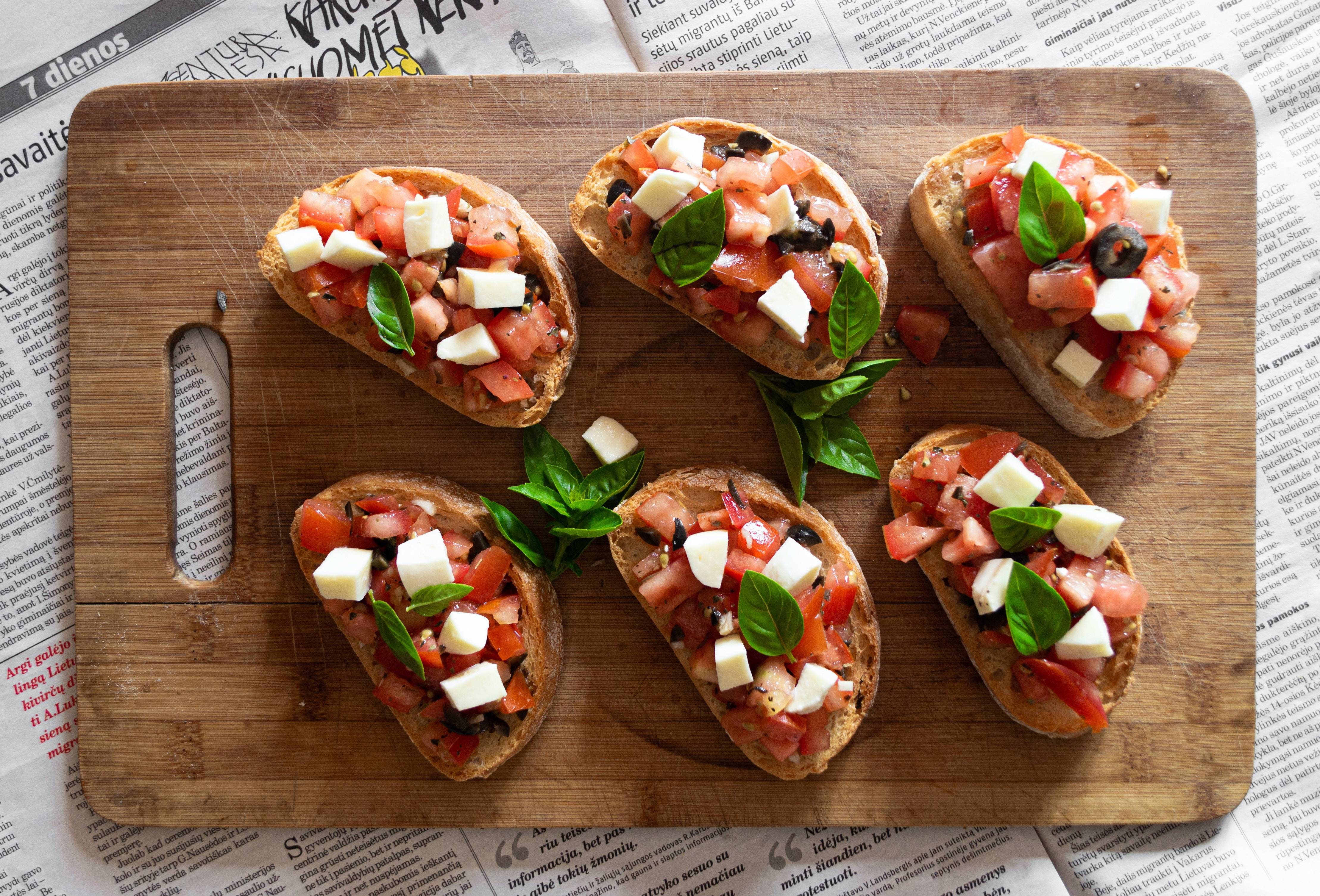
When it comes to toast variations, the options are nearly endless. You might opt for a classic rustic bread, a crunchy baguette, or even whole grain for a healthier twist. You can add toppings like fresh tomatoes, olives, or herbs to elevate the dish further. A drizzle of olive oil or a squeeze of lemon can also brighten the flavors, making each bite more delightful.
To prepare, simply toast your bread until it’s golden brown, then layer on the anchovies. Feel free to experiment with different types of anchovies—canned, marinated, or even fresh, if you can find them. Each option changes the dynamic of the dish. Serve your anchovies on toast as an appetizer or a light meal, and watch how quickly they disappear. You’ll impress your guests and treat yourself to a Mediterranean delight!
Frequently Asked Questions: The Best Mediterranean Seafood Dishes
What Are the Health Benefits of Mediterranean Seafood Dishes?
Mediterranean seafood dishes offer numerous health benefits. You’ll enjoy high nutritional value from omega-3 fatty acids, promoting heart health. Plus, these meals reflect cultural significance, connecting you to rich traditions and diverse culinary practices across the region.
How Can I Make Seafood Dishes More Sustainable?
To make seafood dishes more sustainable, you should prioritize sustainable sourcing and ethical fishing practices. Choose fish from certified suppliers, support local fisheries, and avoid overfished species to help protect marine ecosystems for future generations.
What Wines Pair Best With Mediterranean Seafood?
When pairing wine with Mediterranean seafood, consider white wine varieties like Sauvignon Blanc or Vermentino. They enhance flavors from seafood regions such as Greece or Italy, balancing the dish’s richness while revitalizing your palate.
Are There Vegetarian Alternatives to These Seafood Dishes?
Yes, there are great vegetarian alternatives! You can use flavorful ingredients like eggplant, mushrooms, or chickpeas as vegetarian substitutions. They can mimic textures and absorb spices beautifully, making your dish just as satisfying and delicious.
How Can I Safely Store Leftover Seafood Dishes?
To safely store leftover seafood, cool it quickly and transfer it to an airtight container. Keep it refrigerated for up to three days. Always check for signs of spoilage before consuming leftovers for seafood safety.

Conclusion
Whether you’re grilling octopus, savoring a flavorful paella, or enjoying a classic bouillabaisse, Mediterranean seafood dishes offer a delightful culinary experience. Each recipe brings its own unique flavors and traditions, inviting you to explore diverse tastes from coastal regions. So, gather fresh ingredients, fire up your stove, and plunge into these mouthwatering dishes. You’ll not only impress your guests but also set out on a delicious journey through the Mediterranean. Happy cooking!