Great Effective Gratinating Tips For Beginners
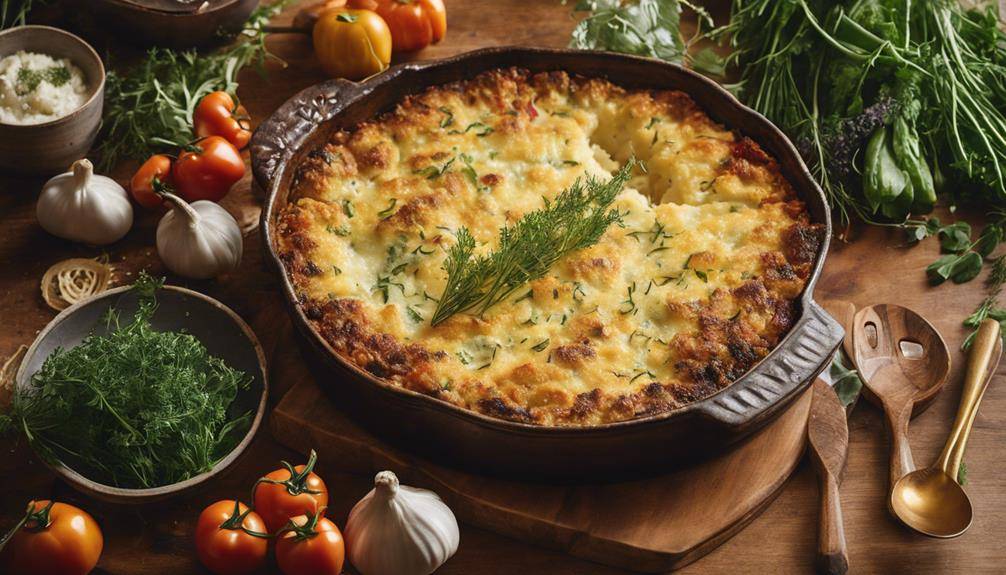
Effective Gratinating Tips For Beginners; To create a perfect gratin, start by choosing seasonal veggies and quality proteins like chicken or seafood. Prepping your ingredients uniformly guarantees even cooking. When it comes to cheese, opt for meltable varieties like Gruyère or Fontina for a rich topping. Sprinkle breadcrumbs and season liberally to elevate flavors. Preheat your oven to 400°F for that golden crust, and don’t forget to keep an eye on it while broiling for the final touch. Allow it to rest before serving to enhance the taste. There’s so much more to discover about flavor combinations and techniques that can take your gratin game to the next level!
Understand Gratinating Basics
Gratinating is a cooking technique that transforms dishes into golden, crispy delights. It involves applying heat to the surface of a dish, creating a beautifully browned crust while enhancing the flavors of the ingredients underneath. To effectively use gratinating techniques, you’ll want to understand the basics that elevate your culinary creations.
Start by choosing the right base for your gratin. Vegetables, pasta, and proteins all work well, but they need to be prepped properly. Make sure that your ingredients are cooked just enough to soften them before they hit the oven. This step allows them to absorb the flavors from the other components and prevents them from becoming mushy during the gratination process.
Next, think about your choice of toppings. A blend of breadcrumbs, cheese, and seasonings creates a textural contrast that’s irresistible. For that perfect crust, consider mixing in herbs, spices, or even nuts for added flavor enhancements. These ingredients not only contribute to the taste but also add visual appeal.
Temperature is essential when gratinating. You want to use a high heat setting, typically between 400°F to 450°F. This guarantees that the topping crisps up nicely without overcooking the dish below. Keep an eye on it, as a few minutes can make a big difference between perfectly gratinated and burnt.
Choose the Right Ingredients
Selecting the right ingredients is essential for a successful gratin. Start by choosing seasonal vegetables, as they not only taste better but also provide the best texture and nutrition. Think about using root vegetables like potatoes, carrots, or parsnips in the fall and winter. In warmer months, zucchini, asparagus, and tomatoes can elevate your dish. Mixing a variety of seasonal veggies adds depth and color, making your gratin visually appealing and delicious.
Next, consider your protein options. You can enhance your gratin with ingredients like shredded chicken, cooked bacon, or even tofu for a vegetarian twist. Protein adds heartiness to your dish, making it a complete meal. If you’re aiming for a lighter option, try incorporating seafood like shrimp or scallops, which can bring a unique flavor profile to your gratin.
Don’t forget about your cheese selection, which plays a vital role in the overall taste. A blend of cheeses can create a rich, creamy layer that complements your vegetables and proteins beautifully. Experiment with cheeses like Gruyère, cheddar, or even goat cheese to find the perfect combination.
Lastly, don’t skimp on seasonings. Fresh herbs like thyme or rosemary can elevate your gratin and enhance the natural flavors of your ingredients. With the right seasonal vegetables, protein options, and cheese, you’ll be well on your way to creating a gratin that’s not only delicious but also satisfying!
Prepping Your Dish
Your dish’s success hinges on proper prep work, so take the time to gather and organize your ingredients before you start cooking. This initial step sets the stage for a smooth cooking experience and guarantees you don’t scramble for items mid-recipe. Begin by sourcing high-quality ingredients; fresh produce and premium proteins not only enhance flavor but also elevate your dish presentation.
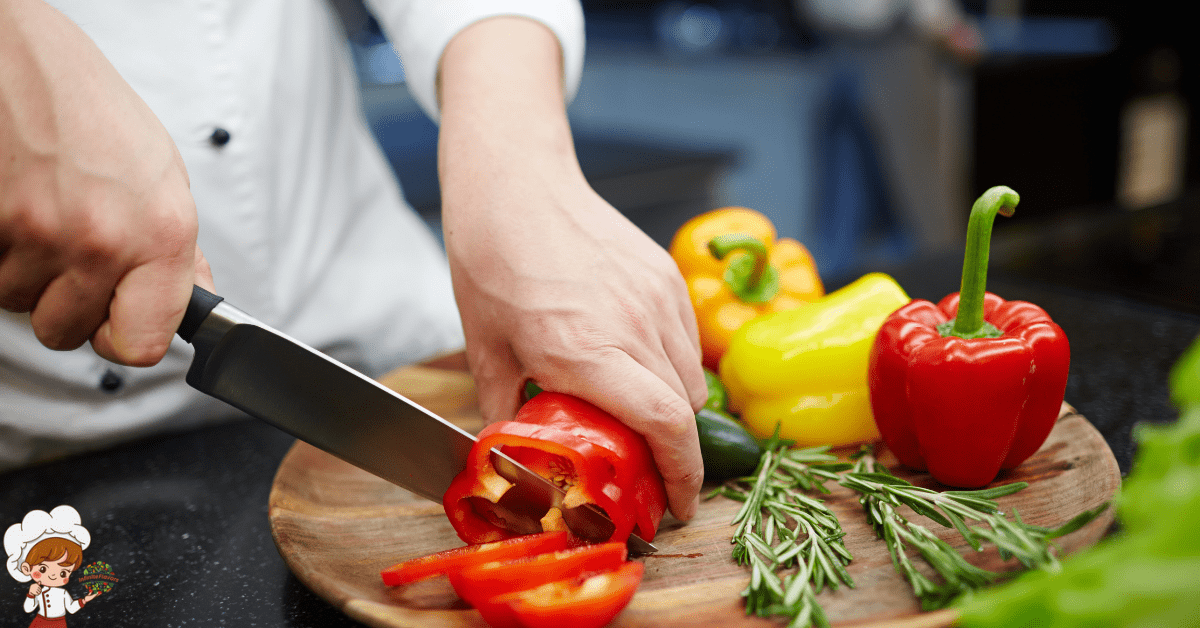
Once you’ve got everything in hand, wash and chop your ingredients as necessary. For gratins, this may mean slicing vegetables uniformly to guarantee even cooking. If you’re using potatoes, consider parboiling them slightly to reduce their baking time. It’s all about maximizing efficiency and minimizing stress.
Next, measure out your seasonings, herbs, and any garnishes you plan to use. Having these ready to go makes it easier to layer flavors as you build your gratin. You might even want to pre-grate breadcrumbs or cheese if that’s part of your recipe. This simple step can save you valuable time when you’re ready to assemble.
After prepping your ingredients, take a moment to lay them out. Visualize the order in which you’ll add them to the dish. This not only helps in maintaining a clean workspace but also contributes to a more organized approach that can positively influence your dish presentation. Remember, the more organized you are, the more confident you’ll feel as you bring your gratin to life!
Selecting the Perfect Cheese
When it comes to gratin, selecting the right cheese can make all the difference. You’ll want to contemplate various cheese types and how their flavors complement your dish. Let’s explore some flavor pairing essentials to elevate your gratin to the next level.
Cheese Types Overview
For a successful gratin, choosing the right cheese is essential. You’ll want to explore various cheese varieties to find the perfect match for your dish. Start with cheeses that melt well, like Gruyère, Emmental, or Fontina. These cheeses not only melt smoothly but also develop a delightful golden crust when baked.
Consider the cheese textures, too. Soft cheeses like Brie or Camembert can add creaminess, while harder cheeses like Parmesan or Pecorino provide a sharp, salty bite that enhances flavor. Blending different textures can elevate your gratin, giving it both depth and complexity.
Don’t shy away from trying out unique cheeses like smoked Gouda or aged cheddar for a twist. Just remember to balance the richness of your cheese choices with the dish’s other ingredients. Think about how the cheese will interact with the vegetables or proteins you’re using, ensuring they complement each other.
Lastly, don’t forget about cheese quantity. A generous layer can create that mouthwatering crust, but too much can overpower the dish. Aim for harmony in your cheese selection, and you’ll be on your way to a delicious gratin.
Flavor Pairing Essentials
Flavor pairing is the secret ingredient in creating a memorable gratin. When selecting cheese, think about how it complements your dish’s overall flavor profile. A good cheese should harmonize with your chosen ingredients, enhancing herb blends and spice profiles.
Consider the acidity balance; cheeses like goat cheese or feta can add a bright zing, perfect for cutting through the richness of cream. Don’t forget about umami elements—aged cheeses like Gruyère or Parmesan bring depth and complexity.
You’ll also want to explore sweetness contrast. A touch of sweet, caramelized onions or roasted garlic can elevate milder cheeses and create a delightful contrast. Texture variety is key too; combining a creamy cheese with a firmer one can create an enticing mouthfeel.
Mastering the Ideal Texture
To achieve the perfect gratin texture, start by choosing the right cheese that melts beautifully and complements your dish. You’ll also want to guarantee even browning across the top, which adds both flavor and visual appeal. Mastering these elements will elevate your gratin to a whole new level.
Choosing the Right Cheese
When it comes to achieving the perfect gratin, selecting the right cheese is essential for mastering that ideal texture. The cheese you choose can make or break your dish, so let’s explore some delicious cheese varieties that work wonders in gratins. A classic option is Gruyère – it melts beautifully and adds a nutty flavor profile that elevates your dish. If you want a stronger taste, consider using aged cheddar, which brings a sharpness that contrasts nicely with creamy components.
For a milder touch, mozzarella offers a delightful stretchiness but lacks depth, so you might want to combine it with a more flavorful cheese. Don’t overlook fontina; its creamy texture and earthy flavor profile can create a luxurious mouthfeel in your gratin. You can mix and match cheeses based on your taste preferences, but remember to balance flavors and textures.
Aim for a blend that melts evenly and creates a golden, bubbly top. With these cheese varieties in mind, you’ll be well-equipped to create a gratin that’s both satisfying and delicious. Happy cooking!
Achieving Even Browning
Selecting the right cheese is just the beginning; achieving even browning is key to perfecting your gratin’s appearance and texture. To master this, you’ll want to focus on your browning techniques and guarantee proper heat distribution throughout the dish.
First, preheat your oven adequately before placing your gratin inside. This guarantees that the dish starts cooking evenly from the moment it enters the oven. Next, consider using a broiler for the final few minutes of cooking. This intense, direct heat can give your gratin that beautiful golden crust we all crave.
It’s also important to layer your ingredients thoughtfully. Thin, even layers allow for better heat distribution, preventing any cold spots that could lead to uneven browning. If you’re using a topping like breadcrumbs or cheese, sprinkle it uniformly across the surface.
The Importance of Seasoning
While many focus on the texture and appearance of a gratin, seasoning plays a crucial role in elevating the dish’s overall flavor. A perfectly seasoned gratin can transform simple ingredients into a mouthwatering masterpiece. To achieve this, you’ll want to utilize effective seasoning techniques that enhance the natural flavors of your chosen ingredients.
Start with salt, as it’s the cornerstone of flavor balance. It amplifies the taste of the components, bringing out their unique qualities. When seasoning, add salt gradually. You can always add more, but it’s tough to fix an overly salty dish. Consider using sea salt or kosher salt for better control.
Herbs and spices are your best friends in creating depth. Fresh herbs like thyme, rosemary, or basil can add brightness, while dry spices like nutmeg or black pepper contribute warmth and complexity. Experiment with combinations to find what works best for your palate. Don’t forget to taste as you go!
Acid is another significant element in seasoning. A splash of lemon juice or a drizzle of vinegar can cut through the richness of a gratin, creating a harmonious balance.
Lastly, remember that seasoning isn’t just about the end product. It’s a process that begins when you prepare your ingredients. By being mindful of how you season each layer, you’ll guarantee every bite is flavorful. With practice, you’ll master the art of seasoning, taking your gratin from good to unforgettable.
Timing Your Cooking
When you’re gratinating, timing can make or break your dish. Start by preheating your oven properly to guarantee even cooking, and always keep an eye on the cooking duration to avoid burning. Also, knowing your ingredients helps you adjust cooking times for perfect results every time.
Preheat Oven Properly
A well-preheated oven makes all the difference in achieving that perfect gratin. You’ll want to start by checking the oven temperature specified in your recipe. Most gratins call for a hot oven, usually between 375°F to 425°F. Preheating techniques can vary, but a common method is to turn your oven on at least 15-20 minutes before you plan to bake. This gives the oven enough time to reach the desired temperature.
While it’s preheating, avoid opening the oven door frequently, as this can cause temperature fluctuations. Instead, use the oven light to check in on it. If your oven has a preheat indicator, wait for it to signal that it’s ready. For added accuracy, consider using an oven thermometer to guarantee the temperature is spot on.
Once you’ve reached the right oven temperature, you can confidently place your gratin inside. Proper preheating helps achieve that golden, bubbly top and guarantees even cooking throughout. Remember, taking this simple step can make a significant impact on the final outcome of your dish. Happy cooking!
Monitor Cooking Duration
Timing is essential for achieving the perfect gratin, and monitoring your cooking duration is key. You don’t want to overcook or undercook your dish, as the texture and flavor can suffer. Start by setting a reliable cooking timer when you pop your gratin in the oven. This’ll help you keep track of the exact cooking time, ensuring you’re not guessing when it’s done.
As you approach the end of the recommended cooking time, pay close attention. Oven temperatures can vary, and temperature control is vital for a well-browned, bubbly top. If your gratin isn’t turning golden yet, give it a few extra minutes, but keep an eye on it to prevent burning.
Consider checking your dish with a fork or knife; it should be tender throughout. If you find it’s not quite there, adjust accordingly, but remember that every oven is different, so trust your instincts. Once it’s achieved that perfect golden color and is bubbling, you can pull it out and let it rest briefly. This process will set the layers and enhance the flavors, making your gratin a delightful success.
Know Your Ingredients
Understanding your ingredients is essential for perfecting the timing in your gratin. The freshness of your ingredients plays a vital role; fresh vegetables and herbs not only enhance flavor but also affect cooking time. For instance, tender greens like spinach will wilt quickly, while root vegetables may need longer to soften. Always consider how the freshness of each ingredient impacts your dish.
If you’re using ingredient substitutes, be mindful that they can alter cooking times. For example, if you swap fresh potatoes for canned, the latter will cook much faster. Similarly, using frozen vegetables might require adjustments since they’re often blanched before freezing.
To master timing, familiarize yourself with how different ingredients behave. Some ingredients release moisture, which can change your gratin’s texture and cooking duration. Always taste as you go; this not only helps you gauge readiness but also guarantees your gratin turns out delicious.
Broiling for the Best Finish
Broiling is the secret weapon in achieving that perfect golden crust on your gratin. By using the right broiling techniques, you can enhance both the texture and flavor of your dish. Start by adjusting your broiler settings; most ovens have a high and low option. High settings are ideal for quick browning, while low settings offer a more gradual finish.
When it comes to broiling safety, always keep an eye on your dish. Broiling temperatures can reach high levels, so it’s vital to avoid burning. Use broiling equipment such as a broiler pan to allow fat to drain away and guarantee even cooking.
For best results, pay attention to broiling times. Generally, 5 to 10 minutes will do, but this can vary based on your oven’s strength and the thickness of your gratin. Remember to rotate the dish halfway through to achieve a consistent finish.
Incorporating broiling methods like moving the rack closer or further from the heat source can also help manage how quickly your gratin cooks. While broiling has its advantages—such as speed and the ability to create a crispy surface—there are disadvantages too, like the risk of overcooking if you’re not vigilant.
Keep these broiling tips in mind, and you’ll master the art of finishing your gratin perfectly. With practice, you’ll get a feel for the right balance of heat and timing, turning your gratin into a dish worthy of any table.
Experimenting With Flavor Combinations
When it comes to creating a memorable gratin, experimenting with flavor combinations can elevate your dish to new heights. Start by considering spice blends that can transform your gratin from ordinary to extraordinary. Think about adding a dash of smoked paprika or a hint of curry powder to give your dish an unexpected kick.
Next, explore herb infusions. Fresh herbs like thyme, rosemary, or basil can add layers of flavor that complement your main ingredients beautifully. Don’t shy away from using citrus zest, either; a sprinkle of lemon or orange zest can brighten your gratin and enhance its overall appeal.
Texture contrasts are vital in gratins, so think about incorporating nut toppings. Toasted almonds or hazelnuts can provide a satisfying crunch that contrasts with creamy layers beneath. For deeper flavors, consider umami boosters like grated Parmesan or miso, which can amplify the richness of your dish.
Don’t forget about incorporating sweet elements, such as caramelized onions or roasted garlic, which can add an unexpected depth. Balancing acidity is also essential; a splash of vinegar or a squeeze of lemon juice can cut through the richness and elevate the flavors.
Ultimately, it’s about finding the right acidity balance while playing with different textures and tastes. So go ahead, mix and match these suggestions, and enjoy the process of discovering your perfect gratin flavor combination!
Common Mistakes to Avoid
Avoiding common mistakes is vital for achieving the perfect gratin. One of the biggest pitfalls you might encounter is overcooking issues. It’s easy to get distracted while your dish is in the oven, but keep a close eye on it. Gratin should be golden brown on top with a tender, yet firm texture underneath. If you let it bake for too long, you risk turning it into a mushy mess.
Another mistake to avoid is making hasty ingredient substitutions. While it’s great to get creative, not all ingredients work well in a gratin. For instance, using a watery vegetable like zucchini without properly draining it can lead to a soggy dish. Stick to your recipe, especially if you’re a beginner. If you must substitute, make sure that the replacement ingredient has a similar texture and moisture content.
Also, don’t forget about seasoning. Overlooking the importance of salt and pepper can lead to blandness, making all your efforts feel wasted. Always taste as you go, adjusting the flavors to suit your palate.
Lastly, don’t skip the vital step of letting your gratin rest after you take it out of the oven. This allows time for the flavors to meld and the dish to set, making certain it holds together beautifully when you serve it.
Avoid these common mistakes, and you’ll be well on your way to creating a delicious, satisfying gratin. Happy cooking!
Frequently Asked Questions: Effective Gratinating Tips For Beginners
Can I Use Non-Dairy Alternatives for Gratin Cheese?
Absolutely, you can use non-dairy options for gratin cheese! Cheese substitutes like nutritional yeast, cashew cheese, or almond-based products work well, providing flavor and creaminess while keeping your dish vegan-friendly and delicious.
How Do I Know When My Gratin Is Done?
You’ll know your gratin is done when the top is golden brown and crispy. Check the gratin texture; it should be bubbling and tender. Look for visual cues like a firm, set appearance in the center.
Is Gratinating Suitable for All Vegetables?
Gratinating can enhance many vegetables, but not all are ideal. You’ll find that certain vegetable combinations work better together, allowing you to experiment with different gratinating techniques for delicious results. Enjoy your culinary creativity!
What Equipment Do I Need for Gratinating?
You’ll need a good gratin dish that’s oven-safe and can handle high heat. Familiarize yourself with your broiler settings, as they’re essential for achieving that perfect golden, bubbly finish on your gratinated dishes.
Can I Prepare Gratins in Advance and Reheat?
Yes, you can prepare gratins in advance. Store them in the fridge and use proper gratin storage methods. When you’re ready, reheat using gentle techniques like the oven to maintain texture and flavor.

Conclusion
Gratinating can transform your dishes into mouthwatering delights, and with these tips, you’re well on your way to mastering it! Remember to choose quality ingredients, prep properly, and pay attention to texture and timing. Don’t shy away from experimenting with flavors and cheeses to find your perfect combination. Avoid common pitfalls, and soon enough, you’ll impress family and friends with your delicious, golden creations. Happy gratinating!
If you enjoyed exploring this topic and want to dive even deeper, be sure to check out some of our other articles here on Infinite Flavors. From rich culinary histories to creative twists on classic recipes, there’s always something new to discover. Whether you’re curious about the origins of a dish, looking for fresh inspiration in the kitchen, or simply love learning about food culture, our collection of posts is the perfect next step on your flavor journey.
How To Gratinate Without Burning Food
Exciting Healthy Gratinating Recipes For Weight Loss
Ways To Improve Cooking Skills With Gratinating