The Exciting Delicious History of Turkey Salad
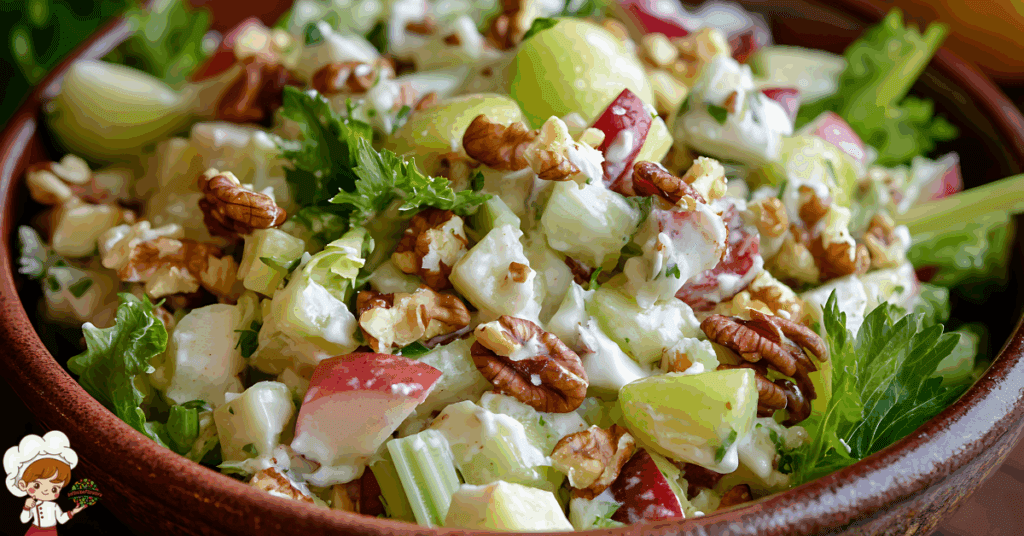
Exciting Delicious History of Turkey Salad; Turkey salad is one of those timeless dishes that has quietly woven itself into the fabric of American cuisine, beloved for its versatility, simplicity, and ability to transform leftovers into something fresh and flavorful. Whether loaded into sandwiches, scooped onto lettuce leaves, or served alongside crackers, turkey salad has become a go-to solution for home cooks seeking convenience without sacrificing taste.
Its history is richer than many expect, shaped by culinary traditions spanning centuries and influenced by the evolution of poultry farming, holiday customs, and the rise of American home cooking. Understanding the history of turkey salad means exploring how turkey became a staple in North America, how cold salads emerged as mainstream dishes, and why leftover transformations became such an important cultural practice. Today, turkey salad remains one of the most adaptable and resourceful dishes found in kitchens across the country, yet few know how this flavorful creation originally came to life.
The History of Turkey Salad and Its Evolution in American Cooking
To understand the history of turkey salad, you must begin with the deep roots of turkey in early North American culture. The wild turkey, native to North America, was a vital food source for Indigenous peoples long before European settlers arrived. Native American tribes roasted, boiled, smoked, and preserved turkey, using the meat in stews and broths as well as drying it for long-term storage.
When European colonists encountered turkey, they quickly adopted it into their diets due to its abundance, size, and adaptability to domestication. By the 1600s, turkey had made its way to Europe and became a culinary novelty, especially in England and Spain. However, the dish that would eventually become turkey salad did not arise until centuries later when cold meat preparations gained popularity.
During the 19th century, cold salads—especially those made with leftovers—became increasingly common as refrigeration technologies advanced. Before the advent of iceboxes, cold dishes were a luxury limited to households with access to blocks of ice or elaborate cooling systems. When household refrigeration expanded, American home cooks began experimenting with chilled dishes more frequently. Turkey salad emerged as part of this trend, influenced heavily by the popularity of chicken salad, which became a fashionable dish for ladies’ luncheons, tearooms, and upscale restaurants in the late 1800s. Since chicken and turkey share similarities in texture and flavor, turkey soon became a natural substitute in cold salads, especially after major holidays that left households with an abundance of leftovers.
The role of Thanksgiving in the rise of turkey salad cannot be overstated. As Thanksgiving became standardized as a national holiday in the late 19th century, roasted turkey became its undisputed centerpiece. The surge in turkey availability, combined with thrifty home practices, encouraged cooks to maximize leftovers in creative ways. Turkey salad became a staple in post-holiday cooking, often prepared with mayonnaise, herbs, celery, chopped eggs, or pickles. By the early 20th century, American cookbooks increasingly featured recipes for turkey salad, especially in chapters dedicated to leftovers or economical meals. These dishes appealed not only for their flavor but for their practicality—an enduring trait that continues to make turkey salad a beloved choice today.
Why Turkey Salad Became a Popular Cold Meal in American Homes
The rise of turkey salad in American homes is closely tied to changing cultural attitudes toward convenience food, meal prepping, and efficient use of ingredients. Turkey salad’s popularity soared during the mid-20th century, particularly in the 1950s and 1960s, when refrigerators became standard household appliances and homemakers began prioritizing quick, satisfying meals that could be prepared ahead of time. Cold salads fit perfectly into this lifestyle. Turkey salad required no reheating, could stretch across multiple meals, and used ingredients that were already on hand. It was flavorful, nutritious, and comforting—everything a home cook desired.
The growing availability of processed ingredients also contributed to turkey salad’s widespread appeal. The rise of store-bought mayonnaise, canned vegetables, and pre-prepared condiments made it easier than ever to mix together a delicious bowl of turkey salad. Delis and lunch counters began offering turkey salad sandwiches, and soon they became a regular menu item in school cafeterias, workplace canteens, and hospital dining halls. Turkey salad also gained attention as a practical picnic food, travel-friendly meal, and protein-rich option for packed lunches. Its longevity and adaptability meant that each region—and often each household—developed its own spin, from sweet versions with fruit to savory versions heavy on herbs or spice.
Another reason turkey salad became a staple is its connection to holidays and family traditions. For many families, turkey salad became an annual dish prepared on the weekend after Thanksgiving, joining turkey sandwiches, turkey soup, turkey pot pie, and casseroles as a way to repurpose leftover turkey into creative meals. Because turkey salad required minimal cooking, it allowed families to take a break from the heavy meal prep that often comes with holiday gatherings. Over time, turkey salad wasn’t just a dish—it became a comforting post-holiday ritual.
The Cultural Significance of Turkey Salad Over Time
Turkey salad’s history extends beyond simple leftovers—it reflects broader cultural shifts in American eating habits, food preservation, and ingredient availability. Throughout the early 20th century, cold meat salads symbolized modernity and culinary sophistication. They were often served at socials, community gatherings, and women’s clubs as light yet indulgent dishes. The popularity of tea rooms—especially during the 1920s—helped elevate turkey salad from a leftover dish to a fashionable lunch entrée. These establishments offered refined experiences for women, centered around elegant plates of chicken salad, turkey salad, or ham salad served alongside fruit cups and petite rolls.
As America transitioned into the post-war era, turkey salad adapted to new cultural demands. It aligned perfectly with the desire for quick meals, low-cost cooking, and reduced waste. The dish became strongly associated with domestic resourcefulness, embodying the frugality and creativity of home cooks. In many ways, turkey salad symbolizes the intersection of practicality and comfort—a dish that feels homemade, wholesome, and adaptable regardless of the ingredients available.
Today, turkey salad has entered a new stage of relevance. With renewed focus on high-protein meals, meal prepping, and healthier alternatives to processed foods, turkey salad fits right into modern trends. Its ability to incorporate fresh vegetables, lean proteins, and creamy or dairy-free bases makes it an ideal choice for families seeking nutritious and customizable meals. As more people embrace leftover-friendly cooking, turkey salad continues to stand strong as a timeless, sustainable, and deeply comforting dish.
Why Turkey Salad Remains a Favorite in Modern Kitchens
Turkey salad has remained popular for generations because it strikes the perfect balance between flavor, convenience, and versatility. Turkey’s mild taste allows it to pair well with a wide variety of mix-ins, making it adaptable to regional preferences, dietary needs, and personal tastes. Some households prefer classic versions with celery and mayonnaise, while others incorporate grapes, nuts, or fresh herbs for added texture and flavor. In health-focused kitchens, turkey salad is often made with Greek yogurt or avocado for a lighter twist, while gourmet versions showcase ingredients like roasted peppers, pesto, or specialty cheeses.
Its versatility extends to how it is served. Turkey salad can be enjoyed on sandwiches, croissants, tortillas, crackers, lettuce cups, or straight from the bowl. Its make-ahead nature makes it a go-to choice for busy families, meal preppers, and anyone needing a protein-packed lunch. Because turkey itself is rich in nutrients—especially lean protein—turkey salad offers a filling meal without requiring extensive preparation or cooking.
The continued popularity of turkey salad reflects the broader trend toward simple, comforting, and customizable dishes. In a world full of complex food trends, turkey salad remains refreshingly straightforward. It honors tradition while continuing to evolve with the culinary landscape, making it a staple that feels both familiar and endlessly adaptable.
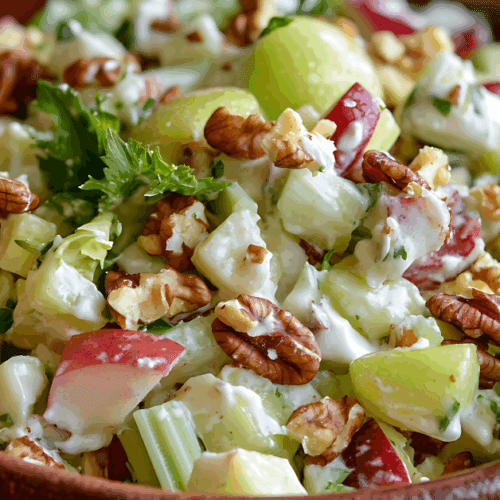
Turkey Salad
Ingredients
- 3 cups chopped cooked turkey
- 1 cup mayonnaise
- 1 cup chopped celery
- 1 cup diced apples
- ½ cup chopped pecans
- 1 cup halved grapes
Instructions
- In a large mixing bowl, combine the chopped turkey, mayonnaise, celery, apples, pecans, and grapes.
- Stir until all ingredients are evenly coated and well mixed.
- Chill for at least 30 minutes before serving to allow the flavors to blend. Enjoy as a refreshing salad, in sandwiches, or on lettuce cups.
Frequently Asked Questions: Exciting Delicious History of Turkey Salad
What is the origin of turkey salad?
Turkey salad originated in the United States as an adaptation of chicken salad and other cold meat dishes popularized in the 19th century. It grew especially common in the early 20th century as refrigerators became widely available and as Thanksgiving turkey leftovers became a cultural staple.
Why is turkey salad so popular after Thanksgiving?
Turkey salad offers an easy way to repurpose leftover turkey into a fresh and flavorful dish without requiring additional cooking. It also provides a lighter meal option after a heavy holiday feast, making it a traditional post-holiday favorite.
Is turkey salad considered healthy?
Yes, turkey salad can be a nutritious option depending on the ingredients used. Turkey is a lean protein, and the dish can easily include vegetables, herbs, and lighter dressing alternatives to create a well-balanced meal.
How long does turkey salad last in the refrigerator?
Most turkey salad lasts about three to four days when stored properly in an airtight container. Because the dish is served cold, refrigeration is essential to maintain its quality and food safety.
Can turkey salad be customized?
Absolutely. Turkey salad is one of the most customizable dishes out there. Common variations include adding fruits, nuts, herbs, spices, different dressings, or vegetables. It can be tailored to dietary needs, personal taste, or ingredient availability.
Is turkey salad served only as a sandwich?
No, turkey salad can be enjoyed in many ways. It can be served over greens, in wraps, inside croissants, with crackers, or as a dip. Its versatility is one of the reasons it remains so popular.

Why Turkey Salad Continues to Stand the Test of Time
Turkey salad has earned its place as one of the most beloved dishes in American kitchens. Its rich history, rooted in tradition, practicality, and culinary adaptation, shows why it has remained popular for more than a century. From the early days of refrigeration to the rise of modern meal prepping, turkey salad has proven itself a dish that evolves with the times while maintaining its comforting familiarity.
Whether enjoyed as a post-holiday staple, a quick weekday lunch, or a nostalgic throwback to family gatherings, turkey salad continues to bring flavor, nourishment, and simplicity to tables across the country. It is a dish that honors the past while thriving in the present—one that will undoubtedly remain a favorite for generations to come.
If you enjoyed exploring this topic and want to dive even deeper, be sure to check out some of our other articles here on Infinite Flavors. From rich culinary histories to creative twists on classic recipes, there’s always something new to discover. Whether you’re curious about the origins of a dish, looking for fresh inspiration in the kitchen, or simply love learning about food culture, our collection of posts is the perfect next step on your flavor journey.
The Rich History Of Turkey Pot Pie
The Delicious History Of Easy Turkey Soup
The Fascinating History And Origin Of Turkey Tacos