Indian Cuisine For Festive Occasions
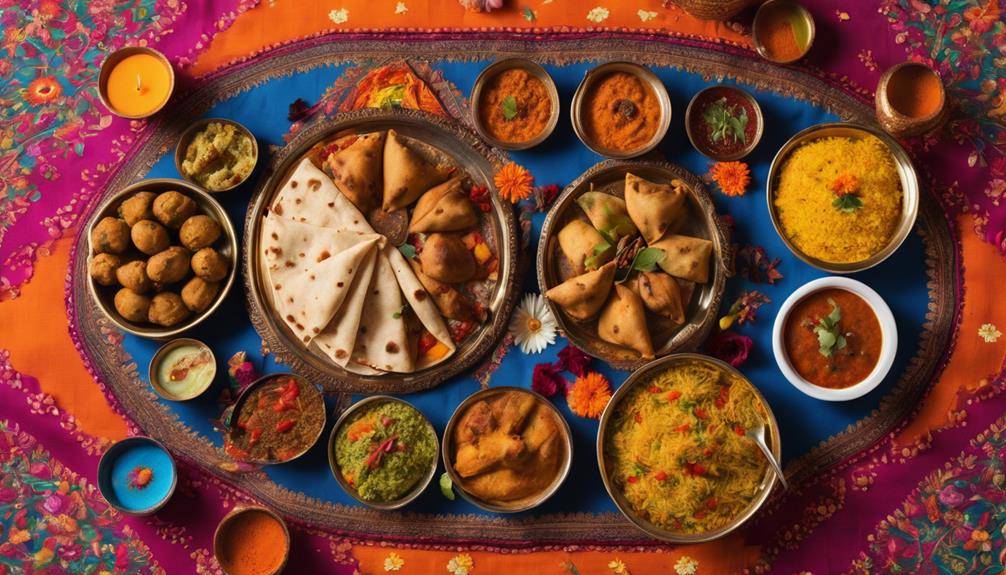
Indian Cuisine For Festive Occasions: Indian cuisine is essential for festive occasions, uniting friends and family through its rich flavors and traditions. You'll find iconic dishes like crispy samosas and sweet gulab jamun during Diwali, while Holi often features gujiya and invigorating thandai. For Eid, communal dishes like biryani and kebabs enhance the spirit of togetherness. Each region showcases unique specialties, from North India's butter chicken to South India's coconut curries, enriching celebrations with local flavors. The joy of sharing these meals fosters connection and creates lasting memories. Explore more to discover the delightful dishes that make each celebration truly special.
Click Here and Turn Every Masterpiece into a Showstopper!
Significance of Food in Celebrations
Food plays a central role in celebrations, often serving as the heart of gatherings. When you think about festive occasions, it's hard not to recall the aromas and flavors that evoke memories of family traditions. Each dish you enjoy is steeped in cultural heritage, connecting you to your roots and the people who came before you.
During these festive gatherings, food acts as a catalyst for community bonding. You'll find that seasonal ingredients often take center stage, showcasing the bounty of nature and the culinary rituals that define your region. Whether it's a special sweet or a savory dish, each bite serves a purpose—celebrating the occasion and symbolizing abundance and togetherness.
As you gather with loved ones, you might notice how certain symbolic foods hold deep meanings in your regional customs. These dishes often tell a story, representing hopes, dreams, and shared values. When you share a meal, you're not just satisfying hunger; you're engaging in a time-honored practice that strengthens relationships and fosters a sense of belonging.
Iconic Dishes for Diwali
As you celebrate Diwali, the festival of lights, iconic dishes take center stage, bringing vibrant flavors and colors to your festivities. You'll find an array of delicious Diwali snacks that are perfect for sharing with family and friends during your Diwali gatherings. Crispy samosas and spicy pakoras are always crowd-pleasers, offering that perfect crunch.
No Diwali celebration is complete without indulgent Diwali sweets. Think of rich, syrupy gulab jamun, delicate laddoos, and creamy barfis that create a sweet symphony on your taste buds. These treats are often exchanged as Diwali gifts, symbolizing love and goodwill among friends and family.
To wash down these delightful dishes, you can serve invigorating Diwali drinks. Traditional beverages like masala chai or chilled mango lassi add an extra layer of festivity to your meals. As you gather around the table, the aroma of these iconic dishes blends beautifully with the vibrant Diwali decorations that adorn your home, enhancing the festive atmosphere.
Incorporating these iconic dishes into your Diwali rituals not only honors tradition but also creates lasting memories. Each bite reflects the rich cultural heritage of India, reminding you of the significance of togetherness during this special time. Embrace these culinary treasures, and let them be a part of your Diwali traditions, making your celebration even more memorable.
Traditional Treats for Holi
What makes Holi truly special is its vibrant array of traditional treats that capture the spirit of this joyful festival. As you join in the Holi festivities, you'll find yourself surrounded by the delightful aromas of various sweets and snacks that enhance the celebratory atmosphere. One of the most cherished traditional sweets is gujiya, a crescent-shaped pastry filled with a sweet mixture of khoya and dried fruits. It's a must-have during Holi, embodying the essence of these joyous celebrations.
You can also savor the colorful thandai, a invigorating drink made with milk, nuts, and spices, often infused with bhang for an extra festive kick. As you gather with family and friends, these treats play a significant role in your playful gatherings, fostering connections and memories. Other popular snacks include dahi bhalla and papdi chaat, which add a savory touch to your family feasts.
The cultural significance of these traditional sweets and snacks can't be understated. They represent the abundance of life and the joy of togetherness, making every bite a reminder of the vibrant colors of Holi. As you indulge in these festive rituals, you not only celebrate the arrival of spring but also honor the bonds that unite you with your loved ones. So, don't miss out on these delicious offerings during Holi; they truly enrich the experience and bring everyone closer together.
Click Here and Turn Every Masterpiece into a Showstopper!
Festive Flavors for Eid
Eid is a time to savor traditional dishes that bring families together. You'll find an array of sweet treats and aromatic spices that make the celebration truly special. Let's explore the delicious flavors that define this festive occasion.
Traditional Eid Dishes
During festive occasions, traditional Eid dishes take center stage, showcasing a vibrant tapestry of flavors and aromas. You'll find that Eid meal traditions often revolve around communal feasting, where family gatherings become a celebration of love and togetherness. As you prepare festive recipes, consider including dishes like biryani, kebabs, and haleem, each steeped in cultural significance and culinary heritage.
The use of seasonal ingredients adds freshness to your spread, creating a delightful experience for everyone. As you gather around the table, the atmosphere buzzes with traditional music playing in the background, enhancing the joy of sharing these delicious meals. You'll notice how festive attire adds to the occasion, with everyone dressed in their finest clothes, ready to indulge.
Eid is not just about the food; it's about sharing joy with loved ones. As the aromas waft through the air, these traditional Eid dishes invite you to savor each moment and create lasting memories. So, gather your family, prepare your favorite recipes, and enjoy the rich flavors that make Eid a truly special occasion.
Sweet Treats for Eid
Sweet treats are an essential part of celebrating Eid, offering a delightful way to end the festive meal on a high note. The joy of indulging in Eid desserts brings families together, enhancing the spirit of communal dining. Traditional recipes like sheer khurma or gulab jamun not only satisfy your sweet tooth but also hold cultural significance, representing the rich heritage of Indian cuisine.
During family gatherings, sweet gifting becomes a cherished tradition. You might prepare or buy boxes filled with celebratory sweets to share with neighbors and friends, spreading joy and unity. These festive feasts wouldn't feel complete without a selection of desserts that symbolize gratitude and togetherness.
As you enjoy your Eid festivities, consider trying your hand at some of these traditional recipes. Whether you're whipping up some barfi or savoring a slice of baklava, each bite connects you to the celebrations of the past. So, gather around the table, relish these delectable treats, and create sweet memories that will last a lifetime. After all, Eid is not just about the food; it's about sharing love and joy through every delightful morsel.
Spices to Celebrate Eid
Embrace the vibrant flavors that spices bring to your Eid celebrations. The right spice blends can transform your feast into an unforgettable experience. Start with a saffron infusion, which not only enhances the color but also adds a luxurious touch to your biryani variations. Whether you choose chicken, mutton, or vegetarian options, the aromatic spices will make each bite a delight.
Aromatic curries should grace your table, infused with spices like cumin, coriander, and cardamom. Pair these with traditional breads, such as naan or roti, for a perfect combo. Don't forget flavorful kebabs, marinated in spices and grilled to perfection—these bite-sized treats are sure to impress your guests.
For a complete spread, include savory snacks like samosas or pakoras, which offer a crunchy contrast to your main dishes. Finally, drizzle sweet syrups over desserts like gulab jamun or jalebi to round off your meal. Each of these elements, enriched with spices, will create a festive atmosphere, making your Eid celebration truly memorable. Enjoy the culinary adventure as you share these delicious flavors with family and friends!
Wedding Culinary Delights
When it comes to Indian weddings, the food is often the highlight of the celebration. You'll find traditional dishes that reflect the couple's heritage, alongside popular regional flavors that tantalize every palate. Let's explore some of these culinary delights that make weddings unforgettable.
Traditional Wedding Dishes
Indian weddings are renowned for their elaborate feasts, showcasing a splendid array of traditional dishes that reflect the rich cultural tapestry of the country. The culinary offerings during these celebrations often hold deep cultural significance, embodying the couple's heritage and family recipes passed down through generations. Each dish serves a purpose in wedding rituals, enhancing the festive gatherings with flavors and aromas that evoke joy and togetherness.
From spicy biryanis to creamy paneer dishes, the menu often varies by region, highlighting local specialties and reflecting the diversity of India. Traditional sweets, like gulab jamun and jalebi, play an essential role in these celebration feasts, symbolizing sweetness in the couple's new journey together.
Ceremonial traditions dictate that certain dishes must be served, as they are believed to bring good fortune and blessings to the newlyweds. These meals not only nourish the body but also connect families, creating lasting memories filled with laughter and love. Embracing the culinary heritage of Indian weddings allows you to experience the richness of culture while savoring the delicious flavors that make each celebration unique.
Popular Regional Flavors
Celebrations at Indian weddings are a vibrant tapestry of regional flavors that cater to diverse palates. You'll discover that each region boasts its own specialties, making the culinary experience truly unique. In the North, you might savor rich dishes like butter chicken and biryani, often enhanced with seasonal ingredients like fresh tomatoes and fragrant spices.
Traveling south, expect to delight in coconut-based curries and dosa, showcasing local produce like ripe coconuts and aromatic curry leaves. The East brings seafood delicacies and sweets like rasgulla, while the West offers a mix of spicy curries and sweets like pedas, all made with ingredients harvested at their peak.
You can't overlook the importance of seasonal ingredients, which not only enhance flavors but also reflect the cultural significance of the occasion. Whether it's the hearty winter vegetables or the fresh summer fruits, these ingredients elevate the dishes served at weddings. By exploring these regional specialties, you'll experience a culinary journey that resonates with tradition and the festive spirit, ensuring that every bite tells a story of love and celebration.
Regional Variations in Festive Cuisine
Festive occasions in India bring a delightful array of regional cuisines, each showcasing unique flavors and traditions. When you explore these culinary traditions, you'll discover how diverse ingredients and cooking techniques reflect the rich tapestry of Indian culture. Every region has its own specialties that come alive during celebrations.
In the North, you might savor rich dishes like butter chicken and biryani, often paired with naan or parathas. These regional specialties are typically accompanied by vibrant pickles and cooling raitas. As you move South, you'll find a focus on rice and lentils, where dishes like sambar and dosa take center stage, often enhanced by coconut or curry leaves.
Heading to the East, you can indulge in the sweetness of Bengali desserts, such as rasgulla and sandesh, while enjoying savory fish curries. Meanwhile, in the West, you'll encounter a blend of spices in Gujarati thalis and Maharashtrian puran poli, showcasing the emphasis on vegetarianism in these culinary traditions.
As you celebrate festivals across India, each region offers a unique experience that's deeply rooted in local customs. You'll notice how food serves as a medium for sharing joy and togetherness among family and friends. So whether you're tasting the spicy flavors of the North or the sweet delights of the South, each bite connects you to the essence of Indian festive cuisine, celebrating the diversity and unity found in regional specialties.
Click Here and Turn Every Masterpiece into a Showstopper!
Frequently Asked Questions: Indian Cuisine For Festive Occasions
What Are Common Vegetarian Dishes for Indian Festivals?
When celebrating festivals, you'll find traditional recipes like paneer tikka, aloo gobi, and chole. These dishes often include festive ingredients like saffron, nuts, and fresh herbs, adding flavor and joy to your celebrations.
How Can I Incorporate Fusion Elements Into Traditional Festive Meals?
To incorporate fusion elements into traditional festive meals, experiment with modern twists on classic recipes. You can blend cultural influences, like adding spices from one cuisine to another, creating unique flavors that celebrate diversity and tradition.
What Are Popular Drinks Served During Indian Festivities?
During festivities, you'll love exploring traditional beverages like lassi and chai, or trying regional specialties such as thandai and solkadhi. Each drink adds a unique flavor, enhancing the celebratory atmosphere with every sip.
How Can I Prepare Indian Sweets at Home?
To prepare Indian sweets at home, start by making sugar syrup. You can use ingredient variations like milk, flour, or nuts to create different treats. Experiment with flavors and enjoy your homemade delicacies!
What Are the Best Ways to Serve Food During Celebrations?
To serve food during celebrations, focus on buffet presentation and serving etiquette. Arrange dishes attractively, use decorative platters, and guarantee self-serve utensils are clean. Encourage guests to mingle and enjoy a variety of flavors together.

Conclusion
In Indian culture, food isn't just sustenance; it's a way to celebrate and connect. Whether you're savoring the sweets of Diwali, enjoying the vibrant colors of Holi, or indulging in the rich flavors of Eid, each dish tells a story. Weddings bring their own culinary magic, showcasing regional specialties that reflect the diversity of this beautiful country. So, as you partake in these festive occasions, remember that every bite is a celebration of tradition, love, and togetherness.