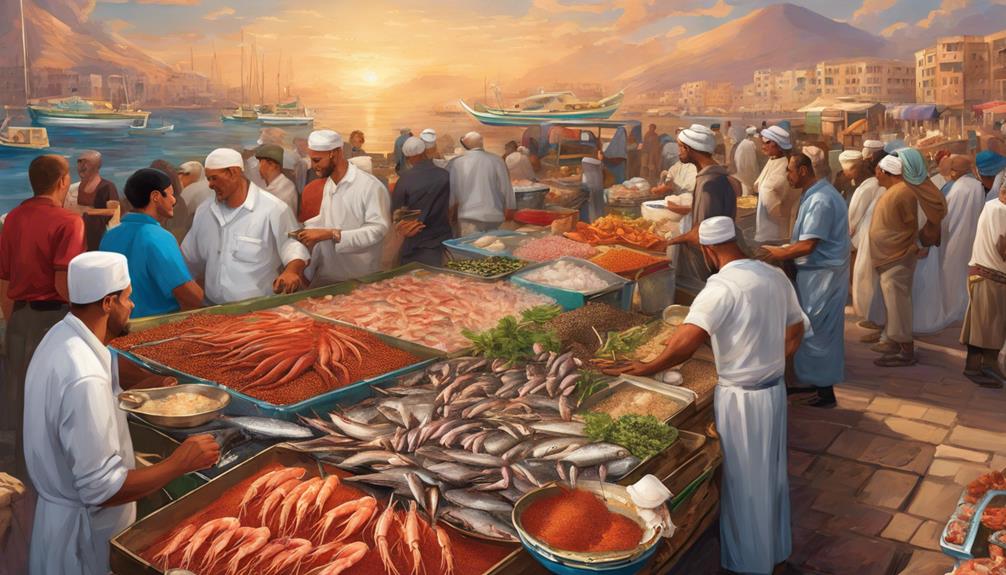
Italian Holiday And Festival Food Traditions
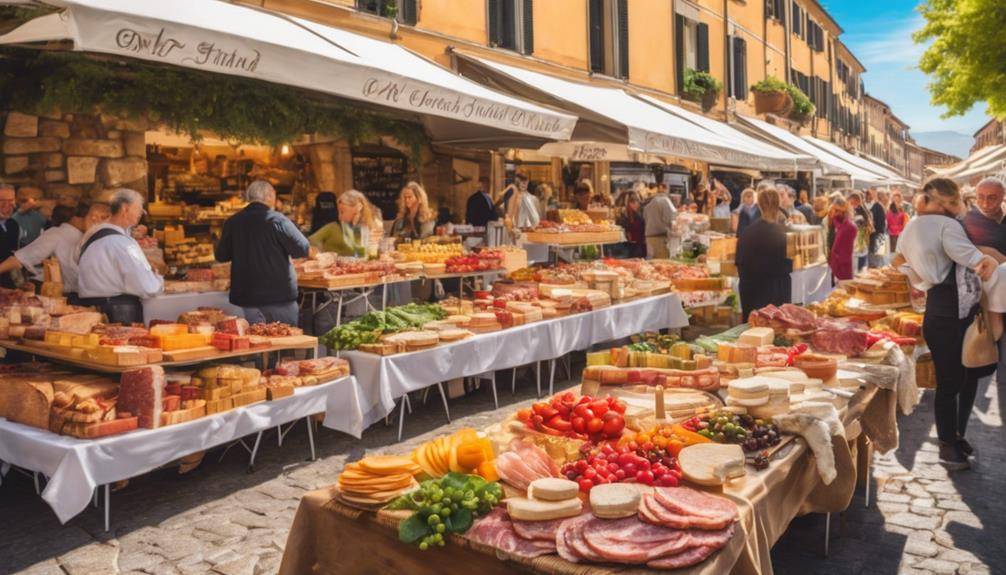
Italian Holiday And Festival Food Traditions: Italian holiday and festival food traditions bring you together with family and friends, celebrating life and culture. You'll enjoy festive dishes like seafood at Christmas and lamb during Easter, highlighting regional ingredients. Sweet treats like panettone and Sicily's cannoli add a special touch to celebrations. Seasonal cooking techniques, like grilling in summer and slow cooking in winter, enhance flavors and freshness. Community gatherings often include vibrant street food, from sizzling sausages to delicious arancini. Each dish tells a story of heritage and joy, inviting you to explore the rich culinary landscape Italy offers during its holidays and festivals.
Click Here and Turn Every Masterpiece into a Showstopper!
The Significance of Food in Italian Culture
Food isn't just fuel in Italian culture; it's a celebration of life and community. When you sit down for a meal, you're engaging in a rich tapestry of cultural heritage that connects you to generations past. Communal meals are at the heart of family gatherings, where you share not just food, but stories that reflect your roots and values. Each dish you enjoy carries food symbolism, representing love, abundance, and unity.
Culinary rituals play a crucial role in festive gatherings, where the preparation and enjoyment of food become a collective experience. You might find yourself involved in a family recipe passed down through generations, making the act of cooking a form of heritage preservation. The regional diversity in Italian cuisine means that every area offers its unique flavors and traditions, showcasing the agricultural roots of local ingredients.
As you savor each bite, you're also participating in food storytelling, where every meal tells a story of the land and its people. Whether it's a simple pasta dish or an elaborate feast, the significance of food in Italian culture transcends mere nourishment. It's a way to honor your ancestors, celebrate life's milestones, and forge deeper connections with those around you.
In this vibrant culture, sharing food isn't just about eating; it's about creating memories, fostering relationships, and embracing the richness of life itself. So, the next time you gather around the table, remember the deeper meaning behind each dish and the love that brings you all together.
Traditional Christmas Dishes
At the heart of Italian Christmas celebrations are traditional dishes that bring families together in joyous feasting. You'll find that the festive season kicks off with an array of Christmas appetizers, which often include bruschetta topped with tomatoes and basil, or perhaps a platter of cured meats and cheeses. These small bites set the tone for the meal, inviting everyone to share and savor.
As the main course approaches, you can expect a delicious seafood feast, commonly featuring dishes like baccalà (salted cod) or fritto misto, a fried mix of fish and vegetables. In some regions, pasta takes center stage, often served with a rich ragù or a simple olive oil and garlic dressing.
Don't forget about the side dishes! Roasted vegetables and lentils are popular choices, symbolizing prosperity and good fortune for the coming year.
To wash it all down, festive beverages are a must. You might enjoy a glass of Prosecco or a warming mulled wine, perfectly complementing the flavors of your meal.
Sweet Treats for the Holidays
When you think of Italian holidays, sweet treats play a starring role. From classic Christmas desserts like panettone to regional delights that vary by area, there's a rich variety to explore. You won't want to miss out on these delicious traditions that bring families together during the festive season.
Traditional Christmas Desserts
Christmas in Italy wouldn't be complete without its array of traditional desserts that bring sweetness to the festive season. One of the most beloved treats you'll encounter is panettone. This tall, dome-shaped cake is often filled with candied fruits, raisins, and sometimes even chocolate. You'll find countless panettone variations, each with unique flavors and fillings that reflect local tastes.
Another staple is pandoro, a rich, buttery cake that's typically dusted with powdered sugar, resembling the snowy peaks of the Alps. Originating from Verona, this regional pandoro is enjoyed for its soft, fluffy texture and delightful flavor. You might even come across creative twists on these classics, where bakers experiment with fillings or present them in festive shapes.
As you gather with family and friends during the holiday season, sharing these desserts is a cherished tradition. Each bite of panettone or pandoro captures the essence of Italian Christmas spirit, reminding you of the warmth and joy of togetherness. So, whether you're indulging in these treats or gifting them to loved ones, you're sure to savor the sweetness of the holidays.
Regional Holiday Sweets
Throughout Italy, regional holiday sweets offer a delightful array of flavors and textures that vary by location. Each region has its own unique specialties, reflecting local ingredients and traditions. For instance, in Naples, you'll find the famous struffoli, tiny fried dough balls drizzled with honey and sprinkled with colorful confetti. Meanwhile, in Sicily, the iconic cannoli with creamy ricotta filling are a must-try during the festive season.
Up north, you can enjoy panettone, a tall, dome-shaped cake filled with candied fruits and nuts, perfect for sharing on Christmas Eve. In Lombardy, the holiday variations include a similar cake called pandoro, dusted with powdered sugar, which makes for a delightful dessert after a family meal.
As you explore Italy, don't miss out on regional specialties like torcetti from the Aosta Valley or the sweet breads of Liguria. Each bite tells a story of tradition and celebration, making your holiday experience truly memorable. Embrace the rich tapestry of Italian holiday sweets, and savor the unique flavors that each region has to offer.
Easter Celebrations and Food
How do Italians celebrate Easter with food? The culinary traditions during this festive season are rich and diverse, reflecting the joy of Holy Week. Families gather to share Paschal meals, which often highlight the season's bounty. You'll find lamb dishes, a symbol of rebirth and sacrifice, taking center stage. It's common to prepare dishes like roasted lamb or lamb stew, seasoned with fragrant herbs.
Spring vegetables also play an essential role in Easter meals. Fresh artichokes, asparagus, and fava beans often grace the table, celebrating the arrival of spring. These vibrant veggies not only enhance the meal but also represent new life.
Easter bread, known as "Colomba," is a beloved treat that resembles a dove, symbolizing peace. You'll be delighted by its soft, sweet texture, often adorned with almonds and sugar. Traditional pastries, such as "Pastiera," a ricotta pie flavored with orange blossom water, are also must-tries. These desserts often embody the essence of spring and renewal.
You can't forget the Easter eggs, either! They're beautifully decorated and often hidden for children to find during family gatherings. This playful tradition adds a layer of excitement to the festivities.
Unique Regional Festivities
Italy's rich tapestry of regional cultures brings a delightful variety to holiday food traditions. Each region boasts its own unique specialties that reflect local traditions and seasonal celebrations. In Sicily, for instance, you might enjoy arancini made with festival ingredients like saffron and cheese during the Feast of Saint Agatha. These flavors not only tantalize your taste buds but also hold significant cultural significance for the community.
As you explore different regions, you'll find culinary competitions that showcase heritage recipes passed down through generations. In Tuscany, locals often engage in friendly rivalries over who can create the best pici, a handmade pasta, during village festivals. These competitions foster a spirit of camaraderie and highlight the importance of food pairings, making every meal a communal experience.
Festive rituals abound, often starting with community gatherings where families and friends come together to share a meal. For example, during the Feast of the Immaculate Conception in Naples, you might savor a rich, seafood-laden meal that celebrates the bounty of the sea.
As the seasons change, so do the dishes you'll find at these celebrations. The use of seasonal ingredients not only emphasizes freshness but also connects you to the land and its heritage. Whether it's the hearty polenta in winter or light, citrus-infused desserts in spring, these unique regional festivities offer a delicious glimpse into Italy's diverse culinary landscape and the stories behind each dish.
Ferragosto: The August Feast
Ferragosto, Italy's beloved August feast, marks the height of summer celebrations with a joyful blend of food, family, and relaxation. As you join in on the Ferragosto traditions, you'll notice that food takes center stage. Families gather to enjoy lavish meals outdoors, often featuring seasonal ingredients that showcase the best of summer.
The day typically starts with a hearty lunch, where you might indulge in dishes like caprese salad, featuring fresh tomatoes, mozzarella, and basil, or perhaps a revitalizing pasta salad tossed with vegetables and a drizzle of olive oil. As the heat of the day sets in, it's common to enjoy grilled meats, seafood, or a selection of antipasti, creating a feast that reflects the vibrant flavors of the season.
Dessert is also a highlight during Ferragosto. You might savor a slice of watermelon or indulge in a traditional Italian dessert like tiramisu or panna cotta. Drinks flow freely, with local wines and invigorating cocktails to toast the occasion.
Ferragosto isn't just about the food; it's a time to relax and unwind with loved ones. Many people head to the beach or the countryside, enjoying picnics and summer feasting under the sun. Fireworks light up the night sky in some regions, adding to the festive atmosphere. This celebration isn't just a meal; it's a cherished tradition, bringing together generations to celebrate life, love, and the beauty of summer.
Harvest Festivals and Their Foods
As autumn approaches, harvest festivals across Italy celebrate the bounty of the season with vibrant food traditions. You'll find that these harvest celebrations are more than just gatherings; they're a way for communities to come together, honor the land, and enjoy the fruits of their labor. Each region showcases its unique offerings, emphasizing local and seasonal ingredients that truly reflect the essence of Italian cuisine.
During these festivals, you can expect to savor dishes made from freshly harvested produce. Think of hearty soups featuring pumpkins and squash, or delicious pastas tossed with wild mushrooms and seasonal greens. You might even come across sweet treats like chestnut cake or grape must, a traditional dessert that marks the grape harvest.
Local farmers and artisans often set up stalls where you can sample and purchase their goods, from rich olive oils to vibrant fruits and vegetables. You'll notice how much pride each vendor takes in their offerings, as they share stories about their harvests and the techniques that make their products special.
Don't miss the chance to join in on traditional meals that bring families and friends together, often featuring communal tables laden with rustic dishes. These moments not only fill your belly but also your heart, as you connect with the culture and spirit of the season. So, embrace the flavors and festivities of Italy's harvest season, and let the warmth of these celebrations leave a lasting impression on you.
Carnival Celebrations and Delicacies
When Carnival rolls around, you can't miss the vibrant celebrations and the delicious food that comes with it. Traditional dishes like lasagna and tortellini fill the tables, while sweet treats like chiacchiere and frittelle satisfy your cravings. Get ready to indulge in the rich flavors and festive spirit that make Carnival a true gastronomic delight!
Traditional Carnival Dishes
Carnival celebrations in Italy are a feast for the senses, brimming with vibrant colors, lively music, and, most importantly, an array of delectable traditional dishes. As you wander through the bustling streets, you'll encounter a variety of festive street food that captures the spirit of the season.
One of the highlights is the savory "arancini," which are delicious rice balls stuffed with cheese, meat, or vegetables, and fried to golden perfection. These bite-sized treats are perfect for snacking while you enjoy the festivities. Another popular option is "frittelle," a type of fried dough that can be filled with ingredients like cheese or anchovies, enticing you with their crispy texture and rich flavors.
Don't forget to indulge in the iconic carnival pastries, like "chiacchiere." These crispy, thin strips of dough are dusted with powdered sugar, creating a light and crunchy delight. Each region boasts its own unique take on these dishes, offering a delightful taste of local traditions. So, when you join in the Carnival fun, make sure to savor these traditional dishes that bring joy and flavor to this vibrant celebration!
Sweet Treats of Carnival
A delightful array of sweet treats awaits you during the Carnival season in Italy, each designed to satisfy your sweet tooth. You can't miss the iconic carnival pastries, like "chiacchiere," which are thin, crispy strips of dough, dusted with powdered sugar. These light, airy delights are perfect for nibbling as you soak in the festive atmosphere.
Another must-try is "frittelle," sweet fried dough balls often filled with cream, raisins, or other fruity fillings. They're rich and indulgent, making them one of the most beloved festive confections during this vibrant celebration.
If you're in Venice, be sure to sample "galani," which are similar to chiacchiere but shaped differently. Their light crunch and sweet flavor make them an irresistible treat.
Don't forget about "tortelli," a pastry stuffed with various fillings, including custard or chocolate. Each bite is a little piece of Carnival magic.
With every corner of Italy boasting unique sweets, it's a perfect time to explore these delicious offerings. So indulge in these carnival pastries and let the festive spirit take you away!
Click Here and Turn Every Masterpiece into a Showstopper!
Feast of Saint Joseph Traditions
Celebration of the Feast of Saint Joseph brings communities together in joyful reverence. This cherished occasion, held on March 19th, honors the patron saint of workers and fathers. Families and friends gather to create the St. Joseph's Table, a beautifully adorned display of foods, symbolizing gratitude and sharing. It's common to see ornate decorations, including flowers and candles, as well as images of St. Joseph himself.
As you partake in this celebration, you'll notice that food plays a central role. Traditional dishes are prepared, focusing on meatless recipes to honor the Lenten season. You might find delicious pasta dishes, hearty soups, and various vegetable preparations. But don't forget the sweets! Sicilian pastries are a must-have, featuring delectable treats like zeppole, which are cream-filled pastries topped with powdered sugar. These pastries aren't just dessert; they symbolize the abundance of God's blessings.
When you visit a St. Joseph's Table, you'll often see the custom of offering food to those in need. It's a beautiful way to share not only the feast but also the spirit of generosity that St. Joseph embodies. People often take home leftovers, ensuring that no one leaves empty-handed.
Participating in the Feast of Saint Joseph traditions, you'll experience a rich tapestry of flavors and a sense of community that's truly special. Whether you're making the pastries or simply enjoying the company, this celebration is a heartfelt reminder of faith, family, and the joy of giving.
The Role of Bread in Celebrations
When you think about Italian holiday celebrations, bread often plays a central role. It's not just a staple; it carries deep symbolism and varies by region, reflecting local traditions. You'll also find unique bread-making rituals that bring families together during these festive times.
Symbolism of Bread
In Italian culture, bread serves as a potent symbol of life and sustenance, especially during holiday celebrations. You'll find that bread symbolism goes beyond mere nourishment; it embodies community, family, and tradition. At festive gatherings, bread often takes center stage, reflecting its cultural significance in various rituals.
During holidays like Christmas and Easter, specific types of bread become essential elements of the feast. For instance, Panettone, a sweet bread filled with dried fruits, signifies joy and abundance, while the traditional Easter bread, Pane di Pasqua, represents renewal and hope. When you break bread with loved ones, it fosters a sense of unity and connection that enhances the celebratory spirit.
Moreover, bread is often blessed during religious ceremonies, reinforcing its role in spiritual life. Sharing this blessed bread during meals symbolizes gratitude and hospitality, inviting everyone to partake in the blessings of life. As you immerse yourself in these traditions, you'll appreciate how bread transcends its physical form, acting as a crucial link to heritage and community. Embracing bread in Italian celebrations allows you to honor the past while creating lasting memories with those you cherish.
Regional Variations Explored
Italian holiday food traditions vary widely across regions, showcasing unique breads that reflect local customs and flavors. Each region brings its own flair, often integrating festive ingredients that highlight the area's culinary heritage. For instance, in Tuscany, you might find Pane Toscano, a saltless bread celebrated for its rustic flavor profile, perfect for soaking up rich sauces during communal meals.
As you travel to the south, you'll encounter Pane di Altamura, made with durum wheat and cherished for its dense texture. This bread often graces tables during seasonal celebrations, uniting families in joy. In the north, the sweet Panettone takes center stage during Christmas, its rich, buttery dough filled with candied fruits, embodying the festive spirit.
Exploring local customs at traditional markets reveals how bread plays a pivotal role in these celebrations, serving not just as sustenance but as a symbol of togetherness. Each bite of these regional breads tells a story, reflecting the diverse flavor profiles and customs that make Italian holiday food traditions so special. Whether you're sharing a loaf with loved ones or discovering a new favorite, you'll truly appreciate the depth of Italy's culinary landscape.
Bread-Making Rituals
The warmth of tradition envelops families as they gather to create bread for holiday celebrations, transforming a simple act into a cherished ritual. You'll find that bread-making serves as a bonding experience, where generations come together to share stories and laughter while kneading dough. Using artisan techniques passed down through the years, you'll learn to master recipes that hold deep cultural significance.
In many Italian households, communal baking becomes a delightful event, with family members working side by side. You might roll up your sleeves and immerse yourself in the flour, feeling the textures and aromas that fill the air. Each loaf you shape carries the essence of your heritage, whether it's a sweet Panettone for Christmas or a savory Pane di Pasqua for Easter.
As the bread rises, anticipation builds, and the kitchen buzzes with excitement. When the golden crust emerges from the oven, it's more than just food; it's a symbol of love, togetherness, and celebration. So, when you partake in these bread-making rituals, you're not just baking—you're preserving a legacy that spans generations, ensuring that the heart of Italian culture remains alive and well.
Wine and Its Importance in Festivities
Wine holds a central place in Italian holiday festivities, serving not just as a beverage but as a symbol of togetherness and celebration. When you gather with family and friends, you'll often find a bottle of wine at the center of the table, ready to enhance the experience. The right wine pairings elevate your holiday meals, complementing the flavors of traditional dishes. Whether it's a full-bodied Chianti with rich pasta dishes or a crisp Prosecco to accompany light appetizers, each choice is made to enhance the overall enjoyment of the feast.
During these celebrations, festive toasts become a cherished ritual. As you raise your glass, you share heartfelt wishes and express gratitude, creating a warm atmosphere that deepens connections. It's not unusual to hear "Salute!" as you clink glasses, a simple yet powerful expression of well-being and joy. Each toast is a moment of unity, a shared acknowledgment of life's blessings.
Wine also plays a role in many cultural customs. For instance, it's common to pour a little wine on the ground as an offering to the earth, honoring traditions that date back generations. This connection to the past enriches the experience, reminding you of the importance of heritage during festive gatherings.
Seasonal Ingredients in Italian Cooking
When you think about Italian cooking, the importance of seasonal ingredients really stands out. You'll find that local produce not only enhances flavors but also influences traditional festive dishes. Embracing seasonal cooking techniques means you can create meals that celebrate Italy's diverse culinary heritage.
Local Produce Selection
Italian cooking thrives on the vibrant flavors of seasonal produce, making local ingredients the cornerstone of many traditional dishes. When you explore Italy, you'll find that local farmers play an essential role in providing fresh fruits, vegetables, and herbs that reflect the region's unique terroir. Visiting seasonal markets is a delightful experience, allowing you to connect with these farmers and discover the bounty of the land.
As you browse the stalls, you'll notice that ingredients change with the seasons. In spring, you might find tender asparagus and bright artichokes, while summer brings juicy tomatoes and fragrant basil. In autumn, hearty squash and earthy mushrooms take center stage, and winter introduces root vegetables and citrus fruits. By choosing these seasonal ingredients, you not only enhance the flavor of your dishes but also support local agriculture.
Incorporating local produce into your cooking allows you to celebrate Italian culinary traditions while enjoying the freshest flavors available. Whether you're making a classic pasta dish or a simple salad, using what's in season guarantees that your meals are not only delicious but also a true reflection of the Italian landscape.
Seasonal Cooking Techniques
As you embrace the art of seasonal cooking, you'll discover that techniques often vary based on the ingredients available at different times of the year. In Italy, the focus on fresh ingredients means you'll adapt your cooking methods to highlight what's in season. For instance, during spring, you might use lighter cooking techniques like steaming or sautéing to showcase tender vegetables such as asparagus and peas.
In the summer, grilling becomes a favorite way to prepare fresh tomatoes and zucchini, allowing the natural flavors to shine. As autumn arrives, you can shift to roasting and braising, which beautifully complements root vegetables and hearty greens.
Winter invites you to explore slow cooking, perfect for stews and soups that warm the soul while using preserved or hearty ingredients like cabbage and potatoes.
Traditional Festive Dishes
Celebrating the holidays in Italy means indulging in a variety of traditional festive dishes that highlight seasonal ingredients. Each region has its own specialties that contribute to the magic of festive feasts. For instance, during Christmas, you might savor tortellini in brodo, a comforting broth filled with homemade pasta and rich flavors.
As you gather with family and friends, communal gatherings become a time for sharing not just food but also stories and laughter. Easter brings its own delights, such as lamb roasted with herbs or colomba, a dove-shaped cake symbolizing peace.
In the fall, you'll find dishes featuring pumpkins and chestnuts, showcasing the bounty of the harvest. Winter holidays often feature hearty risottos and polenta, perfect for warming up during chilly nights.
Embracing these traditional recipes allows you to experience Italy's rich culinary heritage while celebrating the changing seasons. Each dish embodies a connection to the land, the community, and the joy of togetherness. So, whether it's a family gathering or a festive feast, you'll find that these traditional festive dishes create memories that linger long after the last bite.
Family Recipes Passed Down
Many families treasure their unique holiday recipes, passed down through generations like cherished heirlooms. These recipes often hold stories, memories, and the essence of family gatherings, reminding you of shared laughter and togetherness. You might recall the aroma of your grandmother's sauce simmering on the stove or the way your mother's lasagna would fill the kitchen, creating an inviting atmosphere during the holidays.
Every dish comes with its own set of cooking techniques that have been refined over the years. Perhaps your family has a special way of kneading dough or a secret spice blend that adds depth to your favorite risotto. These methods aren't just about the food; they're about connecting with your roots and honoring those who came before you. Each time you cook, you're not just preparing a meal, you're continuing a legacy.
During family gatherings, the act of preparing these treasured recipes brings everyone together. You might find yourself surrounded by loved ones, chopping vegetables, or stirring pots, sharing stories of past celebrations. This communal cooking experience strengthens bonds and fosters a sense of belonging, creating new memories while honoring the old.
As you gather around the table, savoring each bite, you realize that these recipes are more than just food—they're a celebration of family, love, and tradition. Embrace these culinary gifts, and keep passing them down, ensuring that your family's legacy lives on through every delicious dish.
Street Food at Festivals
Street food at Italian festivals brings a vibrant energy to holiday celebrations, showcasing the rich culinary heritage of the country. As you wander through the lively streets, you'll encounter a variety of street vendors offering mouthwatering festival favorites that capture the essence of Italian cuisine. From sizzling sausages to golden-fried arancini, there's something for everyone to enjoy.
One of the highlights of these festivals is the aroma that wafts through the air. You'll find vendors grilling skewers of marinated meats or serving up fresh seafood from coastal regions. Don't miss out on the classic porchetta – a succulent roasted pig that's a staple at many events. Each bite is a celebration of flavor and tradition.
Pizza al taglio is another festival favorite that's hard to resist. These rectangular slices come in a plethora of toppings, allowing you to sample different flavors in one sitting. Pair it with a invigorating glass of local wine or a fizzy Italian soda, and you've got the perfect meal while soaking in the festive atmosphere.
Desserts are equally enticing, with vendors offering sweet treats like zeppole, cannoli, and gelato. Indulging in these delights while enjoying live music or dance performances makes the experience unforgettable.
At Italian festivals, street food isn't just about eating; it's about connecting with the community and celebrating tradition. So, grab a plate, savor the flavors, and immerse yourself in the joyful spirit that these culinary delights bring.
Modern Twists on Traditional Dishes
Italian cuisine is known for its rich traditions, but chefs today are breathing new life into classic dishes with modern twists. You'll find that creative presentations elevate familiar favorites, turning a simple pasta dish into an eye-catching masterpiece. Chefs are playing with fusion flavors, merging Italian classics with global influences, like a spicy Sriracha-infused arrabbiata that surprises your palate.
Seasonal adaptations are also making waves, as chefs utilize fresh, local ingredients to craft gourmet interpretations of beloved recipes. You might enjoy a summer caprese salad featuring heirloom tomatoes and artisanal mozzarella, drizzled with a basil-infused olive oil. Modern techniques, such as sous-vide cooking or molecular gastronomy, add an element of surprise to traditional dishes, transforming textures and flavors in delightful ways.
Health-conscious options are becoming increasingly popular, with lighter versions of classic recipes that still deliver on taste. Think zucchini noodles in place of pasta, paired with a rich, homemade pesto for elevated comfort. Playful twists, like pizza topped with unexpected ingredients such as figs and prosciutto, keep your dining experience exciting.
Innovative pairings are essential in this culinary evolution. Imagine a classic tiramisu served as a deconstructed dessert, featuring espresso-infused panna cotta alongside delicate ladyfinger crisps. These artisanal variations and modern takes on beloved dishes invite you to enjoy the essence of Italian cuisine while exploring new flavors and experiences. So, get ready to savor the delightful surprises that come from these modern twists!
Click Here and Turn Every Masterpiece into a Showstopper!
Frequently Asked Questions: Italian Holiday And Festival Food Traditions
What Are Some Popular Italian Drinks Served During Holidays and Festivals?
When celebrating, you've got to try Italian wine like Chianti or Prosecco. Festive cocktails such as Spritz and Negroni can elevate your gatherings, making every toast and moment feel even more special and vibrant.
How Do Regional Variations Influence Holiday Food Traditions in Italy?
Regional variations greatly influence holiday food traditions in Italy. You'll discover unique regional specialties that reflect local ingredients and culinary heritage, making each celebration distinct and delicious, showcasing the rich diversity of Italian cuisine.
Are There Any Specific Food-Related Superstitions During Italian Festivals?
During festivals, you'll find various food-related superstitions that enhance festive rituals. People often believe in food symbolism, like avoiding certain dishes for good luck or consuming specific foods to attract prosperity and happiness throughout the celebration.
What Role Do Vegetarian Dishes Play in Italian Holiday Meals?
Vegetarian dishes play an essential role in holiday meals, offering flavorful vegetarian recipes that cater to diverse palates. During festive occasions, you'll find these dishes celebrated for their freshness, creativity, and ability to bring everyone together.
How Has Globalization Affected Traditional Italian Holiday Foods?
Globalization's changed how you view holiday foods. You see global influences blending with traditional recipes, enriching your meals. Cultural exchange introduces new flavors, making your celebrations diverse while still honoring cherished culinary heritage.

Conclusion
In Italy, food isn't just sustenance; it's a cherished part of holiday celebrations and cultural identity. From festive Christmas feasts to the sweet delights of Easter, each dish tells a story of tradition and family. Regional specialties and seasonal ingredients add vibrant flavors to festivals, while street food brings communities together. Whether you're savoring beloved family recipes or enjoying modern interpretations, you're part of a rich tapestry of Italian culinary heritage that continues to thrive and evolve.