Gluten-Free Indonesian Cuisine-A Simple Guide

Gluten-Free Indonesian Cuisine-A Simple Guide; Gluten-free Indonesian cuisine is a feast of flavors you’ll love. With over 17,000 islands, regional dishes like Nasi Goreng and Soto Ayam are naturally gluten-free and rich in taste. You’ll want to watch out for common gluten sources like wheat flour in sauces and fried foods. Instead, opt for gluten-free ingredients like rice flour, coconut milk, and fresh herbs to enhance your meals. Traditional spices bring out unique flavors, while gluten-free noodle options add variety to your dishes. Ready to savor the delights of this culinary adventure? Explore more about gluten-free dining options in Indonesian cuisine!
Overview of Indonesian Cuisine
Indonesian cuisine is a vibrant tapestry of flavors, showcasing over 17,000 islands’ unique ingredients and culinary traditions. As you explore Indonesian flavor profiles, you’ll notice the distinct regional variations influenced by geography and culture. Each area offers its own specialties, from the spicy sambal of Java to the rich rendang of Sumatra, reflecting the diverse culinary traditions across the archipelago.
Food presentation holds a special place in Indonesian dining experiences. You’ll often see dishes arranged beautifully, emphasizing the cultural significance of meals. Sourcing ingredients locally not only supports communities but also enhances the freshness and authenticity of your dishes. Embracing local markets can turn ingredient sourcing into an enjoyable adventure.
When it comes to meal etiquette, understanding local customs can enrich your dining experience. For instance, you’ll find that meals are often communal, encouraging sharing and conversation. Cooking classes are a fantastic way to dive deeper into these traditions. They provide hands-on experiences that allow you to learn about the techniques and flavors that define Indonesian cuisine.
Fusion recipes are gaining popularity as they blend traditional Indonesian elements with global influences, creating exciting new dishes that still pay homage to their roots. Whether you’re recreating classic recipes or experimenting with new flavors, Indonesian cuisine invites you to appreciate its depth and richness. By embracing these culinary traditions, you can savor a true taste of Indonesia, right from your kitchen.
Common Gluten Sources
When you’re exploring gluten-free Indonesian cuisine, it’s essential to recognize common gluten sources. Wheat-based ingredients, like flour and noodles, often sneak into dishes you might not expect. Plus, there are hidden gluten sources in sauces and processed foods that can catch you off guard.
Wheat-Based Ingredients
Many popular dishes rely on wheat-based ingredients that can pose challenges for those avoiding gluten. You’ll find that wheat flour is a common component in many Indonesian recipes, from noodles to pastries. To enjoy these dishes safely, consider using wheat alternatives like rice flour, tapioca flour, or almond flour. These gluten-free flours can substitute for traditional wheat flour, allowing you to create delicious meals without the gluten risk.
When experimenting with ingredient substitutions, keep in mind that not all gluten-free flours work the same way. For instance, some may require additional binding agents, such as xanthan gum, to achieve the right texture. Also, be aware of cross-contamination risks when choosing your flours; verify that the brands you select are certified gluten-free to avoid any exposure.
Incorporating traditional grains like quinoa or buckwheat can also provide a nutritious base for your dishes. By understanding which wheat-based ingredients to avoid and how to replace them with gluten-free options, you can enjoy Indonesian cuisine without compromising your dietary needs.
Hidden Gluten Sources
Despite your best efforts to choose gluten-free alternatives, hidden sources of gluten can still lurk in various Indonesian dishes. Soy sauce, a common ingredient in many recipes, often contains wheat, so always check the gluten free labeling to verify it’s safe. Even if a dish looks gluten-free, cross contamination risks can arise in kitchens that handle both gluten and gluten-free ingredients.
Be cautious with condiments and sauces, as many contain ingredients that could harbor gluten. For example, some chili pastes may use wheat flour as a thickener. Additionally, fried foods might be coated in batter that contains gluten, making them unsafe for you.
When dining out, don’t hesitate to ask restaurant staff about their preparation methods and how they manage cross contamination risks. Even if a dish seems naturally gluten-free, like certain soups or salads, there’s always a chance that gluten has sneaked in through seasonings or shared utensils.
Ultimately, being vigilant about gluten free labeling and understanding hidden sources will help you enjoy Indonesian cuisine without worry. Stay informed, and your dining experience can be both delicious and safe.
Essential Gluten-Free Ingredients
In the world of Indonesian cuisine, knowing essential gluten-free ingredients can transform your cooking experience. Start with gluten-free flours, which are vital in creating a variety of dishes. Rice flour is a staple, frequently used in traditional recipes like rice cakes and dumplings. Tapioca flour adds a chewy texture and is perfect for making crispy snacks or as a thickener in soups and sauces. You might also want to explore coconut flour, which brings a unique flavor and moisture to baked goods.
Next, let’s talk about traditional spices. Indonesian cuisine is renowned for its rich, aromatic flavors, and fortunately, most spices are naturally gluten-free. Stock your pantry with turmeric, coriander, cumin, and lemongrass. These spices not only enhance the taste but also offer various health benefits. Don’t forget about chili, which is often used to add heat to dishes.
For sauces, look for gluten-free soy sauce or tamari as alternatives to regular soy sauce. These will help you create authentic flavors without compromising your gluten-free diet.
Lastly, include fresh herbs like cilantro, basil, and green onions, which are vital for garnishing and adding freshness to your meals. By incorporating these gluten-free flours and traditional spices into your cooking, you’ll not only adhere to your dietary needs but also enjoy the vibrant and diverse flavors that Indonesian cuisine has to offer.
Traditional Gluten-Free Dishes
When you think of traditional Indonesian cuisine, you’ll find that many rice dishes and vibrant vegetable recipes naturally fit into a gluten-free diet. These dishes not only celebrate the rich flavors of Indonesia but also highlight the diverse ingredients that make them unique. Let’s explore some popular options that will tantalize your taste buds while keeping your meals gluten-free.
Popular Rice Dishes
Indonesian cuisine offers a delightful array of rice dishes that are naturally gluten-free and full of flavor. One of the most popular is Nasi Goreng, with its numerous variations, each bringing unique spices and ingredients to the table. You might also enjoy Soto Ayam, a fragrant chicken soup often served with rice, showcasing comforting recipes that warm the soul.
Another traditional favorite is Ketupat, which features rice wrapped in woven palm leaves, served during festive occasions. For a heartier option, Lontong is a compressed rice cake that pairs perfectly with rich curries and sambals. If you’re looking for a fragrant rice dish, Nasi Uduk is cooked in coconut milk and often garnished with fried shallots.
Don’t miss out on Rijsttafel, an elaborate feast of small rice and side dishes, perfect for sharing. Bubur Ayam, a savory chicken porridge, makes for a comforting breakfast or snack. Finally, Nasi Kucing offers small portions of rice combined with various toppings, making it an ideal street food option. These dishes highlight the versatility of rice in Indonesian cuisine, ensuring a gluten-free gastronomic adventure.
Flavorful Vegetable Recipes
There’s something truly special about the vibrant vegetable dishes that Indonesian cuisine offers, making them a must-try for anyone seeking gluten-free options. Start by exploring a delightful tempeh stir fry, packed with fresh veggies and savory flavors. Pair it with sambal recipes for an added kick that truly embodies Indonesian spice.
You can’t go wrong with comforting vegetable curries, brimming with fragrant spices and creamy coconut milk. For a rejuvenating side, whip up fresh salads tossed in nut-based sauces. These add depth and richness to your meal while keeping it light.
Don’t forget the grilled vegetables, which bring out their natural sweetness and pair beautifully with spicy relishes. If you’re in the mood for something heartier, consider tofu dishes that highlight the versatility of these plant-based proteins.
For a satisfying starter or light meal, try vegetable soups, bursting with seasonal ingredients. Finally, vegetable skewers make for an easy and fun dish to prepare, perfect for gatherings. With these flavorful recipes, you’ll savor authentic Indonesian cuisine while enjoying gluten-free goodness!
Popular Indonesian Spices
A variety of spices play a significant role in creating the vibrant flavors of Indonesian cuisine. You’ll discover that Indonesian chili varieties, such as bird’s eye chili and long chili, pack a punch and add heat to your dishes. Each region has its own unique spice profiles; for instance, Balinese spice blends often include ingredients like lemongrass, turmeric, and galangal, which create a fragrant base for many dishes.
If you’re looking to explore Javanese flavor profiles, you’ll find that they often emphasize sweeter notes, with spices like coriander, ginger, and palm sugar taking center stage. These traditional spice pairings are fundamental in balancing flavors, making every bite a delightful experience.
Aromatic herbs usage is also essential in Indonesian cooking. Fresh herbs like cilantro, basil, and kaffir lime leaves elevate the taste and aroma of your meals. To maximize the flavors, mastering spice grinding techniques is important. Grinding spices fresh releases their essential oils, resulting in more potent flavors. You can use a mortar and pestle or a spice grinder, depending on your preference and the particular recipe.
As you explore Indonesian cuisine, remember that the right combination of spices and herbs can transform simple ingredients into extraordinary dishes. So, don’t hesitate to experiment with different spice blends and techniques to find what delights your palate!
Cooking Techniques in Indonesia
Many cooking techniques in Indonesia showcase the country’s rich culinary heritage and regional diversity. You’ll find that steaming techniques, such as “kukus,” are commonly used to prepare dishes like fish or vegetables, preserving their natural flavors and nutrients. Frying methods vary widely, from deep frying to shallow frying, allowing you to create crispy textures in dishes like tempeh or chicken.
If you’re looking to infuse flavors, grilling styles can’t be overlooked. Charcoal grilling imparts a delicious smokiness to meats and satays, making them irresistible. For those who love baked goods, exploring baking alternatives using gluten-free flours opens up new possibilities, like gluten-free cakes or breads infused with local ingredients.
When it comes to sautéing tips, keep your heat medium-high to guarantee that your vegetables retain their crunch. Simmering practices are crucial for creating rich and flavorful soups, especially with spices and herbs. Roasting techniques can elevate your vegetables and proteins, enhancing their natural sweetness and adding depth.
Don’t forget the importance of marinades usage. A good marinade can transform a simple dish into something extraordinary. You might also enjoy experimenting with pickling processes to add tang and crunch to your meals. Finally, fermentation methods, like making tempeh or sambal, provide unique flavors and health benefits. By mastering these techniques, you’ll truly appreciate the vibrant and diverse world of Indonesian cuisine.
Gluten-Free Noodles and Rice
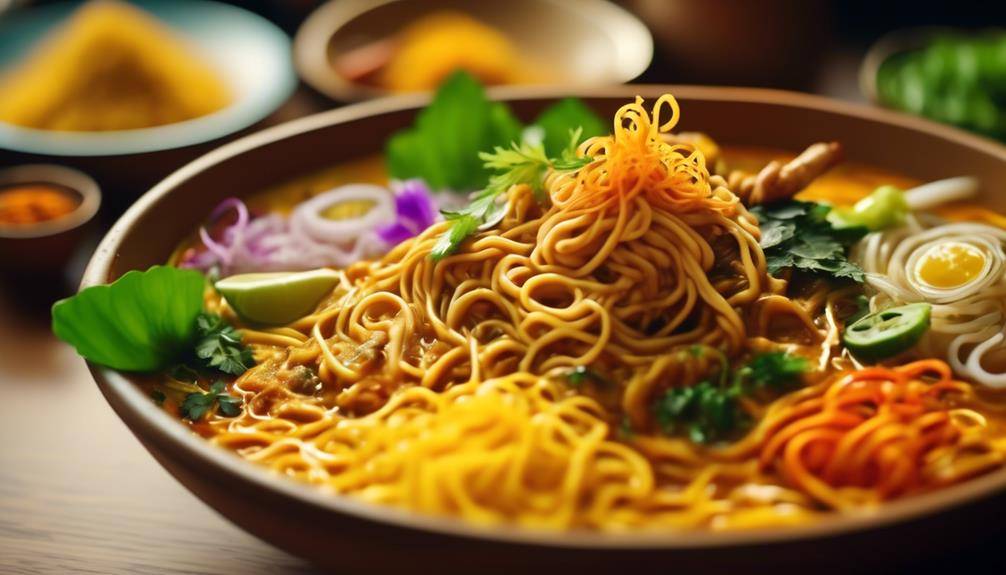
When exploring gluten-free Indonesian cuisine, noodles and rice play a pivotal role in creating satisfying meals. You’ll find a variety of gluten-free noodle alternatives, such as rice noodles, mung bean noodles, and tapioca noodles. These options not only cater to your dietary needs but also absorb the rich flavors of traditional Indonesian sauces.
Rice is another essential component, with numerous rice varieties available. Jasmine rice, basmati rice, and even sticky rice can serve as perfect bases for your dishes. The cooking methods you choose, like steaming or boiling, can enhance the texture and flavor profiles of these grains. For instance, steaming sticky rice gives it that delightful chewy consistency, while boiling jasmine rice results in a fluffy, aromatic side dish.
When you combine these gluten-free noodles and rice with fresh vegetables, proteins, and herbs, you’ll create delicious ingredient combinations. Try pairing rice noodles with sautéed shrimp, bean sprouts, and a tangy sweet soy sauce. Alternatively, stir-fry mung bean noodles with chicken, bell peppers, and a spicy chili sauce for a vibrant and flavorful meal.
Don’t forget to experiment with different sauce pairings. A rich peanut sauce can elevate your rice dishes, while a zesty lime and chili dressing can bring your noodle dishes to life. With these options, you can enjoy a wide range of gluten-free Indonesian meals that are both delicious and satisfying.
Street Food Options
Indonesian street food offers a vibrant array of gluten-free options that are both flavorful and satisfying. When you explore local markets or stop by bustling food stalls, you’ll discover a treasure trove of gluten-free delights. Street vendors take pride in their culinary traditions, showcasing regional specialties that highlight the diverse flavor profiles of Indonesia.
One popular gluten-free street food is *satay*, skewered and grilled meat served with a rich peanut sauce. This dish is not only delicious but also safe, as most vendors prepare it fresh daily. You can also indulge in *gado-gado*, a salad of boiled vegetables, eggs, and tofu, topped with a savory peanut dressing. It’s a revitalizing option that embodies the essence of Indonesian flavors.
If you’re on a tasting tour, don’t miss out on *kerupuk*—crispy crackers made from tapioca or rice flour. These snack varieties are perfect for munching on the go and can be found at many food stalls. For something sweet, try *pisang goreng*, fried bananas that are naturally gluten-free and utterly irresistible.
While enjoying street food, be mindful of food safety. Choose vendors who prioritize cleanliness and have a steady stream of customers; this is often a good indicator of their food quality. With so many gluten-free street food options at your fingertips, you’ll savor the best of Indonesia’s culinary scene, all while enjoying the lively atmosphere of the streets.
Sides and Condiments
Elevate your meals with a variety of gluten-free sides and condiments that perfectly complement Indonesian dishes. These flavorful accompaniments not only enhance your dining experience but also bring authenticity to your table.
Start with spicy sambal, a versatile chili paste that packs a punch. It’s perfect for adding heat to any meal. Pair it with coconut relish for a creamy and slightly sweet contrast. Pickled vegetables offer a crisp, tangy bite that cuts through rich dishes, while fried shallots add a delightful crunch and depth of flavor.
For a satisfying snack, consider tempeh chips. These crispy treats are a great way to enjoy the nutty flavor of tempeh, and they’re fantastic when dipped in peanut sauce. Speaking of peanut sauce, this rich and creamy condiment can elevate any grilled meat or vegetable dish, making it a must-have.
Don’t forget about the invigorating fruit salad, which can cleanse your palate between bites. For a protein boost, crispy tofu is an excellent choice; its texture absorbs flavors beautifully, especially when dressed with herb-infused oils.
Desserts to Try
Indulging in gluten-free Indonesian desserts is a delightful way to end your meal on a sweet note. You’ll discover a variety of treats that showcase the rich flavors of Indonesia, combining tropical fruits, coconut desserts, and unique ingredients like palm sugar and pandan flavor.
Start with traditional cakes such as *kue lapis*, a layered cake made from rice flour and sweetened with palm sugar, delivering a chewy texture and vibrant colors. Another must-try is *kue putu*, a steamed cake filled with grated coconut and palm sugar, offering a delightful contrast of flavors. If you’re in the mood for something crispy, opt for deep-fried treats like *pisang goreng*, which are fried bananas that complement their sweetness with a crunchy exterior.
Don’t miss out on the delightful array of festive sweets often enjoyed during special occasions. For a rejuvenating twist, try *es cendol*, a dessert made with sweet rice flour noodles, coconut milk, and palm sugar syrup, perfect for cooling off on a warm day.
For those with a chocolate craving, Indonesian chocolate snacks like *dodol*—a chewy confection made from coconut milk and rice flour—will hit the spot. Pair your desserts with a few tropical fruits, like ripe mango or rambutan, for a refreshing balance.
With these gluten-free Indonesian desserts, you’ll savor an unforgettable end to your culinary journey. Enjoy the variety and richness that each bite has to offer!
Beverages to Enjoy
When you’re looking to complement your gluten-free Indonesian meal, the right beverages can elevate the experience. Indonesian cuisine boasts a variety of traditional drinks that perfectly match its vibrant flavors. Consider trying fresh fruit juices, which are abundant in tropical flavors and provide a revitalizing twist to your meal. Popular options include juice from ripe mangoes, pineapples, and coconuts, all of which add a burst of sweetness.
You might also explore herbal infusions like jamu, a traditional drink known for its health benefits. This mix of turmeric, ginger, and various herbs not only invigorates but also carries cultural significance as it’s been consumed for generations. If you’re in the mood for something festive, consider trying a local specialty like es cendol, a delightful sweet beverage made with rice flour, coconut milk, and palm sugar, perfect for hot days.
For a true street beverage experience, grab a glass of es teh manis—sweetened iced tea that’s incredibly popular among locals. It’s a simple yet satisfying choice that pairs well with spicy dishes. Each of these drinks showcases the unique flavors and culinary traditions of Indonesia, making them signature drinks worth trying. Whether you prefer invigorating beverages or something with a bit of depth, you’ll find plenty of options to enhance your gluten-free dining experience. Enjoy the journey through Indonesia’s rich beverage culture!
Tips for Dining Out
When you’re planning to eat out, it’s smart to research restaurants that offer gluten-free options. Before you go, make sure to communicate your dietary restrictions clearly to the staff. This way, you can enjoy your meal without worrying about gluten sneaking in.
Research Restaurants Ahead
Finding a great restaurant that caters to gluten-free needs can feel like a treasure hunt. To make your search easier, start by researching restaurants online. Check out restaurant reviews on popular platforms like Yelp or TripAdvisor. Look for places that specifically mention gluten-free options or accommodate dietary preferences.
Don’t shy away from diving deep into menus before you visit. Many restaurants post their menus online, allowing you to assess gluten-free offerings. Pay attention to any disclaimers about cross-contamination, as that’s essential for your safety.
You can also join gluten-free forums or social media groups where people share their experiences. These communities often recommend hidden gems and provide insights on which restaurants go the extra mile for gluten-free diners.
If you have a local Indonesian restaurant in mind, see if they highlight gluten-free dishes or ingredients. Authentic Indonesian cuisine includes many naturally gluten-free options, so be sure to do your homework! By being proactive, you’ll not only enjoy a delicious meal but also guarantee it aligns with your dietary needs. Happy hunting!
Communicate Dietary Restrictions
After narrowing down your restaurant options, it’s time to communicate your dietary restrictions clearly. Start by informing your server about your gluten-free needs. Be direct and specific; mention that you have dietary preferences that exclude gluten, and clarify that even small amounts can trigger issues.
If you have food allergies, don’t hesitate to mention those as well. Specify the ingredients you need to avoid and ask if they can accommodate your dietary requests. Many Indonesian dishes are naturally gluten-free, but cross-contamination can occur, so it’s crucial to emphasize your concerns.
When asking about menu items, inquire about the preparation methods, sauces, and any potential hidden sources of gluten. You can also ask if the restaurant can make modifications to certain dishes to suit your needs.
Don’t shy away from asking questions; a good restaurant will appreciate your honesty and willingness to communicate. Finally, showing gratitude for their understanding goes a long way in building rapport, ensuring a more enjoyable dining experience. By being clear about your dietary restrictions, you can confidently savor the rich flavors of Indonesian cuisine.
Substitutes for Gluten Ingredients
Many cooks explore various substitutes for gluten ingredients to create delicious gluten-free Indonesian dishes. If you’re looking to swap out traditional gluten-containing items, there are plenty of gluten alternatives that can maintain the flavor and texture of your meals. For instance, when a recipe calls for wheat flour, consider using rice flour or tapioca flour. Both options can provide a light and fluffy texture, perfect for batters and sauces.
When it comes to soy sauce, which often contains gluten, you can easily replace it with tamari or coconut aminos. These ingredient swaps not only keep your dish gluten-free but also add a unique flavor profile. If you’re making dishes that require thickening, cornstarch is an excellent substitute for wheat-based thickeners.
For noodles, try using rice noodles or zoodles (zucchini noodles) instead of traditional wheat noodles. These gluten alternatives not only suit the dish but also add a fresh twist. When preparing fried dishes, you can use a mixture of cornstarch and rice flour for breading, giving you a crispy texture without the gluten.
Meal Prep Ideas
When prepping gluten-free Indonesian meals, it’s vital to stock up on essential ingredients like rice, coconut milk, and various spices. These staples make assembly quick and easy, so you can whip up delicious dishes in no time. Let’s explore some simple tips to streamline your meal prep process.
Essential Ingredients to Stock
To create delicious gluten-free Indonesian dishes, you’ll want to stock your pantry with essential ingredients that capture the rich flavors of this vibrant cuisine. Start with essential spices like turmeric, coriander, and cumin, which are foundational to many Indonesian recipes. Don’t forget about lemongrass and kaffir lime leaves; these add a fragrant twist that’s hard to resist.
For a splash of heat, get some bird’s eye chilies or sambal oelek, a traditional chili paste that elevates any dish. Coconut milk is another must-have; it’s creamy and enhances the traditional flavors in soups and curries.
You’ll also want to keep gluten-free soy sauce or tamari on hand, as they’re great for marinades and stir-fries. Don’t overlook the importance of palm sugar, which provides a unique sweetness that balances spicy dishes beautifully.
Lastly, stock up on fresh herbs like cilantro and basil to garnish your meals. With these essential ingredients, you’ll be well-equipped to whip up authentic gluten-free Indonesian meals that your family and friends will love!
Quick Meal Assembly Tips
Ready to streamline your cooking process? With a bit of meal planning and some clever strategies, you can enjoy delicious gluten-free Indonesian dishes without spending hours in the kitchen. Start by prepping your ingredients in advance. Chop veggies, marinate proteins, and portion out spices so they’re ready for quick assembly when you need them.
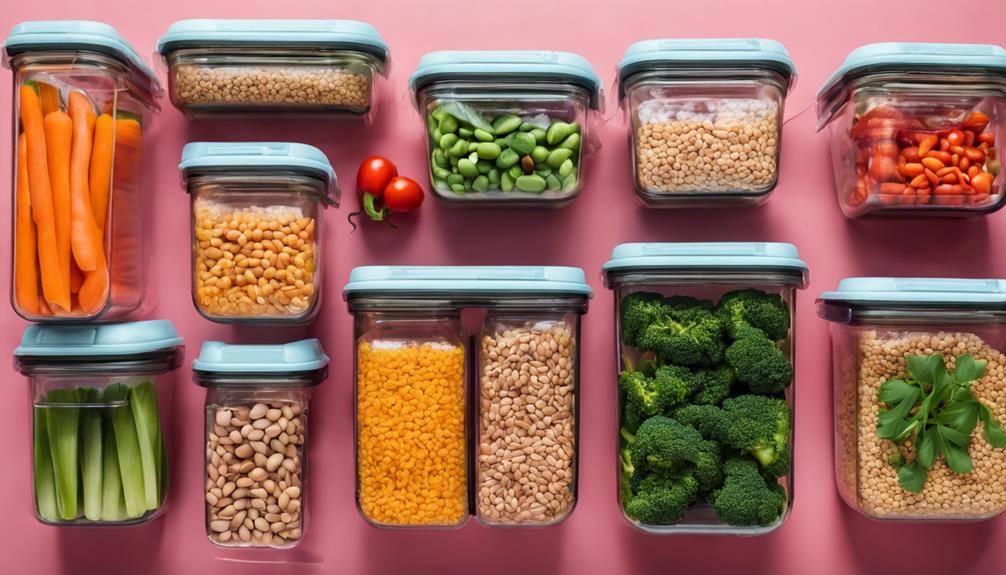
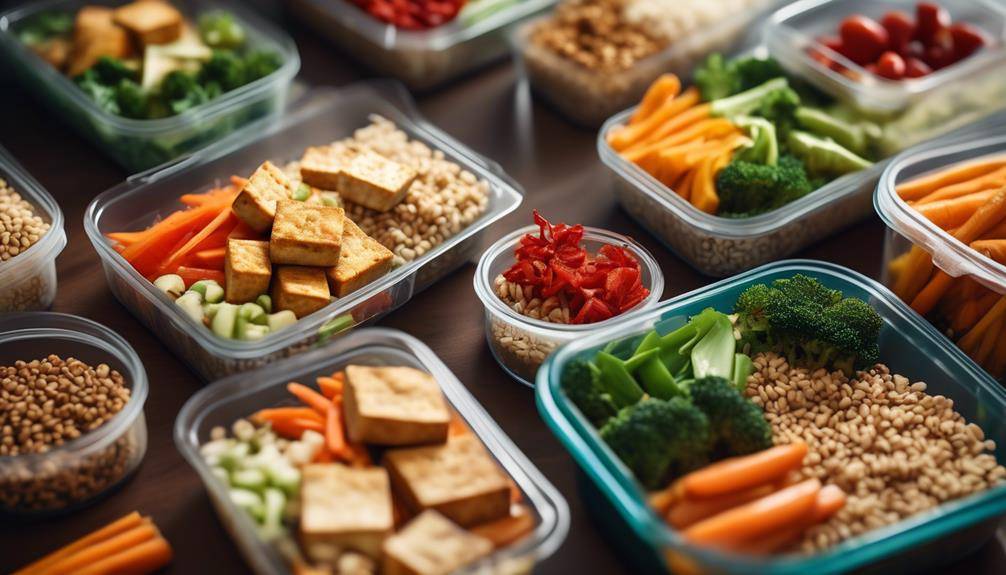
Consider creating a weekly meal prep schedule. Dedicate a few hours on the weekend to cook larger batches of rice or quinoa, which serve as great bases for your meals. Store them in airtight containers for easy access during the week. You can also prepare sauces like sambal or peanut sauce ahead of time; they elevate your dishes and keep well in the fridge.
When it’s time to eat, simply combine your prepped ingredients. Toss some grilled chicken or tempeh with your pre-cooked rice, add fresh veggies, and drizzle with sauce. This approach not only saves you time but also reduces stress during busy weekdays. By focusing on quick assembly and efficient meal planning, you’ll have tasty Indonesian meals ready in no time!
Resources for Further Exploration
Exploring gluten-free Indonesian cuisine opens up a world of vibrant flavors and unique dishes, and there are several resources to help you dive deeper. To enhance your knowledge, consider diving into cookbooks dedicated to Indonesian cuisine. Titles such as “The Indonesian Kitchen” not only feature gluten-free recipes but also explore the cultural influences that shape this diverse culinary landscape.
If you’re planning gluten-free travel to Indonesia, travel blogs and websites can be invaluable. Look for those that focus on dietary restrictions and offer insights into gluten-free dining options. Social media platforms, especially Instagram and Pinterest, are fantastic for finding user-generated content that highlights gluten-free Indonesian dishes and restaurants.
You might also want to join online forums or Facebook groups centered around gluten-free living. These communities can provide recommendations and tips from fellow travelers who have navigated Indonesian cuisine successfully. Additionally, local Indonesian markets often carry gluten-free products; visiting these can deepen your understanding of the ingredients used in traditional dishes.
Don’t forget to explore online cooking classes that specialize in Indonesian cuisine. They often provide step-by-step guidance on preparing gluten-free meals while also teaching you about the cultural influences behind each dish. Whether you’re at home or on the go, these resources will help you fully appreciate the delicious and diverse world of gluten-free Indonesian cuisine. So, get ready to commence your culinary adventure!
Frequently Asked Questions: Gluten-Free Indonesian Cuisine-A Simple Guide
Are All Indonesian Dishes Inherently Gluten-Free?
Not all Indonesian dishes are inherently gluten-free. While many traditional recipes use gluten-free ingredients, some might include wheat-based components. Always check the ingredients when preparing or ordering to verify your meal meets gluten-free standards.
How Can I Ensure My Meal Is Gluten-Free at Restaurants?
When dining out, ask about meal preparation and ingredient substitution. Guarantee the chef uses gluten-free ingredients and avoids cross-contamination. Communicate your dietary needs clearly, so they can accommodate you effectively and safely.
What Are Common Allergens in Indonesian Cuisine Besides Gluten?
When exploring Indonesian cuisine, be aware of common allergens like peanuts, which can trigger allergies, and soy, a common ingredient that may cause sensitivity. Always ask about these allergens when ordering to guarantee your safety.
Can I Find Gluten-Free Indonesian Snacks in Stores?
Yes, you can find gluten-free snacks at Indonesian markets. Look for traditional treats like kerupuk made from tapioca, or sweet snacks using rice flour. Always check labels to verify they meet your gluten-free needs.
Are There Gluten-Free Indonesian Cooking Classes Available?
Yes, you can find gluten-free Indonesian cooking classes that focus on traditional ingredients. Many instructors offer classes with gluten-free certifications, ensuring you learn to prepare authentic dishes safely while enjoying the cooking experience.

Conclusion
Now that you’ve explored gluten-free Indonesian cuisine, you’re ready to plunge into this flavorful world. With a variety of traditional dishes and essential ingredients at your fingertips, you can easily enjoy these vibrant flavors without the gluten. Remember to check for hidden gluten sources when dining out and get creative with substitutes in your kitchen. Embrace the spices and textures of Indonesian cooking, and enjoy every delicious bite! Happy cooking!