Amazing Ways For Gratinating Food Without A Broiler
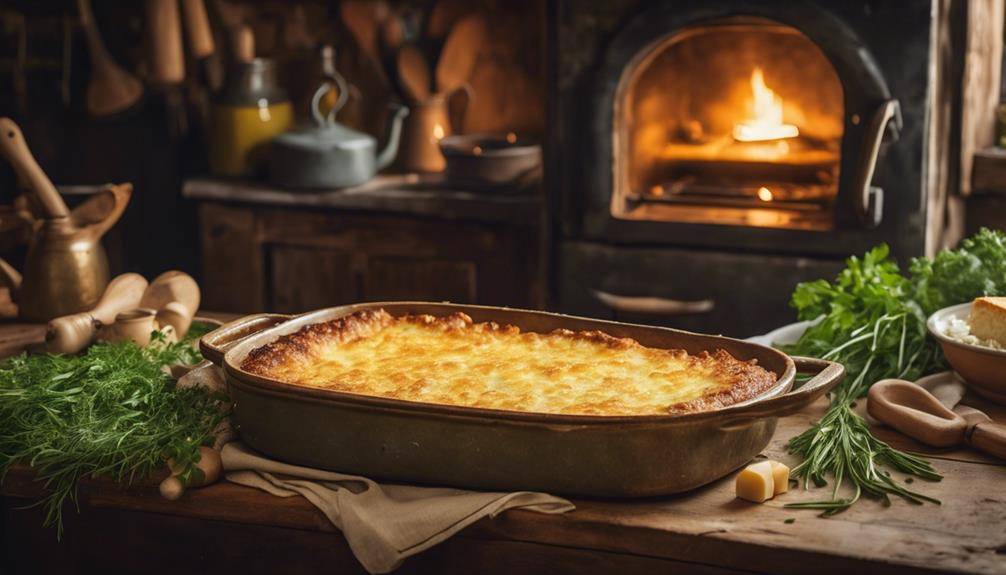
Ways For Gratinating Food Without A Broiler; You can easily gratinate food without a broiler by using your oven or stovetop. Preheat the oven to 375°F to 400°F and layer your ingredients evenly for consistent heat. Sprinkle cheese or breadcrumbs on top for that golden crust. Alternatively, a heavy skillet on the stovetop can mimic broiler intensity; just cover it to trap heat and achieve a crispy topping. Slow cookers also work well—layer your ingredients and cook on low for several hours. With these methods, you’ll get delicious gratin dishes every time. Keep on exploring various techniques for even more scrumptious outcomes!
Understanding Gratin Techniques
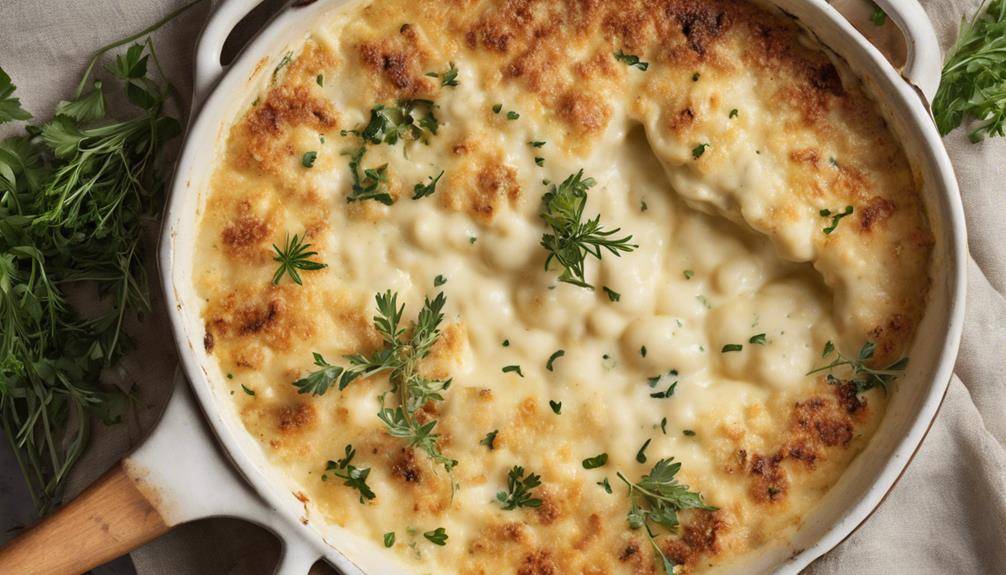
When it comes to gratin techniques, mastering the basics can elevate your cooking. Gratin dishes are all about creating a delicious, crispy topping while maintaining a rich, flavorful interior. Understanding the different gratin types helps you experiment and find the perfect match for your meal. You might explore potato gratins, vegetable gratins, or even seafood gratins, each offering unique textures and flavors.
When preparing a gratin, you’ll want to pay close attention to the flavor profiles. For instance, a classic potato gratin might feature creamy layers infused with garlic, thyme, or nutmeg. On the other hand, a vegetable gratin can showcase seasonal produce, allowing the natural sweetness of the vegetables to shine through. You could enhance the dish with cheese, breadcrumbs, or herbs to create a harmonious balance of flavors.
As you embark on gratin techniques, remember that layering is key. Start with a base of your chosen ingredients, sprinkle on seasonings, and repeat until you reach the top. This method guarantees that every bite is packed with flavor. Don’t forget to add a generous amount of cheese or breadcrumbs on top to achieve that golden-brown crust you crave.
Oven Settings for Gratinating
Achieving the perfect gratin requires more than just the right ingredients; the oven settings play a essential role in creating that desirable crispy topping. Start by preheating your oven to around 375°F to 400°F. This temperature range is ideal for melting cheese types like Gruyère or Parmesan, allowing them to brown beautifully without burning.
The cooking duration typically ranges from 25 to 40 minutes, depending on the thickness of your ingredient layering. For a satisfying texture contrast, consider mixing soft vegetables with denser ones like potatoes. This layering not only enhances flavor profiles but also contributes to a visually appealing dish presentation.
When it comes to topping choices, a combination of breadcrumbs and cheese works wonders. You can also sprinkle in some herbs for added flavor. Seasoning tips are essential—don’t skimp on salt and pepper, as they will elevate the taste of your dish.
As your gratin bakes, keep an eye on it. If the top isn’t golden brown after the suggested cooking duration, you can turn on the oven’s convection setting for a few minutes. This helps achieve that coveted crispy layer without needing a broiler.
Using the Conventional Oven
Typically, using a conventional oven for gratinating food can yield impressive results without the need for a broiler. First, verify your oven is preheated to the right temperature, usually around 400°F (200°C). This initial heat is essential for achieving that golden-brown crust you’re after.
When it comes to ingredient selection, choose items that can withstand the cooking time without becoming mushy. Potatoes, vegetables, and proteins like chicken or fish work well. Layer these ingredients thoughtfully in your baking dish, confirming even coverage for better heat distribution.
As you prepare, remember oven safety. Always use oven mitts when handling hot dishes, and place your baking dish on the center rack for best airflow. This simple step helps maintain consistent cooking and browning, which is important for gratinating.
To create that delicious crust, consider sprinkling breadcrumbs or cheese on top of your dish. This will not only enhance the flavor but also contribute to the texture. If you want to achieve more browning, you can leave the dish in for a few extra minutes, keeping an eye on it to prevent burning.
Once you’re satisfied with the color and texture, remove the dish carefully and let it cool slightly before serving. This waiting period allows the flavors to meld beautifully. With these steps, you can successfully gratinate food in your conventional oven, enjoying a delightful meal without needing specialized equipment.
Utilizing the Stovetop
You can often gratinate food on the stovetop with just a few simple techniques. One effective method is to use a heavy skillet or sauté pan. Start by cooking your main ingredients until they’re nearly done. Then, sprinkle cheese or breadcrumbs on top and cover the pan with a lid. The trapped heat will melt the cheese or crisp the breadcrumbs, creating that desirable gratin texture.
For stovetop methods, consider using a double boiler setup. Place a heatproof dish filled with your gratin ingredients over simmering water. This gentle heat allows for even cooking while preventing burning. You can also add herbs or spices to the water for flavor infusions, enhancing the final taste of your dish.
Another tip is to use a cast-iron skillet. After cooking your dish, sprinkle it with cheese, then place it on the stovetop over low heat. Keep an eye on it, as the direct heat will help achieve a bubbly, golden crust. If you want to add even more flavor, consider briefly broiling it under your kitchen’s exhaust hood with the fan on, though this might not be traditional.
Lastly, don’t forget to experiment with different cheeses and toppings. Adding a bit of garlic powder or fresh herbs can elevate your gratin, making it not just a side dish, but a star on your plate. By using these stovetop techniques, you’ll create delicious gratinated dishes without needing a broiler.
Employing a Slow Cooker
While stovetop methods can yield delicious gratinated dishes, a slow cooker offers a unique approach to achieve that same comforting texture. One of the significant slow cooker benefits is its ability to cook food evenly and retain moisture, which helps create that rich, creamy base essential for gratins. You can layer your favorite ingredients, like potatoes, vegetables, or pasta, and let the slow cooker do the work.
Start by choosing versatile recipes that lend themselves well to slow cooking. For instance, you might try a cheesy potato gratin or a vegetable medley topped with breadcrumbs and cheese. As you layer your ingredients, consider adding a bit of broth or cream to enhance the flavors and keep everything moist.
Once everything’s in the pot, set your slow cooker on low for several hours. This slow cooking process allows the flavors to meld beautifully, and the texture to develop a lovely softness. You can easily check on it, adjusting cooking times as needed.
When you’re ready to serve, you can finish it off with a quick blast of heat. Carefully remove the lid and sprinkle on some extra cheese or breadcrumbs, then cover again and let it sit for a few minutes to melt.
Using a slow cooker not only simplifies the process but also provides a comforting, gratinated dish that you’ll love. Give it a try, and you’ll see just how easy it is to create satisfying meals without a broiler!
The Power of a Microwave
Although many people associate microwaves with reheating leftovers, they can also be a powerful tool for creating gratinated dishes. With the right microwave techniques, you can achieve that delicious, bubbly topping without a broiler. Start by selecting your ingredients, like vegetables, pasta, or meats, and layering them in a microwave-safe dish. Be sure to top them with your choice of cheese or breadcrumbs for that coveted gratin finish.
When using a microwave, it’s vital to understand the power settings. Use a higher setting to melt cheese quickly, then lower the power to guarantee even heating without overcooking. Keep an eye on your dish, as microwaves can vary in intensity. You want the cheese to be melted and slightly browned without turning rubbery or burnt.
Microwave safety is important. Always use microwave-safe containers made of glass or specific plastics. Avoid metal, as it can cause sparks and damage your microwave. Cover your dish with a microwave-safe lid or vented wrap to prevent splatters while allowing steam to escape.
Experiment with different cooking times to find what works best for your specific microwave. If you’re looking for that extra bit of crispness, you can finish your dish in a conventional oven for a few minutes after microwaving. This combination gives you the benefits of both methods while making sure your gratinated dish turns out perfectly every time.
Creative Use of a Toaster Oven
A toaster oven can be a game changer when it comes to gratinating your favorite dishes. You’ll want to understand its basics, find the right temperature settings, and master some simple gratin techniques to get that perfect golden crust. Let’s explore how to make the most of this versatile kitchen appliance!
Toaster Oven Basics
Toaster ovens have become a go-to kitchen appliance for many home cooks, offering a versatile way to prepare a variety of dishes without turning on the full-sized oven. With their compact size and multiple toaster oven features—like baking, broiling, and toasting—you can easily whip up meals or snacks in no time. They heat up quickly, saving you both energy and time, which is perfect for busy days.
Using your toaster oven effectively also means understanding some basic maintenance. Make sure to regularly clean the crumb tray and wipe down the interior to prevent any buildup that could affect performance. Check the heating elements for any signs of wear and replace them if necessary. This simple maintenance keeps your appliance running smoothly and prolongs its lifespan.
When you’re ready to experiment, try using your toaster oven for gratinating dishes. You can achieve a perfectly crispy top on casseroles or baked pasta by adjusting the settings to maximize its potential. Embrace this handy tool in your kitchen, and you’ll find it opens up a world of culinary possibilities!
Optimal Temperature Settings
Understanding the right temperature settings can elevate your cooking game in a toaster oven. When you’re gratinating food, temperature control is vital. Most recipes recommend an ideal range between 375°F and 425°F. This range allows for even cooking and proper browning without burning the top layer too quickly.
To achieve the best results, preheat your toaster oven to the desired temperature. Preheating guarantees that the heat distribution is consistent, which is essential for a perfectly gratinated dish. If you’re using cheese or breadcrumbs as toppings, aim for the higher end of that temperature range. This will give you that satisfying golden-brown crust.
Keep an eye on your dish as it cooks; toaster ovens can vary in performance. If you notice that the top isn’t browning as expected, you might want to increase the temperature slightly or adjust the rack position for better heat exposure. Remember, good temperature control is key to achieving that delicious gratin texture. With these tips, you’ll be able to master the art of gratinating without a broiler, making your dishes not only tasty but visually appealing too.
Gratin Techniques Explained
Gratin techniques can transform simple ingredients into a gourmet experience when you harness the capabilities of your toaster oven. Rooted in gratin history, these methods allow you to elevate classic recipes like potato or vegetable gratins with ease. Start by experimenting with texture variations; try layering thinly sliced vegetables or using different cheeses for a unique bite. If you’re looking to switch things up, ingredient substitutions like cauliflower or sweet potatoes can work beautifully.
Regional styles can add flair to your dishes—consider a Mediterranean twist with feta and olives or a Mexican-inspired version with cilantro and jalapeños. Don’t forget about dairy alternatives if you’re catering to dietary preferences; nut-based cheeses or coconut milk can create rich flavors without dairy.
For seasoning tips, remember that fresh herbs can enhance your gratin’s aroma. As for presentation ideas, serve it directly in the baking dish for a rustic look or transfer it to a platter for a more polished display. Keep an eye on cooking times to avoid over-browning, and adjust portion sizes based on your guests’ appetites. With these techniques, you’ll impress every time!
Gratinating With a Cast Iron Skillet
When you’re ready to gratinate with a cast iron skillet, choosing the right one is key to achieving that perfect crust. You’ll want to think about alternative heat sources, like your stovetop or oven, to get the best results. Let’s explore how to make the most of your skillet for deliciously browned toppings.
Choosing the Right Skillet
Selecting the right skillet is essential for achieving that perfect gratin texture, and a cast iron skillet often stands out as the best option. Cast iron skillets are renowned for their heat retention and even cooking, making them ideal for creating a golden, crispy top on your gratin. When choosing a skillet, consider the skillet materials; cast iron is durable, versatile, and can go from stovetop to oven without any issues.
Next, think about skillet sizes. A larger skillet allows you to prepare bigger batches, while a smaller one is great for individual servings. Depending on your recipe, you may want a skillet that accommodates the amount of food you plan to gratinate. Additionally, make sure the skillet has high enough sides to hold your ingredients without spilling.
Remember that the seasoning of your cast iron skillet can also impact the flavor and texture of your gratin. A well-seasoned skillet will help prevent sticking and enhance the final dish. So, when you’re ready to gratinate, reach for that trusty cast iron skillet—it’s the key to achieving a deliciously satisfying result.
Alternative Heat Sources
Once you’ve chosen the right cast iron skillet, it’s time to explore alternative heat sources to achieve that perfect gratin. A stovetop is your best friend here. Preheat your skillet over medium heat, allowing it to warm up evenly. Once it’s hot, add your ingredients, ensuring they’re layered well for even cooking.
For those delicious gratin recipes, consider using a lid to trap heat and steam, creating a beautifully cooked dish without the broiler. You can also finish your gratin in the oven. Preheat your oven to around 375°F and place the skillet inside for about 20-30 minutes. This method allows the top to brown without needing a broiler.
Don’t forget about ingredient substitutions! If you’re missing some elements from your gratin recipes, like cheese or cream, feel free to experiment. Nut-based milk or even pureed vegetables can add richness just as effectively. Remember, the key is to maintain a balance of flavors and textures while ensuring everything cooks evenly. With these tips, you’ll enjoy a scrumptious gratin made right on the stovetop or in the oven, no broiler required!
Broiling Alternatives With a Searing Pan
Achieving that coveted golden-brown crust on your dishes can feel like an art, especially without a broiler. Fortunately, you can master broiling alternatives using a searing pan, allowing you to create that perfect finish. Start by selecting the right pan type—cast iron works wonders due to its ability to retain high heat. Stainless steel pans are another option, but they may require more attention to prevent sticking.
When you heat your pan, you’ll want to use a high temperature, which mimics the intense heat of a broiler. Preheat your pan on the stovetop, and once it’s hot, add a bit of oil to help with searing. This is where searing techniques come into play. You’ll want to place your ingredients in the pan without overcrowding, allowing for even heat distribution and avoiding steaming.
Ingredient selection is essential too. Choose items that can withstand direct heat, like vegetables, meats, or even some cheeses. Aim for a flavor balance by seasoning your ingredients well before placing them in the pan. A sprinkle of salt, pepper, and herbs can elevate the taste and enhance that beautiful crust.
Tips for Optimal Cheese Melting
How can you guarantee your cheese melts perfectly every time? Start by choosing the right cheese types. Cheeses like mozzarella, fontina, and Gruyère melt beautifully due to their high moisture content. Experiment with cheese blends to create complex flavor profiles that enhance your dish. Combine a sharper cheese, like cheddar, with a creamier one for added depth.
Next, consider your melting methods. Low and slow is key; use the stovetop or oven at a low temperature to avoid burning. Keep an eye on cooking times, as different cheeses have unique melting points. For instance, while mozzarella can melt quickly, aged cheeses may need a bit more time to soften.
Layering strategies also play an essential role. If you’re making a casserole or baked dish, layer your cheese between other ingredients. This not only promotes even melting but also creates a delightful texture contrast. Pair your cheese with the right ingredients, like tomatoes or roasted veggies, to enhance flavor.
Don’t forget seasoning techniques! A sprinkle of salt, pepper, or fresh herbs can elevate your melted cheese experience. Finally, think about serving styles—melted cheese is best enjoyed straight from the oven, so time your serving right for maximum gooeyness. With these tips, you’ll create perfectly melted cheese dishes that impress every time, ensuring your gratin is a crowd-pleaser.
Achieving Crunch With Toppings
When you’re looking to add that satisfying crunch to your dishes, exploring alternative cooking methods can make a big difference. Try experimenting with creative topping combinations that elevate texture and flavor. Whether it’s crispy breadcrumbs or toasted nuts, the right toppings can transform your meal.
Alternative Cooking Methods
Using alternative cooking methods can elevate your dishes by creating that desired crunchy topping without a broiler. One effective technique is sous vide. By cooking your food slowly and evenly in a water bath, you can achieve perfect tenderness. After sous vide cooking, simply finish your dish in a hot skillet or an oven to crisp up the topping. This method guarantees your ingredients are cooked to perfection before adding that delightful crunch.
Pressure cooking is another game-changer. While it’s primarily known for tenderizing tough cuts of meat quickly, you can also use it to pre-cook ingredients like potatoes or vegetables. Once they’re tender, transfer them to a baking dish, sprinkle your favorite crunchy topping, and pop it under the broiler or in a hot oven for a few minutes. The result? A satisfying contrast of textures without needing a broiler.
Experimenting with these methods allows you to create that crunchy finish you crave, enhancing your culinary creations. So, next time you’re in the kitchen, consider sous vide or pressure cooking as your go-to techniques for achieving that perfect topping crunch.
Creative Topping Combinations
Elevating your dishes with unique toppings can add that satisfying crunch you’re after. Think beyond traditional breadcrumbs and experiment with uncommon ingredients. Consider mixing panko with crushed nuts for a nutty twist or adding crispy fried shallots for unique textures. Seasonal flavors can also shine through; try using roasted pumpkin seeds in the fall or fresh herbs in the spring to bring vibrancy and freshness to your gratin.
Global inspirations can lead to unexpected pairings that will surprise your taste buds. For instance, a sprinkle of za’atar or dukkah can introduce a savory twist while enhancing depth. Don’t shy away from gourmet additions, either. Truffle oil drizzled over a cheesy topping can turn a simple dish into a luxurious experience.
Lastly, sweet toppings can create delightful contrasts. A dash of cinnamon sugar on sweet potato gratin or caramelized maple pecans can provide a surprising crunch that complements the dish beautifully. Embrace the creative possibilities and mix and match these elements to discover your own perfect topping combination. Your culinary creations will never be bland again!
Flavor Enhancements for Gratin
Enhancing the flavor of your gratin can transform a simple dish into a culinary delight. Start by experimenting with herb infusions. Fresh thyme, rosemary, or sage can elevate your dish, bringing out the natural flavors of your seasonal vegetables. Incorporate spice blends for an extra kick; a hint of smoked paprika or nutmeg can add depth you didn’t know you needed.
When it comes to cheese varieties, don’t settle for just one. Mixing sharp cheddar with creamy Gruyère or tangy feta can create a rich flavor profile. Remember, cheese also contributes to texture contrasts, so think about how each cheese melts and browns.
Consider ingredient pairings that complement each other. Think about earthy mushrooms paired with sweet butternut squash, or the brightness of citrus zests like lemon or orange to cut through richness. For an umami boost, add sautéed onions or roasted garlic into your sauce enhancements; they’ll provide a delicious foundation.
Don’t overlook nut toppings. Toasted almonds or walnuts can add crunch and a nutty flavor that contrasts beautifully with the creaminess of the gratin. Finally, finish with a sprinkle of fresh herbs or a drizzle of high-quality olive oil to bring everything together. By incorporating these flavorful enhancements, you’ll create a gratin that’s not just satisfying but also memorable.
Serving Suggestions for Gratin Dishes
Once you’ve perfected the flavors of your gratin, it’s time to think about how to serve it for maximum enjoyment. The right serving suggestions can elevate your dish and enhance the overall dining experience. Start by considering classic gratin pairings that complement the creamy, rich texture of your dish. A crisp green salad with a tangy vinaigrette can provide a revitalizing contrast, cutting through the richness. You might also serve it alongside grilled or roasted meats, like chicken or pork, which balance the flavors beautifully.
Don’t forget about seasonal vegetable options! Roasted asparagus or sautéed green beans make excellent accompaniments, adding a pop of color and vitality to your plate. If you’re serving a vegetable gratin, consider pairing it with a light protein, such as fish, to keep the meal balanced.
For a more casual setting, you can serve gratin as a side dish at a potluck or family gathering. It’s a crowd-pleaser that pairs well with a variety of main courses. You can also get creative with how you present it; serving individual portions in small ramekins adds an elegant touch and makes for easy serving.
Lastly, don’t forget to garnish your gratin with fresh herbs or a sprinkle of cheese just before serving. This final touch not only enhances the visual appeal but also adds an extra layer of flavor. Enjoy your delicious gratin with these serving suggestions for a memorable meal!
Frequently Asked Questions: Ways For Gratinating Food Without A Broiler
Can I Use Frozen Ingredients for Gratin Dishes?
Yes, you can use frozen vegetables for gratin dishes. Just make certain you thaw and drain them well to maintain the desired gratin texture. This way, your dish will still be delicious and satisfying.
What Types of Cheese Work Best for Gratinating?
When choosing cheese varieties for gratinating, opt for ones like Gruyère, Parmesan, or mozzarella. These cheeses offer rich flavor profiles, melt beautifully, and create that golden, bubbly crust you love on your dishes.
How Do I Store Leftover Gratin?
To store leftover gratin, let it cool, then cover it tightly or transfer it to an airtight container. For gratin storage, refrigerate and reheat in the oven for crispy edges and even warmth.
Can I Make Gratin Ahead of Time?
You can definitely make gratin ahead of time! Just prepare it as usual, then store it in the fridge. Reheating with proper cooking techniques preserves the gratin texture, ensuring it tastes just as delicious.
What Are Some Gluten-Free Options for Gratin Dishes?
You can create delicious gluten-free gratin dishes using gluten-free grains like quinoa or rice. Try incorporating dairy alternatives like almond milk or cashew cream for a creamy texture that enhances flavor without compromising your dietary needs.

Conclusion
To sum up, you don’t need a broiler to achieve that perfect gratin texture. By understanding different techniques and utilizing your conventional oven, stovetop, or slow cooker, you can create delicious dishes that impress. Remember to focus on cheese melting and crunchy toppings for the best results, and don’t hesitate to enhance flavors with herbs and spices. With these tips in hand, you’re all set to enjoy a delightful gratin experience, no broiler required!
If you enjoyed exploring this topic and want to dive even deeper, be sure to check out some of our other articles here on Infinite Flavors. From rich culinary histories to creative twists on classic recipes, there’s always something new to discover. Whether you’re curious about the origins of a dish, looking for fresh inspiration in the kitchen, or simply love learning about food culture, our collection of posts is the perfect next step on your flavor journey.
Great Effective Gratinating Tips For Beginners
Exciting Healthy Gratinating Recipes For Weight Loss
Amazing Gratinating Technique In French Cuisine