8 Must-Try Greek Festive Dishes: A Culinary Guide
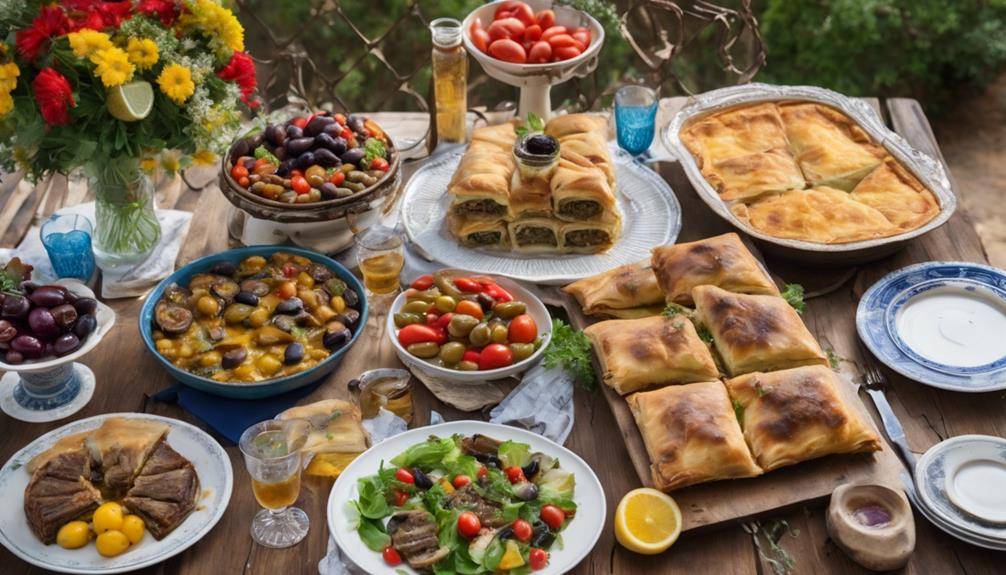
8 Must-Try Greek Festive Dishes: A Culinary Guide: When exploring Greek festive cuisine, you can't miss these eight delectable dishes. Start with Moussaka, a comforting mix of eggplant and spiced meat. Then savor Spanakopita, a flaky pastry bursting with spinach and feta. Don't forget Dolmades, stuffed grape leaves seasoned to perfection. Kleftiko showcases tender, slow-cooked lamb, while Pastitsio offers a Greek take on lasagna. For hearty flavors, try Stifado, a rich stew. End on a sweet note with Galaktoboureko and Baklava, decadently layered desserts. Each dish reflects a piece of Greece's vibrant culture, and there's much more to uncover if you explore further.
Click Here and Turn Every Masterpiece into a Showstopper!
Moussaka
Layering flavors and textures, Moussaka is a beloved Greek dish that combines eggplant, spiced meat, and creamy béchamel sauce. When you plunge into a serving of Moussaka, you're not just enjoying a meal; you're experiencing a slice of history. Originating in the Middle East, Moussaka has evolved through centuries, with Greece adopting and adapting it into a comfort food staple.
You might find it interesting that there are numerous Moussaka variations across the Mediterranean. While the classic version features eggplant, some regions swap it for potatoes or zucchini, adding a unique twist. The meat can also vary, with lamb, beef, or even vegetarian options making their way into the dish. Each variation tells a story, reflecting local tastes and ingredients.
As you prepare to make Moussaka at home, don't shy away from experimenting with these variations. Try adding spices like cinnamon or nutmeg for a warm depth of flavor. You can even play around with the béchamel sauce, using different cheeses or herbs to elevate the dish further.
Moussaka isn't just food; it's a celebration of culture, family, and tradition. Whether you're enjoying it at a festive gathering or cooking it for a special occasion, you can appreciate how this dish connects you to Greek culinary heritage. So, roll up your sleeves, embrace the rich flavors, and savor every bite of this iconic dish.
Spanakopita
Spanakopita, a delightful Greek pastry, showcases the vibrant flavors of spinach and feta cheese wrapped in flaky phyllo dough. This dish is a perfect introduction to Greek cuisine, blending rich and savory ingredients into every bite. When you take a bite, you'll experience the satisfying crunch of the flaky pastry combined with the creamy, herb-infused spinach filling that makes this dish truly irresistible.
To prepare spanakopita, you'll first sauté fresh spinach until it wilts, mixing in sautéed onions and garlic for added flavor. Crumbled feta cheese is then folded into the mixture, creating a creamy filling that's both tangy and rich. Season it with dill or parsley to enhance the Mediterranean taste.
Once your filling is ready, it's time to work with the phyllo dough. You'll need to layer several sheets of this delicate pastry, brushing each layer with olive oil or melted butter to achieve that golden, flaky texture. Then, spoon the spinach filling onto the pastry, fold it up, and cut it into triangles or squares before baking.
When it's done baking, spanakopita will emerge from the oven golden brown and crispy. Serve it hot or at room temperature as an appetizer or a side dish during your festive gatherings. Whether you're hosting a dinner party or simply indulging in a family meal, spanakopita is sure to impress and satisfy everyone at the table. Enjoy this Greek staple and savor the delightful combination of flavors and textures!
Dolmades
After enjoying the flaky goodness of spanakopita, you might want to try dolmades, another beloved Greek dish that highlights the country's rich culinary traditions. Dolmades are fundamentally stuffed grape leaves, and they're a staple at festive gatherings and family meals alike. You'll find them served warm or at room temperature, making them a versatile appetizer or side dish.
The filling typically consists of rice, minced meat, and a blend of herbs and spices, like dill and mint, creating a delightful and aromatic experience. However, don't be surprised if you come across regional variations. In some areas, you'll find vegetarian versions packed with just rice and herbs, while others might include pine nuts or currants for added texture and sweetness.
To prepare dolmades, you'll need to carefully roll the grape leaves around the filling, ensuring they're tightly wrapped. They're then simmered in a flavorful broth, often with lemon juice, which gives them a tangy brightness. The result is a dish that's tender, fragrant, and bursting with flavor.
When you serve dolmades at your next gathering, don't forget to offer a side of tzatziki or a drizzle of olive oil for dipping. These stuffed grape leaves will surely impress your guests and transport them straight to the sun-drenched hills of Greece. Enjoy every bite of this culinary delight!
Kleftiko
When you think of Kleftiko, imagine tender lamb slow-cooked to perfection using traditional methods that bring out its rich flavors. You'll notice how the combination of herbs, spices, and vegetables creates a mouthwatering dish that's hard to resist. This festive favorite truly showcases the essence of Greek cooking.
Traditional Cooking Methods
While many Greek dishes boast rich flavors and diverse ingredients, Kleftiko stands out for its unique traditional cooking method. This dish typically involves slow cooking, which allows the meat to become incredibly tender and infused with aromatic flavors. Traditionally, lamb is marinated with herbs and spices, then wrapped in parchment or foil. This method traps moisture, helping the meat cook evenly and retain its juiciness.
You might find Kleftiko prepared in a clay oven, which adds an earthy dimension to the dish. The slow cooking process guarantees that the lamb develops a deep, rich flavor that's hard to replicate. Alternatively, outdoor grilling can also be used, bringing a smoky essence to the meat. If you decide to grill it, the key is to keep the heat low and slow, allowing the lamb to cook through without drying out.
Whether you choose the traditional clay oven method or opt for outdoor grilling, the result is always the same: melt-in-your-mouth lamb that captures the heart of Greek culinary traditions. Embrace this unique cooking style, and you'll elevate your festive celebrations with a dish that's steeped in history and flavor.
Flavorful Ingredient Combinations
Kleftiko's flavor profile is a delightful blend of ingredients that come together to create a memorable dish. When you start with tender, slow-cooked lamb, you'll find it infused with the rich taste of olive oil and aromatic herbs and spices. The addition of citrus zest brightens the flavors, making each bite a celebration of vibrancy.
Pair your kleftiko with roasted vegetables, which bring a hearty contrast to the succulent meat. You might also enjoy it alongside grilled meats for a more robust meal. If you're feeling adventurous, try incorporating seafood dishes into your feast to add variety.
Don't forget the sides! Creamy feta cheese crumbled over the top enhances the dish, while yogurt dips provide a revitalizing balance. Serve it all with fresh bread, perfect for soaking up every bit of those flavorful juices.
As you prepare your kleftiko, embrace seasonal produce to elevate your dish even further. Each ingredient plays a vital role in crafting a festive experience that truly embodies the spirit of Greek cuisine. Enjoy the interplay of flavors, and let your taste buds revel in this culinary delight!
Click Here and Turn Every Masterpiece into a Showstopper!
Galaktoboureko
Galaktoboureko is a delightful Greek dessert that combines creamy custard with flaky phyllo pastry. You'll want to know the key ingredients and some handy preparation tips to make this treat shine. Plus, exploring its cultural significance and various serving suggestions will enhance your appreciation of this festive dish.
Ingredients and Preparation Tips
For a delightful Galaktoboureko, you'll need a handful of key ingredients that come together to create its irresistible flavor. Start with traditional grains, like phyllo dough, which forms the flaky base. You'll also need a rich custard made from milk, sugar, and eggs, with a touch of citrus zest to elevate the taste.
Don't forget the aromatic spices, especially cinnamon and vanilla, which add warmth to the filling. While Galaktoboureko is usually sweet, you can enhance its complexity by incorporating a hint of honey flavors in the syrup that you drizzle over it once baked.
Using high-quality olive oil is essential for brushing the phyllo sheets to achieve that golden, crispy texture. If you want to add a twist, consider infusing some fresh herbs into your custard for unique flavor notes. While marinated meats and yogurt sauces aren't typically part of the dessert, they can complement your festive meal. Finally, serving seasonal vegetables alongside the Galaktoboureko can create a balanced dining experience. With these tips, your Galaktoboureko will surely impress everyone at the table.
Serving Suggestions and Variations
When serving Galaktoboureko, consider pairing it with a scoop of vanilla ice cream or a dollop of whipped cream to enhance its creamy texture and balance the sweetness. This classic dessert shines when served warm, allowing the syrup to soak in while the phyllo remains crispy. You can also serve it chilled for a revitalizing twist, especially during warmer months.
For a delightful experience, think about different serving styles. You could cut the Galaktoboureko into individual portions or serve it in a large dish for guests to help themselves. Dusting the top with powdered sugar or ground cinnamon adds a beautiful finishing touch.
When it comes to pairing wines, a sweet dessert wine like Muscat or a light, fruity white can elevate your Galaktoboureko. Alternatively, a rich coffee or espresso pairs nicely, balancing the sweetness and enhancing the flavors.
Experimenting with these suggestions will help you create a memorable dessert experience. Whether you're hosting a festive gathering or enjoying a quiet evening, Galaktoboureko will surely impress, especially with the right accompaniments.
Cultural Significance and History
A beloved dish in Greek cuisine, Galaktoboureko holds deep cultural significance and a rich history that reflects the country's culinary evolution. This delectable dessert, made from layers of phyllo pastry filled with a creamy custard, often graces tables during festive celebrations, showcasing Greek traditions at their finest. Its roots reach back to the Ottoman Empire, which influenced many aspects of Greek culinary heritage, including the use of phyllo and sweet syrups.
As you immerse yourself in Galaktoboureko, you'll notice regional variations that highlight local flavors and seasonal ingredients. In some areas, you might find a hint of citrus or rosewater, while others may incorporate nuts for texture. These variations tell stories of communal dining, where families gather to share not just food, but love and laughter, often passing down treasured family recipes through generations.
Understanding the history and cultural significance of Galaktoboureko enriches your experience, making each bite not just a taste of sweetness, but a connection to the past. So, when you enjoy this dish, you're savoring a piece of Greece's vibrant culinary tapestry.
Pastitsio
Pastitsio, often described as a Greek lasagna, is a comforting dish that layers pasta, spiced ground meat, and a rich béchamel sauce. This beloved culinary staple has roots that trace back to the 19th century, reflecting the influence of various cultures on Greek cuisine. You'll find that pastitsio's history is steeped in tradition, often served at festive occasions and family gatherings, bringing people together over a hearty meal.
When you prepare pastitsio, you can't help but appreciate its versatility. While the classic version features a combination of ground beef or lamb, cinnamon, and nutmeg, there are numerous pastitsio variations to explore. Some might opt for chicken or even vegetarian options, using lentils or mushrooms as a base. The pasta is typically a tubular shape, such as bucatini, which holds the sauce beautifully, making each bite a delight.
As you layer the components, you'll notice how the béchamel sauce adds a creamy richness that binds everything together. This dish not only satisfies your hunger but also serves as a canvas for creativity in the kitchen. Whether you stick to the traditional recipe or experiment with your own twists, pastitsio promises to be a crowd-pleaser at any gathering. So, the next time you're planning a festive meal, consider whipping up this delightful Greek classic and savor the flavors of tradition and comfort in each bite.
Baklava
Indulging in baklava transports you to the heart of Greek celebrations, where this sweet, flaky pastry steals the spotlight. With its layers of delicate phyllo dough, rich nuts, and fragrant honey syrup, baklava's unique flavor profile is a true reflection of the culinary artistry of Greece. Its history stretches back centuries, believed to have originated in ancient times, evolving through various cultures, including the Byzantine and Ottoman empires.
You'll find baklava variations that reflect regional tastes, from the classic walnut and pistachio combinations to more modern twists featuring chocolate or dried fruits. Each variation offers a different experience, but the essence of baklava remains the same: a delightful balance of sweetness and crunch.
When you're ready to enjoy this festive treat, remember that baklava is often served during special occasions such as weddings, holidays, and family gatherings. Its intricate preparation may seem intimidating, but once you take that first bite, you'll understand why it's worth the effort.
Traditionally cut into diamond or square shapes, each piece is a small indulgence, perfect for sharing with loved ones. Whether you're savoring a slice at a bustling Greek festival or trying your hand at making it yourself, baklava is sure to leave a lasting impression on your palate. So, embrace the rich history and delightful variations of baklava, and let this iconic dessert elevate your festive experiences in true Greek style.
Stifado
Stifado, a hearty and aromatic Greek stew, showcases the rich flavors of beef or rabbit braised with onions, tomatoes, and a blend of warm spices. This dish is a perfect representation of Greek comfort food, often enjoyed during festive occasions and family gatherings. Its origins trace back to the Byzantine era, where it was primarily a way to preserve meat during long winters. You'll find that stifado variations are abundant across Greece, with each region adding its own twist.
In some areas, you might encounter stifado made with rabbit, while in others, beef is the star. The use of spices like cinnamon, cloves, and bay leaves gives the stew a unique flavor profile that sets it apart from other meat dishes. You might also notice that some recipes incorporate ingredients such as red wine or vinegar, enhancing the stew's taste and depth.
When preparing stifado, you'll want to focus on slow cooking to allow the flavors to meld beautifully. Traditionally, it's served with orzo pasta or crusty bread, perfect for sopping up the delicious sauce. You'll find that this dish not only warms your belly but also your heart, evoking a sense of tradition and family.
Click Here and Turn Every Masterpiece into a Showstopper!
Frequently Asked Questions: 8 Must-Try Greek Festive Dishes: A Culinary Guide
What Beverages Pair Well With Greek Festive Dishes?
When enjoying Greek festive dishes, consider wine pairings like Assyrtiko or Agiorgitiko. You might also enjoy traditional beverages such as ouzo or retsina, which complement the flavors beautifully and enhance your dining experience.
How Can I Make These Dishes Vegetarian-Friendly?
To make these dishes vegetarian-friendly, consider using plant-based proteins like lentils or chickpeas. You can also opt for vegetarian substitutions in traditional recipes, ensuring you maintain the authentic flavors while catering to a vegetarian diet.
Are There Gluten-Free Options for Traditional Greek Dishes?
You can enjoy traditional Greek dishes with gluten-free modifications. Try using rice flour or gluten-free pasta as alternatives in recipes. Many traditional ingredients, like vegetables and legumes, are naturally gluten-free, ensuring delicious options for you.
What Are Common Ingredients Used in Greek Festive Cooking?
When you explore Greek festive cooking, you'll encounter vibrant Greek herbs, aromatic festive spices, and delightful traditional sweets. These ingredients often come from cherished family recipes, making each dish a memorable celebration of culture and love.
Can I Prepare These Dishes in Advance for a Celebration?
Absolutely, you can prepare these dishes in advance! Use freezing techniques for storage, and when it's time to serve, employ reheating methods to guarantee they taste fresh and delicious during your celebration. Enjoy!

Conclusion
Now that you've discovered these eight must-try Greek festive dishes, it's time to bring a taste of Greece into your kitchen. Whether you're whipping up a comforting moussaka or indulging in sweet baklava, these dishes are sure to impress your friends and family. So, gather your ingredients, embrace the flavors, and create unforgettable meals that celebrate Greek culinary traditions. Enjoy every bite and let the festive spirit inspire your cooking!