Why Are Middle Eastern Holiday Recipes So Popular
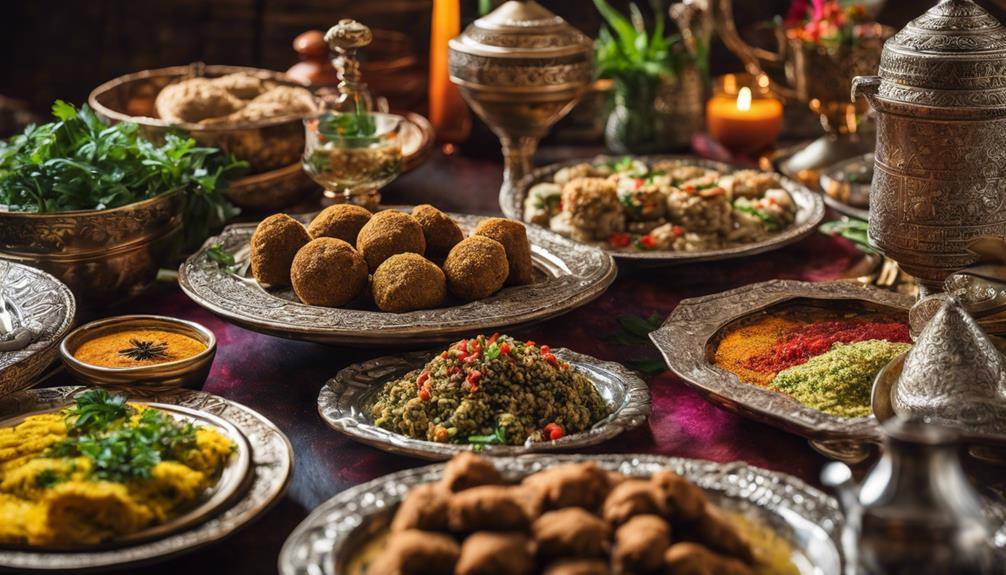
Why Are Middle Eastern Holiday Recipes So Popular: Middle Eastern holiday recipes are popular because they offer a rich tapestry of flavors and traditions that resonate with many. You'll love the unique combinations of spices and fresh ingredients, which create vibrant and aromatic dishes that are a feast for the senses. These recipes tell stories, connecting you to a cultural heritage that's been passed down through generations. Plus, the celebratory nature of these meals brings family and friends together, enhancing your experience. As you explore these delightful dishes, you'll discover even more about their significance and the culinary artistry behind them.
Click Here and Turn Every Masterpiece into a Showstopper!
Rich Cultural Heritage
Celebrating the rich cultural heritage of the Middle East means immersing yourself in a tapestry of flavors and traditions that have evolved over centuries. You're not just enjoying food; you're participating in cultural storytelling that reveals the historical significance of each dish. These culinary traditions are often passed down through generations, preserving family legacies that connect you to the past.
As you partake in festive gatherings and regional celebrations, you'll notice how seasonal ingredients play a vital role in the recipes. You might find dishes that celebrate the harvest, highlighting the importance of communal sharing. This act of gathering around a table filled with aromatic dishes fosters a sense of belonging and unity, making every meal a cherished event.
Heritage preservation is essential in the Middle East, where recipe evolution reflects both local influences and historical interactions. You'll discover that each region has its unique spin on traditional dishes, creating a rich diversity that enriches your experience. Family recipes often come with stories that deepen your understanding of their significance, inviting you to appreciate the culinary artistry involved.
Engaging with these vibrant flavors and customs allows you to appreciate the depth of Middle Eastern culture. By savoring these holiday recipes, you're not just indulging in delicious food; you're honoring the traditions and values that have shaped the lives of countless families. So, immerse yourself and let the culinary journey connect you with a heritage that's as rich as it is delicious.
Unique Flavor Profiles
Middle Eastern cuisine offers a stunning array of unique flavor profiles that reflect its diverse cultural influences and local ingredients. You'll find that each dish tells a story, with flavors carefully layered to create complexity and depth. The use of spices like cumin, coriander, and sumac not only enhances taste but also carries cultural symbolism, representing the rich history and traditions of the region.
When you bite into a dish, you're often met with an explosion of flavors. The interplay of sweet and savory, spicy and tangy, challenges your palate in delightful ways. For instance, in a classic dish like tagine, you might experience the warm undertones of cinnamon paired with the brightness of preserved lemons, showcasing that beautiful flavor layering. Each layer contributes to a harmonious balance that keeps you coming back for more.
Moreover, herbs like parsley and mint serve as invigorating counterpoints, brightening up heavier dishes. This thoughtful combination of ingredients highlights the skill and artistry of Middle Eastern cooking. You'll notice how each bite reveals new dimensions, allowing you to savor the essence of the region.
The unique flavor profiles found in Middle Eastern holiday recipes are not just about taste; they resonate with cultural significance. They embody traditions passed down through generations, making every meal a celebration of heritage. So, whether you're enjoying a festive feast or a simple family meal, you're partaking in a culinary experience that honors the past while delighting your senses.
Use of Fresh Ingredients
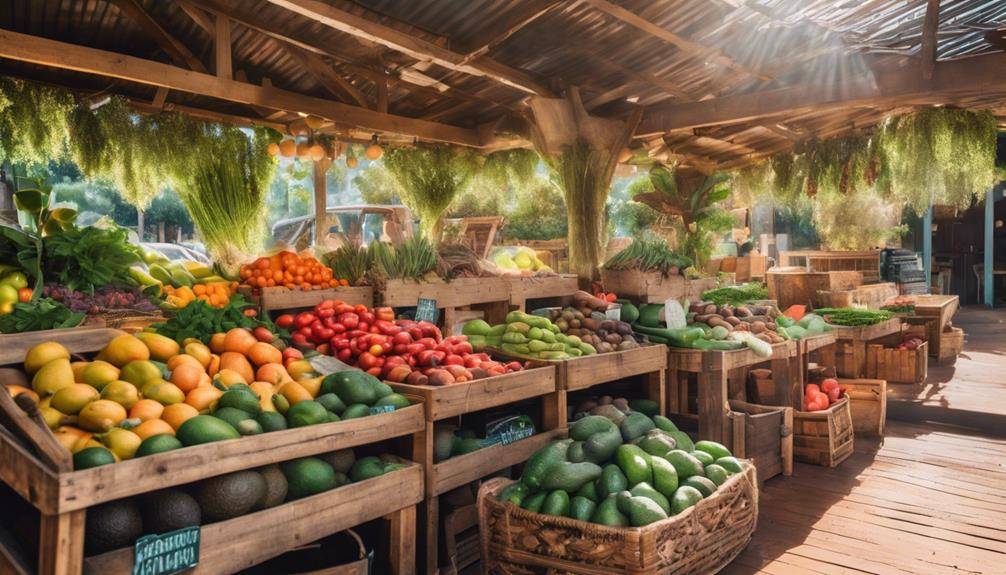
In the heart of Middle Eastern cooking, fresh ingredients play an essential role in crafting vibrant and flavorful dishes. You'll notice that dishes often burst with life, thanks to seasonal availability of fruits, vegetables, and herbs. When you choose to cook with fresh ingredients, you not only elevate the taste of your meals but also celebrate the local bounty. By sourcing your produce from local markets, you'll find the ripest, most flavorful options available, ensuring your dishes shine.
Imagine walking through a bustling market, where the colors and aromas of fresh produce beckon you to explore. You can pick up juicy tomatoes, fragrant herbs like cilantro and parsley, and crisp cucumbers that enhance the freshness of traditional Middle Eastern salads. These ingredients aren't just staples; they're the backbone of authentic recipes, each element harmonizing to create a symphony of flavors.
Additionally, utilizing seasonal ingredients means your dishes reflect the best of what's available at any given time. This not only supports local farmers and economies but also encourages you to experiment with what's fresh. Whether you're cooking a Ramadan iftar or a festive gathering, incorporating fresh ingredients will make your dishes not just more appealing, but healthier, too.
Aromatic Spices
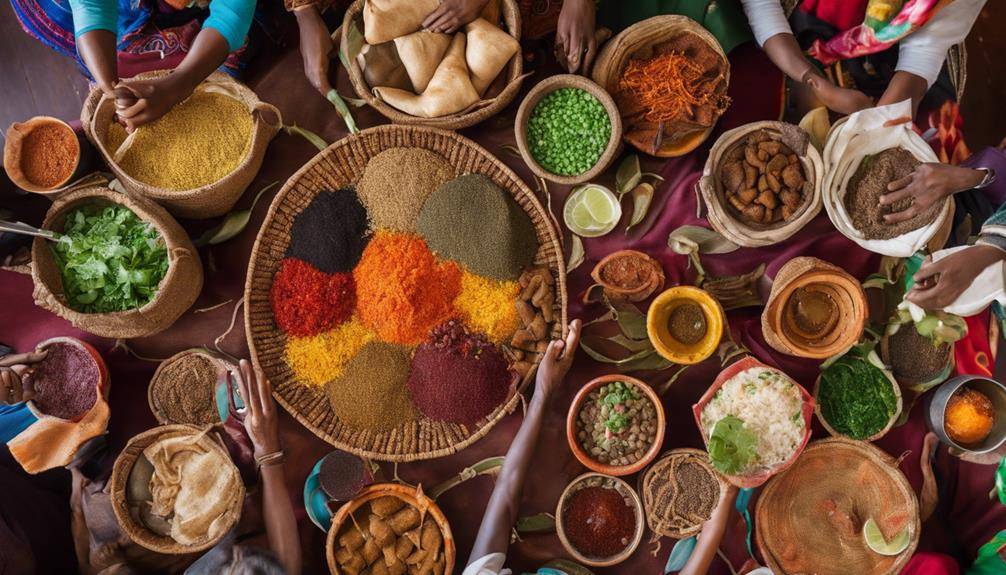
Aromatic spices are the heartbeat of Middle Eastern cuisine, infusing dishes with depth and complexity. When you explore spice blends like za'atar or garam masala, you uncover unique aroma profiles that define various regional variations. These blends create a flavor balance that enhances not just taste but also the overall sensory experience of the meal.
The rich culinary traditions of the Middle East reflect the diverse spice origins, ranging from cumin and coriander to saffron and sumac. Each spice carries its own symbolism, often representing abundance and hospitality, making your dishes not only flavorful but also meaningful. As you incorporate these spices, you'll notice their health benefits, too. Spices like turmeric and ginger are known for their anti-inflammatory properties, adding a nutritious element to your festivities.
Using different cooking techniques, you can bring out the best in these aromatic spices. Roasting, toasting, or simmering allows their essential oils to bloom, transforming the dish into a fragrant masterpiece. Whether you're making a hearty tagine or a delicate pilaf, the spices you choose will tell a story—a story of heritage, culture, and shared meals.
Traditional Cooking Techniques
When you explore Middle Eastern holiday cooking, you'll find time-honored methods that have been passed down through generations. These techniques vary by region, showcasing the unique ingredients each area has to offer. Embracing these traditional practices not only enhances your dishes but also connects you to the rich culinary history of the region.
Time-Honored Methods
Cooking in the Middle East is deeply rooted in tradition, where time-honored methods bring out the rich flavors and textures of each dish. You'll often find that every recipe tells a story, passed down through generations, woven into the fabric of family gatherings and seasonal celebrations. These cooking rituals aren't just about feeding the body; they nurture relationships and preserve cultural heritage.
When you engage in these techniques, like slow-cooking meats or hand-rolling dough, you're not just preparing a meal; you're participating in a shared experience. Each step carries meaning, whether it's using a specific spice blend that evokes memories of childhood or gathering the family to knead the bread together.
As you cook, you create culinary storytelling that connects you to your ancestors and to those around you. The aroma of spices fills the air, and laughter resonates, enriching the atmosphere. By embracing these time-honored methods, you're not just making food; you're creating lasting memories that celebrate your heritage, making every dish a cherished part of your story.
Regional Ingredient Variations
Exploring regional ingredient variations in Middle Eastern cooking reveals a vibrant tapestry of flavors and textures that reflect the diverse cultures across the region. You'll notice how ingredient sourcing plays a significant role in crafting authentic dishes. Each area showcases its regional specialties, influenced by local markets and the seasonal availability of produce.
For example, in the Levant, you might find fresh herbs like mint and parsley dominating dishes, while in the Gulf, spices like saffron and cardamom take center stage. These differences in sourcing not only enhance flavor but also provide culinary traditions rooted in heritage foods.
Cooking adaptations often arise from these variations, as families pass down recipes that evolve based on available ingredients. Flavor inspiration can come from a neighbor's dish or even a family gathering, leading to unique twists on classic recipes.
Family and Community Bonds
In many Middle Eastern cultures, food serves as a powerful connector, weaving together family and community bonds that span generations. You'll find that family gatherings often center around the kitchen, where communal cooking transforms meal preparation into a collaborative art. Everyone pitches in, whether it's chopping vegetables or stirring a pot, creating not just dishes but cherished memories.
Shared meals are the heart of festive traditions. As you gather around a table laden with delicious foods, each bite becomes a storytelling moment. These gatherings aren't just about eating; they're about reconnecting with loved ones, sharing laughter, and passing down intergenerational recipes that your grandparents cherished. Such bonding experiences reinforce the ties that bind families together, making each holiday feel special and significant.
During cultural celebrations, traditional dishes take center stage, enriching the atmosphere with familiar aromas and flavors. You might hear the stories behind each recipe, learning about the origins and the love that went into creating them. These narratives create a tapestry of history that connects you to your roots and strengthens community ties.
As you partake in these culinary rituals, you realize that the act of cooking and sharing food isn't merely a necessity; it's a profound expression of love and unity. In this way, Middle Eastern holiday recipes become more than just meals; they're a celebration of family and community bonds that endure through time.
Festive Presentation
When you prepare Middle Eastern dishes, the visual appeal can elevate your holiday experience. By combining colorful ingredients and using traditional serving techniques, you'll create a feast for both the eyes and the palate. Let's explore how to make your festive table truly unforgettable.
Visual Appeal of Dishes
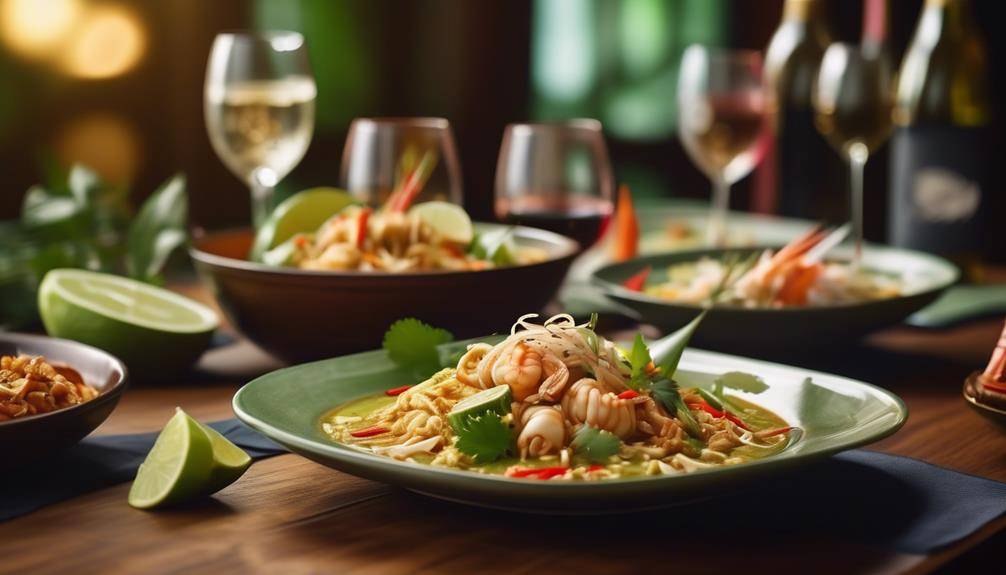
Festivity transforms a meal into a celebration, and the visual appeal of Middle Eastern dishes plays an essential role in that experience. When you sit down to enjoy these meals, you can't help but notice the vibrant colors and intricate designs that make each plate a feast for the eyes. Colorful plating draws you in, enticing you to explore the flavors that await. You might see a perfectly arranged platter of hummus, topped with a drizzle of olive oil and a sprinkle of paprika, or a rice dish adorned with golden raisins and slivered almonds, inviting you to take a bite.
Eye-catching garnishes further elevate the presentation, adding a touch of elegance to even the simplest dishes. Fresh herbs like parsley and mint not only enhance the visual appeal but also provide a pop of color that complements the overall dish. These thoughtful details create a sense of anticipation, turning mealtime into an event worth celebrating. As you gather with friends and family, the stunning visual presentation of these Middle Eastern delights enhances the joy of sharing good food, making every bite even more special.
Colorful Ingredient Combinations
How do colorful ingredient combinations elevate the festive presentation of Middle Eastern dishes? Vibrant colors play an essential role in capturing your attention and enhancing the appeal of festive dishes. The rich array of spices, fresh herbs, and seasonal variations not only creates a feast for the eyes but also conveys ingredient symbolism, reflecting cultural expressions that vary across regions and traditions.
When you look at a beautifully presented plate, you're witnessing visual storytelling. Each hue tells a story—like the deep reds of pomegranate seeds symbolizing fertility and abundance or the golden saffron representing luxury and joy. This culinary creativity allows you to explore flavors and aesthetics simultaneously, making food not just a meal but an experience.
As you gather around the table during holiday celebrations, the colorful combinations invite everyone to partake, igniting excitement and conversation. The artful arrangement of ingredients showcases the importance of food aesthetics in Middle Eastern cuisine, transforming ordinary dishes into extraordinary festive masterpieces that resonate with your cultural heritage. By embracing these vibrant combinations, you elevate every meal into a memorable occasion filled with warmth and joy.
Traditional Serving Techniques
While embracing traditional serving techniques, you'll find that presentation plays a crucial role in enhancing the festive atmosphere of Middle Eastern gatherings. The art of serving food goes beyond just placing dishes on the table; it's about creating an experience. You'll often see beautifully arranged platters filled with vibrant dishes, showcasing the rich colors and textures of the ingredients.
In Middle Eastern culture, serving etiquette reflects hospitality and respect. Dishes are typically presented in large, communal servings, encouraging guests to share and enjoy together. This communal dining approach fosters connection, allowing everyone to engage in lively conversation while savoring the flavors.
When you serve, consider using decorative serving platters or bowls that highlight the meal's appeal. Garnishing with fresh herbs or spices adds a finishing touch, enticing the senses even more. Don't forget to offer a variety of breads or side dishes, encouraging guests to mix and match flavors.
Influence of Regional Diversity
What makes Middle Eastern holiday recipes so diverse? It's the rich tapestry of regional influences that shape these culinary traditions. Each country, and often each community within a country, brings its unique flavors and techniques to the table, creating a vibrant mosaic of tastes. You'll notice that cultural exchanges throughout history have played a significant role in this diversity. Trade routes, conquests, and migrations allowed different cultures to intermingle, resulting in a fusion of ingredients and cooking methods that you still see today.
For instance, when you explore Levantine dishes, you might find that they incorporate spices and herbs from North Africa, while Persian cuisine often showcases rice dishes enriched by Indian influences. This culinary storytelling reflects not just the ingredients but the history and customs of the people behind the recipes. Each dish tells a tale of celebration, often passed down through generations, making every meal a link to the past.
You might also encounter variations of the same dish across different regions. Take stuffed grape leaves, for example. In Lebanon, they're typically filled with a mixture of rice and meat, while in Turkey, the recipe leans more towards vegetarian options with fresh herbs. This regional diversity not only enhances the flavor profiles but also gives you a sense of connection to the cultures from which these recipes originate. By embracing these differences, you'll gain a deeper appreciation for the stories that each dish has to tell during Middle Eastern holidays.
Click Here and Turn Every Masterpiece into a Showstopper!
Sweet Treats and Desserts
When you think of Middle Eastern holidays, the sweet treats and desserts are often the highlight. These delights feature traditional ingredients and flavors that carry deep cultural significance, making them more than just a sugary indulgence. Let's explore some popular dessert recipes that bring these festive flavors to life.
Traditional Ingredients and Flavors
Middle Eastern desserts are a delightful fusion of traditional ingredients and bold flavors that create a unique culinary experience. When you explore these sweet treats, you'll discover authentic flavors that transport you to bustling markets and family gatherings. Ingredients like rose water, orange blossom, and cardamom infuse each dish with a fragrant aroma that's simply irresistible.
Think about baklava, with its layers of flaky pastry, nuts, and honey syrup. It tells a story of regional ingredients and age-old techniques. Or consider basbousa, a semolina cake soaked in syrup, showcasing the region's love for sweet, moist desserts. Each bite is a taste of history, a slice of culinary storytelling that connects generations.
Don't forget about halva, a sweet confection made from tahini, often enjoyed during celebrations. The nutty flavor and crumbly texture offer a delightful contrast to other desserts. By using honey, dates, and nuts, Middle Eastern sweets highlight the richness of local agriculture and culture. So next time you indulge in these treats, savor the layers of tradition and flavor that make them truly special.
Cultural Significance of Sweets
Sweets in Middle Eastern cultures aren't just delightful treats; they're deeply woven into the fabric of social and religious traditions. When you partake in these sugary delights, you're not just enjoying a taste; you're engaging with the rich symbolism they represent. Sweets often symbolize prosperity, joy, and community, making them integral to various festive traditions.
During celebrations like Eid, families prepare an array of desserts to share with loved ones and neighbors. These moments foster connection and reinforce bonds, as sweets are often presented as gifts. You might notice that certain confections, like baklava or maamoul, carry specific meanings, embodying hospitality and generosity.
Moreover, sweets play a significant role in marking life events, from weddings to births. Each occasion is celebrated with special desserts that hold their own symbolism, reflecting the culture's values and beliefs. By savoring these sweet treats, you participate in the preservation of customs and the transmission of cultural identity. So, next time you enjoy a Middle Eastern dessert, remember that you're indulging in something far greater—a celebration of life, community, and shared heritage.
Popular Dessert Recipes
A delightful array of popular Middle Eastern dessert recipes awaits those enthusiastic to indulge in these sweet treats. You'll find that Middle Eastern pastries are a staple during festive occasions, with baklava variations being particularly beloved. The flaky layers of dough, filled with nuts and drenched in syrup, create a heavenly experience that's hard to resist.
Date desserts hold a special place in Middle Eastern cuisine, offering natural sweetness and rich flavor. You can't overlook halva recipes, either; these nutty confections made from sesame or other nuts provide a unique texture and taste.
As you explore cookie traditions, you'll discover delightful options like maamoul, which are stuffed with dates or nuts, adding to the festive sweets available during the holidays. Don't miss out on coconut sweets, which add a tropical twist to your dessert table.
Layered treats, with their intricate designs and flavors, will surely impress your guests. And if you're craving something truly indulgent, look for syrupy delights that will satisfy your sweet tooth and leave you wanting more. Plunge into these recipes and savor the rich culinary heritage of the Middle East!
Celebratory Nature of Recipes
When you gather around the table during festive occasions, the dishes served are more than just food; they embody rich traditions and shared joy. The celebration significance of these recipes lies not only in their flavors but also in the stories they tell. Each dish reflects a tapestry of family traditions and holiday rituals passed down through generations, making every bite a connection to the past.
During festive gatherings, people come together for joy sharing, creating an atmosphere filled with laughter and love. The act of communal cooking transforms the process into an engaging experience, where everyone contributes, ensuring that seasonal ingredients are celebrated in the best possible way. As you chop, stir, and serve, you're not just preparing a meal; you're crafting festive memories that will last a lifetime.
Middle Eastern recipes often highlight cultural exchanges, showcasing the rich diversity of flavors that result from centuries of interactions among different cultures. You might find a blend of spices that tells a story of trade routes and migration, enriching your understanding of the food you enjoy.
These dishes, steeped in culinary storytelling, invite everyone to take part in the celebration. They remind you that every holiday is an opportunity to honor your heritage while creating new traditions. So, as you savor each dish, remember that you're also nourishing bonds with those around you, celebrating both the flavors and the love that bring you together.
Adaptability and Fusion
When you think about Middle Eastern holiday recipes, consider how cultural influences shape the dishes we enjoy. You can easily swap ingredients or add modern twists to make these recipes your own. Embracing adaptability and fusion allows you to celebrate tradition while making it relevant to your tastes.
Cultural Influences in Cooking
Cooking in the Middle East thrives on adaptability and fusion, reflecting a rich tapestry of cultural influences. You'll find that each dish tells a story shaped by historical influences and culinary exchanges. As people migrated, they brought their cultural traditions, blending them with local flavors and techniques. This fusion is especially apparent during regional celebrations, where festive rituals often revolve around food symbolism that conveys deeper meanings.
Community gatherings highlight this diversity, as families come together to share cross-cultural recipes that may incorporate ingredients and cooking styles from various backgrounds. For instance, a traditional dish might feature elements from neighboring countries, showcasing the impact of migration on culinary practices. Seasonal variations also play a role, as recipes evolve to embrace local produce and ingredients available at different times of the year.
As you explore Middle Eastern holiday recipes, you'll discover how they embody the spirit of adaptability, uniting diverse influences into a cohesive culinary experience. Each meal becomes a reflection of the region's rich history and the ongoing evolution of its food culture. This celebration of diversity is what makes Middle Eastern cooking not only delicious but deeply meaningful.
Ingredient Substitutions and Variations
Middle Eastern cuisine thrives on flexibility, allowing for numerous ingredient substitutions and variations that reflect regional availability and personal tastes. You can easily adapt recipes to accommodate dietary restrictions, making them more inclusive for everyone at your table. For instance, if a dish calls for lamb but you prefer chicken, that's a simple ingredient swap that maintains the essence of the dish.
Seasonal variations also play a role in ingredient sourcing. Fresh vegetables and herbs change with the seasons, so feel free to experiment with local availability. If you're after a lighter option, consider health-conscious alternatives like quinoa instead of rice or yogurt instead of heavy cream for a sauce.
Your taste preferences should guide your culinary creativity. Don't hesitate to adjust spices or add new ones that appeal to you! Kitchen experiments often lead to delightful surprises, enhancing flavor balancing in your meals. By embracing these variations, you not only honor the rich traditions of Middle Eastern cuisine but also personalize it to suit your palate, making each dish uniquely yours.
Modern Twists on Tradition
Many chefs today are embracing modern twists on traditional Middle Eastern recipes, blending classic flavors with contemporary techniques and ingredients. You'll find dishes that retain the heart of their origins while incorporating unexpected elements. For example, a classic lamb tagine might be updated with a fusion of Asian spices, creating a unique flavor profile that surprises and delights your palate.
Modern adaptations often include alternative proteins, like quinoa or jackfruit, catering to diverse dietary preferences without losing the essence of the dish. In addition, culinary creativity shines through in innovative plating and presentation, transforming humble ingredients into high-end dining experiences.
You might also notice traditional dips, like hummus or baba ghanoush, reimagined with vibrant toppings such as pomegranate seeds or truffle oil, elevating them to new heights. These modern twists invite you to explore and engage with the cuisine in fresh, exciting ways, making it accessible to a broader audience.
Social Media Influence
Social media has transformed how we discover and share holiday recipes from the Middle East. You've likely noticed how platforms like Instagram and TikTok are teeming with culinary influencers showcasing vibrant food photography and engaging cooking videos. These creators not only highlight traditional dishes but also put unique spins on them, making the recipes more accessible and appealing to a global audience.
With the rise of recipe sharing on social media, you can find an abundance of Middle Eastern recipes at your fingertips. Hashtag campaigns like #MiddleEasternEats or #HolidayFeasts allow you to explore a treasure trove of ideas from various cultures, fostering a sense of cultural exchange. You might find new favorites or even recreate your family's cherished dishes with a modern twist.
Online communities dedicated to Middle Eastern cuisine have emerged, where home cooks and food enthusiasts share tips, tricks, and their own twists on classic recipes. These food blogs and social media groups often spark viral trends, encouraging people to try their hand at dishes they might not have considered before.
As you scroll through your feeds, you can't help but feel inspired by the creativity and passion of others. That sense of connection, combined with the visual allure of beautifully plated meals, makes holiday cooking from the Middle East not just a task, but a joyful experience you want to share with others.
Global Culinary Trends
As you explore the vibrant world of holiday recipes, you'll notice how global culinary trends are reshaping traditional dishes from the Middle East. Chefs and home cooks alike are blending the rich, aromatic flavors of Middle Eastern cuisine with influences from around the world. This fusion creates a dynamic dining experience that captivates your taste buds and sparks culinary innovation.
You might find classic dishes like shawarma or tabbouleh elevated with unexpected ingredients, such as sriracha or quinoa. These global flavors not only broaden the appeal of traditional recipes but also make them more accessible to diverse palates. By infusing Middle Eastern dishes with elements from other cultures, cooks are inviting you to explore a new culinary landscape that honors the past while embracing the future.
Moreover, the rise of social media has played a pivotal role in popularizing these trends. As you scroll through your feeds, you'll see mouthwatering images of beautifully plated dishes, showcasing a mix of traditional and contemporary elements. This visual stimulation encourages you to experiment in your own kitchen, trying out innovative combinations that celebrate the heart of Middle Eastern cuisine.
Ultimately, as you immerse yourself in these holiday recipes, you'll discover how global culinary trends are not just about merging flavors but also about creating a sense of community. By sharing these vibrant dishes, you're part of a movement that celebrates diversity and the joy of cooking together.
Health Benefits of Ingredients
When you immerse yourself in Middle Eastern holiday recipes, you'll find that the ingredients not only create bold flavors but also offer numerous health benefits. Many of these ingredients, like chickpeas, lentils, and olive oil, boast high nutritional value, contributing to a balanced diet. Their ingredient origins trace back to ancient wellness traditions, where they were revered for their medicinal uses.
Incorporating a variety of spices, such as turmeric and cumin, not only enhances flavor but also supports dietary diversity. These spices are known for their superfood properties, providing anti-inflammatory benefits and boosting overall wellness. When you explore different cooking techniques, like grilling or slow-cooking, you can further amplify the health benefits while preserving the integrity of the ingredients.
Ingredient pairing plays a vital role in maximizing health benefits. For example, combining yogurt with garlic not only adds a delicious depth of flavor but also promotes gut health. Additionally, many Middle Eastern dishes include fresh herbs like parsley and mint, which are packed with antioxidants and vitamins, enhancing the nutritional profile of your meals.
As you prepare these holiday recipes, you'll discover that the health benefits extend beyond the ingredients themselves. They're a celebration of culture and tradition, providing a unique opportunity to nourish both body and spirit. So, as you savor each dish, remember that you're indulging in a rich tapestry of flavors and wellness benefits that have stood the test of time.
Accessibility of Recipes
Exploring Middle Eastern holiday recipes is not just about the rich flavors and health benefits; it's also about making these dishes accessible to everyone. You might think that preparing such exotic meals requires hard-to-find ingredients or complicated techniques, but that's far from the truth. Thanks to globalization and the rise of multicultural markets, ingredient availability has improved dramatically. You can now find essential spices like sumac, za'atar, and saffron in your local grocery store or online, making it easier than ever to recreate your favorite dishes at home.
Recipe accessibility plays a vital role in the popularity of these culinary delights. Many Middle Eastern recipes are adaptable, allowing you to swap in ingredients you already have. For instance, if you can't find a specific type of lentil, any variety will do. This flexibility means you don't have to feel overwhelmed by the thought of tracking down every ingredient.
Moreover, numerous online resources and communities exist to help you navigate any challenges you may encounter. You can find step-by-step video tutorials or join forums where fellow cooking enthusiasts share tips and tricks. These platforms enhance your cooking experience and guarantee you feel supported every step of the way. By breaking down barriers to ingredient availability and providing resources for all skill levels, Middle Eastern holiday recipes become not just a feast for the senses but also an accessible and enjoyable cooking adventure for everyone. So, roll up your sleeves and jump right in!
Click Here and Turn Every Masterpiece into a Showstopper!
Frequently Asked Questions: Why Are Middle Eastern Holiday Recipes So Popular
What Are Some Popular Middle Eastern Dishes for Beginners to Try?
If you're starting with Middle Eastern cuisine, try beginner dishes like hummus, tabbouleh, or chicken shawarma. These recipes use straightforward cooking techniques, and you'll quickly gain confidence while enjoying delicious flavors and aromas.
How Do Middle Eastern Holiday Recipes Differ by Country?
Middle Eastern holiday recipes vary by country, showcasing unique cultural significance and regional variations. You'll find diverse ingredients and cooking methods, reflecting local traditions and celebrations, making each dish a delicious expression of its heritage.
Are There Vegetarian Options in Middle Eastern Holiday Recipes?
Yes, you'll find plenty of vegetarian options in Middle Eastern holiday recipes. Dishes often feature vibrant vegetarian ingredients like chickpeas and eggplants, bringing festive flavors to your table while accommodating various dietary preferences. Enjoy!
What Kitchen Tools Are Essential for Making Middle Eastern Dishes?
To make Middle Eastern dishes, you'll need essential utensils like a sharp knife and cutting board, plus specialty appliances like a food processor or blender for smooth dips and dough. These tools simplify your cooking experience.
How Can I Find Authentic Middle Eastern Holiday Recipes Online?
You can find authentic Middle Eastern holiday recipes online by exploring cultural significance in food blogs or recipe sites. Look for those emphasizing recipe authenticity, as they often share traditional methods and ingredients that honor the cuisine's heritage.

Conclusion
Ultimately, Middle Eastern holiday recipes captivate food lovers around the world with their rich cultural heritage and unique flavor profiles. You'll appreciate the use of fresh ingredients and aromatic spices that elevate every dish. Traditional cooking techniques add depth, while social media and global culinary trends make these recipes more accessible than ever. Plus, the health benefits of the ingredients add to their appeal. So, why not plunge into these delicious recipes and experience the magic for yourself?