The Amazing Sweet Legacy of Pineapple Upside-Down Cake
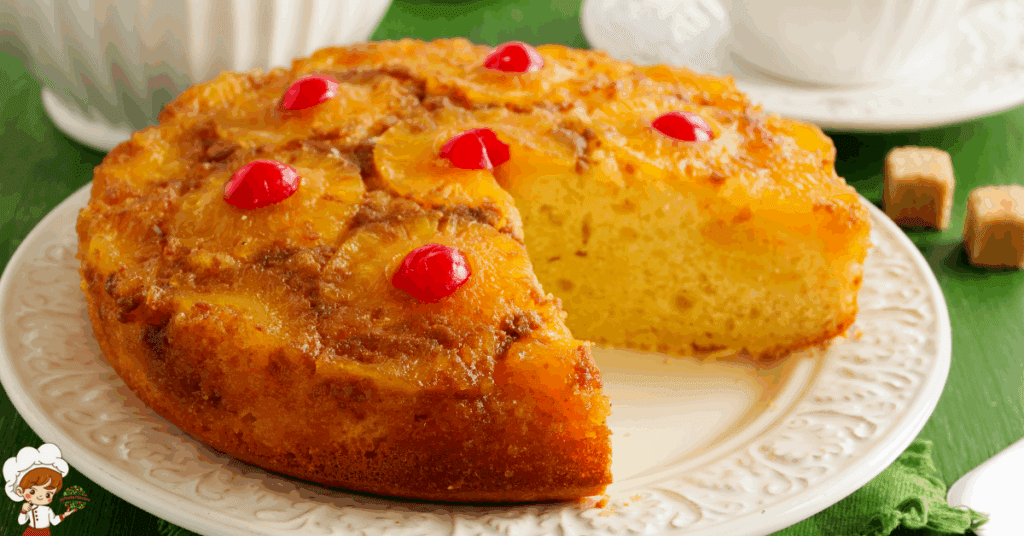
Sweet Legacy of Pineapple Upside-Down Cake; Few desserts evoke the comforting charm of mid-century Americana like pineapple upside-down cake. With its glistening layer of caramelized pineapples and cherries atop a moist, buttery base, this iconic treat has become a beloved staple at potlucks, family gatherings, and holiday tables. But beneath its cheerful, golden surface lies a rich culinary history that spans continents, innovations in food technology, and cultural shifts in the way Americans prepared and presented desserts.
Though pineapple upside-down cake reached the height of its popularity in the 1950s, its origins can be traced back much further, to early European techniques, advancements in canned fruit, and even to the cast iron skillets of early American kitchens. This blog explores the fascinating journey of pineapple upside-down cake, from its rustic beginnings to its celebrated status as a vintage dessert classic.
A Look Back: The Origins of the “Upside-Down” Cake
The concept of upside-down cakes existed long before pineapples entered the picture. In fact, the earliest versions of these inverted cakes were known in the 18th and 19th centuries as skillet cakes, or fruit bottom cakes. Before ovens became common in households, most baking was done in cast iron skillets over an open flame. Cooks would layer fruit, butter, and sugar in the bottom of the skillet, pour cake batter on top, and allow the mixture to cook slowly over heat. When turned out onto a plate, the sticky, caramelized fruit topping created a rich and flavorful contrast to the tender cake base.
These early upside-down cakes typically featured local fruits such as apples, cherries, and berries, which were either fresh or preserved. They were especially popular in rural areas of the United States and Europe, where fruit could be foraged or harvested seasonally. This rustic style of cake was prized for its simplicity and flavor, offering a sweet treat that didn’t require fancy baking equipment or rare ingredients.
The Arrival of Pineapple: A Tropical Twist
The transformation of the traditional upside-down cake into its now-iconic pineapple version began with the introduction of canned pineapple in the early 20th century. Pineapples had long been considered a symbol of luxury and hospitality in Europe and the Americas due to their rarity and cost. But in the early 1900s, the Hawaiian Pineapple Company (later known as Dole) revolutionized access to this tropical fruit through large-scale canning operations.
In 1903, James Dole opened the first pineapple cannery in Hawaii. With advancements in food preservation and transportation, canned pineapple became widely available across the continental U.S. for the first time. By the 1920s, Dole had launched massive advertising campaigns to promote its product, and pineapple was suddenly no longer an exotic indulgence, but an affordable and accessible pantry staple.
Home bakers, always eager for new ways to incorporate trendy ingredients, began experimenting with canned pineapple in traditional recipes. The natural circular shape of pineapple rings lent themselves perfectly to decorative arrangements, especially when paired with bright red maraschino cherries. The fruit’s sweet and tangy flavor also complemented the sugary caramel layer in upside-down cakes, resulting in a show-stopping dessert that looked as good as it tasted.
The Rise of the Pineapple Upside-Down Cake in American Culture
The widespread popularity of pineapple upside-down cake can be directly linked to a 1925 recipe contest sponsored by the Hawaiian Pineapple Company. The contest invited American housewives to submit their favorite recipes featuring canned pineapple. The company reportedly received more than 60,000 submissions, a clear indication of how quickly the fruit had taken hold in American kitchens.
Among the most common recipes submitted were variations of pineapple upside-down cake. Recognizing the dessert’s potential, Dole heavily promoted the recipe in advertisements, cookbooks, and magazines throughout the late 1920s and 1930s. It was often marketed as a “modern” dessert that showcased both convenience and visual appeal—qualities that resonated deeply with the growing number of middle-class homemakers looking to impress guests without spending all day in the kitchen.
By the time World War II arrived, pineapple upside-down cake had become a mainstream dessert across the United States. During the war, it continued to maintain popularity due to the availability of canned fruit and the simplicity of the recipe, which required no elaborate techniques or rare ingredients. The bright, tropical flavors also offered a welcome distraction from the austerity of wartime rationing.
Mid-Century Glory: The 1950s and the Cake’s Golden Era
The 1950s marked the golden age of pineapple upside-down cake. It aligned perfectly with the post-war boom in domesticity, when American families were settling into suburban homes equipped with modern kitchens and appliances. The cake became a visual symbol of cheerful domestic life, gracing the pages of women’s magazines and community cookbooks across the country.
Television and radio programs began showcasing home cooking segments, often highlighting colorful and easy-to-make desserts like the pineapple upside-down cake. The cake’s photogenic appearance—golden yellow with shiny red accents—made it ideal for marketing and recipe columns. It embodied the ideals of mid-century Americana: resourcefulness, creativity, and presentation.
It was also a time when brands like Betty Crocker, Pillsbury, and Dole doubled down on convenience foods. Pineapple upside-down cake featured prominently in boxed cake mix promotions, helping home bakers cut down on prep time while still producing a “from scratch” dessert. The simplicity of combining a boxed yellow cake mix with canned pineapple and a few pantry staples only helped cement the cake’s status as a go-to recipe for busy homemakers.
A Decline in Popularity—And a Vintage Revival
As the 1970s and 1980s introduced more sophisticated and globally inspired desserts, the humble pineapple upside-down cake began to fade from the spotlight. Gourmet cakes, elaborate pastries, and European desserts like tiramisu and mousse started to dominate dessert tables. The upside-down cake, once a trendy centerpiece, was relegated to potlucks and nostalgic gatherings.
However, the 1990s and early 2000s ushered in a wave of culinary nostalgia. Retro recipes from the 1950s and 60s experienced a resurgence as new generations of bakers rediscovered the joys of comfort food. Pineapple upside-down cake, with its charming presentation and timeless flavor profile, made a surprising comeback. It was featured in food blogs, cooking shows, and even fine dining menus—now reimagined with gourmet twists like rum-infused caramel, fresh pineapple, or spiced cake bases.
Today, the cake enjoys a renewed appreciation. It straddles the line between vintage charm and modern relevance. Chefs and home bakers alike embrace it for its flavor, texture, and the way it captures a simpler time. It has earned its place not only in the annals of American dessert history but also in contemporary kitchens looking to bridge past and present.
Global Variations and Influence
While pineapple upside-down cake is deeply associated with American culture, the concept of an inverted cake topped with caramelized fruit exists in various forms around the world. French tarte Tatin, for example, features caramelized apples beneath a buttery pastry, flipped after baking to reveal a glossy topping. In some Latin American countries, pineapple cake is made with fresh fruit and soaked in syrup, drawing inspiration from traditional tres leches cakes.
In the Caribbean, fresh pineapple and coconut are often used in desserts that mirror the upside-down cake’s aesthetics, while in Asia, pineapple cakes take on a different form entirely—often dense, square pastries with pineapple jam filling, especially in Taiwan. Still, the American version of pineapple upside-down cake remains distinct in its use of canned pineapple, maraschino cherries, and its buttery brown sugar topping.
The Enduring Appeal of Pineapple Upside-Down Cake
What makes pineapple upside-down cake so timeless? Part of its appeal lies in the combination of flavor and texture: the caramelized fruit topping melds with the soft cake to create a dessert that is simultaneously rich, moist, and refreshing. It’s also endlessly adaptable. Bakers can switch out pineapple for other fruits, change the cake base, or add unique toppings, while still honoring the core idea of the upside-down technique.
But more than anything, the cake serves as a nostalgic link to the past. It recalls Sunday dinners, community potlucks, and handwritten recipe cards passed down through generations. It’s a dessert that tells a story—not just of innovation and flavor, but of home, family, and the joy of sharing something made with love.
Pineapple Upside-Down Cake Recipe
Ingredients
- For the topping:
- 1/4 cup unsalted butter melted
- 1/2 cup packed light brown sugar
- 7 –9 canned pineapple rings reserve juice
- 7 –9 maraschino cherries one for each pineapple center
- For the cake batter:
- 1 1/2 cups all-purpose flour
- 2 teaspoons baking powder
- 1/4 teaspoon salt
- 1/2 cup unsalted butter room temperature
- 3/4 cup granulated sugar
- 2 large eggs
- 1 teaspoon pure vanilla extract
- 1/2 cup whole milk
- 1/4 cup pineapple juice from the can
Instructions
- Start by preheating your oven to 350°F (175°C). Choose a 9-inch round cake pan with at least 2-inch sides or a well-seasoned 10-inch cast iron skillet. Pour the melted butter into the bottom of the pan, swirling to coat evenly. Sprinkle the brown sugar over the butter, making sure it covers the base in an even layer.
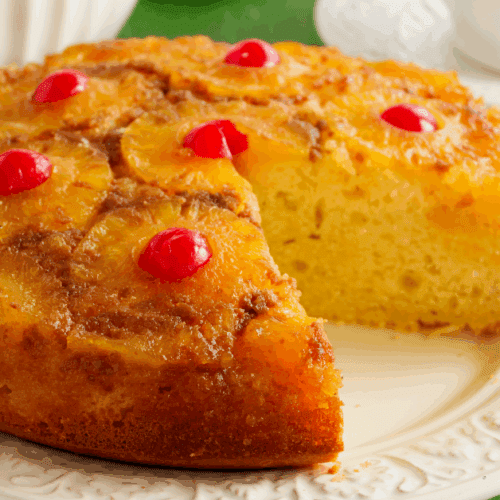
- Gently lay the pineapple rings over the brown sugar mixture, nestling them in a single layer. Most pans fit seven rings nicely—six around the edge and one in the center. If your pan is larger, you can squeeze in a couple more. Tuck a maraschino cherry into the center of each pineapple ring, pressing it lightly so it stays in place. This vibrant fruit layer will become the cake’s crown jewel once it’s flipped.
- To make the batter, whisk together the flour, baking powder, and salt in a medium bowl. In a separate large mixing bowl, cream the butter and granulated sugar together until the mixture is light, fluffy, and pale—about 2 to 3 minutes using a hand or stand mixer.
- Beat in the eggs one at a time, scraping the sides of the bowl between additions. Add the vanilla extract and mix until everything is smooth. Now, add the flour mixture in three parts, alternating with the milk and pineapple juice. Begin and end with the dry ingredients, mixing just until combined after each addition. Be careful not to overmix; the goal is a tender, fluffy crumb.
- Spoon the batter carefully over the pineapple and cherries in the pan, using a spatula to spread it evenly without disturbing the fruit underneath. The batter will be thick, but it should easily cover the fruit in a smooth layer.
- Place the cake in the preheated oven and bake for 40 to 45 minutes, or until the top is golden and a toothpick inserted into the center comes out clean. Your kitchen will fill with the buttery-sweet aroma of caramelized fruit and cake.
- Once baked, remove the cake from the oven and allow it to rest for about 10 minutes. Don’t wait too long—flipping the cake while it’s too cool may cause the topping to stick. Run a knife gently around the edge of the cake to loosen it, then place a heatproof plate or cake stand on top of the pan. Carefully and confidently flip the pan over. If any pineapple pieces stick, just reposition them—no one will ever know.
- Let the cake cool slightly before slicing. Serve warm, at room temperature, or even chilled. It’s delicious on its own, but a dollop of whipped cream or a scoop of vanilla ice cream turns it into something extraordinary.
- This classic pineapple upside-down cake is the perfect blend of retro charm and irresistible flavor—a beautiful centerpiece with a story to tell in every bite.
Frequently Asked Questions: Sweet Legacy of Pineapple Upside-Down Cake
When was pineapple upside-down cake first invented?
The pineapple version gained popularity in the 1920s, especially after a 1925 recipe contest by the Hawaiian Pineapple Company (Dole). However, the general concept of upside-down cake dates back centuries to early European and American skillet cakes.
Why is it called an upside-down cake?
The cake is baked with the fruit on the bottom of the pan and then flipped after baking. This inversion gives it the name “upside-down,” revealing the glossy, fruit-topped layer.
What kind of cake is used in pineapple upside-down cake?
Traditionally, it’s made with a buttery yellow cake, though some recipes use sponge cake or incorporate spices like cinnamon and nutmeg for extra flavor.
Can fresh pineapple be used instead of canned?
Yes, fresh pineapple can be used, though canned pineapple is preferred for its consistent size, sweetness, and convenience. Fresh pineapple should be sliced thinly and may require extra cooking time to caramelize properly.
Do you have to use maraschino cherries?
No, they are optional. Maraschino cherries add color and a nostalgic touch, but they can be omitted or replaced with dried or fresh fruit.
Is pineapple upside-down cake served hot or cold?
It can be served warm, room temperature, or cold, depending on preference. Warm servings highlight the gooey caramel layer, while chilled cake offers a firmer texture.
What’s the best way to flip the cake?
Allow the cake to cool slightly (about 5–10 minutes), then run a knife around the edges and invert it onto a plate. Flipping it while it’s still hot can cause the fruit to shift, while flipping it too late might make the topping stick to the pan.
Can this cake be made in advance?
Yes. It holds up well for up to two days when covered and stored in the refrigerator. It can also be gently reheated before serving if desired.

In Conclusion: A Dessert That Stands the Test of Time
Pineapple upside-down cake is more than a simple dessert. It’s a flavorful tribute to the evolution of home baking in America—shaped by innovation, accessibility, and tradition. From its roots in skillet cakes to its rise through canned pineapple promotions, and finally, to its place in modern kitchens, this cake has proven its ability to adapt and endure.
Its bright, sunny appearance and caramel-sweet flavor continue to win over new generations, proving that good taste—and great stories—never go out of style. Whether made from scratch or from a mix, adorned with cherries or reinvented with gourmet twists, pineapple upside-down cake is a slice of culinary history worth savoring.