What Are Some Amazing Vegetarian Filipino Recipes
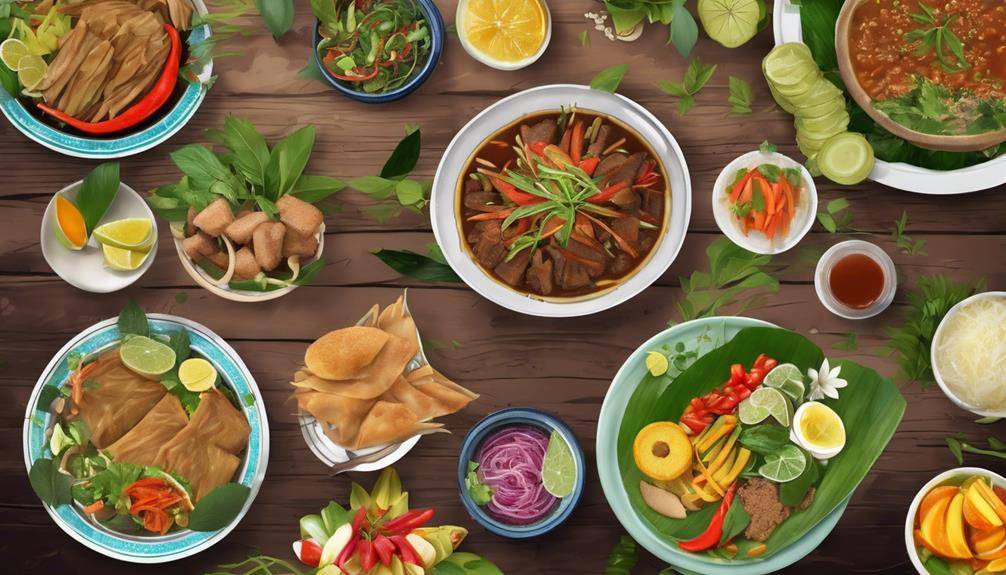
Some Amazing Vegetarian Filipino Recipes; You’ll find a delightful range of vegetarian Filipino recipes that bring the rich flavors of the Philippines to your table. Start with vegetarian adobo, using mushrooms and eggplant, then try sinigang with fresh vegetables and tofu for a sour kick. Ginisang munggo offers a comforting blend of mung beans and greens, while pinakbet showcases a colorful vegetable medley. Don’t miss out on laing, featuring creamy taro leaves in coconut milk, or savory Filipino vegetable pancakes as a tasty snack. As you explore, you’ll uncover even more mouthwatering options that highlight the vibrant culinary traditions of the Philippines.
Classic Vegetarian Adobo
Classic Vegetarian Adobo is a delightful twist on the traditional Filipino dish, making it a perfect choice for those craving bold flavors without meat. You can easily prepare this dish using hearty vegetables like mushrooms, eggplant, and potatoes, which soak up the rich, tangy marinade of soy sauce, vinegar, garlic, and bay leaves. The depth of flavor you’ll achieve is simply irresistible.
When you explore vegetarian adobo variations, don’t hesitate to get creative. You might try adding chickpeas for extra protein or toss in some tofu for a satisfying texture. Another great variation is to use jackfruit, which mimics the fibrous consistency of meat while absorbing the adobo sauce beautifully. Experimenting with different vegetables allows you to put your personal spin on this classic dish.
As for adobo serving suggestions, pair your vegetarian adobo with steamed rice for a comforting meal. You can also serve it alongside pickled vegetables to balance the rich flavors. If you’re feeling adventurous, consider topping it with a sprinkle of chopped green onions or crispy garlic for added texture and a burst of flavor.
Feel free to make this dish your own, whether you prefer it spicy or mild. The versatility of vegetarian adobo will keep you coming back for more, making it a staple in your kitchen. Enjoy the journey of discovery as you savor every delicious bite!
Sinigang With Vegetables
When you make sinigang with vegetables, you’ll want to focus on key ingredients that bring out that signature sour flavor. You can experiment with different cooking techniques to achieve the perfect broth, and there are plenty of flavor variations to enhance your dish. Let’s explore how to create this comforting classic in your kitchen.
Key Ingredients Overview
Sinigang with vegetables is a vibrant dish that highlights the unique flavors of Filipino cuisine. To create this savory soup, you’ll need a few key ingredients that are essential for a delicious vegetarian version. Start with a good base of tamarind or a tamarind soup mix, which gives sinigang its signature sour flavor.
Next, incorporate a variety of fresh vegetables, such as radish, eggplant, and water spinach. These not only add color but also bring a range of textures and nutrients to the dish. For your vegetarian staples, consider using firm tofu or tempeh as your plant-based proteins; they absorb the broth’s flavors beautifully and make the dish hearty.
Don’t forget aromatics like onions and tomatoes, which enhance the overall taste. You can also add chili peppers if you like a bit of heat. Finally, season with fish sauce alternatives or salt to suit your taste. With these ingredients, you’re well on your way to preparing a comforting bowl of sinigang with vegetables, showcasing the best of vegetarian Filipino cooking.
Cooking Techniques Explained
To create a flavorful sinigang with vegetables, mastering a few key cooking techniques is essential. Start with vegetable preparation; wash and chop your vegetables like radishes, eggplants, and spinach to guarantee they’re ready to absorb the rich flavors you’ll build. It’s best to cut them into uniform sizes for even cooking, so each bite is tender and well-seasoned.
Next, focus on your seasoning techniques. Begin by sautéing onions and tomatoes in a pot until they’re soft and fragrant. This forms a flavorful base that enhances the overall taste of your sinigang. When you’re ready, add water or vegetable broth, along with your chosen souring agent, like tamarind or calamansi, to achieve that signature tang.
Once you bring the liquid to a boil, add your vegetables in stages, starting with the heartier ones that require longer cooking times. Taste and adjust the seasoning as needed, adding salt or more souring agent to perfect the flavor. Finally, don’t forget to garnish with fresh herbs like cilantro or green onions for an extra layer of freshness. Enjoy your delicious sinigang with vegetables!
Flavor Variations to Try
Exploring flavor variations can elevate your sinigang with vegetables to new heights. By experimenting with different spice combinations, you can create unique flavor profiles that will delight your taste buds. Start by considering the traditional sour base of sinigang, typically tamarind. You might try using kalamansi or green mango for a citrus twist. These fruits can add a rejuvenating zing to your dish.
Next, think about incorporating spices like ginger and lemongrass. Ginger adds warmth, while lemongrass infuses a hint of herbal brightness. You can also experiment with chili peppers for a spicy kick. If you prefer a milder dish, consider adding a touch of coconut milk, which will lend creaminess and balance the sourness.
Don’t forget about the vegetables! Adding different seasonal produce like radishes, eggplants, or even leafy greens can change the overall flavor profile. Finally, finish your sinigang with a splash of fish sauce or soy sauce for an umami boost. By mixing and matching these elements, you’ll create a sinigang that’s not just comforting but also exciting with every spoonful. Enjoy the journey of flavor exploration!
Filipino Vegetable Pancakes
If you’re looking to whip up some delicious Filipino vegetable pancakes, you’ll need a few key ingredients to get started. Once you’ve gathered everything, I’ll walk you through a simple cooking method that guarantees your pancakes come out crispy and flavorful. Let’s get cooking!
Ingredients for Vegetable Pancakes
Creating delicious Filipino vegetable pancakes starts with gathering the right ingredients. You’ll need a mix of fresh vegetables like carrots, cabbage, and bell peppers, finely chopped for that perfect texture. Don’t forget the green onions for added flavor! For the batter, you’ll want all-purpose flour, cornstarch, and baking powder to help it rise and become crispy. Adding a bit of water or vegetable broth will help achieve the right consistency.
If you’re looking for cooking tips, feel free to get creative with your veggies! Zucchini or spinach can be great additions or substitutes if you prefer. You can also swap out all-purpose flour for whole wheat or gluten-free flour, depending on your dietary needs. To enhance the taste, consider adding soy sauce or sesame oil to the batter.
Cooking Method Explained
To make Filipino vegetable pancakes, you’ll typically start by mixing your prepared vegetables with the dry ingredients in a large bowl. Use a whisk to combine everything evenly, ensuring there are no lumps. You’ll want to set aside the mixture for a few minutes to allow the flavors to meld.
Next, grab your cooking tools: a non-stick skillet or frying pan and a spatula. Heat a little oil over medium heat, making sure the pan is hot enough for frying. Once the oil’s shimmering, scoop a portion of your mixture into the pan, flattening it gently with the spatula to form a pancake.
Cook each side for about 3-4 minutes until golden brown and crispy. If you’re meal prepping, you can make a large batch and freeze the pancakes. Just place parchment paper between each pancake to prevent sticking, then store them in an airtight container.
When you’re ready to enjoy, reheat them in the skillet or oven. These Filipino vegetable pancakes make a delicious snack or main dish, packed with flavor and nutrients!
Ginisang Munggo
Ginisang Munggo is a comforting Filipino dish that showcases the rich flavors of mung beans, often enjoyed as a hearty meal. This dish is not just delicious; it also comes with several mung bean benefits, making it a nutritious choice for vegetarians. Mung beans are high in protein, fiber, and essential vitamins, which can contribute to a balanced diet.
In traditional preparation, you start by sautéing garlic, onions, and tomatoes in a bit of oil. The aromatic base sets the stage for the mung beans, which you add after the veggies soften. It’s common to soak the mung beans beforehand, which helps them cook evenly and enhances their texture. You’ll want to simmer the mixture with water until the mung beans become tender and creamy.
To elevate the dish, you can add leafy greens like spinach or bitter melon leaves towards the end of cooking. This addition not only boosts nutrition but also adds a lovely contrast to the dish. Season it with salt and pepper to taste, and you’ve got yourself a satisfying meal that warms both the stomach and the soul.
Ginisang Munggo is perfect served over rice and can be enjoyed any day of the week. With its simple ingredients and straightforward preparation, you’ll find that this dish not only celebrates Filipino flavors but also fits seamlessly into a vegetarian lifestyle. Enjoy a bowl of Ginisang Munggo, and savor the wholesome goodness it brings!
Pinakbet: A Vegetable Medley
Pinakbet is a vibrant vegetable medley that embodies the heart of Filipino cuisine. This dish is a colorful combination of various vegetable varieties, showcasing the bounty of the local harvest. You’ll typically find ingredients like eggplant, bitter melon, squash, and string beans, all beautifully arranged in a savory sauce that often features shrimp paste, though you can easily omit this for a vegetarian version.
What makes pinakbet truly fascinating is its regional differences. In the Ilocos region, for instance, the dish leans more towards the use of fermented fish sauce, while other areas may favor fresh tomatoes or even a splash of vinegar for added zest. You might also notice variations in the vegetable types based on what’s seasonal or locally available. This flexibility allows you to customize your pinakbet to suit your taste or the ingredients you have on hand.
To prepare pinakbet, you’ll want to sauté garlic, onions, and tomatoes first, letting the flavors meld. Then, add your chosen vegetable varieties, layering them based on their cooking times. The result is a hearty, nutritious dish that not only satisfies your palate but also celebrates the rich agricultural heritage of the Philippines. So next time you’re craving something both delicious and wholesome, consider whipping up a pot of pinakbet, and enjoy the delightful explosion of flavors it brings to your table.
Laing: Taro Leaves in Coconut
Savor the creamy goodness of laing, a beloved Filipino dish that showcases the rich flavors of taro leaves cooked in coconut milk. This dish not only delights your taste buds but also offers a nutritious boost. Taro leaves are packed with nutrients, providing an excellent source of vitamins A, C, and E, along with minerals like calcium and iron. With taro nutrition, you’re treating your body to a healthy serving of antioxidants and fiber, making it a great addition to your vegetarian diet.
When preparing laing, you’ll appreciate the benefits of coconut as well. Coconut milk adds a luscious creaminess to the dish while delivering healthy fats that can support heart health. Plus, it’s rich in medium-chain triglycerides (MCTs), which can provide a quick source of energy. The combination of taro leaves and coconut milk makes laing not just a flavorful experience but also a hearty meal that keeps you satisfied.
To make this dish, simply sauté onions, garlic, and ginger, then add the taro leaves and pour in the coconut milk. Season it with chili for a bit of spice, and let it simmer until everything melds together beautifully. Serve it warm over rice, and you’ve got yourself a comforting, nutritious meal that’s perfect for any occasion. With laing, you’re not just enjoying a traditional Filipino dish; you’re also embracing a healthy and energizing option that everyone will love.
Sweet and Savory Turon
When you’re craving a delightful snack that perfectly balances sweetness and savoriness, you can’t go wrong with turon. This popular Filipino treat, made by wrapping ripe bananas in spring roll wrappers and frying them until golden, offers a satisfying crunch paired with a sweet, caramelized flavor. While traditional turon often includes a sprinkle of brown sugar for that extra sweetness, you can explore various turon variations to suit your taste.
For a healthy turon, consider using less sugar or opting for whole wheat wrappers. You can also fill the wrappers with other fruits, like jackfruit or mango, for a tropical twist. If you’re feeling adventurous, try adding a dash of cinnamon or a sprinkle of nuts for extra flavor and texture. These adjustments not only make your turon healthier but also allow you to customize it to your liking.
Once you’ve got your ingredients ready, simply slice the bananas, wrap them in the spring roll wrappers, and fry until crispy. You can also bake them for a lighter option, which will still give you that satisfying crunch. Serve your turon warm, and enjoy it as a snack or dessert. With so many options available, you’ll find that turon can easily become a staple in your vegetarian Filipino recipes. Whether you stick to the classic version or experiment with your own twists, you’ll always end up with a delicious treat that satisfies your cravings.
Frequently Asked Questions: Some Amazing Vegetarian Filipino Recipes
Can I Substitute Tofu for Meat in These Recipes?
Absolutely, you can substitute tofu for meat! Different tofu varieties, like firm or silken, work well depending on your dish. Using various cooking techniques, like stir-frying or grilling, enhances the flavors and texture beautifully.
Are These Vegetarian Recipes Suitable for Vegans?
Yes, these vegetarian recipes can suit vegans. You can easily make vegan ingredient swaps, like using plant-based proteins instead of dairy or eggs, ensuring you enjoy delicious dishes without compromising your dietary preferences.
How Can I Adjust Spice Levels in These Dishes?
To adjust spice levels, taste as you cook. Add spices gradually for better spice balance, and consider using milder varieties. This approach not only enhances flavor but guarantees the dish suits your preferences perfectly.
What Are Common Side Dishes for Vegetarian Filipino Meals?
Common side dishes for vegetarian meals include sautéed vegetables, garlic rice, and fresh salads. You’ll love these vegetarian favorites as healthy alternatives that complement the main dishes, enhancing flavors while keeping your meal nutritious and delicious.
Where Can I Find Authentic Filipino Ingredients for These Recipes?
You can find authentic Filipino ingredients at local markets or online stores. Explore your nearby markets for fresh produce and specialty items, or browse trusted online retailers to discover a wider selection of Filipino staples.

Conclusion
These delicious vegetarian Filipino recipes offer a taste of the Philippines without compromising your dietary choices. From the savory Classic Vegetarian Adobo to the comforting Sinigang With Vegetables, each dish brings vibrant flavors and wholesome ingredients to your table. Don’t forget to try the unique Laing and the sweet Turon for a delightful twist. So, gather your ingredients and enjoy cooking these delightful meals that will surely impress family and friends alike!