The Amazing History and Origin of Chocolate Pie
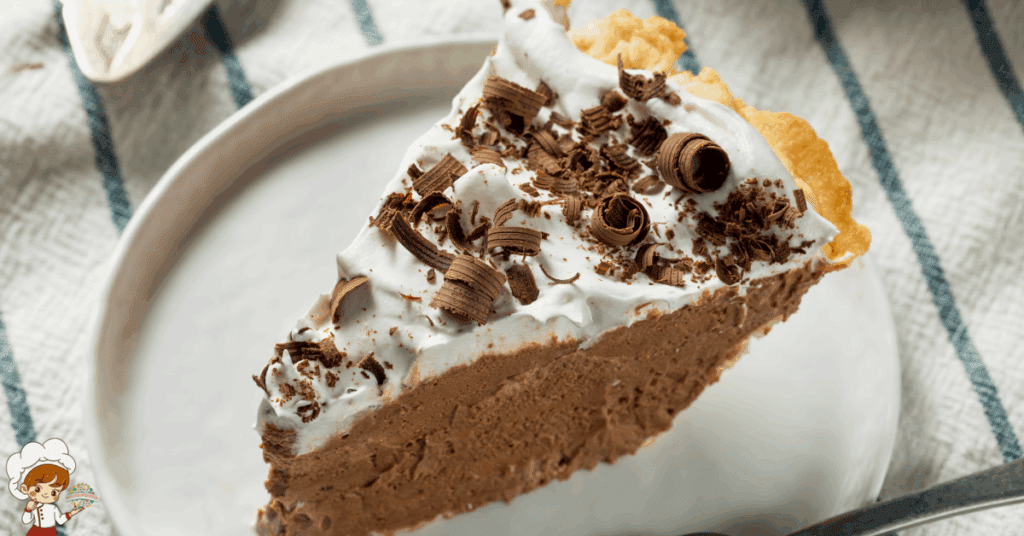
Amazing History and Origin of Chocolate Pie; Few desserts rival the comforting decadence of a chocolate pie. With its creamy filling, flaky or buttery crust, and deep cocoa flavor, chocolate pie is a timeless dessert that has secured its place at countless dinner tables, holiday gatherings, and celebrations. From its early incarnations in European kitchens to its modern-day status as a beloved Southern classic and diner staple, chocolate pie is both simple and luxurious—unpretentious yet elegant.
Understanding the history and origin of chocolate pie reveals a fascinating journey across continents and centuries. It’s a story that combines the global evolution of chocolate with the homegrown traditions of pie-making, resulting in a dessert that is as nostalgic as it is delicious.
The Birth of Chocolate as a Culinary Ingredient
To trace the origin of chocolate pie, we must begin with chocolate itself. Chocolate has a rich and complex history that predates pies by centuries. The cacao plant is native to Central and South America, where it was cultivated by the Olmecs, Mayans, and Aztecs. These ancient civilizations revered cacao, often using it in ceremonial drinks. Unlike modern chocolate desserts, these early versions were unsweetened and spiced, bearing more resemblance to a savory elixir than a sugary treat.
It wasn’t until cacao was introduced to Europe in the 16th century—following the Spanish conquest of the Americas—that chocolate began to transform. The addition of sugar, cinnamon, and milk turned cacao into a sweet beverage favored by European elites. As the Industrial Revolution advanced and chocolate became more accessible to the general public, its use expanded into baked goods and confections.
By the 18th and 19th centuries, chocolate had become a common ingredient in European and American kitchens. However, it was still mostly consumed as a beverage or candy. The idea of incorporating it into pies would not emerge until later.
The Pie: A European and American Staple
Pies, in contrast, have a longer-standing history in European cuisine. The concept of enclosing meat, fruit, or custard in a crust can be traced back to ancient times, with the Romans enjoying various pastry-covered dishes. During the Middle Ages, savory pies were commonplace in England and other parts of Europe. Sweet pies became more prevalent with the introduction of sugar and spices.
When European settlers arrived in the Americas, they brought their pie-making traditions with them. Pies adapted to local ingredients—think pumpkin, apple, and pecan—and became a cornerstone of American baking. By the 19th century, pie was firmly entrenched in American culinary culture, associated with home, hospitality, and abundance.
But what about chocolate pie specifically? That story begins to unfold in the United States in the late 19th and early 20th centuries.
The Fusion: Chocolate Meets Pie
Chocolate pie, as we know it today, is most commonly associated with a creamy chocolate filling—often similar to pudding or custard—encased in a baked pie crust and topped with whipped cream or meringue. This dessert likely evolved from other custard-based pies and puddings, which were popular in the South and Midwest during the late 1800s and early 1900s.
Custard pies were an American favorite, and it didn’t take long for inventive home cooks to begin experimenting with adding chocolate to these recipes. Chocolate pudding was already popular by the early 20th century, thanks to the availability of cocoa powder and chocolate bars. The transition from stovetop pudding to baked pie filling was natural and seamless.
One of the earliest recorded recipes for chocolate pie appeared in community cookbooks and ladies’ auxiliary club pamphlets around the 1920s and 1930s. These recipes featured basic ingredients—cocoa, sugar, milk, eggs, and butter—combined to create a smooth and velvety filling. As refrigeration became more accessible, pies with chilled fillings also became popular, leading to variations like French silk and no-bake chocolate pies.
Southern Roots and Regional Influence
Though chocolate pie is enjoyed nationwide, it holds a special place in Southern culinary tradition. In the South, pies have long been considered the ultimate comfort food, often passed down through generations. Chocolate pie, with its rich texture and unassuming ingredients, fit neatly into this tradition.
Southern chocolate pie recipes often feature simple pantry staples and a deep appreciation for from-scratch preparation. The filling is usually made with cocoa powder rather than baking chocolate, giving it a deep, earthy flavor and a slightly rustic texture. Classic Southern chocolate pie is often baked in a flaky, homemade crust and topped with a billowy meringue, which not only adds contrast in texture but also reflects frugal wartime baking practices when eggs were more plentiful than cream.
Church potlucks, family reunions, and Sunday suppers helped spread the popularity of this dessert throughout the South. Over time, chocolate pie became synonymous with hospitality and family tradition. Every family seemed to have a recipe slightly different from the next, yet all shared the same cozy appeal.
The Role of Convenience Foods in Popularizing Chocolate Pie
Like many other classic American desserts, chocolate pie evolved with the rise of convenience foods. In the 1950s and 1960s, boxed pudding mixes, pre-made pie crusts, and instant whipped toppings made it easier than ever to whip up a quick chocolate pie.
This era saw the rise of no-bake chocolate pie varieties, which could be assembled in minutes and chilled until set. These versions often used cream cheese or gelatin to stabilize the filling and became staples of mid-century potlucks and weeknight dinners.
Despite their convenience, these pies still held the same core appeal: chocolatey richness encased in a comforting crust. The convenience versions may have been less complex in flavor than homemade custard-style pies, but they opened the door to countless variations and maintained the dessert’s popularity well into the 21st century.
The French Silk Twist
Another notable variation is the French Silk Pie, which gained popularity in the mid-20th century. Made with whipped eggs, butter, sugar, and melted chocolate, French Silk Pie is smooth, decadent, and served chilled. Though similar in flavor to traditional chocolate pie, it is denser and silkier, often piped into a graham cracker or pastry crust and topped with whipped cream and chocolate curls.
The French Silk Pie was reportedly introduced to a national audience when a housewife from Iowa submitted the recipe to a Pillsbury Bake-Off contest in 1951. Its luxurious texture and elegant presentation made it an instant favorite, offering a more refined take on the humble chocolate pie.
Chocolate Pie Today: From Diners to Gourmet Menus
Today, chocolate pie exists in countless forms—from diner counters to fine dining menus. In retro-style eateries, you’ll find traditional chocolate meringue pies, served by the slice with a cup of hot coffee. At the same time, upscale restaurants might serve deconstructed chocolate pie with artisan crusts, ganache fillings, and infused creams.
Food bloggers and home bakers have also revived interest in classic chocolate pies, especially those rooted in regional traditions. Social media has given new life to heirloom recipes, and platforms like TikTok and Instagram often showcase nostalgic desserts that resonate across generations.
Whether made with dark chocolate, milk chocolate, or cocoa powder; baked with meringue or served chilled with whipped cream—chocolate pie remains a testament to the enduring power of simple ingredients combined with care.
Chocolate Cream Pie with Whipped Topping and Chocolate Shavings
Ingredients
- For the Crust:
- 1½ cups graham cracker crumbs about 10–12 full crackers
- ¼ cup granulated sugar
- 6 tablespoons unsalted butter melted
- For the Chocolate Filling:
- ¾ cup granulated sugar
- ¼ cup unsweetened cocoa powder
- 3 tablespoons cornstarch
- ¼ teaspoon salt
- 2¾ cups whole milk
- 4 large egg yolks
- 1½ teaspoons vanilla extract
- 4 tablespoons unsalted butter cut into cubes
- 4 ounces semi-sweet or dark chocolate chopped
- For the Whipped Topping:
- 1 cup heavy whipping cream
- 3 tablespoons powdered sugar
- 1 teaspoon vanilla extract
- For Garnish:
- Chocolate shavings or curls from a chocolate bar using a peeler or knife
Instructions
- Prepare the Crust:
- Preheat your oven to 350°F (175°C). In a medium bowl, mix the graham cracker crumbs, sugar, and melted butter until the texture resembles wet sand. Press the mixture firmly and evenly into the bottom and sides of a 9-inch pie pan. Bake for 8–10 minutes or until golden and fragrant. Let cool completely before filling.
- Make the Chocolate Filling:
- In a medium saucepan, whisk together sugar, cocoa powder, cornstarch, and salt. Slowly add the milk while whisking to combine and remove any lumps. Place the saucepan over medium heat.
- Cook the Pudding:
- Stir constantly until the mixture begins to bubble and thicken—this takes about 5–7 minutes. Once bubbling, cook for an additional 1–2 minutes, stirring constantly.
- Temper the Egg Yolks:
- In a small bowl, beat the egg yolks. Slowly add about ½ cup of the hot chocolate mixture to the yolks while whisking quickly to temper them. Pour the egg mixture back into the saucepan and cook for another 2 minutes, stirring constantly, until thick and smooth.
- Finish the Filling:
- Remove from heat and stir in the vanilla, butter, and chopped chocolate. Stir until the butter and chocolate are fully melted and the mixture is silky.
- Fill the Pie:
- Pour the hot chocolate filling into the cooled graham cracker crust. Smooth the top with a spatula. Cover with plastic wrap, pressing it directly onto the surface of the pudding to prevent a skin from forming.
- Chill:
- Refrigerate the pie for at least 4 hours, or preferably overnight, until fully set.
- Make the Whipped Topping:
- In a cold mixing bowl, beat the heavy cream, powdered sugar, and vanilla extract until soft peaks form. Spoon or pipe the whipped cream over the chilled pie.
- Garnish:
- Use a vegetable peeler or sharp knife to shave chocolate curls from a bar of chocolate. Sprinkle generously over the whipped cream topping.
- Serve:
- Slice with a sharp knife (wipe clean between cuts for neat slices) and serve chilled. Store leftovers covered in the refrigerator for up to 3 days.
Frequently Asked Questions: Amazing History and Origin of Chocolate Pie
What is the difference between chocolate pie and chocolate cream pie?
Chocolate pie often refers to a baked chocolate custard pie, while chocolate cream pie typically features a chilled filling, often made with a pudding or custard base, and is not baked after assembly. Both are delicious but differ in texture and preparation.
What kind of chocolate is best for chocolate pie?
It depends on the recipe. Classic Southern versions often use cocoa powder, which provides a deep, slightly bitter flavor. Other variations may use semisweet or dark chocolate for a richer, more luxurious texture.
Can chocolate pie be made ahead of time?
Yes. Chocolate pies often benefit from being made in advance, as the filling needs time to set. You can prepare them a day ahead and store them in the refrigerator.
Why does my chocolate pie filling come out runny?
A runny filling can result from undercooking the custard, not allowing it to chill long enough, or using incorrect ingredient proportions. Be sure to cook the filling until thickened and allow it to set completely before serving.
Can I freeze chocolate pie?
Most chocolate pies freeze well, especially cream or French silk varieties. Wrap tightly in plastic wrap and aluminum foil before freezing. Thaw overnight in the refrigerator before serving.
Is chocolate pie considered a Southern dessert?
Yes, while chocolate pie is enjoyed nationwide, it has deep roots in Southern culinary tradition. Many of the most beloved recipes come from Southern community cookbooks and family traditions.
What toppings go best with chocolate pie?
Popular toppings include whipped cream, meringue, chocolate shavings, or even fresh berries. The topping often depends on the style of the pie and personal preference.
Are there vegan or dairy-free chocolate pie options?
Absolutely. Many modern recipes substitute coconut milk, almond milk, or plant-based butter for traditional dairy. Silken tofu or avocados can also be used to create creamy textures in vegan pies.

Conclusion: A Dessert Rich in Flavor and Tradition
Chocolate pie is more than just a dessert—it’s a symbol of culinary creativity, cultural adaptation, and shared family memories. From its beginnings as a fusion of two beloved elements—chocolate and pie crust—it has blossomed into a versatile and enduring classic that adapts with time while retaining its comforting essence.
The history of chocolate pie mirrors the history of the American kitchen: inventive, practical, resourceful, and rooted in tradition. Its widespread popularity across regions and generations speaks to its universal appeal. Whether served at a holiday feast, enjoyed on a quiet weekday evening, or lovingly made for a friend, chocolate pie delivers joy in every bite.
As food culture continues to evolve, chocolate pie remains a sweet reminder that sometimes, the best recipes are the ones that began with simple ingredients, a little ingenuity, and a whole lot of love.