The Amazing Cherry Pie A Timeless Dessert
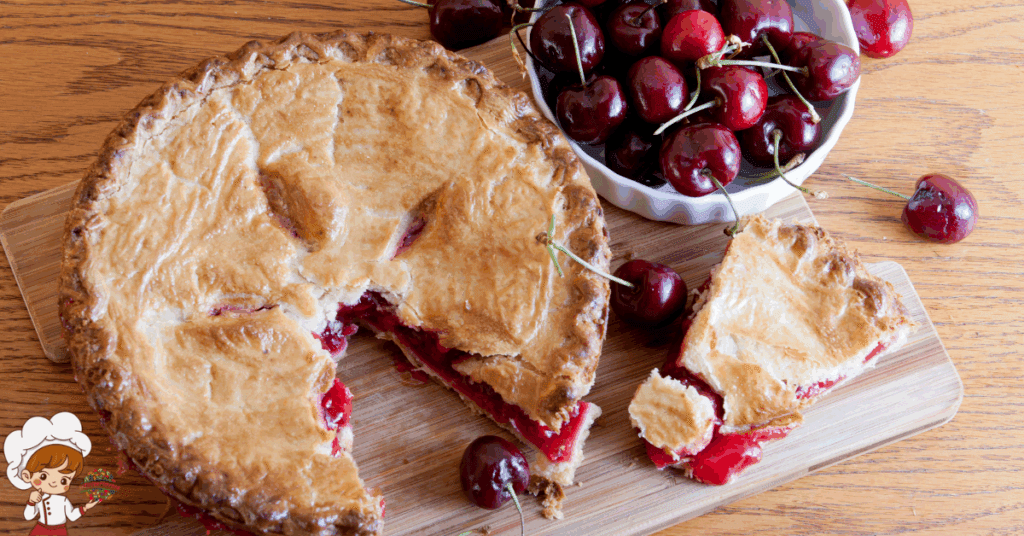
The Amazing Cherry Pie A Timeless Dessert; Cherry pie holds a special place in the hearts of dessert lovers around the world. Its flaky crust, sweet-tart filling, and nostalgic flavors make it more than just a treat—it’s a symbol of comfort, tradition, and celebration. While many people associate cherry pie with American holidays like the Fourth of July or summer picnics, its history stretches back centuries and across continents. To truly appreciate this beloved dessert, it’s important to understand the origins of cherries themselves, the development of pie-making, and how cherry pie became a cultural icon.
In this blog, we will dive deep into the history and evolution of cherry pie, uncovering how it traveled from ancient orchards to modern kitchens, and why it remains one of the most enduring desserts in the world.
We’ve Got Everything You Need to Make Your Masterpiece.
The Ancient History of Cherries and Their Use in Cooking
Long before cherry pies were baked, cherries themselves were prized fruits. Archaeological evidence shows that cherries were consumed as early as the Stone Age. Native to Europe and Asia, cherries were cultivated by the ancient Greeks and Romans. The Roman general Lucullus is credited with bringing cherries from Anatolia (modern-day Turkey) to Rome around 72 BCE.
Cherries quickly became a favorite ingredient in Roman cuisine, appearing in both savory dishes and sweet preserves. The fruit was not only enjoyed fresh but also preserved in wine and honey, foreshadowing its later use in pastries and desserts. The cherry tree spread throughout Europe during the Middle Ages, where monasteries cultivated orchards to supply kitchens with fruit for jams, syrups, and eventually, fillings for early versions of pies.
The Origin of Pie: How Pastry and Fruit Came Together
To understand cherry pie, one must first explore the invention of pie itself. The earliest pies can be traced back to ancient Egypt, where grains and honey were baked into crust-like dishes. The Greeks and Romans expanded on this concept, creating filled pastries often used for savory meats or seafood.
By the Middle Ages in Europe, pie-making had advanced significantly. Crusts, known as “coffyns,” were made from tough, unleavened dough that primarily served as a cooking vessel rather than something meant to be eaten. Over time, however, butter and lard were incorporated, creating flakier crusts that tasted as good as the fillings they held. Fruit pies emerged as sugar became more accessible, with apples, plums, and cherries becoming popular fillings by the 16th century.
The First Recorded Cherry Pies in Europe
The earliest references to cherry pies appear in English cookbooks of the 16th century. Queen Elizabeth I is said to have been particularly fond of cherry pie, helping cement its reputation as a royal dessert. Recipes from the Tudor period highlight the popularity of cherries as a sweet filling, often baked in shortcrust pastry with sugar, spices, and sometimes wine.
Cherries were seasonal and highly anticipated in Europe, making cherry pies a treat reserved for summer feasts. The tartness of the fruit balanced beautifully with the sugar, creating a refreshing yet indulgent dessert. By the 17th and 18th centuries, cherry pies had become a staple of English kitchens and were beginning to spread to the New World.
The Journey of Cherry Pie to America
European settlers brought cherries and pie-making traditions to North America in the 1600s. English colonists established cherry orchards, with the most famous being planted by early American farmers like Peter Stuyvesant in New York and later expanded by pioneers moving west.
By the 18th and 19th centuries, cherry pies became embedded in American food culture. They were especially popular in the Midwest, where cherry orchards flourished due to the region’s fertile soil and cooler climate. Michigan, in particular, became the heart of cherry production in the United States, and to this day, Traverse City is considered the “Cherry Capital of the World.”
American cooks adapted European cherry pie recipes, often adding spices like cinnamon or nutmeg and pairing the pies with whipped cream or vanilla custard. Cherry pie soon became associated with summer harvest celebrations, church socials, and national holidays, symbolizing both abundance and community.
Cherry Pie in American Culture: A Patriotic Symbol
Cherry pie holds a unique place in American culture, tied not just to food traditions but also to symbolism and folklore. The association of cherries with President George Washington—thanks to the apocryphal tale of him chopping down a cherry tree—cemented cherries as a patriotic fruit. While the story may be myth, cherry pie became linked with American identity, celebrated during the Fourth of July and considered a “true American dessert.”
In the 20th century, cherry pie gained additional prominence through its appearances in popular culture. From Norman Rockwell paintings to songs referencing “American as cherry pie,” the dessert became shorthand for wholesome Americana. It was often featured at diners, county fairs, and family gatherings, reinforcing its status as both nostalgic and timeless.
Why Cherry Pie Became a Household Favorite
The rise of cherry pie as a household staple in the 20th century can be attributed to several factors. First, advances in canning and freezing technology made cherries available year-round, no longer limiting pies to the summer harvest. This allowed families to enjoy cherry pie during holidays like Thanksgiving and Christmas as well.
Second, the simplicity of cherry pie recipes made them accessible to home bakers of all skill levels. With just a few basic ingredients—cherries, sugar, flour, and a crust—anyone could create a delicious dessert that pleased a crowd. Lastly, cherry pie’s balance of sweetness and tartness gave it a refreshing quality compared to heavier desserts, making it universally appealing.
We’ve Got Everything You Need to Make Your Masterpiece.
The Global Influence of Cherry Pie
While cherry pie is often considered quintessentially American, variations of cherry-filled pastries exist around the world. In Germany, the Black Forest cake incorporates cherries into its layers of chocolate sponge and cream. In Eastern Europe, cherry-filled dumplings known as vareniki or pierogi are beloved comfort foods. French clafoutis, a baked cherry custard, showcases the fruit in a rustic yet elegant dessert.
These international variations highlight the versatility of cherries and the universal appeal of baking them into sweet treats. However, the classic double-crust cherry pie remains uniquely tied to Anglo-American traditions, where it symbolizes both home-baked comfort and cultural heritage.
The Health and Nutrition of Cherries in Modern Cherry Pie
In recent years, cherry pie has experienced a resurgence thanks to renewed interest in seasonal and farm-to-table cooking. Cherries are now celebrated for their health benefits, being rich in antioxidants, vitamins, and anti-inflammatory compounds. While traditional cherry pie is often indulgent, modern variations seek to balance flavor with nutrition.
Bakers today experiment with whole-grain crusts, reduced sugar fillings, and even vegan alternatives to create cherry pies that align with contemporary health trends. This adaptability has allowed cherry pie to remain relevant in modern kitchens while staying true to its historic roots.
We’ve Got Everything You Need to Make Your Masterpiece.
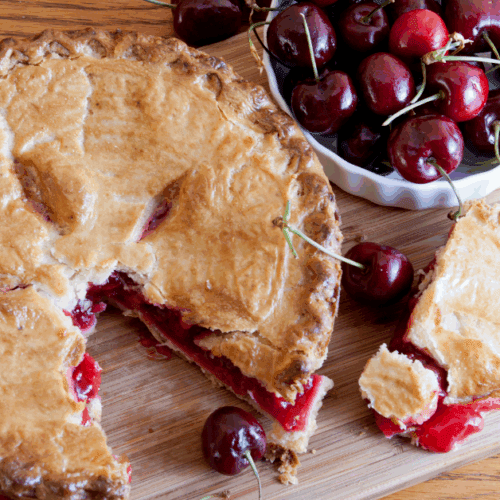
🍒 Classic Homemade Cherry Pie Recipe
Ingredients
- 4 cups fresh or frozen tart cherries pitted
- 1 ¼ cups granulated sugar
- ¼ cup cornstarch
- 1 tablespoon lemon juice
- ½ teaspoon almond extract optional, enhances flavor
- 2 tablespoons unsalted butter cut into small cubes
- 1 package 2 crusts refrigerated pie dough or homemade pie crust
- 1 egg for egg wash
- 1 tablespoon coarse sugar for sprinkling
Instructions
- Prepare the Filling:
- In a large saucepan, combine cherries, sugar, cornstarch, and lemon juice. Cook over medium heat, stirring often, until the mixture thickens and bubbles (about 8–10 minutes). Remove from heat and stir in almond extract if using. Allow to cool slightly.
- Prepare the Pie Crust:
- Preheat oven to 400°F (200°C). Roll out one pie crust and fit it into a 9-inch pie dish, trimming excess dough around the edges.
- Assemble the Pie:
- Pour the cherry filling into the prepared crust. Dot the top with butter pieces. Place the second crust over the filling. You can either cover fully (cutting slits for steam) or create a lattice design. Seal and crimp edges.
- Add Finishing Touches:
- Brush the top crust with beaten egg and sprinkle with coarse sugar for a golden, sparkling finish.
- Bake the Pie:
- Place pie on a baking sheet (to catch drips) and bake for 45–55 minutes, or until the crust is golden brown and the filling is bubbling through the vents.
- Cool & Serve:
- Let the pie cool at least 2 hours before slicing so the filling sets properly. Serve with vanilla ice cream or whipped cream for the perfect finish.
FAQ: The Amazing Cherry Pie A Timeless Dessert
1. Where did cherry pie originate?
Cherry pie originated in Europe, with the earliest recorded recipes appearing in 16th-century England. It became especially popular in Tudor-era kitchens before spreading to the American colonies.
2. Why is cherry pie associated with America?
Although it originated in Europe, cherry pie became deeply connected to American identity through folklore about George Washington and cherry trees, as well as its popularity at American holidays like Independence Day.
3. Who made the first cherry pie?
While it’s difficult to attribute the invention of cherry pie to one person, Queen Elizabeth I’s court helped popularize the dessert in England during the 1500s.
4. Why is Michigan famous for cherry pie?
Michigan produces about 75% of the tart cherries grown in the United States. Traverse City, Michigan, hosts an annual Cherry Festival celebrating the fruit and the pies made from it.
5. How did cherry pie become popular in diners?
During the 20th century, cherry pie became a fixture of American diners thanks to its simplicity, wide appeal, and strong cultural symbolism as a wholesome, classic dessert.
6. Are cherry pies always sweet?
Traditional cherry pies are sweetened with sugar to balance the tartness of cherries, but historically, cherries were also used in savory meat pies.
7. What makes cherry pie unique compared to other fruit pies?
Cherry pie stands out for its balance of sweet and tart flavors, vibrant red filling, and strong cultural symbolism, especially in the United States.

Conclusion: The Enduring Legacy of Cherry Pie
Cherry pie is more than just a dessert—it is a story of history, migration, and cultural identity baked into a flaky crust. From the orchards of ancient Rome to the tables of Tudor England, and eventually to the farms and diners of America, cherry pie has traveled through time while retaining its universal charm.
Its association with patriotism, family traditions, and summertime celebrations ensures that cherry pie remains a cornerstone of dessert culture. Even as modern bakers reinvent it for health-conscious eaters, the core appeal of cherry pie—its nostalgic sweetness and comforting presence—remains unchanged.
When we enjoy a slice of cherry pie today, we are not only indulging in a delicious treat but also partaking in a centuries-old tradition that connects us to generations past. That is the true legacy of cherry pie: a dessert that continues to bring joy, comfort, and togetherness to every table it graces.