14 Of The Best Must-Try Turkish Soups And Stews
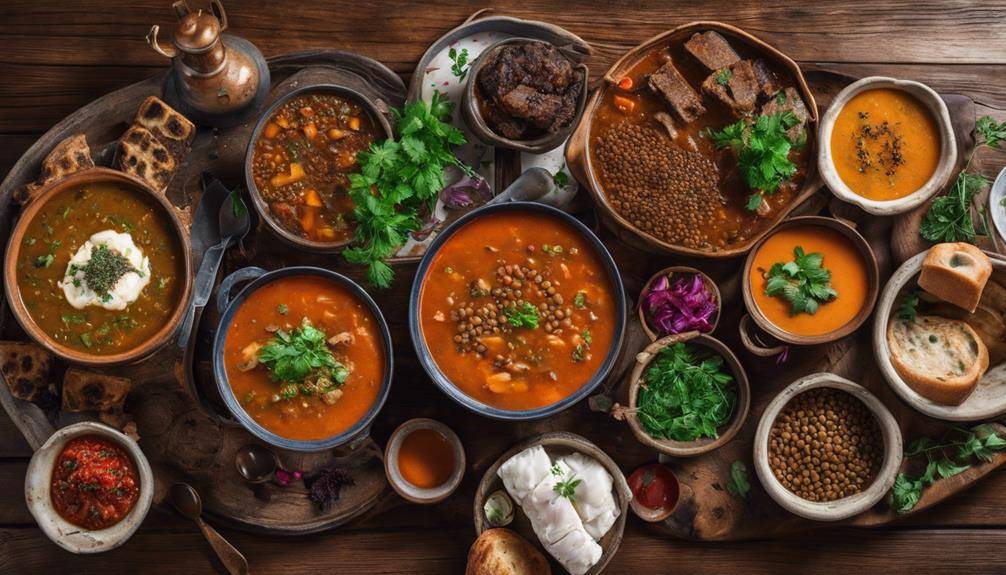
The Best Must-Try Turkish Soups And Stews; If you’re looking to explore Turkish cuisine, you can’t miss these 14 must-try soups and stews. Start with Mercimek Çorbası, a comforting lentil soup. Don’t forget Tarator, a revitalizing cold yogurt soup that symbolizes hospitality. For something heartier, try İskender Kebabı Çorbası, which captures the flavors of the beloved kebab. Also, Yayla Çorbası serves creamy goodness with yogurt and rice. You’ll find Sulu Köfte, a meatball stew, and Kuzu Tandırı, tender lamb made to perfection. Each dish offers a unique taste of Turkey’s culinary heritage. You’ll want to discover every delicious detail!
Mercimek Çorbası
Mercimek Çorbası, or lentil soup, is a beloved staple in Turkish cuisine that warms both the body and soul. You’ll find it on tables throughout Turkey, showcasing the rich cultural heritage tied to this dish. Made primarily from red lentils, it’s not just comforting but also packed with lentil nutrition, offering a healthy source of protein, fiber, and vitamins.
When you immerse yourself in traditional recipes, you’ll notice variations that reflect regional flavors. Some regions might add spices like cumin or paprika, while others may incorporate vegetables like carrots and potatoes. This flexibility in soup variations means you can adapt the recipe to suit your taste or dietary needs. If you’re looking for vegetarian options, rest assured that Mercimek Çorbası is naturally plant-based, making it a perfect choice for all.
Exploring different cooking techniques can elevate your lentil soup experience. You might choose to simmer the ingredients for hours, allowing the flavors to meld, or opt for a quick blend for a smoother texture. Each method creates a unique taste profile, reminding you of the rich tapestry of Turkish cuisine.
Tarator
Now, let’s talk about tarator, a revitalizing dish that’s often a hit at Turkish tables. You’ll find it’s made from simple ingredients like yogurt, garlic, and cucumbers, but each family has its own twist. Understanding its preparation and cultural significance can really enhance your appreciation for this beloved dish.
Ingredients and Preparation Steps
Tarator, a rejuvenating cold soup, relies on a simple yet flavorful blend of ingredients that come together to create a delightful dish. To prepare this invigorating soup, you’ll need yogurt, finely chopped cucumbers, garlic, walnuts, and olive oil. Some regional variations might include adding fresh herbs like dill or mint for an extra pop of flavor.
Begin by finely chopping the cucumbers and mincing the garlic. If you’re using walnuts, you can chop them coarsely or grind them into a paste, depending on your preference. In a large mixing bowl, combine the yogurt with the chopped cucumbers, garlic, and walnuts. Drizzle in a generous amount of olive oil and mix thoroughly.
For an added depth of flavor, sprinkle in some spice blends, such as cumin or paprika, according to your taste. Adjust the consistency by adding cold water until you achieve your desired thickness. Finally, chill the soup in the refrigerator for at least 30 minutes before serving. This allows the flavors to meld beautifully, making your tarator a revitalizing dish that’s perfect for hot days or as a side to a hearty meal. Enjoy!
Cultural Significance of Tarator
In Turkish cuisine, Tarator stands out not just for its revitalizing taste, but also for its cultural significance. This dish, often made from yogurt, walnuts, garlic, and olive oil, has deep historical origins that trace back to the Ottoman Empire. You’ll find that it symbolizes hospitality and is frequently served as an appetizer during gatherings and celebrations.
As you explore Tarator, you’ll notice its regional variations throughout Turkey. In coastal areas, you might encounter a seafood twist, while in other regions, it may be made with various vegetables. Each version tells a story, reflecting local ingredients and culinary traditions.
Enjoying Tarator isn’t just about the flavors; it’s about connecting with the rich tapestry of Turkish culture. Whether it’s a family feast or a simple meal, this dish brings people together, showcasing the importance of shared experiences around the table.
Kuzu Tandır
Embracing the rich flavors of Turkish cuisine, Kuzu Tandı r stands out as a beloved dish that showcases tender lamb cooked to perfection. This traditional dish utilizes slow-cooking techniques, allowing the meat to absorb a symphony of spices and aromatics. When you prepare Kuzu Tandı r, you’ll appreciate the careful balance of flavor profiles that make it so unique.
You start by seasoning the lamb with a mix of garlic, thyme, and other spices, letting it marinate for a few hours. This step is essential; it enhances the meat’s natural flavors and allows the spices to penetrate deeply. Once marinated, you’ll brown the lamb in a pot to develop a rich crust, sealing in the juices. Then, you add a mixture of vegetables like onions and carrots, which not only enrich the dish but also contribute their own flavors during the cooking process.
The cooking technique involves low and slow roasting, often in a covered pot or clay dish. This method guarantees that the lamb becomes fork-tender while retaining its moisture. The long cooking time allows the flavors to meld beautifully, resulting in a hearty, satisfying dish that warms the soul.
When you serve Kuzu Tandı r, it’s often accompanied by a side of rice or fresh bread, making it a complete meal. Each savory bite brings the essence of Turkish culinary tradition to your table, inviting you to savor every moment.
İskender Kebabı Çorbası
Transforming the beloved flavors of İskender Kebab into a delightful soup, İskender Kebabı Çorbası offers a unique twist on this classic dish. As you immerse yourself in this rich and savory soup, you’ll experience the essence of traditional Turkish flavors that make it a standout in Turkish cuisine. The combination of tender meat, aromatic spices, and a velvety broth showcases the culinary artistry that has been passed down through generations.
The history of soup in Turkey is deeply rooted, often reflecting the culture and lifestyle of its people. İskender Kebabı Çorbası is an excellent example of how a popular dish can be reimagined, maintaining its identity while offering a comforting alternative. You’ll find that this soup retains the signature elements of İskender Kebab—juicy lamb, tangy tomato sauce, and a drizzle of melted butter—blending them seamlessly into a warm, hearty bowl.
To prepare this delicious soup, you’ll typically start with a base of broth, infused with spices like cumin and paprika. The meat is carefully cooked until it’s tender, then shredded and added to the mix. A dollop of yogurt on top adds creaminess, balancing the flavors beautifully. When you serve it, consider pairing it with crusty bread to soak up the delicious broth.
Yayla Çorbası
When you explore Yayla Çorbası, you’ll discover its key ingredients like yogurt and rice that create a unique flavor profile. Understanding the cooking methods will help you achieve that perfect creamy texture. Plus, you’ll find plenty of serving suggestions to elevate your dining experience.
Key Ingredients Overview
Exploring the key ingredients of Yayla Çorbası reveals a delightful blend of flavors and textures that make this Turkish soup a favorite. Central to the recipe is yogurt, which not only adds creaminess but also provides numerous health benefits, such as probiotics for digestive health. You’ll often find rice or bulgur as the base, offering a hearty foundation.
Turkish spices play a significant role in enhancing the soup’s flavor. Commonly, you’ll encounter mint, paprika, and black pepper, which contribute to its aromatic profile. This soup has several variations, influenced by regional ingredients and cultural traditions, allowing you to experiment based on what’s available.
Seasonal ingredients also shine in Yayla Çorbası. Fresh herbs like parsley and dill can elevate the dish, giving it a vibrant touch. When preparing the soup, you can use various cooking techniques, from simmering to blending, depending on the desired texture.
Ultimately, Yayla Çorbası is more than just a dish; it’s a reflection of Turkey’s rich culinary heritage, showcasing how simple ingredients can come together to create something truly satisfying.
Cooking Method Insights
Typically, you’ll start by preparing the base of Yayla Çorbası with a simple yet effective method. Begin by cooking rice or bulgur in water or broth until tender. This foundational step creates the richness you want in your soup varieties. Next, you’ll whisk together yogurt, egg, and a bit of flour to form a creamy mixture that adds depth to the flavor profiles.
As you combine the yogurt mixture with your broth, remember to do this gradually to avoid curdling. Utilizing various cooking techniques, such as simmering and stirring, helps blend the ingredients harmoniously. Depending on regional differences, you might find variations in spices; mint and lemon are common additions that brighten the dish.
If you’re out of some ingredients, ingredient substitutions like using cornstarch instead of flour can work well. As for preparation tips, make sure you taste as you go, adjusting seasonings to your preference. This soup pairs beautifully with crusty bread or a fresh salad, making it a versatile choice for any meal. Enjoy the comforting warmth of Yayla Çorbası as you explore its rich culinary heritage!
Serving Suggestions Ideas
Yayla Çorbası is a delightful soup that can be enjoyed in various ways, making it a versatile addition to your dining table. To elevate this dish, consider various garnish options. A sprinkle of fresh mint or parsley adds a burst of color and flavor, while a squeeze of lemon brightens the entire bowl. You might also try a drizzle of olive oil for a richer taste.
When it comes to bread pairings, you can’t go wrong with crusty bread like pide or lavash. These breads are perfect for dipping and will soak up the delicious broth. If you’re feeling adventurous, serve your Yayla Çorbası with a side of stuffed grape leaves or a simple salad of tomatoes and cucumbers to create a well-rounded meal.
For a heartier experience, consider adding grilled chicken or chickpeas on top, giving your soup a protein boost. Whatever you choose, these serving suggestions will guarantee your Yayla Çorbası shines at your table. Enjoy this comforting dish with friends and family, and watch as it warms hearts and appetites alike!
Domates Çorbası
Domates çorbası, or tomato soup, is a beloved staple in Turkish cuisine that warms both the body and spirit. With its rich, comforting flavors, this dish has a special place in many homes across Turkey. You’ll often find it served as a starter or a light meal, and it’s perfect for any time of the year.
One of the great things about domates çorbası is its traditional variations. You might come across recipes that include ingredients like rice, lentils, or even a splash of lemon juice for added zing. Each family has its unique twist, so don’t hesitate to experiment and find your favorite version. Some might prefer a creamy texture, while others enjoy a chunkier consistency with fresh herbs sprinkled on top.
Beyond its delicious taste, domates çorbası is packed with health benefits. Tomatoes are rich in antioxidants, vitamins, and minerals, which can boost your immune system and improve heart health. Plus, the soup is often low in calories, making it a great option for a light yet satisfying meal.
When you make or enjoy domates çorbası, you’re not just savoring a bowl of soup; you’re experiencing a piece of Turkish culture that values both flavor and nourishment. So, whether you’re new to Turkish cuisine or a seasoned fan, this soup is a must-try that you won’t want to miss.
Kısır
When you think of Kısır, you’re encountering a vibrant Turkish bulgur salad packed with fresh ingredients. Its preparation methods vary, but you’ll always find a blend of flavors that reflects cultural significance in Turkish cuisine. Let’s explore the key ingredients and the unique variations that make this dish a favorite at gatherings.
Ingredients and Preparation Methods
Kısır, a vibrant Turkish salad, is primarily made with bulgur, finely chopped vegetables, and a medley of fresh herbs. To prepare it, start by soaking the bulgur in hot water until it softens. This usually takes about 15-20 minutes. Once softened, drain any excess water and transfer it to a large mixing bowl.
Next, chop your choice of vegetables such as tomatoes, cucumbers, and green onions, and add them to the bulgur. Fresh herbs like parsley and mint are essential, giving the salad its bright flavor. For seasoning, mix in traditional spices such as cumin and red pepper flakes, adjusting to your taste.
Don’t forget to dress your kısır with a generous amount of olive oil and freshly squeezed lemon juice. This not only enhances the flavors but also brings all the components together.
You can also explore regional variations by adding ingredients like pomegranate molasses for sweetness or walnuts for crunch. Each region in Turkey offers its unique twist, making kısır a versatile dish that reflects local tastes while retaining its core essence. Enjoy this invigorating salad as a side dish or a light meal!
Cultural Significance and Variations
The vibrant colors and fresh ingredients of kısır reflect its rich cultural significance in Turkish cuisine. This bulgur-based salad isn’t just a dish; it’s a representation of communal gatherings and family celebrations. You’ll often find kısır at weddings, picnics, and festive occasions, showcasing the importance of sharing food in Turkish culture.
As you explore kısır, you’ll discover various regional variations that highlight local ingredients and preferences. In southern Turkey, for instance, you might encounter a spicier version, while in the west, it could be prepared with more herbs and lemon juice. Each region adds its own twist, allowing you to experience the diverse culinary landscape of Turkey.
Kısır also embodies the essence of cultural traditions. It’s a dish that’s easy to prepare, making it a staple for home cooks and a favorite among street vendors. When you enjoy kısır, you’re not just tasting a meal; you’re participating in a legacy that has been passed down through generations. So, next time you savor this dish, appreciate the rich cultural tapestry it represents, connecting you to the heart of Turkish hospitality.
Pide Çorbası
Pide Çorbası, a delightful Turkish soup, combines the rich flavors of traditional pide with a comforting broth. When you take a spoonful, you’ll experience the essence of pide history, which dates back centuries as a beloved staple in Turkish cuisine. Originally, pide was a simple flatbread topped with various ingredients, evolving into countless variations over time, each region adding its own twist.
In this soup, the essence of pide shines through as you savor the tender pieces of bread immersed in a flavorful broth. Chefs often include ingredients like minced meat, vegetables, and spices, reflecting the diverse pide variations that exist across Turkey. Whether you prefer the classic ground lamb or a vegetarian version with fresh herbs, you’ll find that each bowl offers a unique taste experience.
What makes Pide Çorbası particularly special is its ability to warm you from the inside out, making it perfect for chilly days or cozy gatherings. The broth, infused with aromatic spices, complements the soft bread, creating a delightful harmony of textures and flavors.
You might also notice that Pide Çorbası is often served with a drizzle of olive oil or a sprinkle of fresh herbs, enhancing its aroma and presentation. So, when you’re seeking a comforting meal that showcases the essence of Turkish culinary culture, give Pide Çorbası a try. You won’t be disappointed by this delicious fusion of flavors.
Biber Dolması
After enjoying a comforting bowl of Pide Çorbası, you might find yourself craving another classic Turkish dish: Biber Dolması. This delightful stuffed pepper dish is a true favorite, showcasing the rich flavors of Turkish cuisine. You’ll find that Biber Dolması features bell peppers filled with a savory mixture of rice, ground meat, onions, and a blend of aromatic spices. It’s a dish that’s both hearty and satisfying, perfect for any meal.
When it comes to traditional recipes, you can’t go wrong with the classic combination of tomato paste and fresh herbs like parsley and dill. These ingredients not only enhance the flavor but also give the dish its vibrant color. While you can easily follow a traditional recipe, don’t hesitate to explore regional variations. For instance, in some areas, you might find Biber Dolması made with eggplant or zucchini instead of bell peppers, or even a vegetarian version packed with lentils and spices.
Cooking Biber Dolması is a rewarding experience. As you prepare the filling and stuff the peppers, you’ll feel a connection to the time-honored methods passed down through generations. Once baked, the peppers become tender, and the flavors meld beautifully. Serve them warm, drizzled with a touch of olive oil or a dollop of yogurt, and you’ve got a dish that’s sure to impress. So, roll up your sleeves and give Biber Dolması a try; it’s a taste of Turkey you won’t want to miss!
Balık Çorbası
For seafood lovers, Balık Çorbası is a must-try dish that embodies the essence of Turkish cuisine. This flavorful fish soup showcases the richness of Turkish seafood and reflects the country’s coastal heritage. You’ll find that Balık Çorbası isn’t just a meal; it’s an experience that brings together fresh ingredients and time-honored traditions.
You can make Balık Çorbası using various types of fish, but white fish like sea bass or bream are popular choices. The fish is simmered with aromatic vegetables like carrots, onions, and celery, creating a wholesome broth that bursts with flavor. Many traditional recipes call for adding tomatoes and a splash of lemon juice, giving the soup a delightful tang that complements the fish beautifully.
As you prepare this dish, you’ll appreciate the simplicity and elegance of the ingredients. It’s often seasoned with herbs like dill and parsley, which enhance the overall taste without overpowering the delicate flavor of the fish. Balık Çorbası is typically served hot, garnished with fresh herbs and a drizzle of olive oil.
When you savor this soup, you’re not just enjoying a delicious meal; you’re also indulging in a piece of Turkish culture. So, whether you’re at a seaside restaurant or trying your hand at making it at home, don’t miss out on the chance to experience the warm, comforting flavors of Balık Çorbası.
Sulu Köfte
One dish that stands out in Turkish cuisine is Sulu Köfte, a delightful meatball stew that warms the heart and satisfies the palate. This comforting dish features tender meatballs simmered in a flavorful broth, often enriched with vegetables. You’ll find it’s a staple in many households, perfect for family gatherings or a cozy dinner.
Sulu köfte has a rich history, dating back to the Ottoman Empire, where it was enjoyed by both royalty and common folk alike. Over the years, this dish has evolved, resulting in various sulu köfte variations that showcase different ingredients and regional flavors. Some versions incorporate rice or bulgur, while others add beans or lentils for an extra layer of heartiness. The spices and herbs can also vary, with cumin, parsley, and mint being popular choices.
When you prepare sulu köfte, you’re not just making a meal; you’re partaking in a tradition that has been cherished for generations. The process of crafting the meatballs, seasoned to perfection, and allowing them to cook gently in a savory broth creates an experience that’s both satisfying and joyous. Whether you choose to stick to a classic recipe or experiment with your own twists, sulu köfte is a dish that promises to bring warmth and comfort to your table, no matter the occasion. So, why not give it a try and indulge in this delightful Turkish stew?
Kumpir
Kumpir is another beloved dish in Turkish cuisine that showcases the country’s culinary creativity. Originating from the streets of Istanbul, this dish has a rich history that dates back to the late 20th century when it became popular among locals and tourists alike. It features a baked potato that’s expertly cooked until the skin is crisp and the inside is fluffy and warm. You can imagine the anticipation as you watch vendors skillfully prepare this indulgent meal.
To make your Kumpir truly special, you’ll want to explore the wide array of Kumpir toppings available. Traditional options include butter and cheese mixed into the potato, creating a creamy base that’s simply irresistible. From there, the possibilities are nearly endless. You can choose from a variety of toppings like tangy pickles, fresh vegetables, spicy sausages, and even savory sauces. Some people love adding corn, olives, or even grilled chicken to elevate the flavor.
No matter how you personalize your Kumpir, each bite offers a delightful explosion of taste and texture. The combination of the soft, fluffy potato with the vibrant toppings makes for a satisfying meal that’s perfect for any time of day. Whether you enjoy it as a quick lunch or a late-night snack, Kumpir is a must-try dish that represents the essence of Turkish street food. So, the next time you find yourself in Turkey, don’t miss out on this delicious experience!
Hünkar Beğendi
Hünkar Beğendi is a remarkable dish that showcases the depth of flavor found in Turkish cuisine. This exquisite meal translates to “the Sultan liked it,” hinting at its regal history. Originating from the Ottoman Empire, it was traditionally served to sultans and dignitaries, highlighting its royal roots. You’ll find that it combines tender lamb or beef stew with a creamy, smoky eggplant purée, making each bite a delightful experience.
As you explore Hünkar Beğendi, you’ll discover various regional variations that reflect local tastes and ingredients. In some areas, chefs might add spices like cumin or cinnamon to the meat, enhancing the dish’s aroma. Others may use different types of meat, such as chicken or even seafood, to create unique interpretations. The eggplant puree can also be modified; some cooks prefer a lighter consistency, while others may opt for a richer, thicker texture.
When you try Hünkar Beğendi, you’re not just tasting a meal; you’re indulging in a piece of history. Each forkful tells a story of Ottoman culinary traditions and the flavors that have evolved over centuries. Don’t hesitate to pair it with fresh bread or rice to soak up the delicious sauce. Whether you enjoy a classic version or one with a twist, Hünkar Beğendi will certainly leave a lasting impression on your palate and deepen your appreciation for Turkish cuisine.
Zeytinyağlı Enginar
When you think about Zeytinyağlı Enginar, you’re in for a treat with its fresh ingredients and simple preparation steps. Not only is this dish delicious, but it also offers impressive health benefits thanks to artichokes. Let’s explore how to serve it and what pairings work best to enhance your meal.
Ingredients and Preparation Steps
To prepare Zeytinyağlı Enginar, you’ll need fresh artichokes as the star of the dish, complemented by a few simple ingredients that enhance their natural flavor. Gather about four medium-sized artichokes, a cup of olive oil, two medium onions, a few cloves of garlic, and the juice of one lemon. You’ll also need a pinch of salt, and optionally, some sugar to balance the acidity.
Start by cleaning the artichokes, removing the tough outer leaves, and cutting the tips. As you do this, toss them in lemon juice to prevent browning. In a pot, heat the olive oil and sauté the chopped onions and minced garlic until they’re soft. Add the artichokes, salt, and sugar, stirring gently to combine. Pour enough water to cover the artichokes, bringing it to a simmer.
Spice variations can elevate the dish; consider adding dill or parsley for freshness. Depending on regional influences, you might even add a touch of paprika or cumin for warmth. Cook until the artichokes are tender, and serve warm or at room temperature, letting the flavors meld beautifully. Enjoy this delightful, wholesome dish!
Health Benefits of Artichokes
Artichokes are not just a delicious addition to dishes like Zeytinyağlı Enginar; they also pack a powerful nutritional punch. When you indulge in this vibrant vegetable, you’re reaping numerous artichoke benefits. For starters, artichokes are rich in antioxidants, which help combat free radicals in your body. This means they can support your overall health and may even lower the risk of chronic diseases.
You’ll also find that artichokes are high in fiber. This not only aids digestion but can also help you feel fuller for longer, making it easier to maintain a healthy weight. Additionally, they’re a good source of vitamins C and K, which are essential for your immune function and bone health.
Incorporating artichoke recipes into your diet is simple and rewarding. Whether you enjoy them steamed, roasted, or in a savory stew, the versatility of artichokes allows you to explore various flavors while boosting your nutrition. So, the next time you prepare a meal featuring artichokes, know that you’re doing your body a favor by enjoying a tasty yet healthful ingredient.
Serving Suggestions and Pairings
Zeytinyağlı Enginar, with its tender artichokes and vibrant flavors, pairs beautifully with a variety of sides and beverages. To enhance your meal, consider serving it alongside a revitalizing yogurt salad, which balances the dish’s richness. You could also opt for a side of rice pilaf, infused with Turkish spices, to soak up the delicious sauce.
When it comes to garnish options, fresh dill or parsley can add a pop of color and a burst of flavor. A squeeze of lemon right before serving brightens the dish and complements the artichokes perfectly. If you’re feeling adventurous, sprinkle some sumac for a tangy twist that elevates the overall taste.
For beverages, a glass of chilled ayran, a traditional yogurt drink, can be a fantastic accompaniment, providing a creamy contrast to the meal. Alternatively, serve it with a light white wine that won’t overshadow the delicate flavors of the Zeytinyağlı Enginar. This combination of sides and drinks will transform your meal into a delightful experience, showcasing the best of Turkish cuisine. Enjoy!
Frequently Asked Questions: The Best Must-Try Turkish Soups And Stews
What Are the Key Ingredients in Turkish Soups and Stews?
When you explore Turkish soups and stews, you’ll find key ingredients like Turkish spices, common vegetables such as carrots and potatoes, and sometimes legumes. These elements create a rich, flavorful base for delicious dishes.
Can Turkish Soups Be Made Vegetarian or Vegan?
Absolutely, you can make Turkish soups vegetarian or vegan! Turkish lentil soup is a fantastic option, and you can explore various vegetable variations to create delicious, hearty dishes that everyone will enjoy.
How Can I Adjust the Spice Levels in These Dishes?
To adjust spice levels, taste as you go. You can add spices gradually for a balanced flavor enhancement. If it’s too spicy, incorporate dairy or sweet elements to mellow the heat without losing depth.
What Bread Pairs Well With Turkish Soups and Stews?
When you enjoy Turkish soups and stews, consider traditional accompaniments like pide or lavash. These breads vary regionally, so exploring different types can enhance your meal and complement the rich flavors of the dishes.
How Should I Store Leftover Turkish Soups?
To store leftover soups, let them cool, then transfer to airtight containers. Refrigerate for up to three days or freeze for longer. When reheating, make certain it reaches a simmer for safe consumption.

Conclusion
Now that you’ve discovered these 14 must-try Turkish soups and stews, it’s time to get cooking! Each dish offers a unique taste of Turkey’s rich culinary heritage, perfect for warming your soul. Whether you’re craving a comforting bowl of mercimek çorbası or the hearty flavors of kuzu tandır, you can’t go wrong. So, gather your ingredients, invite some friends over, and enjoy a delightful Turkish feast that’ll leave everyone asking for seconds! Happy cooking!