The History and Origin of Simple Egg and Yeast Bread
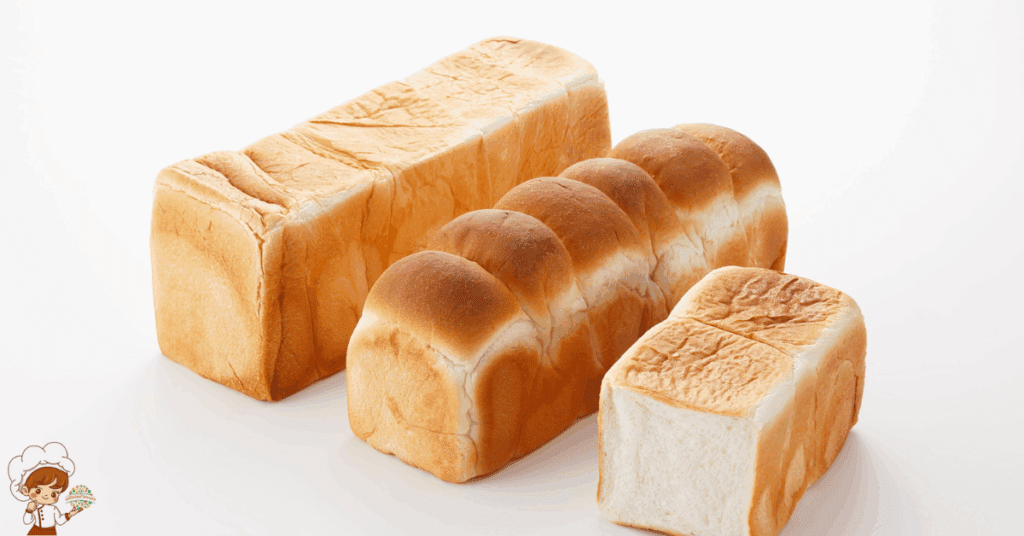
Origin of Simple Egg and Yeast Bread; Few foods capture the essence of comfort and tradition quite like a warm loaf of bread. Simple egg and yeast bread, with its golden crust and rich, tender crumb, is one of humanity’s oldest and most beloved baked creations. Blending just a handful of humble ingredients—flour, yeast, eggs, and water—this bread represents both nourishment and craftsmanship, a product of thousands of years of culinary evolution. From ancient civilizations discovering fermentation to modern bakers perfecting the art of softness and rise, the story of simple egg and yeast bread is a journey through time, culture, and innovation.
The Ancient Origins of Yeast Bread
To understand the roots of egg and yeast bread, we must first explore the foundation of all leavened breads—yeast. Yeast bread has been around for over 6,000 years, originating in ancient Egypt. Early bakers discovered that when flour and water were left out in warm air, natural yeasts caused the dough to bubble and rise. This accidental fermentation led to lighter, airier bread, a delightful contrast to the dense, unleavened flatbreads of earlier societies.
The Egyptians quickly mastered this process, becoming the world’s first leavened bread bakers. They used wild yeast captured from the air or cultivated from fermenting beer, making yeast-based doughs that became staples of daily life. Bread held spiritual and social importance—it was even placed in tombs for the afterlife. From Egypt, the practice of baking yeast bread spread throughout ancient Greece, Rome, and beyond, evolving as different cultures adapted the process using their local grains and ingredients.
How Eggs Found Their Way Into Bread
While yeast gave bread its rise, eggs introduced richness, tenderness, and golden color. The inclusion of eggs in bread dates back to the Middle Ages, when poultry farming became more widespread in Europe. Eggs were prized for their versatility and high nutritional value, often used in festive or enriched doughs for special occasions.
In medieval monasteries, monks began experimenting with adding eggs to bread dough to create softer, more luxurious loaves. These breads were reserved for holidays and feasts, such as Easter and Christmas, where their golden hue symbolized abundance and celebration.
Over time, this practice spread throughout Europe. Enriched breads like brioche in France and challah in Jewish traditions became cherished cultural symbols. Simple egg and yeast bread evolved from these early enriched doughs—less decadent than brioche but more tender than plain white bread. It bridged the gap between everyday sustenance and festive luxury, earning its place as a timeless staple.
The Evolution of Egg and Yeast Bread in Europe
As breadmaking techniques advanced, so did the art of using eggs and yeast in harmony. By the Renaissance, European bakers had refined the fermentation process, learning to control yeast activity through temperature and timing. The introduction of commercial yeast in the 19th century made baking even more reliable, and enriched breads became accessible to more households.
In France, brioche emerged as a hallmark of elegance—a rich dough combining eggs, butter, and yeast. In Italy, panettone and colomba pasquale showcased similar ingredients, often with added fruit and sugar. In Eastern Europe, egg breads like kulich and paska became integral to Easter celebrations, symbolizing rebirth and prosperity.
Yet the “simple” egg and yeast bread—the humble cousin of these luxurious loaves—remained a staple in home kitchens. Without the excess of sugar or butter, it maintained a delicate balance: hearty enough for daily use but soft and flavorful enough for special meals. This versatility helped the bread endure as a favorite across generations.
The Role of Yeast in Bread’s Transformation
Yeast is the heart of any leavened bread, and its discovery transformed human nutrition and culinary tradition. For centuries, bakers relied on natural leavening—wild yeasts present in flour and the environment. The 19th century brought a breakthrough with the invention of commercial baker’s yeast, which allowed for consistent results and faster fermentation.
This innovation revolutionized breadmaking, making egg and yeast breads easier to prepare at home. The once time-consuming process of cultivating wild starters was replaced by reliable, store-bought yeast, democratizing the art of breadmaking.
The relationship between yeast and eggs is more than chemical—it’s textural and sensory. Yeast provides the rise, creating air pockets that give bread its soft, fluffy interior. Eggs, in turn, enrich the dough, adding protein for structure, emulsifiers for smooth texture, and fats for flavor. Together, they produce the signature golden-brown crust and pillowy crumb that make simple egg and yeast bread irresistible.
Simple Egg and Yeast Bread in American History
When European immigrants came to the United States, they brought their breadmaking traditions with them. Egg and yeast breads became central to American kitchens, blending Old World recipes with New World ingredients.
In the 19th and early 20th centuries, as ovens became more common in homes, breadmaking shifted from communal bakeries to family kitchens. Women took pride in crafting loaves that symbolized warmth, care, and sustenance. Cookbooks from the late 1800s began including recipes for “enriched white bread” or “egg bread,” emphasizing both simplicity and nutrition.
During the Great Depression and wartime years, these breads offered a way to make simple ingredients stretch further. Eggs added richness when milk or butter was scarce, and yeast provided a satisfying rise even with limited supplies. After World War II, the popularity of home baking surged again, and egg-based yeast breads found their place on American tables as a comfort food symbol of family and resilience.
The Science Behind Perfect Simple Egg and Yeast Bread
Understanding the chemistry behind this bread enhances its appreciation. When yeast ferments, it consumes sugars in the dough and releases carbon dioxide and ethanol. This gas creates bubbles that cause the dough to rise. The protein structure of eggs helps stabilize these air pockets, while their fats and lecithin create tenderness and moisture.
Egg yolks also contribute color through carotenoids, giving the bread its golden hue. Meanwhile, proteins from the egg whites strengthen the gluten network, allowing for a well-structured crumb. This balance of science and artistry is what makes simple egg and yeast bread stand out among other loaves—it’s both soft and sturdy, rich yet simple.
Cultural Significance of Egg and Yeast Bread Around the World
While the “simple” version has universal appeal, egg and yeast breads hold special cultural meanings in many regions.
- France: Brioche is a symbol of celebration and luxury, often enjoyed during holidays.
- Italy: Panettone, made with eggs, yeast, and fruit, is a Christmas staple.
- Jewish Tradition: Challah represents unity and blessing, served on the Sabbath and festivals.
- Eastern Europe: Paska and kulich are Easter breads symbolizing new life and faith.
These enriched breads share a common lineage with simple egg and yeast bread, each variation expressing regional flavors, beliefs, and customs.
The Timeless Appeal of Simple Egg and Yeast Bread
There’s a reason this bread remains a favorite across generations: it’s both comforting and adaptable. Its mild flavor pairs perfectly with sweet or savory dishes—ideal for breakfast toast, sandwiches, or dinner rolls. The inclusion of eggs elevates its texture and nutritional value without complicating the process.
For many home bakers, simple egg and yeast bread is a gateway to breadmaking. It offers the satisfaction of creating something from scratch while embodying centuries of culinary tradition. Its aroma evokes nostalgia; its taste, a sense of home.
The Modern Resurgence of Homemade Egg and Yeast Bread
In recent years, there’s been a revival of traditional breadmaking. As people seek out homemade, artisanal foods, simple egg and yeast bread has reemerged as a symbol of authenticity and comfort.
Social media platforms have played a role in this resurgence, showcasing golden loaves cooling on countertops and bakers rediscovering the joy of kneading dough. The simplicity of ingredients appeals to those looking for wholesome, preservative-free foods.
Modern bakers have also adapted the classic recipe to fit contemporary dietary needs—using organic flours, free-range eggs, and natural sweeteners. Yet the essence remains the same: time-honored ingredients transformed through patience and care.
The Connection Between Breadmaking and Community
Historically, breadmaking was not just about nourishment—it was about connection. Families gathered in kitchens to mix, knead, and bake together. The smell of bread signaled safety and love. In many cultures, bread is a symbol of unity, shared among friends and neighbors as an act of kindness.
Simple egg and yeast bread continues that legacy today. Whether baked for family dinners, holidays, or casual mornings, it brings people together through the universal comfort of warm, homemade food.
The Role of Egg and Yeast Bread in Holiday Traditions
Throughout history, bread has marked life’s celebrations. Simple egg and yeast bread, in particular, is often at the center of festive tables. Its golden color and rich flavor make it symbolic of prosperity and gratitude.
During Easter, loaves are baked to celebrate renewal. At Thanksgiving and Christmas, they accompany feasts that emphasize abundance and sharing. Around the world, variations of egg-enriched breads are braided, glazed, or decorated to reflect local customs. This cultural continuity underscores the bread’s timeless importance in marking meaningful moments.
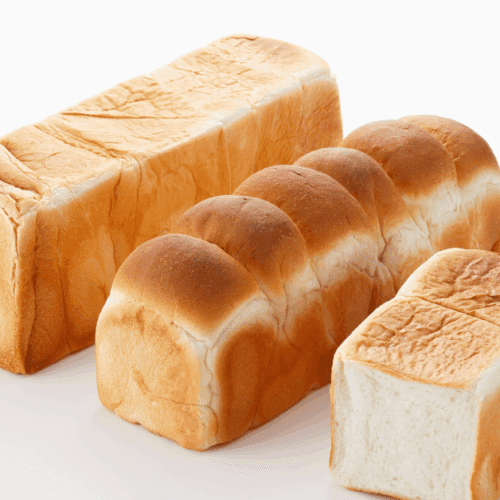
Simple Bread
Ingredients
- 2 cups all-purpose flour
- – 1 cup warm water about 110°F or 43°C
- – 1 packet 2 ¼ teaspoons active dry yeast
- – 1 tablespoon sugar
- – 1 teaspoon salt
- – 1 large egg
- – 2 tablespoons vegetable oil or melted butter
Instructions
- . **Activate Yeast**: In a bowl, combine warm water, sugar, and yeast. Let it sit for about 5-10 minutes until it becomes frothy.
- **Mix Ingredients**: In a large mixing bowl, combine flour and salt. Make a well in the center and add the yeast mixture, egg, and oil.
- **Knead Dough**: Mix until a dough forms. Knead the dough on a floured surface for about 5-7 minutes until smooth and elastic.
- **First Rise**: Place the dough in a greased bowl, cover with a cloth, and let it rise in a warm place for about 1 hour, or until doubled in size.
- **Shape the Bread**: Punch down the dough to release air. Shape it into a loaf and place it in a greased loaf pan.
- **Second Rise**: Cover and let it rise again for about 30 minutes.
- **Preheat Oven**: Preheat your oven to 375°F (190°C).
- **Bake**: Bake the bread for 25-30 minutes, or until golden brown and sounds hollow when tapped.
- **Cool**: Remove from the oven and let it cool in the pan for a few minutes before transferring it to a wire rack.
Frequently Asked Questions (FAQ): Origin of Simple Egg and Yeast Bread
1. What is the difference between simple egg and yeast bread and regular white bread?
Regular white bread is made with basic ingredients—flour, water, yeast, and salt—while simple egg and yeast bread includes eggs, which make it richer, softer, and more flavorful.
2. Why are eggs used in bread dough?
Eggs add moisture, color, and structure. Their proteins strengthen the dough, while their fats make it tender and give it a golden crust.
3. When did people start adding eggs to bread?
The practice dates back to the Middle Ages, when eggs were used in enriched breads for celebrations and religious holidays.
4. What type of yeast is best for making egg bread?
Active dry yeast or instant yeast are most commonly used for consistency and easy handling.
5. Why does egg bread have a golden color?
The natural pigments in egg yolks, known as carotenoids, give the bread a rich, golden hue when baked.
6. Is egg and yeast bread healthy?
Yes, in moderation. It contains protein from eggs and carbohydrates for energy, though the nutritional content depends on ingredients used.
7. What cuisines feature egg and yeast breads?
Many! French brioche, Jewish challah, Italian panettone, and Eastern European paska are all examples of egg and yeast breads with regional variations.
8. Why does bread made with eggs taste richer?
Eggs contribute fat and emulsifiers that enhance flavor and texture, giving the bread a satisfying richness.

A Timeless Testament to Simplicity and Craft
Simple egg and yeast bread is more than just food—it’s a living piece of history. It carries the legacy of ancient Egyptian bakers, the creativity of European artisans, and the warmth of home kitchens across generations. Its rise and golden glow symbolize the magic that happens when humble ingredients meet human ingenuity.
Whether baked for daily nourishment or special occasions, simple egg and yeast bread stands as a reminder that the simplest foods often hold the deepest meaning. Its soft crumb and delicate flavor speak of comfort, tradition, and the shared joy of baking—an art that continues to unite people around the world, one loaf at a time.
If you enjoyed exploring this topic and want to dive even deeper, be sure to check out some of our other articles here on Infinite Flavors. From rich culinary histories to creative twists on classic recipes, there’s always something new to discover. Whether you’re curious about the origins of a dish, looking for fresh inspiration in the kitchen, or simply love learning about food culture, our collection of posts is the perfect next step on your flavor journey.
The Delicious And Great Origin Of Pumpkin Spice Muffins
The Great History Of Cinnamon Sugar Doughnuts Made With Biscuit Dough
Exciting History And Origin Of Lemon Breakfast Cake