Unveiling The Amazing Art Of Whole Fish Baking
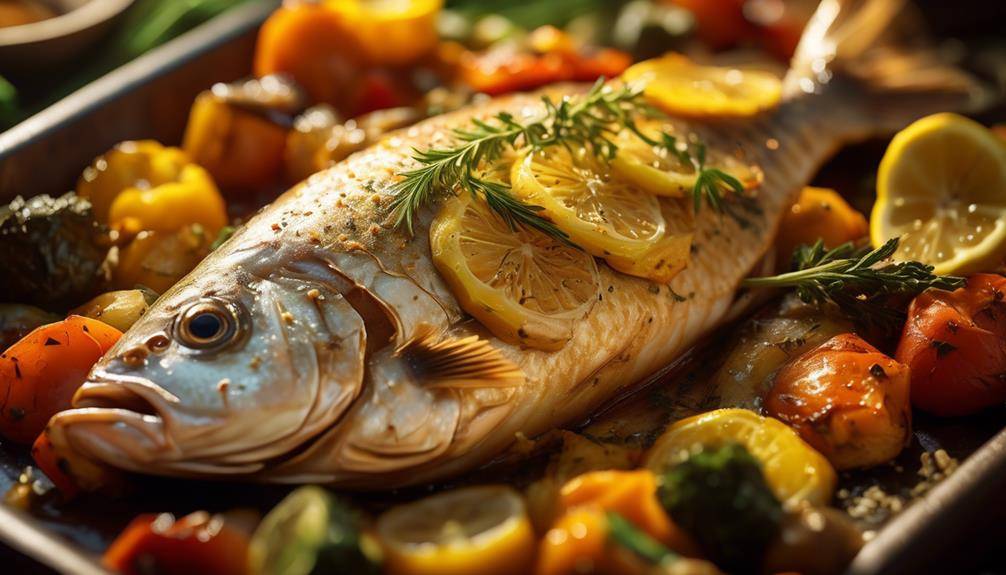
The Amazing Art Of Whole Fish Baking; Discover the delectable depths of whole fish baking, where the artistry lies in achieving a succulent symphony of flavors and textures. From selecting the finest fish to mastering the perfect seasoning, this culinary adventure will take you on a journey of taste exploration like no other. With each step, you will uncover the secrets to creating a beautifully baked fish that will leave your taste buds tantalized and your guests begging for more. So, prepare to embark on a voyage through the art of whole fish baking, where culinary mastery awaits at every turn.
Selecting the Right Fish
When selecting the right fish for baking, it is important to choose a fresh and flavorful catch that will enhance the flavors of your dish. The choice of fish can greatly impact the final outcome of your baked creation. Different fish varieties have distinct textures and flavors that lend themselves well to different cooking techniques. Understanding these nuances can help you make an informed decision when selecting the perfect fish for your baking endeavors.
One important aspect to consider when choosing a fish for baking is its cooking technique. Some fish are better suited for baking due to their firm texture and ability to hold up well in the oven. For example, salmon is a popular choice for baking because it has a rich flavor and a high fat content, which helps to keep it moist and flavorful during the cooking process. On the other hand, delicate white fish like cod or haddock may not fare as well in the oven, as they can easily become dry and overcooked.
Another factor to consider when selecting a fish is its sustainability. With increasing concerns about overfishing and the depletion of fish populations, it is crucial to choose sustainable seafood options. Look for fish that are sourced from well-managed fisheries or are certified by sustainable seafood organizations such as the Marine Stewardship Council. By opting for sustainable fish, you can enjoy your baked creation guilt-free, knowing that you are supporting the health of our oceans.
Preparing the Fish for Baking
To prepare the fish for baking, start by ensuring it is properly cleaned and gutted. This step is crucial to remove any impurities and ensure the fish cooks evenly. Here are three important steps to follow when preparing the fish for baking:
- Scale the fish: Use a fish scaler or the back of a knife to remove the scales from the fish’s skin. Start from the tail and work your way towards the head, making sure to remove all the scales. Scaling the fish not only improves its appearance but also allows the flavors to penetrate the flesh during baking.
- Gut the fish: Make a clean incision along the belly of the fish, from the vent to the gills. Use your fingers or a spoon to carefully remove the innards, being cautious not to puncture the organs. Rinse the cavity thoroughly with cold water to remove any remaining blood or residue.
- Trim the fins and tail: Trim any excess fins and tail with a pair of kitchen shears. This step not only enhances the presentation of the fish but also prevents them from burning during baking.
Choosing the Perfect Flavor Combinations
Now that you have properly prepared the fish for baking, it’s time to explore the exciting world of choosing the perfect flavor combinations to enhance your culinary creation. Finding the best herbs to pair with your fish can elevate the taste to a whole new level. Herbs like dill, thyme, parsley, and rosemary work wonders with fish, imparting their unique flavors and aromas. Dill adds a refreshing and slightly tangy taste, while thyme provides a subtle earthiness. Parsley brings a bright and fresh flavor, and rosemary lends a fragrant and woody note.
But why limit yourself to traditional herb combinations? This is the time to get creative and explore unusual flavor combinations that will surprise and delight your taste buds. Consider combining ginger and lime for a zesty and tangy kick. The sharpness of ginger pairs beautifully with the acidity of lime, resulting in a vibrant and refreshing flavor profile. Another unconventional choice could be combining miso paste and sesame oil. The umami-rich miso adds depth and complexity, while the nutty sesame oil complements the fish beautifully.
Don’t be afraid to experiment with different spices as well. A sprinkle of paprika can add a smoky and slightly spicy flavor, while a pinch of cumin can bring a warm and earthy note. You can also explore the world of citrus fruits by adding slices of lemon, orange, or grapefruit to your fish. The citrus juices will infuse the fish with a tangy and bright flavor.
Seasoning the Fish for Maximum Flavor
Enhance the flavor of your baked whole fish by expertly seasoning it with a carefully selected blend of herbs, spices, and other flavorful ingredients. Seasoning is a crucial step in the whole fish baking process, as it adds depth and complexity to the final dish. Here are three marinating techniques and alternative seasoning methods that will take your baked whole fish to the next level:
- Marinating: Marinating your fish before baking allows the flavors to penetrate the flesh, resulting in a more intense and well-rounded taste. To marinate your fish, mix together a combination of ingredients such as lemon juice, olive oil, garlic, and fresh herbs. Let the fish sit in the marinade for at least 30 minutes, or overnight for maximum flavor infusion.
- Dry Rub: A dry rub is a mixture of herbs, spices, and other seasonings that is rubbed onto the surface of the fish before baking. This method creates a flavorful crust that adds texture and enhances the taste of the fish. Create your own dry rub by combining ingredients like paprika, cumin, garlic powder, and salt. Rub the mixture onto the fish, making sure to coat it evenly.
- Stuffing: Another way to season your whole fish is by stuffing it with aromatic ingredients. This not only imparts flavor to the fish but also helps to keep it moist during the baking process. Consider stuffing the fish with sliced lemons, fresh herbs like thyme or rosemary, and minced garlic. As the fish bakes, these ingredients release their flavors, infusing the flesh with a delightful aroma.
Wrapping and Securing the Fish for Baking
Securely wrapping the fish ensures that it cooks evenly and retains its moisture, resulting in a tender and flavorful baked whole fish. Proper fish wrapping techniques are crucial to preventing the fish from drying out during the baking process.
To start, choose a high-quality parchment paper or aluminum foil that is large enough to fully enclose the fish. This will create a sealed environment, trapping the steam and preventing it from escaping. Lay the paper or foil on a flat surface and place the seasoned fish in the center. If the fish has been stuffed, make sure to secure any openings with toothpicks or kitchen twine to prevent the stuffing from falling out.
Next, fold the paper or foil over the fish, making sure to leave enough room for the fish to expand during cooking. Begin folding and crimping the edges, starting from one end and working your way around until the entire package is sealed. The goal is to create a tight seal that will prevent any steam from escaping.
If using parchment paper, you can also create a “papillote” by folding the edges of the paper over itself in small, tight pleats. This technique not only seals in the moisture but also creates an elegant presentation.
Once the fish is securely wrapped, place it on a baking sheet and transfer it to a preheated oven. Baking times will vary depending on the size and type of fish, so it’s important to follow a reliable recipe or use a meat thermometer to ensure the fish is cooked to the desired doneness.
Preheating the Oven and Setting the Temperature
To ensure that your whole fish bakes to perfection, it’s essential to preheat the oven and set the temperature correctly. Proper preheating techniques and temperature control are crucial for achieving a deliciously cooked fish with a crispy exterior and moist, tender flesh. Follow these steps to ensure your oven is ready for baking the whole fish:
- Preheating the oven: Before placing the fish in the oven, make sure to preheat it to the desired temperature. This allows for even cooking and reduces the chances of undercooked or overcooked fish. To preheat the oven, simply turn it on and set the temperature according to your recipe.
- Temperature control: Accurate temperature control is vital to achieve the perfect bake. Use an oven thermometer to ensure that the oven is reaching and maintaining the desired temperature. This will help you avoid undercooking or overcooking the fish, ensuring it is cooked to perfection.
- Adjusting the temperature: Depending on the size and thickness of the fish, you may need to adjust the temperature during the baking process. If the fish is browning too quickly, lower the temperature slightly to prevent burning. On the other hand, if the fish is taking too long to cook, increase the temperature slightly to speed up the cooking process.
Baking the Whole Fish to Perfection
For a perfectly baked whole fish, follow these tips to ensure a delightful combination of flavors and textures. Baking a whole fish requires careful attention to detail and the use of specific baking techniques to achieve optimal results. The flavor profiles of the fish can be enhanced by incorporating various ingredients and seasonings during the baking process.
To begin, it is important to choose the right baking method for your whole fish. There are several options available, including baking the fish in a foil packet, on a baking sheet, or in a baking dish. Each method provides a slightly different result, so consider the texture and flavor you desire when deciding which method to use.
When it comes to seasoning the fish, there are endless possibilities to explore. You can keep it simple by adding a sprinkle of salt, pepper, and lemon juice, or get creative with herbs, spices, and aromatics like garlic, thyme, or ginger. The choice of seasoning depends on your personal preference and the flavor profile you want to achieve.
In addition to seasonings, consider incorporating complementary ingredients to enhance the flavor of the fish. Sliced onions, tomatoes, or citrus fruits can add a burst of freshness, while olives, capers, or roasted peppers can provide a savory and tangy element. The combination of flavors will infuse into the fish as it bakes, creating a harmonious and delicious result.
When baking the whole fish, pay attention to the cooking time and temperature. Cooking times will vary depending on the size and thickness of the fish, but a general rule of thumb is to bake at 400°F (200°C) for about 10-12 minutes per inch of thickness. Use a meat thermometer to ensure the fish reaches an internal temperature of 145°F (63°C) for the perfect doneness.
Testing for Doneness and Ensuring Moistness
To ensure your whole fish is perfectly cooked, there are a few key indicators of doneness to look out for. The flesh should be opaque and easily flake off when tested with a fork. Additionally, the fish should be moist and tender, not dry or rubbery. By following moisture-locking techniques such as wrapping the fish in parchment paper or cooking it in a covered dish, you can ensure that your baked fish retains its natural juices and stays moist throughout the cooking process.
Doneness Indicators
Using your senses and a few simple techniques, you can easily determine when a whole fish is cooked to perfection, ensuring both doneness and moistness. Here are three key indicators to help you check for doneness and ensure your fish remains moist throughout the cooking process:
- Visual cues: Look for opaque flesh that flakes easily with a fork. The fish should be firm yet still moist, with the skin crispy and golden brown.
- Aroma: A properly cooked fish will have a delicate, fresh scent. Overcooking can result in a strong, fishy odor, indicating dryness.
- Touch: Gently press the fish with your finger. It should feel firm and spring back slightly. If it feels mushy or falls apart easily, it is likely overcooked.
Moisture-Locking Techniques
Unlocking the secrets to moist and perfectly cooked whole fish requires mastering a few moisture-locking techniques. When it comes to retaining juiciness and achieving crispy skin, there are a few key steps you can take. Firstly, make sure to pat the fish dry before cooking. This helps to remove any excess moisture that could lead to soggy skin.
Secondly, consider using a cooking method that seals in moisture, such as baking the fish in parchment paper or wrapping it in foil. This creates a steamy environment that keeps the fish moist. Lastly, pay attention to the cooking time and temperature. Overcooking can result in dry fish, so use a thermometer or check for flakiness to determine when it’s done. By following these moisture-locking techniques, you can ensure that your whole fish is both juicy and crispy.
Perfectly Baked Fish
When it comes to achieving the perfect balance of moistness and doneness in your baked whole fish, there are a couple of essential techniques to master. To ensure moisture retention and a crispy skin, follow these steps:
- Use a thermometer: The most accurate way to test for doneness is by checking the internal temperature of the fish. Insert a thermometer into the thickest part of the fish and look for a reading of 145°F (63°C). This ensures that the fish is cooked through without being overdone.
- Cook with the skin on: Leaving the skin intact during baking helps to seal in moisture and protect the delicate flesh from drying out. Plus, it adds an extra layer of flavor and texture.
- Baste with oil or butter: Brushing the fish with a little oil or melted butter before baking helps to keep it moist and enhance its natural flavors. Be sure to baste the fish every 10-15 minutes to prevent it from drying out.
Garnishing and Presenting the Baked Fish
To enhance the visual appeal of your baked fish, consider garnishing it with a medley of vibrant herbs and a squeeze of fresh lemon. Garnishing techniques and creative plating can elevate the presentation of your dish, making it more enticing and appetizing to both the eyes and the taste buds.
When it comes to garnishing your baked fish, there are several techniques you can employ. One popular method is to sprinkle chopped herbs, such as parsley, dill, or cilantro, over the top of the fish. This not only adds a burst of color but also imparts a fresh and herbaceous flavor. Additionally, you can place whole herb sprigs, such as rosemary or thyme, on top of the fish to infuse it with their aromatic essence.
Another creative plating idea is to arrange thinly sliced lemons or limes on top of the fish. This not only adds a pop of vibrant color but also imparts a tangy and citrusy flavor that complements the fish perfectly. You can also consider adding some lemon zest for an extra burst of citrus aroma.
In addition to herbs and citrus, you can experiment with other garnishes to add texture and visual interest. Thinly sliced cucumbers, radishes, or cherry tomatoes can provide a refreshing crunch, while a drizzle of olive oil or a sprinkle of sea salt can enhance the overall taste and appearance of the dish.
Serving and Enjoying the Delicious Results
Now that you have successfully baked a whole fish, it’s time to serve and enjoy the delicious results. Plating and presentation are key in enhancing the dining experience, so take your time to arrange the fish on a beautiful serving dish. Consider pairing it with flavorful sides, such as roasted vegetables or a fresh salad, to complement the delicate flavors of the fish.
Plating and Presentation
For an exquisite dining experience, enhance the visual appeal of your whole baked fish by carefully arranging it on a platter, incorporating vibrant garnishes, and adding a touch of elegance to your presentation. Here are three creative presentation ideas to elevate your plating techniques:
- The Artistic Arrangement: Arrange the fish on the platter with care, ensuring that the whole fish is the centerpiece. Consider placing vibrant vegetables or herbs around the fish to create a visually pleasing contrast.
- The Edible Garden: Transform your platter into a lush garden by adding edible flowers, microgreens, and colorful fruits. This whimsical presentation will delight your guests and add a burst of freshness to the dish.
- The Sea-inspired Display: Create a coastal theme by incorporating seashells, edible seaweed, and citrus slices. This arrangement will transport your guests to the seaside, enhancing their dining experience.
Pairing With Sides
Enhance the dining experience of your whole baked fish by pairing it with delicious sides that complement its flavors and textures. When it comes to pairing with vegetables, consider roasted asparagus or a refreshing cucumber and tomato salad. The earthy flavors of asparagus perfectly complement the delicate taste of the fish, while the crispness of the cucumber adds a refreshing contrast.
Alternatively, you can try steamed broccoli or sautéed spinach for a healthier option. These greens provide a nutritious and flavorful accompaniment to the fish, enhancing the overall balance of the meal. If you’re looking for alternative cooking methods, why not try grilling some zucchini or eggplant? The smoky flavors from the grill will add a lovely charred taste that complements the fish’s natural flavors. Experimenting with different sides will elevate your whole baked fish experience to new heights.
Frequently Asked Questions: The Amazing Art Of Whole Fish Baking
How Long Should I Preheat the Oven Before Baking the Whole Fish?
To achieve a perfectly cooked whole fish, preheat the oven for at least 15 minutes before baking. This ensures even heat distribution and helps the fish retain its moisture. As for seasoning options, the choice is yours – experiment with herbs, spices, and citrus for a burst of flavor.
What Are Some Alternative Flavor Combinations for Seasoning the Fish?
Looking to try something new? Spice up your whole fish baking with alternative seasoning ideas. From zesty citrus and fresh herbs to savory spices, the possibilities are endless. Discover the best cooking techniques to enhance the flavors of your dish.
Can I Use Frozen Fish Instead of Fresh Fish?
Using frozen fish for whole fish baking has its benefits. The convenience of having fish readily available in your freezer allows you to enjoy this culinary experience any time.
How Do I Know if the Fish Is Cooked All the Way Through?
To know if your fish is fully cooked, there are signs to look for. The flesh should be opaque and flake easily with a fork. It should also reach an internal temperature of 145°F.
Can I Use Different Types of Fish for This Baking Method?
Yes, you can use different types of fish for baking. Each variety may have a different cooking time, so it’s important to adjust accordingly. Experiment with flavors and textures by trying out various fish options.

Conclusion
In conclusion, mastering the art of baking a whole fish is a culinary adventure that promises a delicious and visually stunning result. By carefully selecting the right fish, preparing it with flavorful combinations and seasonings, and baking it to perfection, you can create a masterpiece that will impress your guests. Remember to test for doneness and ensure moistness, garnish and present the fish beautifully, and savor every bite of the delectable outcome. Enjoy the fruits of your labor and embrace the art of whole fish baking!
If you enjoyed exploring this topic and want to dive even deeper, be sure to check out some of our other articles here on Infinite Flavors. From rich culinary histories to creative twists on classic recipes, there’s always something new to discover. Whether you’re curious about the origins of a dish, looking for fresh inspiration in the kitchen, or simply love learning about food culture, our collection of posts is the perfect next step on your flavor journey.
13 Easy Tips For Cooking And Cleaning Fresh Squid
The 4 Best Techniques For Preparing Seafood Pasta Dishes
Great Spices That Are Perfect For Seafood Dishes