The 6 Best Techniques For Slow-Cooked Stews
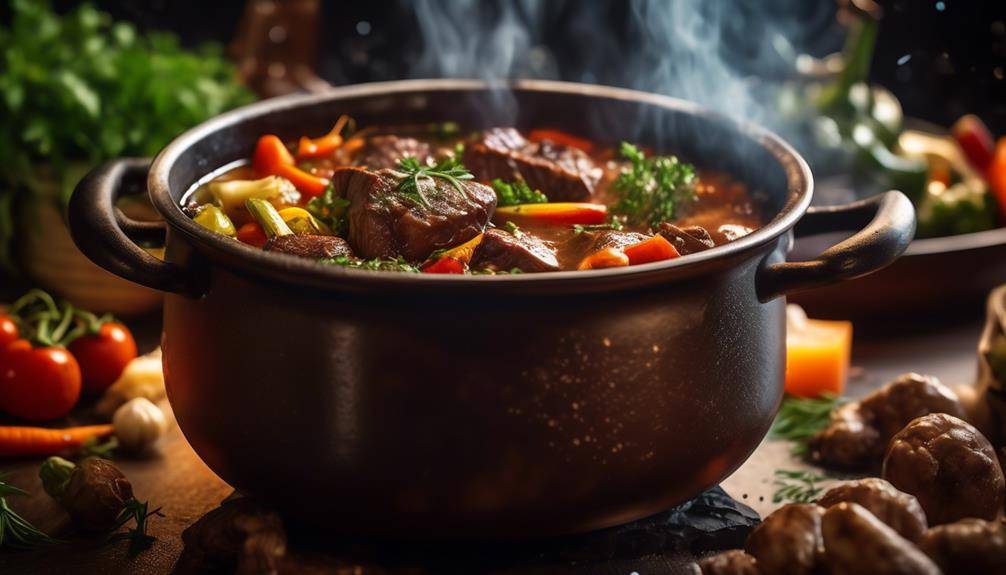
The 6 Best Techniques For Slow-Cooked Stews; Imagine walking into a cozy cabin on a chilly winter evening. The aroma of a hearty stew fills the air, instantly warming your senses. Slow-cooked stews have a magical way of bringing comfort and satisfaction to our tables. But how do you achieve that perfect balance of tenderness, flavor, and richness? In this discussion, we will unravel the six best techniques for creating slow-cooked stews that will leave you craving for more.
From selecting the right cuts to adding the finishing touches, each step is a key ingredient in unlocking the secret to a truly remarkable stew. So, grab a ladle and get ready to embark on a culinary journey that will elevate your stew game to new heights.
Click Here and Turn Every Masterpiece into a Showstopper!
Selecting the Right Cuts
To ensure the best results for your slow-cooked stews, it is crucial to carefully select the right cuts of meat. The choice of meat can greatly affect the final taste and texture of your dish. When it comes to slow-cooking, there are certain cuts that work best due to their texture and fat content.
For braising techniques, you’ll want to choose cuts that have a good amount of connective tissue and marbling. These cuts, such as chuck roast, short ribs, and beef brisket, are tougher and benefit from the long, slow cooking process. As the stew simmers, the connective tissue breaks down and melts into the liquid, creating a rich and flavorful sauce. These cuts also have enough fat to keep the meat moist and tender during the extended cooking time.
Marinating methods can also enhance the flavor and tenderness of the meat. Before slow-cooking, you can marinate the meat in a mixture of herbs, spices, and acidic ingredients like vinegar or citrus juice. This not only adds depth of flavor but also helps to tenderize the meat. The marinade helps to break down the proteins in the meat, resulting in a more tender and succulent final dish.
When selecting cuts for your slow-cooked stews, avoid lean cuts like sirloin or tenderloin, as they tend to dry out during the long cooking process. Instead, opt for tougher cuts with more fat and connective tissue that will benefit from the low and slow cooking method. By carefully choosing the right cuts and utilizing braising techniques and marinating methods, you can ensure that your slow-cooked stews are flavorful, tender, and absolutely delicious.
Click Here and Turn Every Masterpiece into a Showstopper!
Preparing the Ingredients
Before you begin slow-cooking your stews, it is important to properly prepare the ingredients. This step is crucial in ensuring that your stew turns out flavorful and tender. Here are some techniques to help you prepare your ingredients perfectly:
- Preparing the vegetables: Start by washing and cleaning the vegetables thoroughly. Peel and chop them into even-sized pieces to ensure even cooking. If you prefer a chunkier stew, cut the vegetables into larger chunks. For a more delicate texture, dice them finely. Remember to remove any tough stems or seeds from vegetables like bell peppers or chili peppers. Properly prepared vegetables will add depth and flavor to your stew.
- Marinating the meat: Marinating the meat before slow-cooking can greatly enhance its flavor and tenderness. Choose a marinade that complements the flavors of your stew, such as a mixture of herbs, garlic, and olive oil. Place the meat in a ziplock bag or a bowl, and pour the marinade over it. Make sure the meat is fully coated and let it marinate in the refrigerator for at least 30 minutes or up to overnight. The longer the meat marinates, the more flavorful it will become.
- Trimming excess fat: Before adding the meat to the slow cooker, trim any excess fat from it. This will prevent your stew from becoming greasy and will result in a healthier dish. Use a sharp knife to remove visible fat or ask your butcher to do it for you. By removing the excess fat, you’ll allow the flavors of the meat and other ingredients to shine through.
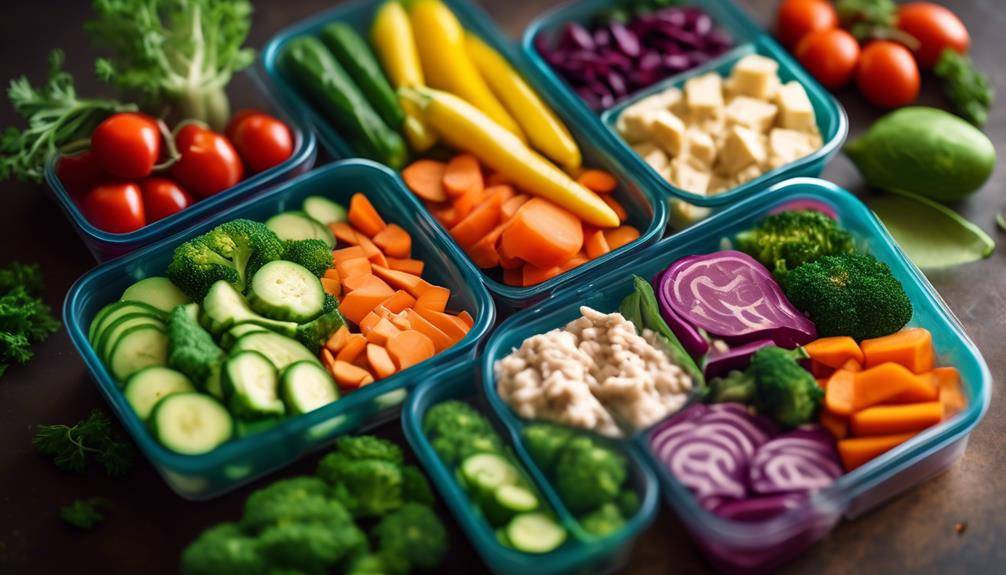
- Organizing your ingredients: Before you start cooking, organize all your ingredients in separate bowls or containers. This will help you work efficiently and ensure that you don’t miss any important ingredients. Additionally, it will make the cooking process smoother and less chaotic. Having everything ready and within reach will prevent you from scrambling to find ingredients while the stew is cooking.
Mastering the Slow Cooker
Using a slow cooker can simplify the process of cooking stews while delivering delicious and tender results. The slow cooker benefits are numerous, making it a must-have kitchen appliance. With a slow cooker, you can save time and effort by simply adding all the ingredients and letting it do the work for you. It’s a convenient way to cook stews, especially for those with busy schedules.
There are countless slow cooker recipes available that can cater to various tastes and dietary preferences. From classic beef stew to vegetarian options like lentil curry, the possibilities are endless. One of the benefits of using a slow cooker is that it allows you to experiment with different flavors and ingredients. You can mix and match spices, herbs, and vegetables to create unique and flavorful stews.
When using a slow cooker, it’s important to follow the recipe instructions carefully. The cooking time and temperature are crucial to achieving the desired results. Slow cooking allows the flavors to meld together and the meat to become tender. It’s important not to rush the process by increasing the heat or cooking for a shorter time.
Another tip for mastering the slow cooker is to properly layer the ingredients. Start with the meat at the bottom, followed by the vegetables and seasonings. This ensures that the meat is cooked evenly and that the flavors are distributed throughout the stew.
Utilizing the Stovetop Method
When it comes to slow-cooked stews, utilizing the stovetop method offers you the convenience of cooking everything in one pot. This means less dishes to clean up afterwards, making your cooking experience much easier. Additionally, cooking on the stovetop allows for better control over the heat, resulting in enhanced flavors and tender, succulent meat.
Click Here and Turn Every Masterpiece into a Showstopper!
One-Pot Convenience
For added convenience, you can utilize the stovetop method to create delicious slow-cooked stews in just one pot. Here are some time-saving tips and alternative cooking methods to make your cooking experience even more efficient:
- Prep ahead: Chop your vegetables and trim your meat the night before to save time on the day of cooking.
- Sear the meat: Searing the meat before adding it to the pot enhances the flavor and texture of the stew.
- Use high heat: Bring the stew to a boil on high heat, then reduce it to low for a slow simmer. This will tenderize the meat and meld the flavors.
- Stir occasionally: Stirring the stew occasionally prevents it from sticking to the bottom of the pot and ensures even cooking.
Enhanced Flavors
To further enhance the flavors of your slow-cooked stews, let’s now explore the techniques involved in utilizing the stovetop method. One way to infuse aromatic flavors into your stew is by adding aromatics such as garlic, onions, and herbs to the pot. As the stew simmers on the stovetop, these ingredients release their natural oils and flavors, infusing the dish with a delicious aroma.
Another technique to enhance flavor is marinating the meat before cooking. This involves soaking the meat in a flavorful marinade for a few hours or overnight, allowing the flavors to penetrate the meat and tenderize it. When cooked on the stovetop, the marinated meat adds a depth of flavor to the stew, making it even more satisfying and delicious.
Enhancing Flavor With Spices and Herbs
Now it’s time to enhance the flavors of your slow-cooked stews with the perfect selection of spices and herbs. When choosing spices, consider the flavor profile you want to achieve and select ones that complement your ingredients. Pairing herbs with your spices can further enhance the taste and add a fresh dimension to your dish. Experiment with different combinations and techniques to infuse your stews with maximum flavor.
Spice Selection Tips
Enhance the flavor of your slow-cooked stews with a carefully selected combination of spices and herbs. Here are some spice selection tips to help you create delicious and aromatic stews:
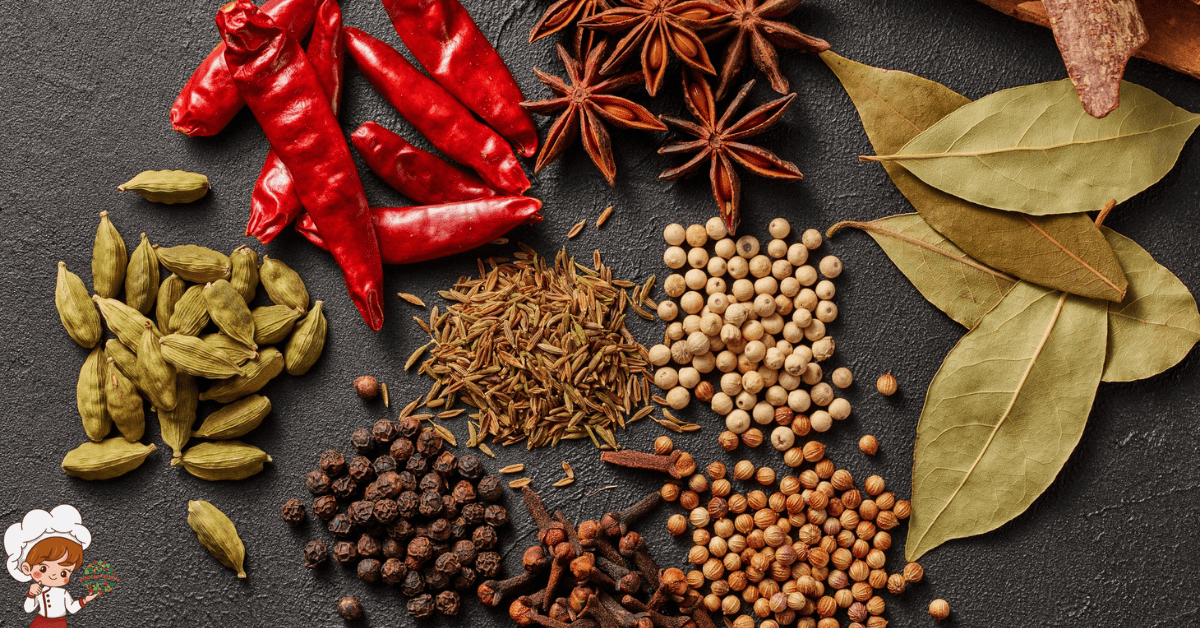
- Spice pairing combinations: Experiment with different spice blends to find the perfect combination for your stew. For example, try pairing cumin and coriander for a warm and earthy flavor, or paprika and thyme for a smoky and savory taste.
- Consider the flavor profile: Think about the overall taste you want to achieve. If you’re aiming for a spicy stew, add some chili powder or cayenne pepper. For a more balanced and complex flavor, try using a combination of sweet and savory spices like cinnamon, nutmeg, and cloves.
- Start with a small amount: When adding spices to your stew, start with a small quantity and gradually increase it according to your taste. This way, you can avoid overpowering the dish with one particular spice.
- Taste and adjust: Remember to taste your stew throughout the cooking process and adjust the seasoning as needed. This will ensure that the flavors are well-balanced and harmonious.
Herb Pairing Suggestions
Consider pairing your selected spices with a variety of fresh herbs to enhance the flavor of your slow-cooked stews. When it comes to herb selection, it’s important to choose herbs that complement the flavors of your stew. For hearty stews like beef or lamb, rosemary and thyme are excellent choices.
They add a savory and earthy taste that pairs well with the rich meat. For lighter stews like chicken or vegetable, parsley and cilantro can brighten up the flavors and add a fresh, aromatic note. When it comes to storing herbs, it’s best to keep them fresh for as long as possible. To do this, store them in a jar with a small amount of water, like a bouquet, and cover them loosely with a plastic bag. This will help maintain their freshness and flavor for longer periods.
Flavor Infusion Techniques
To enhance the flavor of your slow-cooked stews, incorporate a combination of spices and herbs for a delightful infusion of taste. Here are some flavor infusion techniques that will take your stews to the next level:
- Marinating Meats: Before adding the meat to your slow cooker, marinate it with a mixture of spices and herbs. This will not only tenderize the meat but also infuse it with incredible flavor.
- Using Aromatics: Aromatics such as onions, garlic, and ginger are excellent for adding depth and complexity to your stews. Sauté them before adding them to the slow cooker to release their flavors.
- Spice Blends: Experiment with different spice blends like curry powder, chili powder, or garam masala to add a burst of flavor to your stews. These blends are packed with aromatic spices that will make your taste buds sing.
- Fresh Herbs: Don’t forget about fresh herbs! Add a handful of chopped herbs like thyme, rosemary, or cilantro to your stew towards the end of cooking for a fresh and vibrant flavor.
Perfecting the Finishing Touches
If you want to take your slow-cooked stews to the next level, don’t overlook the importance of perfecting the finishing touches. While the long cooking process infuses the stew with rich flavors, it’s the finishing techniques and garnish ideas that can elevate it from good to extraordinary.
One finishing technique that can enhance the flavor and texture of your stew is reducing the cooking liquid. After the stew is done, remove the lid and allow the liquid to simmer on low heat until it thickens and intensifies in flavor. This will give your stew a luscious, concentrated taste that will have your guests asking for seconds.
Another way to add depth to your stew is by incorporating a splash of acidity. A squeeze of lemon juice or a splash of vinegar can brighten up the flavors and balance the richness of the stew. Just a small amount can make a big difference.
When it comes to garnish ideas, fresh herbs are a fantastic option. Chopped parsley, cilantro, or basil can add a burst of freshness and color to your stew. Sprinkle them over the top just before serving to elevate the presentation and add a vibrant taste.
Don’t forget about the texture! Adding some crunch to your stew can give it a delightful contrast. Consider topping your stew with toasted breadcrumbs, crumbled bacon, or even some fried onions. These little additions will provide a satisfying crunch with every bite.
Perfecting the finishing touches of your slow-cooked stews is the key to creating a memorable and satisfying meal. So, take the time to experiment with different techniques and garnish ideas to make your stews truly extraordinary. Your taste buds—and your guests—will thank you.
Click Here and Turn Every Masterpiece into a Showstopper!
Frequently Asked Questions: The 6 Best Techniques For Slow-Cooked Stews
How Long Does It Typically Take to Cook a Slow-Cooked Stew?
It typically takes a few hours to cook a slow-cooked stew. To achieve tender meat, consider searing it before adding to the pot, using low heat, and ensuring enough liquid for the cooking process.
Can I Use Frozen Vegetables in a Slow-Cooked Stew?
You can use frozen vegetables in a slow-cooked stew, but fresh ones may have better texture. To properly thaw frozen vegetables, place them in the fridge overnight or run them under cold water.
Can I Substitute Beef With Chicken or Pork in a Slow-Cooked Stew Recipe?
Yes, you can substitute beef with chicken or pork in a slow-cooked stew. The pros are that it can add variety and different flavors to your dish. The cons are that the texture and taste might be different
Should I Brown the Meat Before Adding It to the Slow Cooker?
Browning the meat for slow-cooked stews is necessary for optimal flavor. It adds depth and richness to the dish. Without browning, the flavor may be lacking. So go ahead and brown that meat before adding it to the slow cooker!
Can I Leave the Slow Cooker Unattended While the Stew Is Cooking?
You can leave the slow cooker unattended while the stew is cooking, but it’s important to take safety precautions. Make sure to follow the manufacturer’s instructions and never leave it on for too long.

Conclusion
In conclusion, slow-cooked stews can be taken to the next level by selecting the right cuts of meat, preparing the ingredients properly, and utilizing the slow cooker or stovetop method. Enhancing the flavor with spices and herbs adds depth to the dish, while perfecting the finishing touches ensures a satisfying meal. With these techniques, you can create delicious and comforting stews that will impress your family and friends. So grab your apron and get cooking!