Important Steps For Preparing Seafood Paella
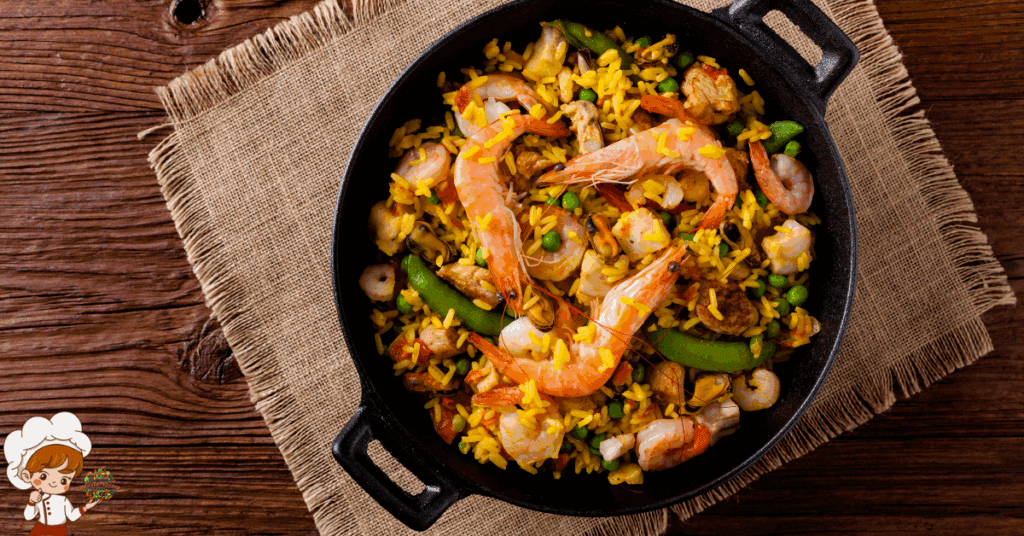
Important Steps For Preparing Seafood Paella; Get ready to dive into the depths of flavor with a seafood paella that will transport your taste buds to the shores of Spain. But before you embark on this culinary adventure, there are a few steps you must take to ensure a successful outcome. From selecting the freshest seafood to creating the perfect sofrito, each step plays a crucial role in bringing this iconic dish to life. So, grab your apron and let’s embark on a journey that will leave you craving for more.
Gather Necessary Ingredients
To start preparing your seafood paella, gather all the necessary ingredients. When it comes to preparing the seafood, selecting the freshest ingredients is crucial for a flavorful and delicious dish. Begin by choosing a variety of seafood such as shrimp, mussels, clams, and squid. Ideally, opt for fresh seafood from a reputable source, ensuring that it is of the highest quality. Look for shiny, firm shrimp with no black spots, and check that the mussels and clams are tightly closed. The squid should have a clean, sweet smell and firm texture.
Next, gather the other essential ingredients for your paella. You will need Arborio or Bomba rice, which is specifically designed to absorb the flavors of the dish while maintaining a perfect texture. Additionally, gather some saffron threads, which will add a vibrant color and distinct taste to your paella. Other key ingredients include diced tomatoes, onion, garlic, and a variety of spices like paprika, thyme, and oregano.
Don’t forget about the vegetables that will enhance the flavors of your seafood paella. Collect fresh bell peppers, peas, and green beans to add a pop of color and a crisp texture to the dish. Lastly, have some chicken or vegetable broth on hand to cook the rice and infuse it with savory flavors.
Prepare the Seafood
Now that you have gathered all the necessary ingredients, it’s time to prepare the seafood for your delicious paella. Start by cleaning the seafood thoroughly to remove any dirt or impurities. Once cleaned, marinate the seafood in a flavorful mixture to enhance the taste and ensure it is tender and succulent when cooked. Cleaning and marinating the seafood are crucial steps in achieving a mouthwatering seafood paella that will impress your guests.
Cleaning the Seafood
Consider using a mesh colander to rinse and remove any debris from the seafood before incorporating it into your flavorful seafood paella. Cleaning the seafood is an essential step in seafood preparation that ensures the final dish is fresh and free from any unwanted elements. Begin by placing the seafood in the colander and rinsing it thoroughly under cold running water.
Gently rub the seafood to remove any dirt or impurities. Pay extra attention to the shells of shellfish, like mussels and clams, as they tend to trap sand and grit. Once cleaned, inspect the seafood for any remaining debris and discard any that appear spoiled or damaged. By taking the time to properly clean your seafood, you can guarantee a delicious and safe seafood paella.
Marinating the Seafood
After thoroughly cleaning the seafood, the next step in preparing your seafood paella is to marinate the seafood to enhance its flavors and ensure a delicious final dish. Marinating is a crucial step that allows the flavors of the marinade to penetrate the seafood, infusing it with a depth of taste that will elevate your paella to new heights. Here are three marination techniques to consider:
- Citrus marinade: Combine freshly squeezed lemon or lime juice with olive oil, garlic, and a pinch of salt. This tangy marinade adds a refreshing and zesty flavor to the seafood.
- Herb-infused marinade: Chop fresh herbs like parsley, thyme, and rosemary and mix them with olive oil, garlic, and a splash of white wine. This aromatic marinade gives the seafood a fragrant and herbaceous taste.
- Spicy marinade: Create a marinade using chili flakes, paprika, cayenne pepper, and garlic for a fiery kick. This bold and spicy marinade adds a punch of flavor to the seafood.
Prepare the Sofrito
To prepare the sofrito for your seafood paella, start by finely chopping the onions, peppers, and garlic. The sofrito is an essential base for the flavors in your paella, so it’s important to get it right. There are different variations of sofrito, but for a seafood paella, a classic combination of onions, peppers, and garlic works best.
To achieve the perfect texture for your sofrito, make sure to finely chop the ingredients. This will help them cook evenly and release their flavors into the dish. You want the onions, peppers, and garlic to be soft and translucent, but not browned. This will create a delicate and aromatic base for your paella.
One tip for achieving the perfect texture is to cook the sofrito over low heat. This allows the flavors to develop slowly and evenly, without burning or browning the ingredients. It’s also important to stir the sofrito frequently to prevent it from sticking to the pan and to ensure even cooking.
Another tip is to add a pinch of salt to the sofrito as it cooks. This will help to draw out the moisture from the vegetables and enhance their natural flavors. Be careful not to add too much salt, as you can always adjust the seasoning later on.
Once your sofrito is cooked to perfection, it’s time to add it to your paella and continue with the rest of the recipe. The sofrito will infuse your paella with a rich and aromatic flavor, setting the stage for the delicious seafood to come. So take your time and prepare the sofrito with care for a truly outstanding seafood paella.
Heat the Paella Pan
Now it’s time to heat your paella pan to achieve the perfect cooking environment for your seafood paella. Heating the pan properly is crucial for ensuring that the flavors meld together and the rice attains that deliciously crispy bottom known as socarrat. Here are three important things to keep in mind when heating your paella pan:
- Choose the right pan: The type of pan you use can significantly impact the outcome of your paella. Traditional paella pans are wide and shallow, allowing for maximum heat distribution and evaporation. They are typically made of carbon steel, which conducts heat efficiently and develops a natural non-stick surface over time. If you don’t have a paella pan, a wide and shallow skillet or a cast-iron pan can work as alternatives.
- Preheat the pan: Before adding any ingredients, it’s essential to preheat your paella pan over medium-high heat. This step ensures that the pan reaches an even temperature and allows for proper browning of the ingredients. Allow the pan to heat for a few minutes until it becomes hot to the touch.
- Use the right heat technique: Once the pan is hot, you can adjust the heat to medium. It’s important to maintain a steady and consistent heat throughout the cooking process. Too high of a heat can burn the rice, while too low of a heat can result in undercooked ingredients. Keep an eye on the heat and make adjustments as needed to maintain the perfect cooking temperature.
Add the Olive Oil
With the paella pan heated to the perfect temperature, it’s time to move on to the next step of preparing your seafood paella: adding the olive oil. This crucial step not only provides a base for cooking the ingredients but also helps to enhance the flavors of the dish. When it comes to cooking techniques, using olive oil is a popular choice due to its unique taste and health benefits.
To start, pour a generous amount of olive oil into the heated paella pan. The amount will depend on the size of your pan and the quantity of ingredients you are using. As a general rule of thumb, aim for enough oil to coat the bottom of the pan evenly. This will prevent the ingredients from sticking and ensure even cooking.
The olive oil adds a distinct flavor to the paella, giving it a rich and nutty taste. It also helps to bring out the flavors of the other ingredients, such as the seafood and vegetables. The high smoke point of olive oil makes it perfect for the high-heat cooking required for paella, allowing you to achieve a crispy and caramelized texture.
As you add the olive oil, make sure to distribute it evenly across the pan. This can be done by gently tilting the pan or using a spatula to spread the oil. Once the oil is evenly spread, you can proceed with adding the rest of the ingredients and continue cooking your seafood paella.
Sauté the Onions and Garlic
Begin by heating a small amount of olive oil in the paella pan over medium heat. Sautéing the onions and garlic is a crucial step in preparing seafood paella as it brings out their natural flavors and enhances the overall taste of the dish. Here’s how to sauté them to perfection:
- Add the diced onions to the heated olive oil in the pan. Spread them evenly across the surface and let them cook for about 2-3 minutes, stirring occasionally. The onions should turn translucent and start to release their aroma.
- Once the onions have softened, add the minced garlic to the pan. Stir well to combine it with the onions and let it cook for another minute. Be careful not to burn the garlic, as it can turn bitter and ruin the flavor of the dish.
- Continue sautéing the onions and garlic together for another 2-3 minutes until they become golden brown. This step will intensify their flavors and create a delicious base for the seafood paella.
Sautéing the onions and garlic not only adds depth and complexity to the dish but also allows their flavors to permeate the other ingredients in the paella. The sautéing technique helps to bring out the natural sweetness of the onions while softening the pungency of the garlic. This flavor enhancement is essential for creating a well-balanced and delicious seafood paella. Remember to keep a close eye on the pan to prevent burning and adjust the heat if necessary.
Add the Tomatoes and Spices
After sautéing the onions and garlic to perfection, it’s time to move on to the next crucial step in preparing seafood paella: adding the tomatoes and spices. This step is essential as it not only enhances the flavor of the dish but also creates a rich and vibrant base for the seafood to cook in.
To start, you’ll need to select ripe and juicy tomatoes. Look for tomatoes that are firm and have a deep red color. The best tomatoes for paella are those with a balanced level of acidity and sweetness. You can use either fresh tomatoes or canned crushed tomatoes, depending on what is available to you.
Once you have your tomatoes ready, it’s time to add them to the paella. Start by adding them to the pan and stirring them in with the onions and garlic. The tomatoes will release their juices and begin to break down, creating a thick and flavorful sauce. Make sure to cook them for a few minutes until they soften and the flavors meld together.
Now, let’s talk about the spices. The key to a delicious seafood paella is finding the right balance of spices. You don’t want them to overpower the flavors of the seafood but rather complement them. A classic combination of spices for paella includes saffron, paprika, and a pinch of cayenne pepper for a subtle kick.
Add the spices to the pan and stir them in with the tomatoes. The saffron will infuse the dish with a beautiful golden color and a distinct aroma. The paprika will add a smoky and slightly sweet flavor, while the cayenne pepper will give it a gentle heat. Remember to adjust the amount of spices according to your personal taste preferences.
Add the Rice and Stir
Now it’s time to add the rice and stir it into the mixture. The combination of rice and broth is essential to create the base of the paella. As you stir, the rice will begin to absorb the rich flavors from the seafood and spices, ensuring every bite is packed with deliciousness. Keep stirring gently but consistently to evenly distribute the ingredients and enhance the overall taste of the dish.
Rice and Broth Combination
To achieve a perfectly cooked and flavorful paella, it’s time to add the rice to the simmering broth and give it a good stir. This step is crucial, as it allows the rice to absorb the delicious flavors of the broth and ensures even cooking. Here’s how to do it:
- Carefully pour the rice into the broth, distributing it evenly across the pan. Use a wooden spoon to gently stir the rice, making sure it is fully submerged in the broth.
- Maintain a gentle simmer and avoid stirring too vigorously, as this can release starch and make the paella sticky. Instead, gently move the rice around to prevent sticking and promote even cooking.
- Consider using alternative broth options to enhance the flavor of your paella. You can use seafood broth for a more intense seafood taste, vegetable broth for a lighter and vegetarian-friendly option, or even saffron-infused broth for a traditional touch.
Incorporating Seafood Flavors
As the rice absorbs the flavorful broth, it’s time to infuse the paella with the irresistible taste of seafood. Incorporating seafood flavors is crucial in creating a delicious and authentic seafood paella. When it comes to seafood pairing, it’s important to strike the right balance of flavors to enhance the overall taste of the dish. Begin by adding your choice of seafood such as shrimp, clams, mussels, and fish.
These ingredients will not only lend their unique flavors but also provide a delightful variety of textures. The seafood should be carefully cooked to ensure it remains tender and juicy, while still adding depth to the dish. The key to achieving flavor balance lies in using fresh, high-quality seafood and allowing it to shine in harmony with the aromatic spices and rich broth.
Pour in the Broth
Pouring in the broth adds a rich and flavorful base to your seafood paella, infusing each grain of rice with a savory essence that will tantalize your taste buds. The temperature of the broth is crucial in achieving the perfect texture and taste in your paella. Make sure to heat the broth to a simmer before adding it to the rice. This will help the flavors to meld together and ensure even cooking.
When it comes to broth measurements, it is important to follow the recipe closely. Different recipes may call for different amounts of broth, depending on the desired consistency and the type of rice being used. Typically, you will need about 2 cups of broth for every cup of rice. However, if you prefer a more soupy paella, you can add a little more broth.
Here are three tips to consider when pouring in the broth for your seafood paella:
- Gradually add the broth: Pour the broth slowly and gradually into the paella pan, allowing the rice to absorb the liquid. This will help prevent the rice from becoming mushy and ensure that each grain cooks evenly.
- Stir gently: Use a wooden spoon to gently stir the rice and broth together. This will help distribute the flavors and prevent the rice from sticking to the bottom of the pan.
- Maintain the simmer: Once the broth is added, it is important to maintain a gentle simmer throughout the cooking process. This will allow the rice to absorb the flavors and the broth to reduce, resulting in a deliciously flavorful paella.
Arrange the Seafood on Top
Once the broth has been added and simmering, the next step in preparing your seafood paella is to carefully arrange the seafood on top of the rice. The way you place the seafood on the paella not only affects the presentation but also allows each ingredient to cook evenly and absorb the delicious flavors of the dish.
Start by arranging the larger seafood items, such as prawns and lobster tails, evenly across the paella. This ensures that each portion of the dish will have a generous serving of these delectable seafood options. Next, strategically place the smaller seafood items, like mussels and clams, in between the larger ones. This not only creates a visually appealing arrangement but also allows their flavors to infuse into the rice and surrounding ingredients.
To enhance the taste of the seafood, you can use seasoning techniques that complement the flavors of the dish. Sprinkle a pinch of salt and freshly ground black pepper over the seafood to enhance its natural flavors. You can also add a dash of smoked paprika for a subtle smoky undertone or a sprinkle of saffron threads to impart a beautiful golden hue and delicate aroma to the paella.
As you arrange the seafood on top of the rice, make sure to press them slightly into the rice to ensure they cook evenly and are fully submerged in the flavorful broth. This will allow the seafood to cook to perfection, becoming tender and succulent.
Cook Uncovered for a Few Minutes
Now that you have arranged the seafood on top of the paella, it’s time to cook it uncovered for a few minutes. This step is crucial to achieving the perfect texture and flavor. Cooking the paella uncovered allows the rice to develop a crispy bottom layer, adding a delightful crunch to each bite. The uncovered cooking also helps to reduce any excess moisture and intensify the flavors of the dish.
Cooking Time for Paella
To ensure the perfect texture and flavor, it is crucial to cook your seafood paella uncovered for a few minutes, allowing the rice to absorb the rich broth and develop a delightful socarrat. Cooking time for paella is an essential step that can greatly impact the overall taste and presentation of the dish. Here are three important factors to consider when determining the cooking time for your paella:
- Rice Consistency: Cooking the paella uncovered for a few minutes allows the rice to absorb the flavorful broth, resulting in a tender yet slightly firm texture. This step is crucial for achieving the perfect consistency in your paella.
- Socarrat Development: The uncovered cooking time also helps develop a golden crust, known as socarrat, at the bottom of the paella. This caramelized layer adds a delightful crunch and enhances the overall flavor of the dish.
- Flavor Infusion: By cooking the paella uncovered, the flavors of the ingredients intensify as the liquid reduces. This results in a more concentrated and flavorful dish, showcasing the seafood and other components of the paella.
Importance of Uncovered Cooking
After allowing the rice to absorb the rich broth and develop a delightful socarrat, it is crucial to continue cooking your seafood paella uncovered for a few minutes. This step is essential for achieving the perfect texture and flavor in your dish. Uncovered cooking allows the excess liquid to evaporate, resulting in a drier and more concentrated paella. This concentration of flavors enhances the taste of the seafood and other ingredients in the dish.
Additionally, cooking uncovered helps to create a crusty bottom layer known as socarrat, which adds a delightful crunch and depth of flavor. To achieve the best results, make sure the heat is evenly distributed and adjust it as needed during this stage. Keep a close eye on the paella to avoid overcooking the delicate seafood and to prevent the rice from sticking to the bottom of the pan. By following these uncovered cooking techniques, you will elevate your seafood paella to new heights of deliciousness.
Achieving Crispy Rice
To achieve the perfect crispy rice in your seafood paella, make sure to cook it uncovered for a few minutes. This crispy rice technique is the secret to achieving the perfect rice texture in your dish. Here’s how to do it:
- After adding the rice to the paella pan, spread it evenly across the surface. This ensures that every grain has the opportunity to crisp up.
- Increase the heat slightly and let the rice cook uncovered for around 5 minutes. This allows the bottom layer of rice to develop a golden brown crust, adding a delightful crunch to your paella.
- Resist the temptation to stir the rice during this process. Stirring will prevent the rice from crisping up and can result in a mushy texture.
Cover and Let It Simmer
Cover the pan tightly with a lid to trap the flavorful steam and allow the ingredients to meld together harmoniously as they simmer. This step is crucial in achieving the perfect seafood paella, as it not only helps in preserving the moisture of the dish but also aids in the flavor infusion process. Simmering is a slow-cooking technique that allows the flavors to develop and intensify over time.
As the paella simmers, the steam created inside the pan circulates and infuses the rice and ingredients with the rich flavors of the broth, saffron, and spices. The lid acts as a seal, ensuring that none of the precious aromas escape. This flavorful steam also helps to keep the rice grains moist and tender, preventing them from turning mushy or sticking together.
It is important to maintain a gentle simmer throughout the cooking process. This can be achieved by adjusting the heat to medium-low or low, depending on your stovetop. A vigorous boil should be avoided as it can lead to uneven cooking and may cause the rice to become overcooked.
While the paella simmers, resist the temptation to stir the ingredients. Stirring can cause the rice to release its starch, resulting in a sticky and clumpy texture. Instead, allow the ingredients to cook undisturbed, ensuring that the rice forms a delicious crust at the bottom of the pan, known as “socarrat.”
The recommended simmering time for seafood paella is typically around 20-25 minutes. However, factors such as the type of rice used and the size of the pan can affect the cooking time. It is important to keep an eye on the dish and test the rice for doneness. The grains should be al dente, with a slight bite to them.
Check for Doneness
To determine if your seafood paella is done cooking, assess the texture and doneness of the rice grains. Here are three steps to help you perform a doneness check and ensure your paella is cooked to perfection:
- Look for the rice grains to be tender but still slightly firm to the bite. When you press a grain between your fingers, it should have a slight resistance. The grains should not be mushy or overly soft, as this indicates overcooking.
- Taste a few grains of rice from different parts of the pan. They should be fully cooked and have absorbed the flavors of the broth and other ingredients. The rice should not be crunchy or undercooked, which would make it unpleasant to eat.
- Pay attention to the bottom of the pan, known as the socarrat. This is the prized layer of crispy, caramelized rice that forms during cooking. Gently scrape the bottom with a spoon to check for a golden brown color and a slightly crunchy texture. The socarrat adds depth and flavor to the dish, indicating that the paella is cooked to perfection.
Once you have performed these steps and are satisfied with the texture and doneness of the rice grains, you can confidently serve your seafood paella. Remember, testing doneness is crucial to ensure that all the elements of the dish are cooked properly and that each bite is a delight. Enjoy your flavorful and satisfying seafood paella!
Serve and Enjoy
Now that your seafood paella is cooked to perfection, it’s time to plate and present your culinary masterpiece. Carefully arrange the vibrant colors of the seafood, rice, and vegetables on a large serving platter, creating an enticing visual display. As you take your first bite, savor the explosion of flavors from the combination of tender seafood, fragrant saffron-infused rice, and the rich broth. Share this delightful dish with friends and family, creating lasting memories around the dinner table as you enjoy the delicious taste of your homemade seafood paella.
Plating and Presentation
Enhance the visual appeal of your seafood paella by carefully arranging the ingredients and using vibrant garnishes. Follow these plating techniques and garnishing ideas to create a stunning presentation that will impress your guests:
- Start by arranging the rice in the center of the plate, creating a bed for the other ingredients. Use a ring mold to create a neat and uniform shape.
- Arrange the seafood, such as prawns, mussels, and squid, strategically around the rice. Place them in a visually pleasing pattern to create balance and harmony on the plate.
- Finish off the dish with a sprinkle of chopped parsley or a few lemon wedges for added freshness and color. You can also drizzle some olive oil over the top to give it a glossy sheen.
Flavorful Taste Combinations
After creating a visually stunning presentation by carefully arranging the ingredients and using vibrant garnishes, it’s time to delve into the flavorful taste combinations of your seafood paella. To elevate the taste of your dish, consider flavor pairing techniques that complement the seafood and rice. The sweetness of the shrimp can be enhanced with the earthiness of smoked paprika and the tanginess of lemon zest.
For a burst of freshness, add chopped parsley or cilantro. The brininess of the mussels and clams can be balanced with a squeeze of lemon juice and a sprinkle of sea salt. Additionally, seasoning techniques such as layering flavors with saffron, garlic, and onion will add depth and complexity to your paella. Remember to taste as you go and adjust the seasoning accordingly. Enjoy the explosion of flavors in every bite!
Sharing and Savoring
To fully appreciate the flavors and textures of your seafood paella, it’s time to gather your loved ones around the table and indulge in the shared experience of savoring this delicious dish. Here are three steps to ensure that you make the most out of this culinary adventure:
- Share the recipe: Pass on the joy of cooking by sharing the recipe for your seafood paella with family and friends. This not only allows them to recreate the dish at home but also creates a sense of connection and tradition.
- Set the mood: Create a warm and inviting atmosphere by setting the table with beautiful dishes, vibrant napkins, and soft candlelight. This enhances the overall dining experience and adds to the anticipation of savoring the flavors.
- Take your time: Take small bites and savor each mouthful. Pay attention to the delicate balance of flavors, the tender seafood, and the aromatic saffron-infused rice. Discuss the different elements of the dish with your loved ones, appreciating the nuances of each ingredient.
Frequently Asked Questions: Important Steps For Preparing Seafood Paella
Can I Use Frozen Seafood for Seafood Paella?
Yes, you can use frozen seafood for seafood paella. Cooking with frozen ingredients is convenient and can produce delicious results. Just make sure to thaw the seafood properly before adding it to the dish.
How Much Broth Should I Pour In?
Pour in 4 cups of broth for every 1 cup of rice. This ratio ensures that the rice absorbs the flavors without becoming mushy. As for alternative oils, you can use olive oil or vegetable oil for a slightly different taste.
Can I Substitute the Olive Oil With a Different Type of Oil?
Yes, you can substitute the olive oil with a different type of oil in your seafood paella. However, keep in mind that different oils have different flavors and smoking points, so choose an oil that complements the dish and suits your preferred cooking method.
How Long Should I Let the Paella Simmer For?
To achieve the perfect texture for paella rice, let it simmer uncovered for about 20 minutes on medium heat. This allows the rice to absorb the flavors and develop a delicious crust. Tips for enhancing the flavor of seafood paella include using a good quality broth and adding a splash of white wine.
Can I Add Vegetables to the Paella?
Yes, you can definitely add vegetables to your paella. The best types to use are bell peppers, peas, and artichoke hearts. They add a delicious flavor and vibrant color to the dish.

Conclusion
In conclusion, preparing seafood paella requires gathering all the necessary ingredients, properly preparing the seafood, making the sofrito, and heating the paella pan. Adding olive oil and cooking the paella uncovered for a few minutes is essential before covering it and allowing it to simmer. Checking for doneness is important before serving and savoring this delicious dish. Follow these steps and enjoy the delightful flavors of seafood paella.