Amazing Authentic Ethiopian Doro Wat Recipe

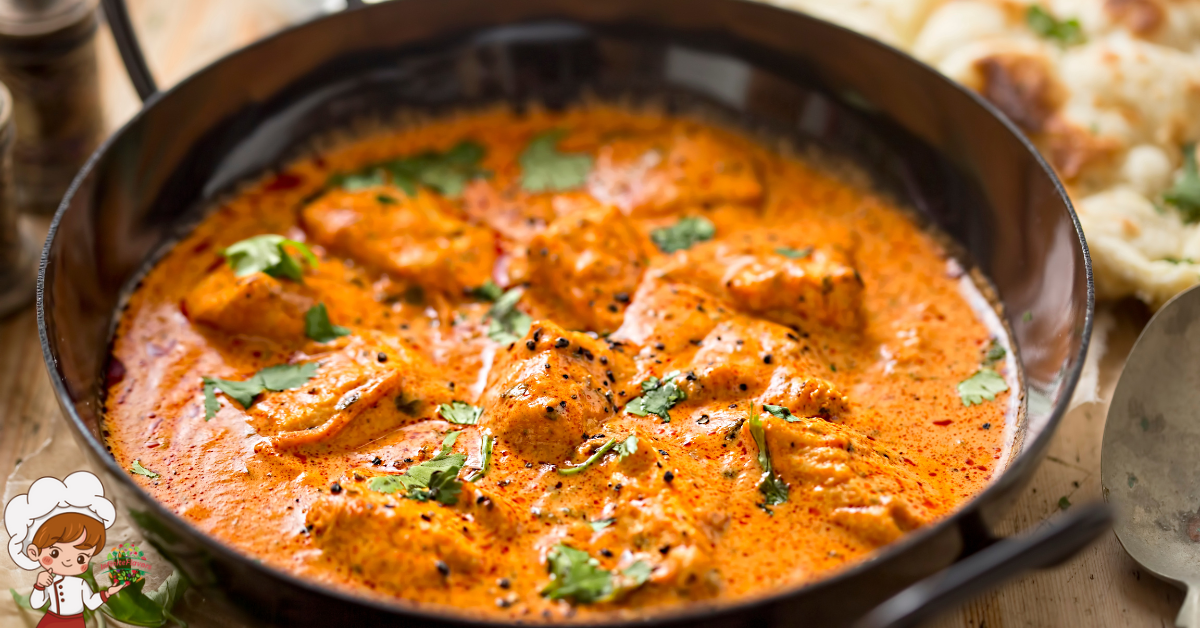
Amazing Authentic Ethiopian Doro Wat Recipe; Have you ever wondered what makes Ethiopian cuisine so unique and flavorful? Well, here’s an interesting fact for you: doro wat, a traditional Ethiopian dish, is considered to be one of the most popular and beloved dishes in the country. This spicy chicken stew, simmered in a rich and aromatic berbere sauce, is a true culinary masterpiece. But what makes it so special? How is it prepared? And what are some tips and variations to elevate your doro wat to the next level? Get ready to embark on a journey of flavors and discover the secrets behind this mouthwatering Ethiopian dish.
Ingredients for Doro Wat
To begin preparing the delectable Ethiopian dish of Doro Wat, gather all the essential ingredients that will infuse your kitchen with the rich aromas and flavors of this traditional delicacy. The star of this dish is the Ethiopian spice blend, known as berbere. This vibrant and aromatic spice blend is a key component in Doro Wat and gives it its distinctive flavor. To prepare the Ethiopian spice blend, you will need a combination of spices such as chili peppers, paprika, ginger, garlic, fenugreek, and various other spices. Toast the spices to release their flavors, then grind them into a fine powder using a mortar and pestle or a spice grinder.
In addition to the spice blend, you will need a few other key ingredients for Doro Wat. First, you will need chicken pieces, preferably bone-in and skin-on, as they add depth of flavor to the dish. You will also need onions, garlic, and ginger to create the base of the sauce. These aromatics, along with the spice blend, will provide the rich and complex flavors that Doro Wat is known for.
To complement the bold flavors of Doro Wat, traditional Ethiopian side dishes are often served alongside. Injera, a spongy and sour flatbread made from fermented teff flour, is the perfect accompaniment. It acts as a utensil, allowing you to scoop up the tender chicken and sauce. You can also serve Doro Wat with traditional Ethiopian lentil dishes, such as Misir Wot or Gomen, which add variety and balance to the meal.
With all the ingredients gathered, you are now ready to embark on your culinary journey to create a mouthwatering Doro Wat that will transport your taste buds to the vibrant streets of Ethiopia.
Preparing the Chicken for Doro Wat
Now it’s time to prepare the chicken for your flavorful Doro Wat. Start by cleaning the chicken thoroughly, removing any excess fat or skin. Next, marinate the chicken with a mixture of aromatic spices and herbs, allowing it to soak up the flavors for at least an hour. Finally, brown the chicken in a hot pan to seal in the juices and add a delicious caramelized flavor to your Doro Wat.
Cleaning the Chicken
After carefully selecting a fresh chicken, begin by gently rinsing it under cool water to remove any excess dirt or debris. This step is crucial in ensuring the cleanliness and safety of the chicken for cooking. As you clean the chicken, keep in mind the traditional Ethiopian cleaning techniques that have been passed down for generations. Here are a few pointers to guide you:
- Use your hands to feel for any remaining feathers or quills, and pluck them out carefully.
- Pay close attention to the chicken’s cavity, making sure to remove any giblets or organs that may be inside.
- Take a closer look at the skin and remove any visible fat or excess skin.
Marinating the Chicken
Begin by immersing the cleaned chicken in a flavorful marinade, infusing it with the vibrant spices and aromatics that are essential to creating an authentic and delicious Doro Wat. Ethiopian cuisine is known for its bold flavors and unique marinating techniques, and the marinade for Doro Wat is no exception. Traditional Ethiopian marinades often consist of a combination of spices such as berbere, a fiery blend of chili peppers, garlic, ginger, and various other spices.
However, if you prefer a milder flavor, you can explore alternative marinades that incorporate ingredients like turmeric, paprika, or even yogurt. The marinade not only enhances the taste of the chicken but also tenderizes it, ensuring a juicy and succulent result. Allow the chicken to marinate for at least a few hours or overnight, allowing the flavors to penetrate the meat thoroughly.
Browning the Chicken
To prepare the chicken for Doro Wat, take the marinated chicken and gently sear it in a hot pan, allowing the spices to release their rich aromas and the chicken to develop a beautiful golden brown color. Browning the chicken is a crucial step in Ethiopian cuisine as it adds depth and complexity to the flavors of the dish. Here are some browning techniques to ensure your chicken turns out deliciously perfect:
- Use a cast iron skillet or a heavy-bottomed pan to ensure even heat distribution.
- Avoid overcrowding the pan to prevent steaming the chicken instead of browning it.
- Pat the chicken dry before searing to remove excess moisture and enhance browning.
For those looking for alternative protein options, you can also achieve similar results by browning tofu or seitan, providing a vegetarian or vegan twist to this traditional Ethiopian dish.
Making the Spicy Berbere Sauce
Now it’s time to make the flavorful and spicy berbere sauce that will give your Doro Wat its distinct taste. The key ingredients for the sauce include a variety of spices like paprika, cayenne pepper, ginger, and fenugreek. To make the berbere sauce, you’ll need to combine these spices with other ingredients like garlic, onions, and tomato paste, and simmer them together until the flavors meld into a rich and aromatic sauce. Adjusting the spice level is crucial, as Ethiopian cuisine is known for its bold and fiery flavors, so feel free to add more or less of the spices according to your preference.
Ingredients for Berbere Sauce
For the authentic and flavorful Ethiopian Doro Wat, get ready to embark on a culinary journey by preparing the essential ingredient: the tantalizingly spicy Berbere Sauce. This aromatic sauce is what gives Ethiopian cuisine its distinct and fiery flavor. Adjusting the spice level of the Berbere Sauce allows you to tailor it to your own taste preferences. Here are three different variations of Berbere Sauce that you can try:
- Traditional Berbere Sauce: Made with a blend of red chili peppers, garlic, ginger, fenugreek, and a mix of aromatic spices like cloves, cinnamon, and cardamom.
- Mild Berbere Sauce: For those who prefer a less spicy option, this version uses fewer chili peppers and adds more sweet and savory spices like paprika, cumin, and coriander.
- Extra Spicy Berbere Sauce: If you can handle the heat, crank up the spice level by adding extra red chili peppers and a touch of cayenne pepper for an intense kick.
Whichever variation you choose, the Berbere Sauce will add depth and complexity to your Ethiopian Doro Wat, taking it to new heights of flavor.
Cooking Process for Berbere
Embark on a fiery and aromatic journey as you delve into the cooking process for the Spicy Berbere Sauce, the essential ingredient that infuses Ethiopian cuisine with its distinct and tantalizing flavors. Berbere is a spice blend that forms the base of many Ethiopian dishes, including the famous Doro Wat. To make this flavorful sauce, you will need a combination of different spices such as paprika, cayenne pepper, fenugreek, and ginger.
The beauty of berbere lies in its ability to be customized to your spice preference. You can adjust the heat by adding more or less cayenne pepper, creating a sauce that suits your taste. It’s important to note that there are different types of berbere, varying in spice levels and ingredients, depending on the region. Experiment with the flavors and find the perfect balance that brings your dish to life.
Adjusting Spice Level
To adjust the spice level of your Spicy Berbere Sauce, you can easily customize it to suit your taste preferences by adding more or less cayenne pepper. Ethiopian cuisine is known for its bold and spicy flavors, and the spice level of Doro Wat can vary from mild to fiery hot. Here are a few tips to help you adjust the spice level of your sauce:
- Start with a small amount of cayenne pepper and taste the sauce. If you prefer a milder flavor, you can gradually add more until you reach your desired level of spiciness.
- If you find the sauce too spicy, you can balance the heat by adding a little more tomato paste or lemon juice. This will help to mellow out the flavors and provide a tangy contrast to the spice.
- For those who prefer a non-spicy version, you can omit the cayenne pepper altogether and still enjoy the rich flavors of the berbere sauce.
Cooking the Chicken in the Berbere Sauce
Incorporate the vibrant and spicy flavors of the Ethiopian berbere sauce as you cook the chicken, infusing it with the rich cultural essence of Doro Wat. The cooking techniques used in this traditional Ethiopian dish are designed to bring out the full depth of flavor in the chicken, allowing it to absorb the aromatic spices and create a truly memorable culinary experience.
To start, heat a large, heavy-bottomed pot over medium-high heat. Add a generous amount of oil and allow it to heat up. Once the oil is hot, add the marinated chicken pieces to the pot, being careful not to overcrowd them. This will ensure that each piece cooks evenly and develops a beautiful, caramelized crust.
As the chicken begins to cook, the fragrance of the berbere sauce fills the air, tantalizing your senses. The traditional Ethiopian spices in the sauce, such as cloves, cardamom, and cinnamon, impart a warm and earthy aroma to the dish. The chicken slowly simmers in the sauce, absorbing all the complex flavors, resulting in a tender and succulent meat.
Stir the chicken occasionally to prevent it from sticking to the bottom of the pot. As the sauce thickens and coats the chicken, it becomes rich and velvety, providing a luscious texture to the dish. The longer the chicken cooks in the berbere sauce, the more it absorbs the flavors, intensifying its taste.
Once the chicken is cooked through and tender, it is ready to be served. The berbere sauce has transformed the chicken into a flavorful masterpiece, showcasing the unique and vibrant essence of Ethiopian cuisine. Pair it with injera, a traditional Ethiopian bread, to fully experience the cultural heritage of Doro Wat.
Adding Vegetables to the Doro Wat
To enhance the flavors and textures of the Doro Wat, a variety of vegetables can be added, creating a vibrant and hearty dish that showcases the diversity of Ethiopian cuisine. Adding vegetables not only adds color and nutrition to the dish but also provides delicious vegetarian alternatives for those who prefer not to consume meat. Here are three vegetables that can be incorporated into the Doro Wat:
- Carrots: Adding sliced carrots to the Doro Wat not only adds a touch of sweetness but also provides a satisfying crunch. The carrots absorb the rich flavors of the berbere sauce, becoming tender and flavorful.
- Potatoes: Potatoes are a traditional addition to the Doro Wat, adding a creamy texture and acting as a natural thickener to the stew. They absorb the flavors of the sauce, resulting in a comforting and satisfying dish.
- Bell peppers: Including bell peppers in the Doro Wat not only adds a pop of vibrant color but also contributes a subtle sweetness and a hint of freshness. The peppers add a pleasant crunch and balance out the richness of the sauce.
Simmering and Infusing the Flavors
As the Doro Wat simmers gently on the stove, the flavors of the aromatic spices and tender meat meld together, creating a tantalizing aroma that fills your kitchen with the unmistakable essence of Ethiopian cuisine. This slow-cooking technique is essential for infusing the flavors into the dish, allowing them to develop and intensify over time.
The key to a perfect Doro Wat lies in the patience and care taken during this simmering process. As the heat gradually penetrates the ingredients, the spices release their oils, infusing the chicken and onions with their rich flavors. The slow cooking allows the meat to become tender and succulent, while also allowing the flavors to mingle and deepen.
In Ethiopian cuisine, slow cooking is a revered tradition that brings out the best in every dish. The art of simmering allows the spices to fully permeate the stew, creating a harmony of tastes that is both comforting and complex. Each bite is a journey through the layers of flavors, with the warmth of berbere spice mix, the tanginess of tomatoes, and the earthiness of Ethiopian butter dancing on your palate.
As you stand over the pot, stirring occasionally and inhaling the intoxicating aroma, you can’t help but feel a sense of connection to the rich culinary heritage of Ethiopia. The slow-cooking process not only infuses the flavors, but also infuses the dish with the love and care that goes into preparing it. It is a reminder that good food takes time, and that sometimes, the most rewarding things in life are worth the wait.
Serving Suggestions for Doro Wat
Enhance your Doro Wat experience by pairing it with traditional Ethiopian injera bread and a side of vibrant, tangy Ethiopian salad. These serving suggestions perfectly complement the rich and aromatic flavors of Doro Wat, taking your taste buds on a journey to Ethiopia.
Here are three flavor pairings that will elevate your Doro Wat meal:
- Injera Bread: Injera is a staple in Ethiopian cuisine and is the perfect accompaniment to Doro Wat. Made from fermented teff flour, this spongy, sourdough-like bread has a unique texture that soaks up the savory sauce of Doro Wat. Tear off a piece of injera, scoop up some tender chicken and sauce, and savor the combination of flavors. The slight tanginess of the injera balances out the spiciness of the Doro Wat, creating a harmonious blend.
- Ethiopian Salad: Add a burst of freshness to your meal with a side of Ethiopian salad. Made with fresh vegetables such as tomatoes, cucumbers, and onions, this colorful salad is dressed with a tangy vinaigrette made from lemon juice and spices. The crispness of the vegetables and the zesty dressing provide a refreshing contrast to the rich and intense flavors of Doro Wat.
- Teff Injera: For a twist on the traditional injera bread, try using teff injera. Teff is a nutritious ancient grain native to Ethiopia, and using teff flour to make the injera adds a nutty flavor and a slightly darker color to the bread. The earthiness of teff complements the depth of flavors in Doro Wat, creating a delightful combination that will transport you straight to Ethiopia.
Storing and Reheating Doro Wat
When it comes to storing and reheating Doro Wat, there are a few key steps to ensure that you preserve the flavors and textures of this traditional Ethiopian dish. Properly storing Doro Wat is essential to maintaining its delicious taste and aroma. After cooking, allow the dish to cool completely before transferring it to an airtight container. Ensure that the container is clean and dry to prevent any moisture from affecting the dish. Place the container in the refrigerator, where it can be stored for up to three days.
When reheating leftovers, it’s important to do so gently to prevent the dish from drying out or losing its flavors. The best way to reheat Doro Wat is on the stovetop. Start by adding a splash of water or broth to the pot to prevent sticking. Then, gently heat the dish over low to medium heat, stirring occasionally. This will help distribute the heat evenly and prevent any burning or scorching.
If the dish seems a bit dry while reheating, you can add a little more water or broth to restore its moisture. However, be careful not to add too much liquid, as it can dilute the flavors. Taste the dish as you reheat it and adjust the seasonings if necessary. Once the Doro Wat is heated through, it is ready to be enjoyed again.
Tips and Variations for Doro Wat
To add a unique twist to your Doro Wat, consider incorporating traditional Ethiopian spices and ingredients that will elevate the flavors of this beloved dish. Here are some tips and variations to help you create a truly authentic and delicious Doro Wat:
- Adjusting spice level: Doro Wat is known for its rich and spicy flavor. If you prefer a milder version, you can reduce the amount of berbere sauce used in the recipe. Start with a smaller amount and gradually add more to taste. This way, you can customize the spice level to suit your preference.
- Different types of berbere sauce: Berbere sauce is the key ingredient in Doro Wat and gives it its distinctive taste. There are different variations of berbere sauce available, each with its own blend of spices. You can experiment with different types of berbere sauce to create unique flavor profiles. Some variations may include extra heat from additional chili peppers or a hint of sweetness from added spices like cinnamon or nutmeg.
- Incorporating additional ingredients: While the traditional Doro Wat recipe calls for chicken, onions, and spices, you can add other ingredients to enhance the dish. Some popular additions include hard-boiled eggs, potatoes, or carrots. These ingredients not only add more texture and flavor but also make the dish heartier and more satisfying.
Frequently Asked Questions: Amazing Authentic Ethiopian Doro Wat Recipe
How Long Does It Take to Prepare the Chicken for Doro Wat?
To prepare the chicken for doro wat, you’ll need to marinate it first. The recommended marinating time for chicken is usually around 4 to 6 hours, allowing the flavors to penetrate the meat and enhance its taste.
Can I Substitute the Chicken With Another Type of Meat?
Sure, you can substitute the chicken with other meats like beef, lamb, or goat. Each meat will require different cooking methods. Beef can be braised, lamb can be stewed, and goat can be slow-cooked for tender and flavorful results.
What Are the Traditional Vegetables Used in Doro Wat?
In Ethiopian Doro Wat, traditional vegetables like onions, garlic, and ginger are used to create a rich and flavorful base. These ingredients, combined with fragrant Ethiopian spices, make for a truly authentic and delicious dish.
How Long Should I Simmer the Doro Wat to Fully Infuse the Flavors?
To fully infuse the flavors of your Doro Wat, simmer it for at least 1 hour. This slow cooking process allows the spices, onions, and garlic to meld together, creating a rich and aromatic sauce that enhances the taste of the chicken.
Are There Any Alternative Serving Suggestions for Doro Wat Besides Injera Bread?
If you’re looking for alternative accompaniments to doro wat besides injera bread, you can try serving it with rice, bread, or even couscous. For vegetarians, options like lentils or chickpeas can be used instead of chicken.

Conclusion
In conclusion, Ethiopian Doro Wat is a flavorful and aromatic dish that showcases the rich and vibrant flavors of Ethiopian cuisine. The combination of tender chicken, spicy berbere sauce, and a variety of vegetables creates a truly authentic and delicious experience. Whether enjoyed with injera bread or rice, Doro Wat is sure to transport you to the vibrant streets of Ethiopia. So gather your ingredients, follow the steps, and immerse yourself in the flavors of this traditional Ethiopian dish.