Ultimate Guide To Easy High-Protein Meal Prep
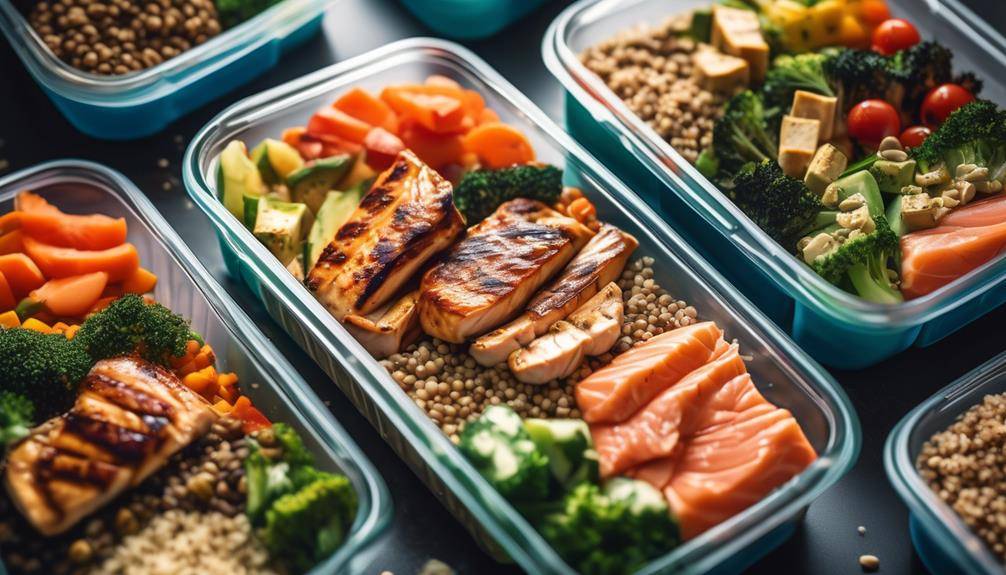
Ultimate Guide To Easy High-Protein Meal Prep; Are you ready to step into the kitchen and become the architect of your own high-protein fortress? Just like a master builder carefully constructs a sturdy structure, you too can construct a solid foundation of nutritious and delicious meals that will fuel your body and satisfy your taste buds. But where do you begin? How do you ensure that your high-protein meals are not only packed with nutrients, but also convenient and easy to prepare?
In this ultimate guide, we will unveil the secrets of high-protein meal prep, equipping you with the knowledge and tools to conquer your health and fitness goals. So, tighten your apron strings and prepare to embark on a culinary journey that will revolutionize your approach to mealtime.
We’ve Got Everything You Need to Make Your Masterpiece.
Benefits of High-Protein Meal Prep
By incorporating high-protein meal prep into your routine, you can maximize the nutritional value of your meals and optimize your overall health and well-being. High-protein meal prep has numerous health benefits, with weight loss being one of the most notable. Protein is an essential macronutrient that plays a crucial role in weight management.
When you consume high-protein meals, you tend to feel fuller for longer periods, which can help reduce your overall calorie intake. Protein has a higher thermic effect compared to carbohydrates and fats, meaning that your body burns more calories during the digestion and absorption process. This increased calorie expenditure can contribute to weight loss and increased fat burning.
Moreover, high-protein meal prep can help preserve muscle mass during weight loss. When you lower your calorie intake, your body may break down muscle tissue for energy. However, by consuming adequate protein, you can support muscle growth and maintenance, promoting a leaner body composition.
Research has also shown that high-protein meal prep can improve metabolic health. Protein has been found to increase satiety and reduce cravings, leading to decreased food intake and improved blood sugar control. Additionally, a high-protein diet has been associated with lower blood pressure and cholesterol levels, reducing the risk of cardiovascular diseases.
Essential Tools and Equipment for Meal Prep
To effectively engage in high-protein meal prep, it is essential to have the right tools and equipment at your disposal. These tools not only make the meal prep process more efficient, but they also help ensure that your meals are properly portioned and stored. Here are four essential tools and equipment that every meal prepper should have:
- Meal Prep Containers: Investing in high-quality meal prep containers is crucial for keeping your meals fresh and organized. Look for containers that are BPA-free, microwave-safe, and have leak-proof lids. Choose containers with compartments to separate different types of food, making it easier to control portion sizes and avoid cross-contamination.
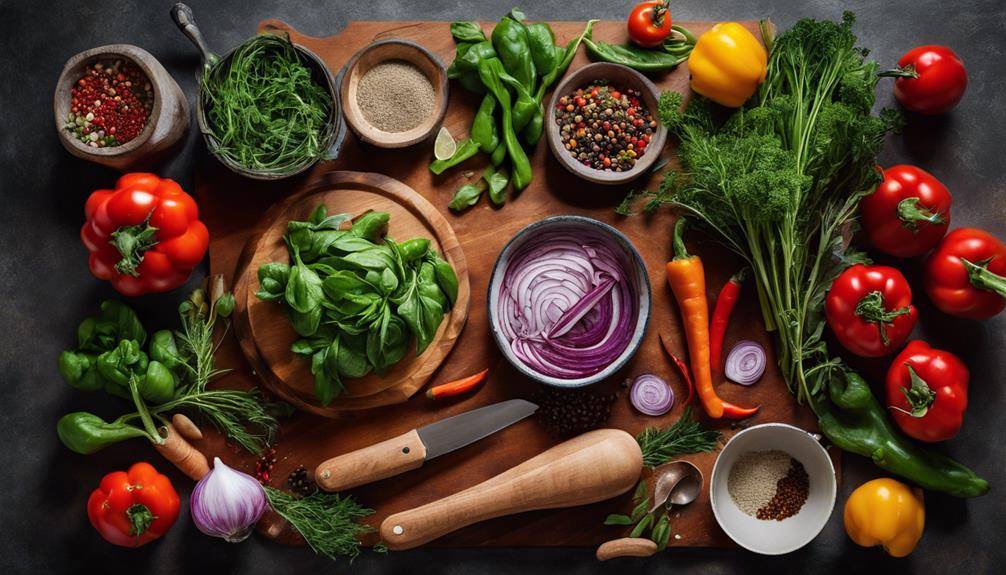
- Kitchen Utensils: To make your meal prep process smooth and hassle-free, make sure you have a set of reliable kitchen utensils. Essential utensils include a sharp chef’s knife for chopping vegetables and proteins, a cutting board, measuring cups and spoons, a mixing bowl, and a spatula. These utensils will help you efficiently prepare and portion your ingredients.
- Food Scale: Accurately measuring your ingredients is key to achieving the desired macronutrient ratios in your high-protein meals. A digital food scale allows you to weigh your portions precisely, ensuring that you stick to your nutritional goals. Look for a scale that can measure both solid and liquid ingredients.
- Blender or Food Processor: A blender or food processor is a versatile tool that can help you create smoothies, sauces, and dips. It allows you to easily blend ingredients together, making it easier to incorporate high-protein foods like protein powder, nuts, and Greek yogurt into your meals.
Planning Your High-Protein Meals for the Week
When planning your high-protein meals for the week, it’s important to consider effective meal planning strategies. This can include creating a meal schedule, selecting protein sources that meet your dietary needs, and ensuring variety in your meals. By carefully planning your high-protein meals, you can optimize your nutrition and support your fitness goals.
Meal Planning Strategies
To effectively plan your high-protein meals for the week, consider employing strategic meal planning strategies that prioritize protein intake while maximizing convenience and efficiency. Here are some meal planning tips to help you create balanced meals that are high in protein:
- Choose a variety of protein sources: Incorporate a mix of lean meats, poultry, fish, eggs, dairy products, legumes, and plant-based proteins like tofu and tempeh. This ensures you get a diverse range of essential amino acids.
- Prep protein-rich ingredients in advance: Cook a big batch of chicken breasts, ground turkey, or lentils, and portion them into individual servings. This saves time during the week and makes it easier to assemble protein-packed meals.
- Plan your meals around protein: Start by deciding how much protein you need per meal, and then build your meals around that target. Include protein-rich foods as the center of your plate and add vegetables, whole grains, and healthy fats to complete the meal.
- Use versatile protein sources: Opt for ingredients like eggs, Greek yogurt, and protein powder that can be used in a variety of dishes. This adds flexibility and allows you to easily increase your protein intake throughout the day.
Protein Sources to Consider
Incorporating a variety of protein sources into your high-protein meal plan is essential for ensuring a well-rounded and nutritious diet. When planning your meals, it is important to consider both animal and plant-based protein sources. Animal-based protein sources include lean meats like chicken, turkey, and fish, as well as eggs and dairy products. These options are rich in essential amino acids, which are the building blocks of proteins.
For vegetarians, there are several plant-based protein sources to choose from. Legumes such as lentils, chickpeas, and black beans are not only high in protein but also provide fiber and other important nutrients. Additionally, tofu, tempeh, and seitan are excellent vegetarian options that can be used as meat substitutes. By incorporating a variety of protein sources into your meal plan, you can meet your daily protein needs while enjoying a diverse and balanced diet.
Preparing High-Protein Ingredients in Advance
When it comes to preparing high-protein ingredients in advance, there are several options to choose from. You can opt for protein-packed ingredients such as lean meats, poultry, fish, tofu, and beans, which provide essential amino acids for muscle repair and growth. Proper storage techniques, such as using airtight containers or freezer bags, can help maintain the quality and freshness of these ingredients. Additionally, utilizing time-saving cooking methods like batch cooking or using a slow cooker can make meal prepping easier and more efficient.
We’ve Got Everything You Need to Make Your Masterpiece.
Protein-Packed Ingredient Options
For a high-protein meal prep, consider incorporating a variety of protein-packed ingredient options that can be prepared in advance. These ingredients not only provide essential nutrients but also add flavor and texture to your meals. Here are four protein-packed ingredient options to consider:
- Tofu: A versatile vegetarian protein source, tofu is rich in amino acids and can be marinated, baked, or stir-fried to add protein to your meals.
- Lentils: Packed with both protein and fiber, lentils are a great addition to soups, salads, and curries. They are also easy to cook in advance and store for later use.
- Greek Yogurt: With its high protein content and creamy texture, Greek yogurt makes a great base for smoothies, dressings, and dips.
- Quinoa: A complete protein source, quinoa is a grain-like seed that can be used as a base for salads, stir-fries, or as a side dish.
Incorporating these protein-packed ingredient options into your meal prep will ensure that you have a variety of high-protein meal ideas and vegetarian protein sources readily available.
Proper Storage Techniques
To ensure the longevity and quality of your high-protein ingredients, it is essential to employ proper storage techniques when preparing them in advance. Proper storage techniques play a crucial role in preventing food spoilage and maintaining the nutritional value of your ingredients. Firstly, it is important to store your high-protein ingredients in airtight containers or freezer bags to protect them from moisture and air exposure, which can lead to bacterial growth and food spoilage.
Additionally, labeling your containers with the date of preparation can help you keep track of their freshness. When storing cooked high-protein foods, it is recommended to refrigerate them within two hours of cooking to prevent bacterial growth. It is also advisable to store them in shallow containers to ensure rapid cooling. By following these proper storage techniques, you can extend the shelf life and maintain the quality of your high-protein ingredients, ultimately allowing for safe and nutritious meal prep.
Time-Saving Cooking Methods
One effective way to save time when preparing high-protein ingredients is by utilizing efficient cooking methods in advance. By employing time-saving cooking techniques, you can ensure that your protein-packed meals are quick and easy to prepare. Here are four methods to consider:
- Batch Cooking: Prepare a large quantity of protein-rich ingredients, such as grilled chicken or roasted tofu, at once. This allows you to use them in multiple recipes throughout the week.
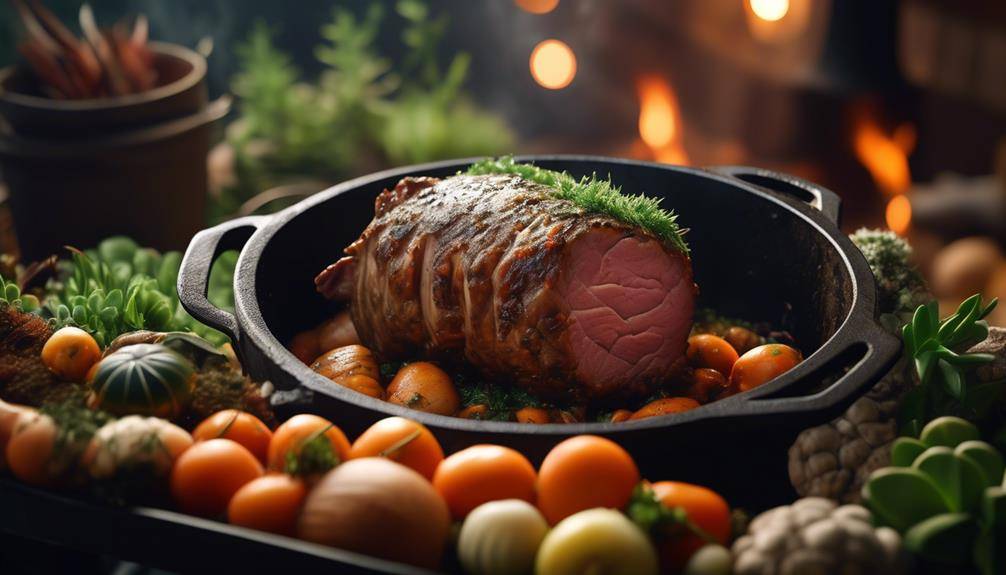
- Slow Cooker: Utilize this convenient appliance to cook proteins like beef, pork, or beans. Simply set it in the morning, and by dinnertime, you’ll have tender, flavorful protein ready to be incorporated into your meals.
- Pressure Cooker: With this tool, you can drastically reduce cooking time for proteins like lentils, chicken, or fish. It’s a great option for when you’re short on time but still want a nutritious meal.
- Sous Vide: This precise cooking method involves vacuum-sealing proteins and cooking them in a water bath at a specific temperature. Although it requires longer cooking times, it provides consistent results and allows you to multitask while your protein cooks.
High-Protein Meal Prep Recipes and Ideas
Maximizing your protein intake is essential for building and maintaining muscle mass, and we have curated a collection of high-protein meal prep recipes and ideas to help you achieve your fitness goals. Whether you are a vegetarian or looking to lose weight, these recipes will provide you with the necessary protein while also being delicious and convenient.
For those seeking high protein vegetarian options, we recommend trying a tofu stir-fry. Tofu is an excellent source of plant-based protein and can be flavored with various spices and sauces to create a flavorful and satisfying meal. Another option is a chickpea salad, which combines protein-rich chickpeas with fresh vegetables and a zesty dressing. This salad can be prepared in advance and enjoyed throughout the week.
If your goal is meal prep for weight loss, consider making a lean turkey and quinoa bowl. Turkey is a lean source of protein and pairing it with quinoa, a whole grain that is also high in protein, creates a balanced and nutritious meal. Additionally, preparing grilled chicken breast with roasted vegetables is a simple yet effective option. Chicken breast is low in fat and packed with protein, while the roasted vegetables provide essential vitamins and minerals.
Incorporating high-protein meal prep recipes into your routine is a smart and efficient way to meet your protein needs and support your fitness goals. These recipes offer a wide variety of options, catering to different dietary preferences and weight loss objectives. By planning and preparing your meals in advance, you can ensure that you have nutritious and protein-packed meals ready to go, making it easier to stay on track with your fitness journey.
We’ve Got Everything You Need to Make Your Masterpiece.
Storing and Reheating Your High-Protein Meals
To ensure the quality and safety of your high-protein meals, proper storage and reheating techniques are essential. Following these techniques will help you maintain the nutritional value of your meals and prevent the growth of harmful bacteria. Here are some tips to help you store and reheat your high-protein meals effectively:
- Use meal prep containers: Invest in high-quality, airtight meal prep containers that are specifically designed for storing food. These containers will help keep your meals fresh and prevent any cross-contamination.
- Refrigerate promptly: After cooking your high-protein meals, allow them to cool to room temperature before placing them in the refrigerator. This helps prevent the growth of bacteria. Store your meals in the refrigerator within two hours of cooking.
- Label and date your meals: To avoid confusion and ensure you consume your meals within their recommended shelf life, label each container with the name of the meal and the date it was prepared. Most high-protein meals can be stored safely in the refrigerator for up to four days.
- Reheat properly: When reheating your high-protein meals, make sure they reach an internal temperature of at least 165°F (74°C) to kill any bacteria that may have grown. Use a food thermometer to ensure proper reheating.
Frequently Asked Questions: Ultimate Guide To Easy High-Protein Meal Prep
How Many Grams of Protein Should I Aim for in Each High-Protein Meal?
You should aim for a specific amount of protein intake in each high-protein meal. The recommended amount varies depending on factors such as your weight and activity level. A high protein diet has numerous benefits for your health and fitness goals.
Can High-Protein Meal Prep Help With Weight Loss?
High-protein meal prep can aid in weight loss by promoting satiety, preserving muscle mass, and boosting metabolism. Incorporating it into a balanced diet allows for sufficient protein intake, supporting muscle building and overall health.
Are There Any Vegetarian or Vegan High-Protein Meal Prep Options?
There are plenty of vegetarian protein sources and vegan meal prep ideas available. Incorporating plant-based proteins like legumes, tofu, tempeh, and seitan can help you meet your high-protein needs while following a vegetarian or vegan diet.
Can I Freeze My High-Protein Meal Prep for Longer Storage?
Yes, you can freeze your high-protein meal prep for longer storage. Freezing benefits include preserving nutrients and extending shelf life. By preparing high protein meals in advance, you can save time and ensure you always have a nutritious option available.
How Long Can I Keep My High-Protein Meals in the Refrigerator Before They Go Bad?
You can keep your high-protein meals in the refrigerator for about 3 to 4 days before they go bad. It is important to prioritize food safety and proper meal planning to ensure optimal freshness and avoid potential health risks.

Conclusion
In conclusion, high-protein meal prep is a practical and efficient way to support a healthy and active lifestyle. By planning and preparing your meals in advance, you can ensure that you have nutritious and protein-rich options readily available throughout the week. This approach not only saves time and money but also promotes better dietary choices and helps achieve fitness goals. Incorporating high-protein meal prep into your routine can contribute to improved overall well-being and performance.