Essential Tips For Easy Gluten-Free Meal Preparation
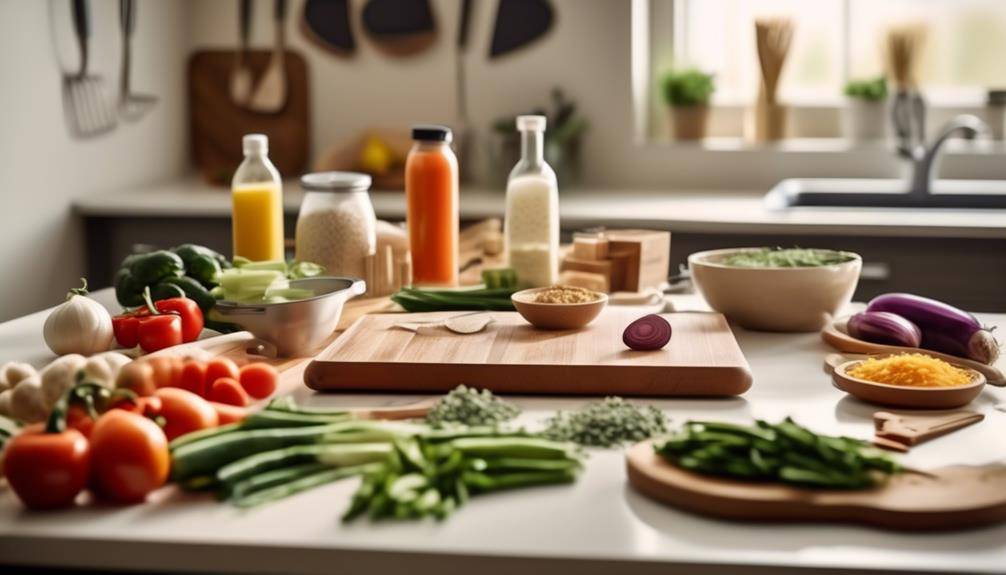
Tips For Easy Gluten-Free Meal Preparation; They say “you are what you eat,” and if you’ve made the decision to go gluten-free, then you’re already on the right track to a healthier lifestyle. But, navigating the world of gluten-free meal preparation can be a bit daunting at first. Don’t worry, though, because in this discussion, we’ll provide you with some essential tips that will not only make your gluten-free journey easier but also help you create delicious and satisfying meals that everyone will enjoy. So, whether you’re new to the gluten-free lifestyle or just looking for some fresh ideas, keep reading to discover the secrets of successful gluten-free meal preparation.
We’ve Got Everything You Need to Make Your Masterpiece.
Understanding Gluten and Its Sources
To understand gluten and its sources, it is essential to grasp the basics of this protein and its presence in various food products. Gluten is a protein found in wheat, barley, and rye. It is responsible for the elasticity in dough and gives bread its chewy texture. However, some people have a sensitivity to gluten, which can cause adverse reactions in their bodies. Gluten sensitivity is not the same as celiac disease, but it can still cause discomfort and digestive issues.
If you have gluten sensitivity or choose to follow a gluten-free diet, it is important to be aware of the many food products that contain gluten. These include bread, pasta, cereals, and baked goods. It is crucial to read labels carefully and look for gluten-free substitutes. Fortunately, there are many gluten-free alternatives available in the market today.
Gluten-free substitutes can be made from a variety of ingredients such as rice, corn, quinoa, and tapioca. These substitutes can be used to make gluten-free bread, pasta, and other baked goods. Additionally, there are gluten-free flours available that can be used as a substitute for all-purpose flour in recipes.
When shopping for gluten-free substitutes, it is important to check the label for any hidden sources of gluten. Some products may be labeled as gluten-free but still contain traces of gluten due to cross-contamination during manufacturing. It is always a good idea to look for certified gluten-free products to ensure their safety.
Reading Food Labels Carefully
Be diligent in reading food labels carefully to ensure that your gluten-free diet remains free from any hidden sources of gluten. Understanding gluten sensitivity and identifying hidden sources of gluten is crucial for maintaining a healthy gluten-free lifestyle. When it comes to gluten-free meal preparation, reading food labels becomes a vital step in ensuring that the products you consume are safe for your diet.
To start, always check the ingredient list for any potential sources of gluten. Look out for ingredients such as wheat, barley, rye, and oats that may contain gluten. Keep in mind that oats are often cross-contaminated with gluten-containing grains during processing, so it’s important to look for certified gluten-free oats. Additionally, be aware of hidden sources of gluten that may not be as obvious. These can include ingredients like modified food starch, maltodextrin, and hydrolyzed vegetable protein, which are derived from gluten-containing grains.
Apart from checking the ingredient list, pay attention to any gluten-free certifications or labels on the packaging. Look for certifications from reputable organizations like the Gluten-Free Certification Organization (GFCO) or the Celiac Sprue Association (CSA). These certifications indicate that the product has undergone rigorous testing and meets the standards for gluten-free products.
Remember to be cautious with processed foods, as they often contain hidden sources of gluten. Many sauces, dressings, and condiments may contain gluten or be processed on shared equipment, leading to cross-contamination. Always double-check the labels and opt for certified gluten-free alternatives whenever possible.
Stocking a Gluten-Free Pantry
When stocking a gluten-free pantry, ensure that you have a variety of wholesome, gluten-free ingredients readily available. Understanding gluten sensitivity is crucial in maintaining a gluten-free lifestyle. Gluten sensitivity is an immune reaction triggered by the consumption of gluten, a protein found in wheat, barley, and rye. For individuals with gluten sensitivity, stocking a gluten-free pantry is essential to avoid accidental exposure to gluten.
To start, it is important to have gluten-free grains on hand. Rice, quinoa, millet, and buckwheat are excellent options that can be used as substitutes for gluten-containing grains in various recipes. These grains provide essential nutrients and can be used in both savory and sweet dishes.
In addition to grains, stocking a gluten-free pantry should include gluten-free flours for baking. Common gluten-free flours include almond flour, coconut flour, and tapioca flour. These flours can be used to make delicious gluten-free bread, muffins, and cakes. It is important to note that gluten-free baking requires different techniques and ratios compared to traditional baking. Gluten-free baking tips, such as using xanthan gum as a binding agent and adding extra moisture, can help achieve better results.
Another important aspect of stocking a gluten-free pantry is having gluten-free snacks and condiments. Look for gluten-free versions of your favorite snacks, such as pretzels, crackers, and granola bars. Additionally, check the labels of condiments like soy sauce, salad dressings, and marinades to ensure they are gluten-free.
We’ve Got Everything You Need to Make Your Masterpiece.
Choosing Gluten-Free Grains and Flours
When choosing gluten-free grains and flours, there are a few popular options to consider. Quinoa, brown rice, and buckwheat are all nutritious alternatives that can be used in a variety of dishes. Additionally, exploring flour alternatives like almond flour, coconut flour, and tapioca flour can add variety and flavor to your gluten-free cooking.
Popular Gluten-Free Grains
To choose gluten-free grains and flours, consider incorporating a variety of nutritious options into your diet. There are several popular gluten-free grain substitutes that can be used in baking and cooking. Quinoa is a versatile grain that is high in protein and fiber, making it a great choice for gluten-free diets. It can be used in salads, soups, or as a side dish.
Another option is brown rice, which is naturally gluten-free and can be used in a variety of dishes, such as stir-fries or as a base for grain bowls. Buckwheat is another gluten-free grain that can be used in baking, as well as in pancakes and porridge. Lastly, amaranth is a tiny grain that is packed with nutrients and can be used in baking or cooked as a hot cereal. Experimenting with these gluten-free grains will help you discover new flavors and textures in your gluten-free meals.
Nutritious Flour Alternatives
If you’re looking for nutritious alternatives to traditional wheat flour, there are a variety of gluten-free grains and flours that can be incorporated into your meal preparations. These alternatives provide a range of nutritional benefits and can add interesting flavors and textures to your dishes. One popular option is almond flour, which is high in protein, healthy fats, and vitamin E.
Another choice is coconut flour, which is high in fiber and low in carbohydrates. Buckwheat flour is another nutritious option, as it is rich in antioxidants and provides a good amount of protein and fiber. Other gluten-free grains and flours to consider include quinoa flour, brown rice flour, and sorghum flour. These alternatives can be used in a variety of recipes, from pancakes and breads to cookies and cakes. Experiment with different combinations to find the flavors and textures that you enjoy the most.
Cooking With Gluten-Free Grains
Choosing gluten-free grains and flours is an essential step in cooking with gluten-free ingredients. Fortunately, there are many options available that can be used in a variety of cooking techniques and recipe ideas. One popular gluten-free grain is quinoa, which is not only high in protein but also versatile. It can be used as a base for salads, added to soups, or used as a substitute for rice in stir-fries.
Another option is buckwheat, which is actually a seed and not a grain. It can be ground into flour and used in baking or cooked and enjoyed as a side dish. Other gluten-free grains and flours to consider include amaranth, millet, sorghum, and almond flour. Experimenting with these grains and flours will allow you to create delicious gluten-free meals that cater to your dietary needs.
Avoiding Cross-Contamination in the Kitchen
To ensure the safety of your gluten-free meals, it is important to take precautions to avoid cross-contamination in the kitchen. Cross-contamination occurs when gluten-containing ingredients come into contact with gluten-free ingredients, leading to the unintentional presence of gluten in your meals. By following proper cross-contamination prevention techniques and maintaining good kitchen hygiene, you can minimize the risk of gluten exposure and enjoy safe gluten-free meals.
One of the most crucial steps in preventing cross-contamination is to keep gluten-containing and gluten-free ingredients separate. Designate separate areas in your kitchen for gluten-free preparation and storage. Use separate cutting boards, utensils, and containers for gluten-free foods. It is also important to thoroughly clean all surfaces, utensils, and equipment before and after each use. Regularly sanitize your kitchen to eliminate any potential sources of gluten.
Furthermore, be mindful of the potential for airborne cross-contamination. Avoid using flour or any other gluten-containing products near your gluten-free ingredients. When cooking, ensure that there is no possibility of gluten-containing ingredients splashing or coming into contact with your gluten-free food. This includes being cautious with shared kitchen appliances, such as toasters or fryers, as they can be sources of cross-contamination.
Another essential aspect of cross-contamination prevention is proper labeling and storage of ingredients. Clearly label all containers to distinguish between gluten-containing and gluten-free items. Store gluten-free ingredients in sealed containers or separate shelves to prevent any accidental mixing.
Lastly, practice good personal hygiene when preparing gluten-free meals. Wash your hands thoroughly before and after handling gluten-free ingredients. This will help eliminate any potential traces of gluten that may be present on your hands.
Planning Gluten-Free Meals in Advance
Now that you have taken the necessary precautions to prevent cross-contamination in your kitchen, it is time to streamline your gluten-free meal preparation by planning in advance. Planning your meals ahead of time not only saves you precious minutes during the week but also ensures that you have delicious and safe gluten-free options readily available. Here are four planning strategies and time-saving tips to help you on your gluten-free journey:
- Create a weekly meal plan: Sit down and plan out your meals for the week. This will not only help you stay organized but also allow you to incorporate a variety of gluten-free options into your diet. Consider using online resources or cookbooks for inspiration and write down your grocery list accordingly.
- Prep ingredients in advance: Take some time during the weekend or on a day off to prep ingredients for the week ahead. Chop vegetables, marinate meats, or cook grains and store them in airtight containers in the fridge. This will save you time during the busy weekdays when you can simply grab pre-prepared ingredients and whip up a gluten-free meal in no time.
- Cook in batches: Make larger portions of gluten-free meals and freeze them in individual portions. This way, you’ll have ready-to-eat meals whenever you need them. Soups, stews, and casseroles are great options for batch cooking and freezing.
- Invest in time-saving kitchen tools: Consider investing in tools like a slow cooker or an Instant Pot. These appliances can help you prepare gluten-free meals with minimal effort. Additionally, having a well-stocked pantry with gluten-free staples like grains, flours, and snacks will also save you time and make meal preparation a breeze.
Incorporating Fresh Fruits and Vegetables
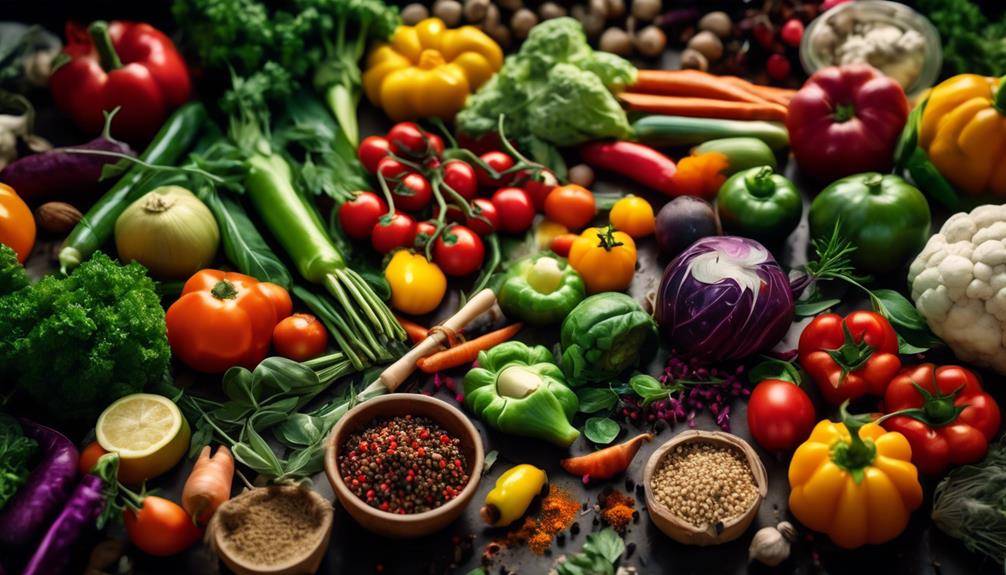
When it comes to incorporating fresh fruits and vegetables into your gluten-free meals, you have a plethora of nutrient-packed produce options to choose from. Not only are fruits and vegetables rich in vitamins, minerals, and fiber, but they also add vibrant colors and flavors to your dishes. Get creative by adding sliced fruits to salads, blending vegetables into smoothies, or roasting them for a delicious side dish.
We’ve Got Everything You Need to Make Your Masterpiece.
Nutrient-Packed Produce Options
Incorporate fresh fruits and vegetables into your gluten-free meals to enhance their nutritional value and provide a burst of flavor. Here are four nutrient-packed produce options to consider:
- Leafy Greens: Incorporating leafy greens like spinach, kale, and Swiss chard into your meals can provide a wealth of vitamins and minerals such as vitamin C, vitamin K, and folate. These greens also add a vibrant color and refreshing taste to your dishes.
- Root Vegetables: Incorporating root vegetables like carrots, sweet potatoes, and beets can add a natural sweetness and hearty texture to your gluten-free meals. They are rich in fiber, antioxidants, and essential nutrients like vitamin A and potassium.
- Berries: Incorporating berries such as blueberries, strawberries, and raspberries can add a burst of flavor and a touch of sweetness to your gluten-free dishes. Berries are packed with antioxidants, vitamins, and fiber, making them a nutritious addition to any meal.
- Citrus Fruits: Incorporating citrus fruits like oranges, lemons, and grapefruits can add a tangy and refreshing taste to your gluten-free meals. Citrus fruits are a great source of vitamin C, which helps boost your immune system and supports overall health.
Creative Ways to Incorporate
Enhance the flavor and nutritional value of your gluten-free meals by getting creative with how you incorporate fresh fruits and vegetables. Incorporating gluten-free substitutes, like cauliflower rice or zucchini noodles, can add a healthy twist to your meals without sacrificing taste or texture. Try using thinly sliced cucumber or lettuce leaves as a substitute for gluten-filled wraps or tortillas.
You can also experiment with adding fruits and vegetables to your gluten-free baked goods, such as using mashed bananas or applesauce as a replacement for eggs or oil. Another option is to blend fruits and vegetables into smoothies or juices to enjoy as a refreshing and nutrient-packed beverage. By incorporating fresh produce in creative ways, you can elevate the taste and nutritional profile of your gluten-free meals.
Exploring Gluten-Free Protein Options
To diversify your gluten-free meal options, consider incorporating a variety of protein sources that are safe and suitable for your dietary needs. Protein is an essential nutrient that helps build and repair tissues, supports a healthy immune system, and provides energy. While many protein sources contain gluten, there are numerous gluten-free options available that can add variety and nutrition to your meals. Here are four protein-rich gluten-free options to consider:
- Lean Meats: Opt for lean cuts of beef, pork, chicken, or turkey. These meats are naturally gluten-free and packed with protein. Grilling, baking, or sautéing them with gluten-free seasonings and marinades can create delicious and satisfying meals.
- Seafood: Fish and shellfish are excellent gluten-free protein sources. They are not only high in protein but also rich in omega-3 fatty acids, which promote heart health. Try incorporating salmon, tuna, shrimp, or cod into your meals through grilling, baking, or pan-searing.
- Legumes: Beans, lentils, and chickpeas are gluten-free and contain a substantial amount of protein. They are versatile ingredients that can be used in soups, stews, salads, and side dishes. Experiment with different types of legumes to add variety and texture to your meals.
- Dairy and Dairy Alternatives: If you tolerate dairy, include Greek yogurt, cottage cheese, or milk as part of your protein intake. These options are not only rich in protein but also provide calcium and other essential nutrients. For those who are lactose intolerant or prefer non-dairy alternatives, consider soy, almond, or pea protein milk.
Adding Flavor With Gluten-Free Spices and Herbs
Consider using a variety of gluten-free spices and herbs to add flavor and depth to your meals. When following a gluten-free diet, it’s important to pay attention to the ingredients in your spice blends and herbs to ensure they are free from any hidden gluten. Luckily, there are many gluten-free options available that can enhance the taste of your dishes.
One way to add flavor to your gluten-free meals is by using gluten-free spice blends. These pre-made mixes are specifically designed to be free from gluten and can save you time in the kitchen. Look for labels that explicitly state “gluten-free” to ensure they are safe to use. Popular gluten-free spice blends include taco seasoning, curry powder, and Italian seasoning. These blends can be used in a variety of dishes such as tacos, stews, and pasta sauces to add a burst of flavor.
In addition to spice blends, you can also get creative with herb combinations to elevate the taste of your gluten-free meals. Fresh herbs like basil, cilantro, and rosemary are all gluten-free and can add a vibrant taste to your dishes. Experiment with different combinations to find your favorite flavor profiles. For example, a mixture of basil, parsley, and oregano can be used to create a delicious Italian seasoning for pasta dishes.
Remember to always read labels and check for any potential sources of hidden gluten when selecting your spices and herbs. By incorporating gluten-free spice blends and creative herb combinations into your meals, you can enjoy flavorful and delicious gluten-free dishes.
Baking Gluten-Free Goodies
When baking gluten-free goodies, it’s important to use alternative flours and ingredients that are free from gluten. Here are four essential tips to help you bake delicious gluten-free bread and desserts:
- Choose the right flour blend: Gluten-free baking requires a different combination of flours to achieve the desired texture and taste. Look for gluten-free flour blends specifically formulated for baking. These blends usually contain a mix of flours like rice, potato, and tapioca, which mimic the properties of wheat flour.
- Add binders and leaveners: Gluten-free flours lack the elasticity and structure provided by gluten. To compensate for this, add binders like xanthan gum or psyllium husk powder to improve the texture of your baked goods. Additionally, use gluten-free baking powder or yeast as leavening agents to help your bread and desserts rise.
- Experiment with alternative ingredients: Get creative with your gluten-free baking by using ingredients like almond flour, coconut flour, or oat flour. These alternatives not only add flavor and variety but also contribute to a moist and tender texture.
- Follow the recipe closely: When baking gluten-free, it’s crucial to follow the recipe instructions carefully. Gluten-free flours require different ratios and techniques compared to traditional baking. Be precise with measurements, mixing times, and baking temperatures to ensure the best possible outcome.
Trying Out Gluten-Free Pasta and Noodle Alternatives
When it comes to trying out gluten-free pasta and noodle alternatives, there are a variety of options to choose from. You can opt for pasta made from rice, corn, quinoa, or even legumes like chickpeas and lentils. These alternatives offer a great way to enjoy your favorite pasta dishes without gluten, and they can be cooked just like regular noodles. Plus, with the growing popularity of gluten-free diets, there are many delicious pasta alternatives available in stores and online.
We’ve Got Everything You Need to Make Your Masterpiece.
Types of Gluten-Free Pasta
To explore the world of gluten-free pasta and noodle alternatives, start by familiarizing yourself with the various types available. Here are four options to consider:
- Rice Pasta: Made from rice flour, this pasta has a mild flavor and a texture similar to traditional wheat pasta. It’s versatile and works well in a variety of dishes.
- Corn Pasta: Made from corn flour, this pasta has a slightly sweet taste and a firmer texture. It’s a great option for those who prefer a heartier pasta.
- Quinoa Pasta: Made from quinoa flour, this pasta is packed with protein and has a nutty flavor. It’s a nutritious alternative that also offers a unique taste.
- Legume Pasta: Made from legume flours such as chickpea or lentil, this pasta is high in protein and fiber. It has a slightly earthy taste and holds up well in sauces.
When cooking gluten-free pasta, follow the instructions on the package and be mindful not to overcook it, as it can become mushy. Rinse it with cold water after cooking to prevent sticking. Explore different brands and cooking techniques to find your favorite gluten-free pasta option.
Cooking Gluten-Free Noodles
For a delicious and satisfying gluten-free pasta experience, explore the wide variety of alternatives available and experiment with different cooking techniques. Cooking gluten-free noodles requires some adjustments to ensure they turn out perfectly. One important tip is to follow the instructions on the package carefully, as cooking times may vary. It’s also crucial to cook the noodles in plenty of salted water to prevent them from sticking together.
When it comes to cooking techniques, boiling is the most common method, but you can also try sautéing or stir-frying gluten-free noodles for a different texture and flavor. Additionally, consider incorporating various recipe ideas, such as tossing cooked noodles with olive oil, garlic, and vegetables, or creating a creamy Alfredo sauce to complement your gluten-free pasta. Don’t be afraid to get creative and enjoy the versatility of gluten-free noodles in your cooking.
Delicious Pasta Alternatives
Explore the wide variety of gluten-free pasta and noodle alternatives to add delicious and satisfying options to your meal preparations. Here are four gluten-free alternatives that will keep your taste buds happy:
- Rice noodles: Made from rice flour, these noodles have a light and delicate texture, perfect for stir-fries and soups.
- Zucchini noodles: Use a spiralizer to turn zucchini into long, thin strands that mimic the shape and texture of spaghetti. Top with your favorite sauce for a healthy and low-carb option.
- Bean-based pasta: Made from black beans, chickpeas, or lentils, these pastas are packed with protein and fiber. They have a slightly different taste and texture but are equally delicious.
- Gluten-free pasta made from corn or quinoa: These options are often indistinguishable from traditional wheat-based pasta, providing a familiar taste and texture.
Try these pasta alternatives and discover a whole new world of gluten-free meal options.
Dining Out Gluten-Free: Tips and Tricks
When dining out gluten-free, it’s important to be aware of a few tips and tricks to ensure a safe and enjoyable experience. Here are some recommendations to help you navigate restaurant menus and maintain a gluten-free diet while traveling.
- Research restaurants beforehand: Before heading out, take the time to research restaurants in the area that offer gluten-free options. Many establishments now have dedicated gluten-free menus or clearly label gluten-free dishes. Reading reviews and checking websites can give you an idea of how knowledgeable and accommodating a restaurant is.
- Communicate your needs: When dining out, don’t hesitate to inform your server about your gluten-free requirements. Ask questions about ingredients, cooking methods, and the risk of cross-contamination. Clear communication is essential to ensure your meal is prepared safely.
- Be cautious with sauces and dressings: Sauces and dressings can often contain hidden gluten. Ask for them to be served on the side or inquire about gluten-free alternatives. You can also request simple substitutions like olive oil and vinegar.
- Opt for naturally gluten-free options: Many cuisines have naturally gluten-free dishes, such as grilled meat or fish, salads, and vegetable-based dishes. These options are often safer choices and can help you avoid the risk of cross-contamination.
- Be prepared while traveling: When traveling, bring gluten-free snacks and research gluten-free dining options in advance. Consider packing some travel-sized gluten-free sauces, dressings, or condiments to add flavor to your meals on the go.
Packing Gluten-Free Lunches and Snacks
When packing gluten-free lunches and snacks, it’s important to consider portion control for snacks to ensure balanced nutrition. Using meal prep containers can help you organize and pack your meals in advance, making it easier to stick to your gluten-free diet. Additionally, exploring a variety of gluten-free options will keep your lunches and snacks interesting and enjoyable.
Portion Control for Snacks
To ensure proper portion control when packing gluten-free lunches and snacks, it is important to consider the nutritional needs and dietary restrictions of the individual. Here are four tips to help you maintain portion control for snacks:
- Use portion-sized containers: Invest in containers specifically designed for portion control. This will help you measure and pack snacks in appropriate amounts.
- Pre-portion snacks: Instead of taking the entire bag of gluten-free chips or cookies, pre-portion them into smaller snack bags. This will prevent mindless overeating and make it easier to stick to appropriate portion sizes.
- Choose healthy options: Opt for nutrient-dense snacks such as fresh fruits, vegetables, nuts, and seeds. These options are not only gluten-free but also provide essential vitamins, minerals, and fiber.
- Be mindful of portion sizes for desserts: While gluten-free desserts can be a delicious treat, it’s important to watch portion sizes. Enjoy a small serving and savor the flavors without going overboard.
Meal Prep Containers
To continue with meal preparation for gluten-free lunches and snacks, one important aspect to consider is the use of appropriate meal prep containers. Choosing the right containers can help keep your meals fresh, organized, and free from cross-contamination. When selecting meal prep containers, opt for BPA-free plastic or glass containers that are leak-proof and microwave-safe. Ensure they have separate compartments to prevent mixing of different food items.
Additionally, consider investing in reusable silicone bags or stainless steel containers for snacks and smaller portions. These containers are not only eco-friendly but also help maintain the freshness of your gluten-free snacks. By using the right meal prep containers, you can streamline your meal planning process and ensure that your gluten-free lunches and snacks are conveniently packed and ready to go
Variety of Gluten-Free Options
For a diverse range of gluten-free options when packing lunches and snacks, consider incorporating a variety of fresh fruits, vegetables, lean proteins, and whole grains. Here are some ideas to get you started:
- Fresh fruits: Pack sliced apples, grapes, or berries for a refreshing and naturally sweet snack. You can also make fruit salad or blend fruits into a smoothie for a nutrient-packed lunch option.
- Vegetables: Include a mix of raw vegetables like carrots, cucumber, and bell peppers for a crunchy and satisfying snack. You can also make veggie wraps using lettuce or collard greens as a gluten-free alternative to bread.
- Lean proteins: Opt for grilled chicken or turkey breast, boiled eggs, or canned tuna as a protein source. These can be easily incorporated into salads or made into sandwiches using gluten-free bread or wraps.
- Whole grains: Choose gluten-free grains like quinoa, brown rice, or buckwheat to make salads, stir-fries, or grain bowls. These grains provide fiber and essential nutrients while keeping you full and satisfied.
Staying Informed About Gluten-Free Resources and Support
Staying informed about gluten-free resources and support is crucial for individuals following a gluten-free diet. When it comes to navigating the world of gluten-free living, it’s essential to have access to reliable information and a supportive community. One valuable resource is gluten-free support groups. These groups provide a platform for individuals to connect, share experiences, and exchange tips and advice on living a gluten-free lifestyle. Joining a support group can help you stay motivated, find new recipes, and discover helpful resources for gluten-free meal preparation.
In addition to support groups, it’s important to stay updated on gluten-free cooking techniques. As the demand for gluten-free options continues to rise, new cooking methods and ingredients are constantly being developed. By staying informed about these techniques, you can expand your culinary skills and create delicious gluten-free meals at home. Various online resources, such as blogs, websites, and cooking videos, offer step-by-step instructions and helpful tips for gluten-free cooking. These resources can guide you through the process of adapting your favorite recipes to be gluten-free or help you discover new dishes that are naturally gluten-free.
Furthermore, there are many gluten-free cookbooks available that provide comprehensive guidance on gluten-free meal preparation. These cookbooks often include detailed information on ingredient substitutions, cooking techniques, and recipe modifications. Investing in a good gluten-free cookbook can be a valuable tool in your gluten-free journey, providing you with a wide range of recipes and inspiration for creating tasty and nutritious gluten-free meals.
We’ve Got Everything You Need to Make Your Masterpiece.
Frequently Asked Questions: Tips For Easy Gluten-Free Meal Preparation
Can You Recommend Any Gluten-Free Substitutes for Common Baking Ingredients Like Flour and Breadcrumbs?
You can try using gluten-free flour alternatives like almond flour or tapioca flour as substitutes for regular flour in baking. For breadcrumbs, get creative with gluten-free options like crushed rice crackers or cornmeal.
Are There Any Specific Kitchen Utensils or Tools That Should Be Dedicated Solely to Gluten-Free Meal Preparation?
You should consider using dedicated utensils for gluten-free meal preparation. This helps reduce the risk of cross-contamination. Additionally, using gluten-free substitutes for common ingredients like flour and breadcrumbs can ensure your meals are safe to eat.
How Can I Ensure That My Gluten-Free Meals Are Still Nutritious and Balanced?
To ensure your gluten-free meals are still nutritious and balanced, focus on gluten-free meal planning strategies. Incorporate a variety of gluten-free ingredients that offer nutritional benefits, such as whole grains, fruits, vegetables, lean proteins, and healthy fats.
What Are Some Gluten-Free Options for Packed Lunches and On-The-Go Snacks?
Looking for gluten-free options for packed lunches and on-the-go snacks? Get creative with gluten-free recipes like quinoa salad, veggie wraps, and fruit skewers. Don’t forget to try out some delicious gluten-free desserts too!
How Can I Effectively Communicate My Dietary Restrictions and Needs to Restaurants When Dining Out?
When dining out, effectively communicate your dietary restrictions and needs to restaurants. Make sure to clearly state that you require gluten-free options and ask for recommendations from the menu that fit your requirements.

Conclusion
In conclusion, following these essential tips for gluten-free meal preparation can greatly improve your ability to navigate a gluten-free lifestyle. By understanding gluten, reading food labels carefully, stocking a gluten-free pantry, choosing the right grains and flours, avoiding cross-contamination, trying out alternative pasta options, dining out smartly, packing gluten-free lunches and snacks, and staying informed about resources and support, you can enjoy delicious and safe gluten-free meals with confidence.