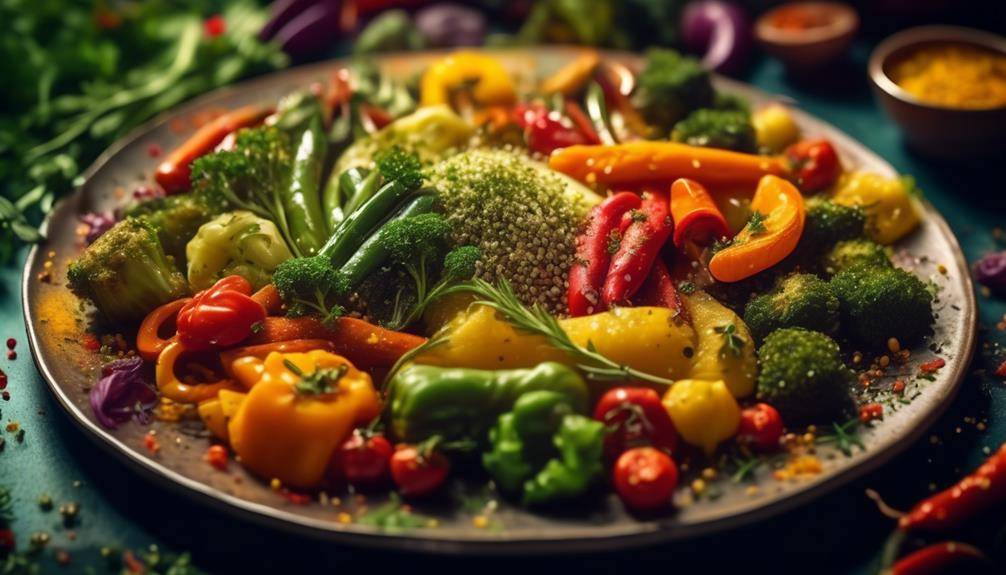
11 Great Tips For Slow Cooking Vegetables
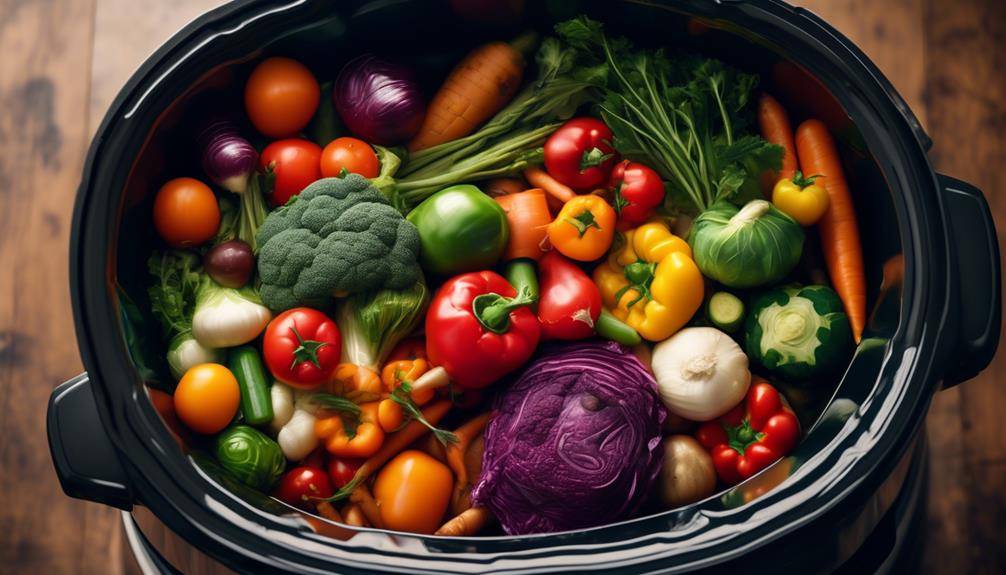
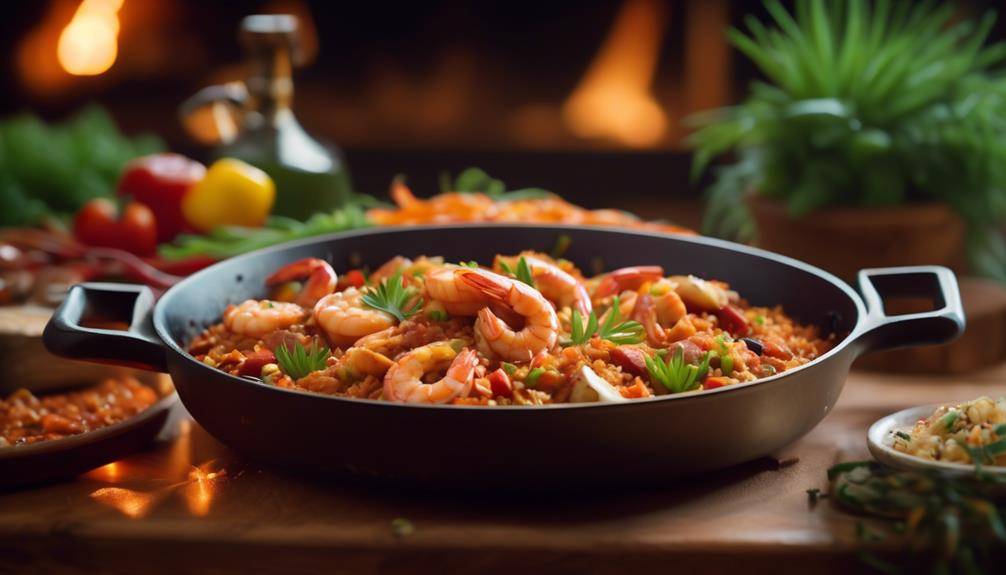
11 Great Tips For Slow Cooking Vegetables; Slow cooking vegetables is one of the easiest ways to build deep, rich flavor without any extra effort. When vegetables simmer low and slow, their natural sweetness intensifies, their textures soften beautifully, and every ingredient blends into a warm, comforting dish. Whether you’re meal‑prepping, cooking for your family, or simply craving something nourishing, mastering a few simple techniques can make all the difference. In this guide, you’ll learn the essential tips for slow cooking vegetables so every batch turns out tender, flavorful, and perfectly seasoned.
We’ve Got Everything You Need to Make Your Masterpiece.
What You’ll Learn in This Guide
- How to choose the best vegetables for slow cooking
- The right way to prep and cut vegetables for even cooking
- How to layer flavors for deeper, richer results
- The best liquids, spices, and aromatics to use
- When to stir (and when not to)
- How to add dairy, herbs, and finishing touches at the perfect time
- Simple tricks to avoid mushy or bland vegetables
Choose the Right Vegetables
To ensure the best results in slow cooking, it is crucial to carefully select the right vegetables for your recipe. Choosing the right vegetables is essential because different vegetables have different cooking times and textures. Some vegetables, like carrots and potatoes, are perfect for slow cooking because they can withstand long cooking times without losing their texture. On the other hand, delicate vegetables like zucchini and bell peppers can become mushy if cooked for too long.
When it comes to slow cooking vegetables, it is important to consider the best cooking methods for each type. Root vegetables like carrots, potatoes, and onions are ideal for slow cooking as they develop a rich, sweet flavor and become tender and delicious. They can be added at the beginning of the cooking process and will hold up well over time. Leafy greens like spinach and kale, on the other hand, are best added towards the end of the cooking time to prevent them from becoming overly wilted and losing their vibrant color.
One common mistake people make when slow cooking vegetables is using the wrong size of vegetable pieces. It is important to cut the vegetables into uniform sizes to ensure even cooking. If the pieces are too large, they may take longer to cook and become unevenly cooked. On the other hand, if the pieces are too small, they may become mushy and lose their texture.
Prep Your Vegetables Properly
As you continue your journey to perfect slow-cooked vegetables, it’s time to dive into the essential step of preparing your vegetables properly. The first step in this process is properly washing your vegetables. This is crucial to remove any dirt, pesticides, or bacteria that may be lingering on the surface. To do this, simply rinse your vegetables under cold water, making sure to remove any visible dirt or debris. For vegetables with tougher skins, like potatoes or carrots, you can use a vegetable brush to gently scrub away any dirt that may be trapped in the crevices.
Once your vegetables are clean, you may want to consider using blanching techniques to further enhance their flavor and texture. Blanching involves briefly immersing the vegetables in boiling water, followed by a quick plunge into an ice bath to stop the cooking process. This technique not only helps to remove any bitterness from certain vegetables, but it also helps to preserve their vibrant color and crispness.
To blanch your vegetables, start by bringing a pot of water to a rolling boil. While the water is heating up, prepare an ice bath by filling a large bowl with ice and cold water. Once the water is boiling, carefully add your vegetables and let them cook for just a few minutes. The cooking time will vary depending on the type and size of your vegetables, so be sure to monitor them closely. After the desired cooking time, quickly transfer the vegetables to the ice bath to cool them down rapidly.
Properly washing and blanching your vegetables are two essential steps in preparing them for slow cooking. By taking the time to do these steps correctly, you’ll ensure that your vegetables are clean, flavorful, and perfectly cooked. So, don’t skip these important steps and get ready to enjoy delicious, slow-cooked vegetables.
Select the Perfect Cooking Liquid
When it comes to slow cooking vegetables, selecting the perfect cooking liquid is key. The type of liquid you choose can greatly enhance the flavor of your dish. Whether you opt for vegetable broth, wine, or even coconut milk, each liquid brings its own unique taste and richness to your slow-cooked vegetables. So, let’s explore the different types of liquid and discover how they can elevate your culinary creations.
Liquid Types
Enhance the flavor and texture of your slow-cooked vegetables by carefully selecting the perfect cooking liquid. The type of liquid you use can greatly impact the taste and overall outcome of your dish. Here are two key considerations when choosing the right cooking liquid:
- Broth or Stock: Using vegetable broth or stock is a popular choice for slow cooking vegetables. It adds depth of flavor and helps to keep the vegetables moist. Vegetable broth works well with a variety of cooking techniques, such as braising or stewing. It pairs beautifully with a range of vegetables, including root vegetables like carrots and potatoes.
- Wine: Adding wine to your slow-cooked vegetables can impart a rich, complex flavor. Red wine pairs well with heartier vegetables like mushrooms and eggplant, while white wine complements lighter vegetables like zucchini and cauliflower. Choose a dry wine for best results.
Flavor Enhancement
To elevate the flavor of your slow-cooked vegetables, carefully selecting the perfect cooking liquid is essential. The right choice of cooking liquid can enhance the taste and bring out the natural flavors of your vegetables. When it comes to flavor pairing, consider using vegetable or chicken broth for a savory taste. These broths add depth and richness to the vegetables, making them more enjoyable to eat. If you prefer a tangy flavor, try using tomato juice or lemon juice as your cooking liquid. These acidic ingredients can brighten up the flavors of the vegetables and add a refreshing twist.
Additionally, you can experiment with different cooking techniques such as braising or stewing to further enhance the flavors of your slow-cooked vegetables. Remember, the right cooking liquid can make all the difference in creating a delicious and flavorful dish.
We’ve Got Everything You Need to Make Your Masterpiece.
Use the Right Spices and Seasonings
For the best flavor and aroma in your slow cooked vegetables, be sure to choose the perfect combination of spices and seasonings. The right spices and seasonings can elevate the taste of your vegetables, making them more delicious and satisfying. Here are some essential tips to help you use the right spices and seasonings for your slow cooked vegetables:
- Flavor Pairing:
- Experiment with different flavor combinations to find the perfect match for your vegetables. Some classic pairings include:
- Garlic and thyme: These aromatic herbs add a savory depth to your vegetables.
- Cumin and coriander: These spices bring a warm and earthy flavor to your dishes.
- Don’t be afraid to think outside the box and try unusual combinations. For example, cinnamon and nutmeg can add a touch of sweetness to root vegetables like carrots and sweet potatoes.
- Cooking Techniques:
- Consider the cooking technique you will be using and choose spices and seasonings accordingly. For example:
- Roasting: Bold spices like paprika and chili powder can withstand the high heat of roasting, adding a smoky flavor to your vegetables.
- Braising: Fragrant spices like star anise and cloves can infuse your vegetables with their unique aroma during the slow braising process.
- Remember to adjust the quantity of spices and seasonings based on the cooking time. Longer cooking times may require more robust flavors to maintain their intensity.
Set the Temperature and Cooking Time
Now it’s time to talk about setting the temperature and cooking time for your slow-cooked vegetables. Temperature control techniques are crucial in achieving perfectly cooked vegetables, ensuring they are tender but not overcooked. Cooking time variations also play a role, as different vegetables require different amounts of time to reach their desired tenderness. By setting the right temperature and cooking time, you can unlock the full benefits of slow cooking, resulting in flavorful and nutritious vegetables every time.
Temperature Control Techniques
Achieve perfectly cooked vegetables every time by mastering the art of temperature control techniques, where you can set the temperature and cooking time to ensure optimal results.
- Choose the Right Temperature
- Low and slow: Set the temperature to low or medium-low for slow cooking methods like braising or simmering. This allows the vegetables to soften gradually and retain their flavors.
- High heat: Use higher temperatures for faster cooking methods like stir-frying or sautéing. This ensures that the vegetables remain crisp and retain their vibrant colors.
- Adjust Cooking Time
- Tender vegetables: Cook delicate vegetables like spinach or zucchini for a shorter period to retain their texture and vibrant colors.
- Sturdy vegetables: Allow heartier vegetables like carrots or potatoes to cook for a longer time to soften their texture and enhance their flavors.
Cooking Time Variations
Mastering temperature control techniques is essential for achieving perfectly cooked vegetables, and now it’s time to explore the next step: cooking time variations. Cooking time adjustments are crucial in slow cooking vegetables as they directly affect the final texture of your dish. Different vegetables have different cooking times, so it’s important to adjust accordingly. For firmer vegetables like carrots or potatoes, longer cooking times are necessary to ensure they become tender and fully cooked.
On the other hand, delicate vegetables like zucchini or spinach require shorter cooking times to maintain their crispness and vibrant color. It’s important to strike a balance between ensuring vegetables are cooked through while still retaining their natural texture and flavor. By experimenting with cooking times, you can achieve the perfect balance and enjoy a deliciously cooked vegetable dish.
We’ve Got Everything You Need to Make Your Masterpiece.
Slow Cooking Benefits
To fully harness the benefits of slow cooking, you need to set the temperature and cooking time just right. Slow cooking techniques offer numerous advantages that can elevate your vegetable dishes to new heights. Here are some benefits of slow cooking:
- Enhanced Flavor: Slow cooking allows the flavors of the vegetables to meld together, resulting in a rich and delicious taste.
- Tender Texture: Cooking vegetables at a low temperature for an extended period of time ensures they become tender and soft, making them more enjoyable to eat.
- Nutrient Retention: Unlike traditional cooking methods that can deplete the nutrients in vegetables, slow cooking helps retain their nutritional value.
- Time-Saving: Set it and forget it! Slow cooking allows you to prepare your vegetables in advance, saving you valuable time during busy weekdays.
- Versatility: Slow cooking is a versatile method that can be used for a wide variety of vegetables, giving you endless options to explore.
Consider the Size and Shape of Your Vegetables
When slow cooking your vegetables, it is important to take into consideration their size and shape for optimal results. Different vegetables have different cooking times, and their size and shape can affect how they cook. For example, larger vegetables like potatoes or carrots may take longer to cook compared to smaller ones like peas or diced onions. Additionally, the shape of the vegetables can impact how evenly they cook. Vegetables that are cut into smaller, uniform pieces will cook more evenly than those that are irregularly shaped.
To consider different cooking methods, you can experiment with various techniques to suit the size and shape of your vegetables. For larger vegetables, such as whole sweet potatoes or butternut squash, you might want to use a slow cooker or roast them in the oven. This will ensure that they are cooked through and become tender. On the other hand, smaller vegetables like green beans or cherry tomatoes can be quickly cooked on the stovetop or even grilled for a delicious charred flavor.
In addition to considering size and shape, you can also experiment with different seasonings to enhance the flavor of your slow-cooked vegetables. Whether it’s a sprinkle of herbs like thyme or rosemary, a dash of spices like paprika or cumin, or a squeeze of lemon juice for brightness, the right seasonings can take your slow-cooked vegetables to the next level. Don’t be afraid to get creative and try new combinations to find your favorite flavor profiles.
Layer Your Vegetables for Even Cooking
For even cooking, ensure that you layer your vegetables properly in the slow cooker or baking dish. Layering your vegetables allows them to cook evenly and ensures that each piece is cooked to perfection. Here are some tips to help you layer your vegetables effectively:
- Arrange the vegetables in a single layer: Start by placing a single layer of vegetables at the bottom of your slow cooker or baking dish. This will help promote even cooking and prevent overcrowding.
- Alternate layers: Once you have the first layer of vegetables in place, alternate with other ingredients such as meat, herbs, or spices. This will add flavor and create a delicious combination of flavors.
- *Pro tip*: If you’re using different types of vegetables, consider grouping them together based on their cooking time. For example, root vegetables like potatoes and carrots can be placed in the bottom layer, while more delicate vegetables like zucchini and bell peppers can be placed in the top layer.
- Add liquid sparingly: When layering your vegetables, be mindful of the amount of liquid you add. Too much liquid can result in soggy vegetables, while too little can lead to dryness. Start with a small amount and adjust as needed, keeping in mind that vegetables release their own moisture as they cook.
- Cover and cook: Once your vegetables are layered, cover the slow cooker or baking dish and cook according to your recipe’s instructions. The layered vegetables will cook evenly, resulting in delicious and tender vegetables that are bursting with flavor.
Stir Occasionally for Even Flavor Distribution
Occasionally stirring your vegetables while they cook in the slow cooker or baking dish is essential for achieving even flavor distribution throughout your dish. By stirring your vegetables, you ensure that they cook evenly and that the flavors are distributed throughout. This is especially important when using slow cooking techniques, as the long cooking time can result in uneven cooking if the vegetables are not stirred.
One of the benefits of slow cooking is that it allows the flavors to meld together and develop over time. By stirring your vegetables, you help to enhance this process, ensuring that each piece of vegetable is coated with the delicious flavors of the dish. Without stirring, some vegetables may become overcooked and mushy, while others remain undercooked and lacking in flavor.
When stirring your vegetables, it’s important to do so gently to avoid breaking them apart. Use a wooden spoon or spatula and stir from the bottom up, making sure to incorporate any sauce or liquid that may have settled. Stirring every hour or so should be enough to ensure even cooking and flavor distribution.
In addition to achieving even flavor distribution, stirring your vegetables also helps to prevent them from sticking to the bottom of the slow cooker or baking dish. This can be particularly helpful when using ingredients like onions or garlic, which have a tendency to stick and burn if not stirred regularly.
Add Dairy or Cream Towards the End of Cooking
To enhance the creamy richness of your dish, consider adding dairy or cream towards the end of the cooking process. This step can elevate the flavors and texture of your slow cooker recipes, making them even more delicious and satisfying. Here are some reasons why adding dairy or cream towards the end of cooking is a great idea:
- Prevents curdling: By adding dairy or cream towards the end of cooking, you minimize the risk of curdling. This is especially important when using high heat for extended periods in slow cooker recipes.
- Enhances creaminess: Adding dairy or cream towards the end allows the flavors to meld together, resulting in a velvety and creamy texture. This step adds a luxurious touch to your dish, making it even more indulgent.
- Alternative dairy options: If you’re looking for alternatives to traditional dairy, there are plenty of options available. Consider using coconut milk, almond milk, or cashew cream to add a creamy element to your slow cooker recipes. These alternatives can also cater to dietary restrictions or preferences.
- Balances flavors: Dairy products like cream or cheese can help balance and mellow out the flavors in your dish. They add a subtle richness that complements the natural sweetness of vegetables or the earthiness of herbs and spices.
- Adds depth and complexity: The addition of dairy or cream towards the end of cooking can lend a depth and complexity to your slow cooker recipes. It creates a harmonious blend of flavors that will have your taste buds singing.
Garnish and Serve Your Slow-Cooked Vegetables
As you savor the creamy richness of your slow-cooked vegetables infused with dairy or cream, it’s time to garnish and present your masterpiece to truly delight the senses. Adding a garnish not only enhances the visual appeal of your dish but also adds an extra layer of flavor and texture. Here are some garnish ideas and plating techniques to elevate your slow-cooked vegetables to the next level.
One simple yet elegant garnish idea is to sprinkle freshly chopped herbs on top of your vegetables. Herbs like parsley, basil, or chives can add a pop of color and freshness to your dish. You can also try drizzling a small amount of extra virgin olive oil or balsamic glaze for added richness and depth of flavor.
For a more sophisticated presentation, consider using edible flowers as a garnish. Nasturtiums, pansies, or calendula petals not only add a beautiful touch to your dish but also provide a subtle floral note. Just make sure to choose organic flowers that are safe for consumption.
When it comes to plating techniques, you can create a visually appealing dish by arranging your slow-cooked vegetables in a creative manner. For example, you can stack slices of different colored vegetables in a tower or arrange them in a spiral pattern. Another option is to use a ring mold to shape your vegetables into neat, compact servings.
Remember to experiment with different garnishes and plating techniques to find what works best for your slow-cooked vegetable dish. By paying attention to the presentation of your dish, you not only make it visually appealing but also show your guests that you’ve put thought and care into every aspect of your cooking. So go ahead, garnish, and serve your slow-cooked vegetables with pride!
We’ve Got Everything You Need to Make Your Masterpiece.
Store Leftovers Properly
When it comes to storing your leftover slow-cooked vegetables, there are a few key points to keep in mind. First, make sure to transfer them to airtight containers to maintain their freshness. Second, don’t forget to label and date the containers so you know when they were cooked. Lastly, if you want to extend their shelf life even further, consider freezing them for longer storage. By following these simple steps, you can ensure that your leftovers stay delicious and safe to eat.
Airtight Containers for Freshness
Properly storing leftovers in airtight containers ensures that your vegetables retain their freshness and flavor for longer periods of time. When it comes to preserving the quality of your cooked vegetables, using vacuum-sealed containers is a great option. The airtight seal created by these containers helps to prevent the entry of air, which can cause oxidation and spoilage.
Additionally, vacuum sealing removes excess moisture, further extending the shelf life of your leftovers. Another effective method for storing cooked vegetables is by using the fridge. The cool temperature of the fridge helps to slow down the growth of bacteria, keeping your vegetables safe to eat for a longer time. To maximize freshness, make sure to place your airtight containers in the coldest part of the fridge, such as the bottom shelf or the back.
Label and Date Containers
To ensure that your cooked vegetables stay fresh and organized, it is essential to label and date your airtight containers. Proper labeling and storage tips not only help you keep track of your leftovers but also prevent any confusion and potential wastage. When labeling your containers, make sure to include the name of the dish and the date it was cooked. This will help you identify the contents easily and determine their freshness.
Additionally, it is important to use a permanent marker or labels that won’t smudge or fade over time. When it comes to storage, make sure to place the containers in the refrigerator within two hours of cooking. By following these simple steps, you can ensure that your leftovers are properly labeled and stored for maximum freshness and enjoyment.
We’ve Got Everything You Need to Make Your Masterpiece.
Freeze for Longer Storage
For longer storage and to ensure your leftovers remain fresh, consider freezing them using proper storage techniques. Freezing is a great option for long term preservation and vegetable quality preservation. Here are some tips to help you freeze your leftovers effectively:
- Choose the Right Containers
- Use airtight containers or freezer bags to prevent freezer burn and maintain vegetable quality.
- Make sure the containers are freezer-safe to avoid any damage or leaks.
- Properly Package the Leftovers
- Allow the vegetables to cool completely before freezing to prevent condensation and ice crystals.
- Divide the leftovers into smaller portions to make it easier to thaw and use only what you need.
Frequently Asked Questions: 11 Great Tips For Slow Cooking Vegetables
Can I Use Frozen Vegetables in Slow Cooking?
Yes, you can use frozen vegetables in slow cooking. However, using fresh vegetables will give you the best results. They tend to retain their texture and flavor better. Some of the best vegetables for slow cooking include carrots, potatoes, and onions.
How Can I Prevent My Vegetables From Turning Mushy in the Slow Cooker?
To achieve the perfect texture for slow cooked vegetables, you’ll want to add flavor without making them mushy. Follow these tips: don’t overcook, cut them into uniform pieces, and use the right amount of liquid.
Can I Mix Different Vegetables Together in the Slow Cooker?
Yes, you can mix different vegetables together in the slow cooker. It allows for unique flavor combinations and long cooking times that develop rich flavors. The slow cooker also helps maintain the texture of the vegetables.
Is It Necessary to Sauté or Pre-Cook Vegetables Before Adding Them to the Slow Cooker?
It’s not necessary to sauté or pre-cook vegetables before adding them to the slow cooker. Slow cooking allows the flavors to develop and the vegetables to become tender, making it a convenient and delicious option.
How Long Can I Store Slow-Cooked Vegetables in the Refrigerator?
You can store slow-cooked vegetables in the refrigerator for up to four days. To extend their shelf life, make sure they are completely cooled before storing them in an airtight container.

Conclusion
Slow cooking vegetables doesn’t have to be complicated — and with these essential tips, you can create warm, flavorful dishes every single time. By choosing the right vegetables, prepping them properly, layering seasonings, and adding finishing touches at the right moment, you’ll bring out their natural sweetness and depth. Whether you’re serving them as a side dish or building a full meal around them, these techniques will help you create slow‑cooked vegetables that are tender, delicious, and full of comforting flavor. Your family and friends will taste the difference.