The Nine Great Essential Tips For Perfect Slow Cooking
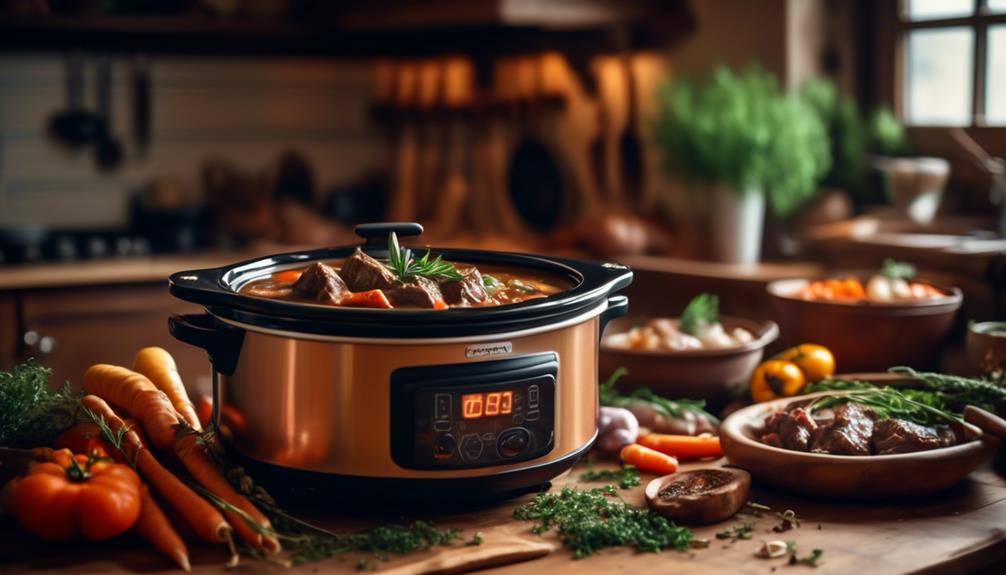
Essential Tips For Perfect Slow Cooking; Slow cooking is one of the easiest ways to build deep, comforting flavor with almost no effort. When ingredients simmer low and slow, their textures soften, their natural sweetness develops, and every element blends into a warm, flavorful dish. But great slow cooking isn’t just about tossing everything into a pot — it’s about using a few smart techniques that bring out the best in every ingredient. In this guide, you’ll learn the nine essential tips for perfect slow cooking, so every meal turns out tender, rich, and full of delicious depth.
We’ve Got Everything You Need to Make Your Masterpiece.
What You’ll Learn in This Guide
- How to choose the right slow cooker for your needs
- The best way to prep ingredients for even cooking
- How to layer flavors for deeper, richer results
- When to add herbs, spices, and aromatics
- How to avoid mushy vegetables and overcooked meats
- The right time to add dairy and fresh ingredients
- Simple tricks to boost flavor without extra work
- How to build slow‑cooked meals that taste incredible every time
Choosing the Right Slow Cooker
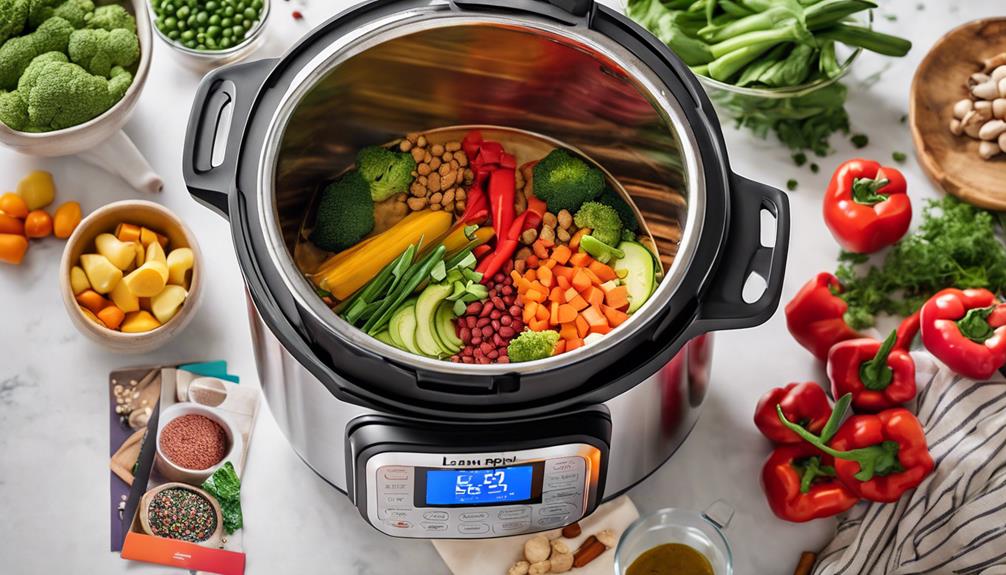
When it comes to finding the perfect slow cooker, it’s important to consider your cooking needs and preferences to ensure you choose the right one for you. Slow cookers come with a variety of features, so it’s essential to understand what each feature offers and whether it aligns with your cooking style. One of the most important features to consider is the size of the slow cooker. Slow cookers are available in different sizes, typically ranging from 1.5 to 8 quarts.
If you’re cooking for a small family or want to make individual portions, a smaller slow cooker with a capacity of 1.5 to 3 quarts would be ideal. On the other hand, if you often host gatherings or cook for a large group, a larger slow cooker with a capacity of 6 to 8 quarts would be more suitable. Keep in mind that the size of the slow cooker also affects cooking times. A smaller slow cooker will cook food faster than a larger one, so adjust your cooking times accordingly.
In addition to size, consider other features that may enhance your cooking experience. Some slow cookers come with programmable timers, which allow you to set the cooking time and temperature. This feature is especially useful if you have a busy schedule and want your meal to be ready at a specific time. Other features to consider include a removable insert for easy cleaning, a keep-warm function, and a digital display for convenient monitoring.
We’ve Got Everything You Need to Make Your Masterpiece.
Preparing Ingredients in Advance
To ensure a smooth and efficient slow cooking experience, it is recommended to prepare your ingredients in advance. By taking the time to prep your ingredients beforehand, you can save yourself from the stress of last-minute chopping and measuring while ensuring that your flavors meld together perfectly. Here are four essential tips for preparing your ingredients in advance:
- Seasoning Techniques: Before adding your ingredients to the slow cooker, make sure to season them properly. This can involve marinating meat overnight, rubbing spices onto vegetables, or adding herbs and spices to your sauce. By allowing the flavors to develop in advance, you’ll enhance the overall taste of your dish.
- Sauce Thickening Techniques: If you’re planning to make a sauce or gravy in your slow cooker, it’s important to thicken it properly. To avoid a watery consistency, consider using techniques like reducing the liquid on the stovetop before adding it to the slow cooker or adding a slurry of cornstarch and water towards the end of the cooking process.
- Chopping and Slicing: Prep your vegetables and other ingredients by chopping and slicing them before you start cooking. This will not only save you time but also ensure that everything cooks evenly. Aim for uniformity in size to ensure even cooking and a visually appealing dish.
- Measuring and Organizing: Before you start cooking, measure out your ingredients and organize them in separate bowls or containers. This will help you stay organized and ensure that you have everything you need at hand. It also allows you to easily double-check that you have all the necessary ingredients before starting.
Layering Ingredients for Maximum Flavor
For maximum flavor in your slow-cooked dishes, the key lies in layering your ingredients strategically. The art of flavor infusion and ingredient pairing can take your slow cooking to a whole new level. By layering your ingredients in a thoughtful manner, you allow each component to release its flavors gradually, resulting in a harmonious and complex taste profile.
Start by placing your aromatics, such as onions, garlic, and herbs, at the bottom of the cooking vessel. These fragrant ingredients will infuse their flavors into the entire dish as they slowly cook. Next, add your protein, whether it’s meat, poultry, or beans. This ensures that the protein is in direct contact with the aromatic base, absorbing those delicious flavors as it simmers away.
On top of the protein, layer your vegetables. Choose vegetables that complement the protein and add depth to the dish. For example, if you’re cooking a beef stew, carrots, potatoes, and mushrooms would be great additions. These vegetables will not only enhance the taste but also provide texture and color to your dish.
Using the Correct Cooking Time and Temperature
Now that you’ve strategically layered your ingredients for maximum flavor, let’s dive into the crucial aspect of using the correct cooking time and temperature to ensure a perfectly cooked slow-cooked dish. Paying attention to these two factors will help you achieve tender, flavorful results every time.
- Cooking temperature: Maintaining a low and steady temperature is key to slow cooking. Set your slow cooker or oven to 200-250°F (95-120°C) to allow the flavors to meld together over time. This gentle heat helps break down tough cuts of meat and infuses the ingredients with rich flavors.
- Cooking time: Slow cooking is all about patience. Most slow-cooked dishes require 6-8 hours on low heat or 3-4 hours on high heat. However, it’s important to note that cooking times may vary depending on the recipe and the size of the ingredients. Use a meat thermometer to ensure the internal temperature reaches a safe level for consumption.
- Adjusting for tenderness: If you prefer your meat to be extra tender, you can extend the cooking time by 1-2 hours. This allows the collagen in the meat to break down further, resulting in a melt-in-your-mouth texture. However, be mindful not to overcook the dish, as it may become mushy or dry.
- Checking for doneness: Towards the end of the cooking time, test the tenderness of the meat and the doneness of other ingredients. Vegetables should be tender but not mushy, and the meat should easily pull apart with a fork. If it’s not quite done, continue cooking for another 30 minutes and test again.
Adding the Right Amount of Liquid
When it comes to slow cooking, getting the right amount of liquid is crucial for a successful dish. The liquid to meat ratio plays a significant role in achieving the desired texture and flavor. Choosing the right liquid, whether it’s broth, wine, or a combination of both, can enhance the taste of your dish. Additionally, adjusting the amount of liquid can help you customize the flavor to your liking. So, let’s explore these points in more detail to ensure your slow-cooked meals turn out perfectly every time.
Liquid to Meat Ratio
To ensure perfectly tender and flavorful results, it is crucial to add the right amount of liquid when slow cooking. The liquid to meat ratio plays a significant role in achieving the desired meat tenderness and flavor infusion. Here are four essential tips to help you get it right:
- Use enough liquid: Ensure there is enough liquid to cover at least one-third to half of the meat. This prevents the meat from drying out during the long cooking process.
- Don’t go overboard: Avoid adding too much liquid, as it can result in a watery and diluted flavor. Stick to the recommended amounts specified in the recipe.
- Consider the meat: Different meats require different amounts of liquid. Tough cuts of meat, like chuck roast, benefit from more liquid to help break down the fibers. Lean cuts, like chicken breast, need less liquid to avoid becoming overly moist.
- Choose the right type of liquid: Use broth, stock, wine, or a combination to enhance the flavor. Avoid using too much water, as it doesn’t add much taste.
Choosing the Right Liquid
For perfectly tender and flavorful results in slow cooking, choosing the right liquid is essential. The liquid you add to your slow cooker not only helps to keep the meat moist, but it also infuses it with incredible flavor. One way to enhance the taste of your slow-cooked meals is by creating flavorful broths. Instead of using plain water, you can use chicken or vegetable broth to add depth and richness to your dishes.
Additionally, don’t be afraid to experiment with different liquids such as wine, beer, or even fruit juice. These liquids can add a unique twist to your recipes and take your slow cooking to a whole new level. So, next time you’re preparing a slow-cooked meal, consider the liquid you choose to ensure a mouthwatering result.
Adjusting Liquid for Flavor
Now that you understand the importance of choosing the right liquid for your slow cooking, let’s dive into the next step: adjusting the liquid for flavor by adding the perfect amount. Adjusting the liquid consistency can greatly enhance the taste of your slow-cooked dishes. Here are four tips to help you achieve the perfect flavor profile:
- Start with a little and add as needed: It’s easier to add more liquid later if needed, but it’s harder to fix an overly watery dish.
- Consider the main ingredients: Adjust the liquid based on the ingredients you’re using. For example, if you’re cooking meat, you might need less liquid as the meat will release its own juices.
- Experiment with different flavors: Don’t be afraid to try different liquids like broth, wine, or even fruit juice to add depth and complexity to your dish.
- Taste and adjust: Throughout the cooking process, taste the liquid and adjust the seasoning accordingly. This will ensure that your dish is perfectly balanced and flavorful.
Avoiding Overcrowding the Slow Cooker
Ensure your slow cooker is never overcrowded, as it can significantly impact the cooking process and lead to less-than-ideal results. To achieve perfectly cooked dishes, it’s important to consider the size of your slow cooker and follow the necessary safety precautions.
First and foremost, make sure that the ingredients you’re using fit comfortably in your slow cooker. Overcrowding the pot can cause uneven cooking and prevent flavors from properly melding together. If you have a smaller slow cooker, you may need to reduce the quantities or cook in batches to ensure everything cooks evenly.
Another reason to avoid overcrowding is safety. When the slow cooker is too full, there is a risk of the ingredients spilling over, which can be dangerous. It’s crucial to leave enough space for the food to expand as it cooks and for the liquid to circulate properly. This will prevent any potential accidents and ensure a safe cooking experience.
Moreover, overcrowding can lead to longer cooking times. When ingredients are tightly packed, the heat distribution becomes uneven, resulting in some areas being overcooked while others remain undercooked. This can be especially problematic when cooking meats, as they require thorough cooking to reach safe internal temperatures.
To avoid overcrowding your slow cooker, be mindful of the recommended maximum fill line. This line is usually indicated on the inner pot and should not be exceeded. If needed, consider using a larger slow cooker to accommodate larger quantities of ingredients.
We’ve Got Everything You Need to Make Your Masterpiece.
Seasoning and Spicing Up Your Dish
Now it’s time to take your slow-cooked dish to the next level by seasoning and spicing it up. With flavorful spice combinations, you can add a burst of taste that will elevate your meal. Don’t forget about seasoning techniques for depth, which can enhance the overall flavor profile. And let’s not overlook the power of aroma – by adding the right spices and seasonings, you can create a tantalizing scent that will make your dish even more appealing. Get ready to transform your slow cooker creations into culinary masterpieces.
Flavorful Spice Combinations
Enhance the flavor of your slow-cooked dish with a tantalizing blend of spices that will leave your taste buds craving for more. Here are four flavorful spice combinations to take your dishes to the next level:
- Mexican Fiesta: Combine cumin, chili powder, paprika, and oregano for a burst of vibrant flavors. Perfect for tacos, enchiladas, or chili.
- Mediterranean Magic: Elevate your slow-cooked chicken or lamb with a blend of garlic, oregano, thyme, and lemon zest. This combination adds a refreshing and aromatic touch to your dishes.
- Indian Delight: Create a fragrant curry by mixing coriander, cumin, turmeric, and garam masala. This spice combination adds depth and complexity to your slow-cooked lentils or vegetable stews.
- Asian Fusion: Infuse your dishes with the flavors of the East by combining ginger, garlic, soy sauce, and a dash of five-spice powder. This blend works wonders in slow-cooked beef or pork.
Experiment with these flavorful spice combinations to enhance your slow-cooked meals and excite your taste buds. Don’t be afraid to explore flavor pairings and spice substitutions to create your signature dishes.
Seasoning Techniques for Depth
To add depth and flavor to your slow-cooked dish, employ a variety of seasoning techniques that will elevate your culinary creation to new heights. Balancing seasonings is key to achieving a harmonious blend of flavors. Start by layering your seasonings throughout the cooking process. Begin with a base of aromatic vegetables like onions, garlic, and celery to build a solid foundation of flavor.
Next, add herbs and spices at different intervals to infuse the dish with complexity. For a deep and rich taste, consider browning your meat before slow cooking it. This caramelization process adds depth of flavor that will make your dish truly exceptional. Lastly, don’t forget to taste and adjust your seasonings as necessary throughout the cooking time. With these techniques, you’ll achieve a slow-cooked masterpiece bursting with depth and flavor.
Enhancing Aroma and Taste
Create a tantalizing aroma and burst of flavor in your slow-cooked dish with expert seasoning and spicing techniques. To enhance the aroma and taste of your dish, follow these four tips:
- Layer your seasonings: Add your spices and herbs in layers throughout the cooking process. This allows the flavors to develop and infuse deeply into the ingredients, maximizing tenderness and taste.
- Use whole spices: Whole spices, like cinnamon sticks, cloves, or star anise, release their flavors slowly, adding depth and complexity to your dish. Toast them lightly before adding them to your slow cooker for an even more intense flavor.
- Don’t forget the salt: Salt is essential for bringing out the flavors of your ingredients. Remember to add it at the beginning of the cooking process to ensure it has enough time to penetrate the dish.
- Experiment with aromatic ingredients: Try adding ingredients like garlic, ginger, onions, or citrus zest to your slow cooker. These aromatics will infuse your dish with a burst of fragrance and enhance the overall taste.
Utilizing the Low and High Heat Settings
For the best results in your slow cooking endeavors, it’s essential to understand how to effectively utilize the low and high heat settings. These settings play a crucial role in determining the texture and tenderness of your dishes. When it comes to using different cuts of meat, the low heat setting is your best friend. It allows tough cuts, like chuck roast or pork shoulder, to break down slowly and become tender and flavorful. On the other hand, the high heat setting is perfect for lean cuts, such as chicken breast or pork tenderloin, which can dry out if cooked for too long. By experimenting with different cooking times, you can achieve a wide range of results.
For example, if you’re in a hurry, you can set your slow cooker to high and have a meal ready in a few hours. Conversely, if you have the luxury of time, you can opt for the low heat setting and let your dish simmer all day, allowing the flavors to meld together beautifully. Remember, cooking times can vary depending on the size and thickness of the meat, so it’s important to keep an eye on the internal temperature and adjust accordingly. By mastering the art of utilizing the low and high heat settings, you’ll be able to create mouthwatering dishes that are tender, flavorful, and cooked to perfection.
Avoiding Lifting the Lid Too Often
Avoid constantly lifting the lid of your slow cooker as it can significantly affect the cooking process and the final outcome of your dish. When you repeatedly lift the lid, you allow heat to escape, which slows down the cooking time. This can lead to undercooked or unevenly cooked food. To avoid this, here are four essential tips for avoiding lid lifting and maximizing flavor:
- Plan Ahead: Before you start cooking, make sure you have all the ingredients ready and prepped. This will minimize the need to lift the lid and check on the progress of your dish.
- Trust the Recipe: Slow cookers are designed to work their magic without constant monitoring. Trust the recipe’s instructions and let the slow cooker do its job. Resist the temptation to peek and trust that the flavors are developing perfectly inside.
- Resist the Urge: It’s natural to be curious about how your dish is progressing, but resist the urge to lift the lid. Keep in mind that every time you lift the lid, you add extra cooking time to your dish.
- Use a Timer: If you’re worried about forgetting when to check on your slow-cooked masterpiece, set a timer. This way, you won’t be tempted to lift the lid prematurely.
Thicken Your Sauce at the End
Ready to take your slow cooking skills to the next level? One important aspect to master is how to thicken your sauce at the end of the cooking process. Understanding different sauce thickening techniques, knowing the right timing for thickening, and being familiar with common thickening agents will give your dishes that perfect consistency you desire. So let’s dive into these points and elevate your slow cooking game!
We’ve Got Everything You Need to Make Your Masterpiece.
Sauce Thickening Techniques
To achieve a rich and velvety sauce, consider incorporating sauce thickening techniques at the end of your slow cooking process. Here are four techniques to help you achieve the perfect sauce consistency:
- Cornstarch: Mix cornstarch with a liquid before adding it to your sauce. This will prevent lumps and ensure a smooth texture.
- Roux: Create a roux by cooking equal parts flour and fat. Whisk it into your sauce and simmer until thickened.
- Arrowroot: Mix arrowroot with water and add it to your sauce. Unlike cornstarch, arrowroot doesn’t break down when exposed to high heat.
- Reduction: Simmer your sauce on low heat to evaporate excess liquid and naturally thicken it.
Timing for Thickening
For the perfect sauce consistency, it is best to thicken your sauce at the end of the slow cooking process. Timing is key when it comes to thickening your sauce. Adding thickening agents too early can result in an overly thick sauce, while adding them too late can leave you with a thin and watery sauce. The ideal time to thicken your sauce is during the last 15 to 30 minutes of cooking. This allows the flavors to fully develop and ensures that the thickening agents have enough time to work their magic.
When it comes to thickening techniques, there are a few options to choose from. You can use cornstarch, flour, or arrowroot powder mixed with water to create a slurry, which can then be added to the sauce. Alternatively, you can use a roux, which is a mixture of equal parts flour and fat cooked together, to thicken your sauce. Whatever method you choose, remember to stir constantly while adding the thickening agent to prevent lumps from forming. So, be patient and wait until the end to thicken your sauce for the perfect consistency.
Common Thickening Agents
With the timing for thickening your sauce covered, let’s now explore the common thickening agents you can use at the end of the slow cooking process to achieve that perfect consistency. Here are four alternative thickening options you can try:
- Cornstarch: A popular choice, cornstarch is a versatile thickening agent that works well in sauces. Mix it with a small amount of cold water to create a slurry before adding it to the sauce. Cook for a few minutes until the sauce thickens.
- Arrowroot powder: This gluten-free thickener is derived from a tropical root. Like cornstarch, make a slurry with cold water before adding it to the sauce. It has a neutral taste and produces a glossy sauce consistency.
- Flour: A classic option, flour can be used to thicken sauces. Mix it with equal parts of butter to create a roux before incorporating it into the sauce. Cook for a few minutes to remove the raw flour taste.
- Xanthan gum: A small amount of this powerful thickening agent can go a long way. It is highly effective, especially for cold sauces or dressings. Sprinkle a pinch of xanthan gum into the sauce and whisk vigorously to avoid clumping.
Experiment with these alternative thickening options to find the perfect consistency for your slow-cooked sauce.
Adding Fresh Ingredients at the End
Enhance the flavors of your slow-cooked dish by incorporating fresh ingredients towards the end of the cooking process. Adding fresh ingredients at the end is a great way to infuse your dish with vibrant flavors and textures. Whether it’s adding a squeeze of lemon juice, a handful of fresh herbs, or some crisp vegetables, these tips will help you incorporate fresh flavors into your slow-cooked meals.
One of the best fresh ingredient tips is to add citrus juice or zest. Citrus fruits like lemons, limes, and oranges can brighten up the flavors of your dish and add a refreshing twist. Squeeze some lemon juice over your slow-cooked chicken or sprinkle some orange zest over your beef stew to give it a zesty kick.
Another tip is to add fresh herbs towards the end of the cooking process. Herbs like basil, parsley, and cilantro can add a burst of freshness and aroma to your slow-cooked dishes. Simply chop them up and sprinkle them over your dish right before serving. The heat of the dish will release their essential oils and enhance the overall flavor.
Don’t forget about adding some crisp vegetables to your slow-cooked meals. Vegetables like bell peppers, snap peas, and broccoli can add a satisfying crunch and vibrant color to your dish. Simply stir them in during the last 30 minutes of cooking to retain their crispness.
Incorporating fresh flavors into your slow-cooked dishes can take them to the next level. By following these fresh ingredient tips, you can elevate the taste and presentation of your meals. So go ahead and experiment with different fresh ingredients to create truly delicious and memorable slow-cooked dishes.
We’ve Got Everything You Need to Make Your Masterpiece.
Resting and Serving Your Slow-Cooked Dish
Rest and savor the flavors of your slow-cooked masterpiece before serving it to your eager guests. The resting time is crucial for allowing the flavors to meld together and for the meat to become tender and juicy. Here are some presentation tips to ensure your dish looks as good as it tastes:
- Garnish with Fresh Herbs: Sprinkle some freshly chopped herbs like parsley, cilantro, or basil over the top of your dish. Not only will it add a pop of color, but it will also enhance the overall presentation and provide a touch of freshness.
- Use Colorful Plates: Serve your slow-cooked dish on colorful plates to make it visually appealing. Vibrant colors like red, blue, or yellow will make the dish stand out and create a feast for the eyes.
- Arrange with Care: Take the time to arrange your dish thoughtfully. Place the meat or main ingredient in the center of the plate and arrange the sides around it. Use a spoon to carefully drizzle any sauces or gravies over the top for an elegant touch.
- Add Texture: Consider adding a textural element to your dish to elevate the presentation. You can sprinkle some toasted nuts, crispy breadcrumbs, or even microgreens on top to create a visually interesting contrast.
Frequently Asked Questions: Essential Tips For Perfect Slow Cooking
Can I Use a Slow Cooker to Cook Frozen Meat?
Yes, you can cook frozen meat in a slow cooker. It’s a convenient option for busy weeknights. Just make sure to follow safety guidelines and adjust the cooking time accordingly. Enjoy delicious slow cooker recipes!
How Do I Prevent My Slow Cooker From Drying Out My Food?
To prevent your slow cooker from drying out your food, there are a few key tips to keep in mind. By using enough liquid, avoiding lifting the lid, and adjusting cooking times, you can achieve perfect slow cooking results.
Can I Cook Pasta or Rice in a Slow Cooker?
Yes, you can cook pasta and rice in a slow cooker. It’s a convenient way to prepare these dishes without constant monitoring. Just follow these tips for perfect slow cooker recipes for vegetarian meals.
Is It Necessary to Brown the Meat Before Adding It to the Slow Cooker?
No, browning the meat before adding it to the slow cooker isn’t necessary. However, it does enhance the flavor and texture. If you’re short on time, you can skip this step, but your dish might not taste as rich.
Can I Leave My Slow Cooker Unattended for Long Periods of Time?
You should never leave your slow cooker unattended for long periods of time. It is important to follow slow cooker safety precautions to prevent accidents and ensure your food cooks properly.

Conclusion
Mastering slow cooking is all about small details that make a big difference. By following these nine essential tips — from choosing the right slow cooker to adding fresh ingredients at the perfect moment — you’ll create dishes that are tender, flavorful, and beautifully balanced. Whether you’re cooking for your family or prepping meals for the week, these techniques will help you get the most out of every slow‑cooked recipe. Gather your ingredients, set your slow cooker, and enjoy the rich, comforting flavors that only slow cooking can bring.