Amazing Lebanese Food Culture And Etiquette
Amazing Lebanese Food Culture And Etiquette; When it comes to Lebanese cuisine, you’ll find a rich tapestry of flavors and customs that are deeply ingrained in their food culture and etiquette. From the importance of hospitality to the significance of sharing meals, Lebanese dining offers a unique experience that goes beyond simply satisfying your taste buds. But what exactly does it entail? Well, let’s just say that Lebanese food culture is a captivating world filled with intriguing traditions and customs that are sure to leave you wanting more.
Importance of Hospitality in Lebanese Dining
Hospitality plays a vital role in Lebanese dining, serving as the cornerstone of the country’s rich food culture and etiquette. The importance of generosity is deeply ingrained in Lebanese cultural traditions, where guests are considered a blessing and are treated with utmost respect and warmth.
Lebanese hospitality is centered around the concept of ‘tarab,’ which means creating a sense of joy and connection through shared experiences. This extends to the dining table, where meals are not just about satisfying hunger but also about fostering relationships and creating a sense of belonging. When you visit a Lebanese household, you can expect to be greeted with open arms and a generous spread of food.
Generosity in Lebanese dining goes beyond just the quantity of food served. It encompasses the generous spirit of the host, who ensures that guests are well taken care of and their needs are met. Refusing food or drink is considered impolite, as it is seen as a rejection of the host’s generosity. So be prepared to indulge in a variety of traditional dishes, from mezze platters filled with hummus, tabbouleh, and falafel, to succulent grilled meats and fragrant rice pilafs.
Moreover, Lebanese hospitality extends beyond the home and into the restaurants and cafes. Waitstaff are trained to provide attentive and friendly service, making you feel like a cherished guest. The staff takes pride in their work and are eager to share their knowledge about the cuisine and culture, adding an extra layer of authenticity to your dining experience.
The Significance of Sharing Meals in Lebanese Culture
Sharing meals is a fundamental aspect of Lebanese culture, fostering connection, unity, and the celebration of culinary traditions. Communal meals hold great significance in Lebanese society, reflecting the cultural values and traditions that are deeply ingrained in the country’s history. The act of sharing food goes beyond mere sustenance; it is a way to build and strengthen relationships, as well as to honor and showcase the rich Lebanese culinary heritage.
In Lebanese culture, sharing meals is seen as an opportunity to bring people together, fostering a sense of community and belonging. It is common for extended families and friends to gather around a table, sharing dishes that are often prepared with love and care. This act of sharing not only nourishes the body but also nourishes the bonds between individuals. It is a time for laughter, storytelling, and the exchange of ideas.
Moreover, communal meals play a significant role in preserving and celebrating Lebanese culinary traditions. Traditional Lebanese dishes are often passed down through generations, with each family having their own unique recipes and cooking techniques. By sharing these meals, Lebanese people not only ensure the continuity of their culinary heritage but also take pride in their cultural identity. It is a way of connecting with their roots, paying homage to their ancestors, and celebrating the flavors and aromas that have shaped their gastronomic traditions.
In Lebanese culture, the act of sharing food is also a gesture of hospitality and generosity. Lebanese people take great pride in their ability to provide abundant and delicious meals for their guests. It is considered a sign of respect and honor to offer food and drink to others, regardless of their social status or background. By sharing meals, Lebanese people express their warmth, kindness, and willingness to connect with others on a deeper level.
Proper Etiquette for Dining With Others in Lebanon
As you sit down to enjoy a meal in Lebanon, it is important to be aware of the proper etiquette that accompanies dining with others in this culturally rich country. Lebanese dining customs and table manners play a significant role in social interactions and show respect for the host and the food being served.
To give you a clearer picture, here are some key points regarding proper etiquette for dining with others in Lebanon:
- Seating Arrangements
- The host usually assigns seats, and it is considered polite to wait for their guidance.
- The guest of honor is often seated next to the host, while others are seated based on age or status.
- Sharing Food
- Lebanese meals are communal, and dishes are typically placed in the center of the table for everyone to share.
- It is customary to offer food to others before serving yourself, demonstrating generosity and hospitality.
- Use of Utensils
- In Lebanese culture, it is common to eat with your hands. However, forks and spoons are also provided for those who prefer to use utensils.
- If you choose to eat with your hands, use your right hand only, as the left hand is considered unclean.
- Bread Etiquette
- Bread is an essential part of Lebanese cuisine. Tear off a piece of bread and use it to scoop up food from shared dishes.
- Never place bread upside down, as it is seen as disrespectful.
Traditional Lebanese Foods and Flavors
Lebanese cuisine offers a diverse array of traditional foods and flavors that reflect the rich cultural heritage of the country. One of the unique aspects of Lebanese food culture is the preservation techniques that have been passed down through generations. These techniques are used to extend the shelf life of various ingredients and create distinct flavors in Lebanese dishes.
One popular preservation technique in Lebanon is pickling. Vegetables such as cucumbers, turnips, and cauliflower are pickled in vinegar, salt, and spices, resulting in tangy and flavorful additions to meals. Another common technique is sun-drying, which is used to preserve fruits like apricots and figs. These dried fruits are often used in traditional Lebanese desserts, adding a natural sweetness and chewy texture.
When it comes to street food, Lebanon is known for its delicious and vibrant offerings. One of the most beloved Lebanese street food favorites is shawarma. This grilled meat dish is typically made with marinated chicken or beef, which is then thinly sliced and served in flatbread or pita with a variety of toppings such as garlic sauce, pickles, and tahini.
Another popular street food is falafel, which is made from ground chickpeas or fava beans, mixed with herbs and spices, and deep-fried to perfection. The crispy falafel balls are usually served in a pita with tahini sauce, vegetables, and pickles. This flavorful and satisfying vegetarian option has gained popularity worldwide.
Communal Dining Experience in Lebanese Culture
Preserving the tradition of flavorful cuisine, the Lebanese culture embraces a communal dining experience that fosters a sense of togetherness and celebration. Lebanese dining customs reflect the importance of family, community, and hospitality. Here is a glimpse into the communal dining experience in Lebanese culture:
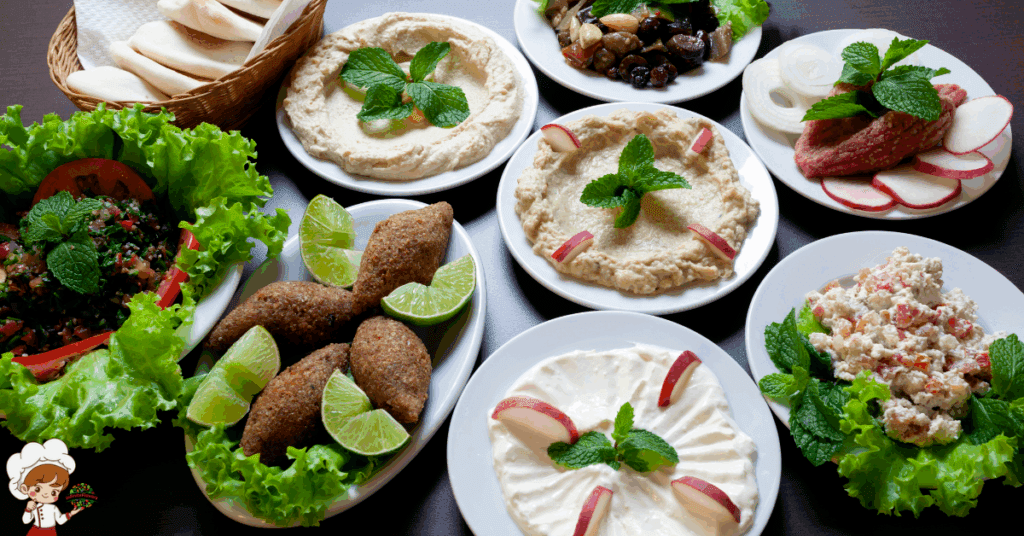
- Mezze Tradition: Lebanese meals often begin with a generous spread of mezze, which are small appetizer dishes meant to be shared. This tradition encourages communal eating and allows everyone to sample a variety of flavors. The mezze table is a vibrant display of colors and textures, featuring dishes such as hummus, tabbouleh, baba ganoush, and falafel. It is customary to pass plates around and share the mezze with everyone at the table.
- Family-Style Dining: Lebanese meals are typically served family-style, where a variety of dishes are placed in the center of the table for everyone to enjoy. This encourages interaction and conversation among diners as they pass plates, serve each other, and discuss the flavors and textures of the food. Sharing food in this way creates a sense of unity and fosters a feeling of belonging.
In Lebanese dining customs, the communal dining experience extends beyond just sharing food. It is a time for family and friends to come together, bond, and celebrate. The act of eating together is seen as a way to strengthen relationships and build connections. Whether it’s a small gathering or a large feast, Lebanese culture emphasizes the importance of hospitality and making guests feel welcome. So, the next time you find yourself at a Lebanese dining table, embrace the communal experience, savor the flavors, and enjoy the vibrant atmosphere that brings people together.
Frequently Asked Questions: Amazing Lebanese Food Culture And Etiquette
What Are Some Common Lebanese Food Ingredients and Spices Used in Traditional Dishes?
In Lebanese cuisine, common food ingredients include fresh vegetables, olive oil, garlic, and lemon juice. Traditional spices like cumin, cinnamon, and sumac are also used to add depth and flavor to dishes.
How Are Lebanese Meals Typically Structured, and What Are the Different Courses?
Lebanese meals are typically structured with a variety of courses. From appetizers like hummus and tabbouleh to main dishes like kebabs and shawarma, each course offers a unique blend of flavors and ingredients.
Are There Any Specific Table Manners or Customs That Should Be Followed While Dining in Lebanon?
When dining in Lebanon, it is important to be mindful of Lebanese table manners, dining customs, and mealtime traditions. Following Lebanese dining etiquette is a way to show respect for the culture and its people.
What Are Some Popular Lebanese Desserts and Sweets?
Lebanese desserts are a delightful way to end your meal. Middle Eastern pastries, like baklava and knafeh, are popular Lebanese sweet treats. Traditional Lebanese sweets, such as maamoul and namoura, are also worth trying.
Can You Provide Some Insights Into the History and Origins of Lebanese Cuisine?
History and Origins of Lebanese Cuisine: A Deep Dive into the Culinary Heritage of Lebanon. Lebanese cuisine is shaped by the influences of Phoenician, Roman, and Ottoman cultures. The Silk Road played a crucial role in introducing new ingredients and flavors to Lebanese dishes.

Conclusion
In conclusion, Lebanese food culture and etiquette play a significant role in promoting hospitality and unity within the community. The emphasis on sharing meals and the proper etiquette for dining with others reflects the values of respect and togetherness. Traditional Lebanese foods and flavors add richness to the communal dining experience, creating a unique and vibrant culinary culture. Understanding and appreciating these cultural practices can greatly enhance one’s experience of Lebanese cuisine.