The Best Classic Vietnamese Desserts
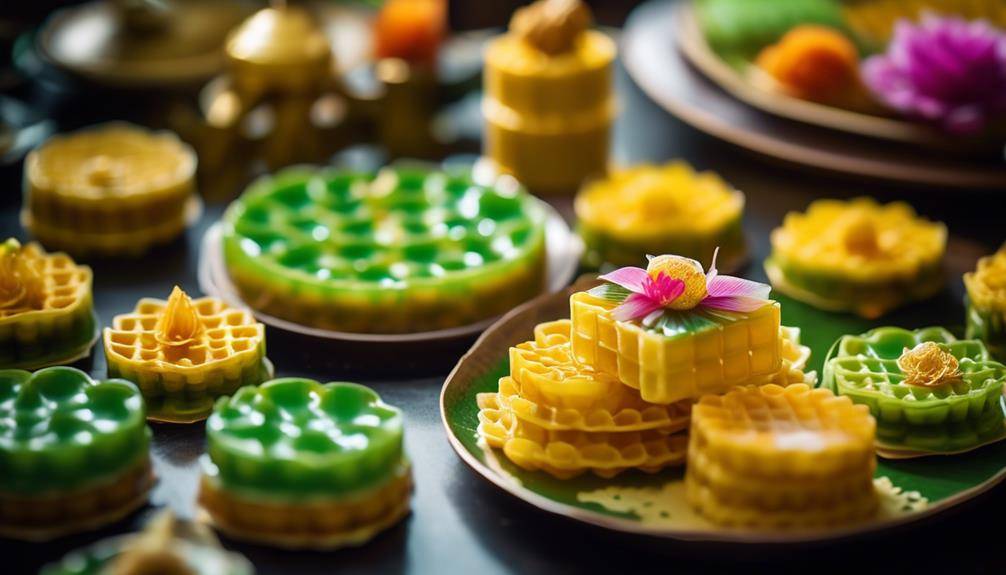
The Best Classic Vietnamese Desserts; Did you know that Vietnam is home to a wide variety of delicious desserts? From refreshing sweet soups to sticky rice cakes, Vietnamese desserts offer a unique blend of flavors and textures that will leave you craving for more. Whether you have a sweet tooth or simply want to explore the vibrant culinary culture of Vietnam, these classic desserts are definitely worth trying. So, get ready to embark on a mouthwatering journey through the world of Vietnamese sweets as we uncover some hidden gems that will surely tantalize your taste buds.
Che – A Sweet Delight
If you’re looking to satisfy your sweet tooth while immersing yourself in Vietnamese culture, the delightful world of Che is waiting for you. Che, a traditional Vietnamese dessert, holds immense cultural significance and offers several health benefits.
Che is a sweet soup-like dessert made from a variety of ingredients such as beans, fruits, glutinous rice, and coconut milk. It is often served chilled, making it a refreshing treat on a hot day. The vibrant colors and flavors of Che reflect the diversity and richness of Vietnamese cuisine.
Beyond its delicious taste, Che plays a significant role in Vietnamese culture. It is commonly enjoyed during special occasions and festivals, symbolizing luck, prosperity, and happiness. The act of preparing and sharing Che with family and friends fosters a sense of togetherness and strengthens social ties.
In addition to its cultural significance, Che also offers various health benefits. Many of the ingredients used in Che, such as beans and fruits, are rich in fiber and antioxidants. These components contribute to improved digestion, heart health, and overall well-being. Furthermore, the use of natural ingredients in Che makes it a healthier alternative to processed desserts.
Whether you choose to indulge in a bowl of Che at a local dessert stall or try making it yourself, this sweet delight will not only satisfy your cravings but also provide you with a taste of Vietnamese culture. So, go ahead and explore the world of Che – a treat that is not only delicious but also culturally and nutritionally fulfilling.
Banh Bo – Sticky and Sweet
Now, let’s delve into the realm of Banh Bo – a sticky and sweet Vietnamese dessert that will transport you to a world of culinary delight and cultural significance.
- Banh Bo Variations: Banh Bo comes in various forms across Vietnam, each with its own unique twist. In the northern region, it is known as Banh Bo Hap, which is steamed and has a fluffy texture. In the southern region, it is called Banh Bo Nuong, which is baked and has a slightly chewy consistency. These variations showcase the versatility and creativity of Vietnamese cuisine.
- Banh Bo History: Banh Bo has a rich history that dates back centuries. Originally, it was offered as a ceremonial dish during festivals and special occasions. The name “Banh Bo” translates to “cow cake” in Vietnamese, and it is believed to symbolize fertility and abundance. Over time, Banh Bo became a popular dessert enjoyed by people of all backgrounds, and it has become an integral part of Vietnamese culinary heritage.
- Cultural Significance: Banh Bo not only satisfies your sweet tooth but also offers a glimpse into Vietnamese culture. Its soft and chewy texture represents the harmonious balance between yin and yang, a concept deeply ingrained in Vietnamese philosophy. Moreover, the act of sharing Banh Bo with loved ones fosters a sense of togetherness and community, reflecting the importance of family and relationships in Vietnamese society.
- Modern Twists: While traditional Banh Bo recipes remain popular, modern chefs have put their own spin on this classic dessert. Some add pandan extract to give it a vibrant green color and a subtle floral aroma. Others incorporate coconut milk or sesame seeds to enhance its flavor. These innovative variations showcase the evolution of Vietnamese cuisine and its ability to adapt to changing tastes.
Banh Bo is more than just a dessert; it is a delicious symbol of Vietnamese culture and tradition. Whether you prefer the steamed or baked version, indulging in this sticky and sweet treat will surely leave you craving for more.
Banh Chuoi – Banana Heaven
When it comes to Banh Chuoi, there are various traditional recipe variations that add unique flavors and textures to this heavenly dessert. From coconut milk to pandan leaves, each variation brings its own twist to the sweet and creamy banana-filled treat. Popular serving suggestions include topping it with sesame seeds or drizzling it with a generous amount of condensed milk, adding an extra indulgence to the already delightful dessert.
Traditional Recipe Variations
To truly experience the heavenly flavors of Banh Chuoi, explore the various traditional recipe variations that will transport your taste buds to the vibrant world of Vietnamese desserts. Here are some exciting ways to enjoy this delightful treat:
- Sticky Rice Banana Pudding: In this variation, sticky rice is cooked with coconut milk and sugar until it becomes a creamy pudding. Slices of ripe bananas are added to the mixture, creating a sweet and comforting dessert.
- Fried Banana Fritters: This modern twist on Banh Chuoi involves dipping banana slices in a batter made with rice flour and coconut milk, then deep-frying them until golden and crispy. The result is a crunchy and indulgent treat that pairs perfectly with a scoop of vanilla ice cream.
- Coconut Banana Smoothie: Blend ripe bananas with coconut milk, ice, and a touch of honey for a refreshing and tropical twist on Banh Chuoi. This smoothie is creamy, fruity, and perfect for hot summer days.
- Grilled Banana Skewers: Take grilled bananas to the next level by marinating them in a mixture of honey, lime juice, and cinnamon before grilling. The caramelized bananas are then served on skewers, making for a delicious and visually appealing dessert.
With these traditional recipe techniques and modern twists, you can enjoy Banh Chuoi in a variety of delicious and exciting ways.
Popular Serving Suggestions
Indulge in the delectable flavors of Banh Chuoi and explore the popular serving suggestions that will elevate your experience of this heavenly Vietnamese dessert. Traditional serving suggestions for Banh Chuoi include a generous drizzle of sweetened coconut milk and a sprinkle of roasted peanuts. This combination enhances the creamy texture and adds a delightful crunch to each bite.
Another traditional serving suggestion is to serve Banh Chuoi with a side of aromatic jasmine tea, which helps cleanse the palate and balance the sweetness of the dessert. In recent years, however, modern serving suggestions have emerged, showcasing the cultural evolution of Vietnamese cuisine. These include pairing Banh Chuoi with a scoop of creamy coconut ice cream or topping it with a dollop of pandan-flavored cream. These modern twists add new layers of flavors and textures to the traditional dessert, reflecting the innovative spirit of Vietnamese cuisine.
The cultural significance of serving desserts in Vietnam lies in the act of sharing and bringing people together. Desserts are often enjoyed as a communal experience, with friends and family gathering around to savor the sweet treats and engage in conversation. The serving suggestions for Banh Chuoi, whether traditional or modern, contribute to this cultural significance by enhancing the enjoyment and creating memorable moments of togetherness.
Banh Pia – Flaky and Fruity
Get ready to discover the delightful world of Banh Pia – a Vietnamese pastry that is both flaky and fruity. This traditional dessert is made with a combination of ingredients that include wheat flour, sugar, and mung bean paste. The process of making Banh Pia involves rolling out the dough, filling it with the sweet mung bean paste, and then baking it to a golden perfection.
Ingredients for Banh Pia
For the flaky and fruity Banh Pia, gather the following ingredients to create this delectable Vietnamese dessert:
- 300g all-purpose flour
- 150g lard or vegetable shortening
- 100g sugar
- 200g mung bean paste
Traditional recipe variations of Banh Pia include using different fillings such as lotus seed paste, durian, or coconut. However, the classic version with mung bean paste remains the most popular choice among Vietnamese households.
To make Banh Pia, mix the flour, lard or vegetable shortening, and sugar together until a dough forms. Divide the dough into small balls and flatten them. Place a spoonful of mung bean paste in the center of each flattened dough and fold it over to seal. Bake in a preheated oven until golden brown.
Once baked, Banh Pia can be enjoyed warm or at room temperature. It is commonly served with a cup of hot tea or as a sweet treat after a meal.
Steps to Make Banh Pia
To continue the culinary journey of making Banh Pia, let’s now explore the step-by-step process of creating this flaky and fruity Vietnamese dessert. Banh Pia is known for its deliciously crisp outer layer and delightful fruity fillings. While the traditional filling is mung bean, there are variations that incorporate other fruits such as durian, coconut, or pineapple for a burst of flavor.
To make Banh Pia, start by preparing the dough using flour, sugar, salt, and oil. Then, roll out the dough and place the fruity filling in the center. Fold the dough over the filling and seal the edges. Finally, bake the Banh Pia until it turns golden brown and the aroma fills your kitchen. The result is a mouthwatering dessert that combines the flakiness of the pastry with the sweetness of the fruity filling, creating a truly delightful treat.
Che Ba Mau – Three-Color Dessert
Che Ba Mau, a vibrant and visually captivating Vietnamese dessert, features layers of contrasting colors and flavors that create a delightful sensory experience. This traditional dessert is known for its three-color variations, which represent different ingredients and flavors. Here are four key aspects of Che Ba Mau that make it a unique and beloved Vietnamese sweet treat:
- Colorful Layers: Che Ba Mau is named after its three distinct layers, each representing a different flavor and color. The bottom layer is traditionally made with mung bean paste, providing a smooth and creamy texture. The middle layer is made with pandan jelly, giving a refreshing and vibrant green color. Finally, the top layer is made with red bean paste, adding a sweet and earthy flavor to the dessert. The combination of these three colors creates a visually appealing dessert that is hard to resist.
- Unique Ingredients: One of the reasons why Che Ba Mau is so special is the use of unique ingredients. Mung beans, pandan leaves, and red beans are the primary ingredients used to create the distinct flavors and colors of this dessert. These ingredients are not only delicious but also carry cultural significance in Vietnamese cuisine.
- Texture Contrast: Che Ba Mau offers a delightful textural experience with its different layers. The smooth and creamy mung bean paste contrasts beautifully with the jelly-like pandan layer, creating a pleasant balance of textures. The red bean paste adds a slightly grainy texture, providing an interesting twist to the overall mouthfeel.
- Cultural Significance: Che Ba Mau is not only enjoyed for its taste but also holds cultural significance in Vietnam. It is often served during special occasions and festivals, symbolizing good luck and prosperity. This dessert has been passed down through generations, representing the rich culinary heritage of Vietnam.
Banh Duc – Steamed Rice Cake
Banh Duc, a traditional Vietnamese dessert, is a steamed rice cake that holds a significant place in Vietnamese culinary culture. This delectable dessert is made by combining rice flour, water, and a pinch of salt, creating a smooth batter that is then steamed until it becomes firm and slightly sticky. The traditional preparation techniques for Banh Duc involve using a special steaming pot called a “xoi” pot, which has a perforated bottom to allow the steam to evenly cook the rice cake.
Banh Duc is popular throughout Vietnam, and there are several regional variations of this dessert. In the northern region, Banh Duc is often served with a savory dipping sauce made from fish sauce, garlic, and chili. The cake itself is plain and mild in flavor, allowing the sauce to provide a tangy and spicy kick. In the central region, Banh Duc is commonly enjoyed with a sweet coconut sauce, which adds a creamy and fragrant element to the dish. The southern region, on the other hand, prefers to serve Banh Duc with a rich and flavorful pork broth, elevating the simple rice cake into a hearty and satisfying meal.
Regardless of the regional variation, Banh Duc is cherished for its delicate texture and its ability to complement a variety of flavors. Whether you prefer it sweet or savory, this steamed rice cake is a classic Vietnamese dessert that showcases the country’s culinary diversity and creativity. So, if you ever find yourself in Vietnam, don’t miss the opportunity to savor the unique flavors of Banh Duc and experience the rich cultural heritage it represents.
Che Troi Nuoc – Glutinous Rice Balls in Ginger Syrup
Continuing our exploration of Vietnamese desserts, let’s now dive into the captivating world of Che Troi Nuoc – Glutinous Rice Balls in Ginger Syrup, a sweet treat that will tantalize your taste buds and immerse you in the cultural richness of Vietnam.
Che Troi Nuoc is a traditional Vietnamese dessert that is made from glutinous rice flour and filled with sweet mung bean paste. These small, colorful rice balls are then gently boiled and served in a fragrant ginger syrup. The combination of the soft and chewy texture of the rice balls with the sweet and aromatic syrup creates a delightful harmony of flavors.
Traditional techniques are used to make Che Troi Nuoc. The glutinous rice flour is mixed with water to form a smooth dough, which is then shaped into small balls and filled with the mung bean paste. The rice balls are then cooked in boiling water until they float to the surface, indicating that they are ready to be served. The ginger syrup is made by simmering fresh ginger slices with water and sugar, creating a warm and comforting base for the rice balls.
Serving suggestions for Che Troi Nuoc include garnishing the dessert with toasted sesame seeds or crushed peanuts for added texture and flavor. Some people also like to serve it with a drizzle of coconut cream or a scoop of vanilla ice cream to balance the sweetness of the dish.
Che Troi Nuoc is not only a delicious dessert but also a reflection of Vietnamese culture and culinary traditions. Its vibrant colors and delicate flavors make it a must-try dessert for anyone seeking to explore the diverse world of Vietnamese cuisine.
Banh Ran – Fried Glutinous Rice Cake
Now let’s explore the delicious world of Banh Ran – Fried Glutinous Rice Cake. Made with simple ingredients such as glutinous rice flour, sugar, and sesame seeds, this Vietnamese dessert offers a unique texture and flavor. The cooking process involves shaping the dough into small balls, frying them until golden brown, and then coating them with a sweet syrup. Get ready to indulge in this crispy and delightful treat that is beloved in Vietnamese culture.
Ingredients for Banh Ran
To create the delectable Banh Ran, the fried glutinous rice cake, you will need a precise combination of traditional Vietnamese ingredients. Here are the key components:
- Glutinous Rice: Also known as sticky rice, this type of rice is essential for creating the chewy texture that defines Banh Ran.
- Mung Bean Paste: A smooth and sweet paste made from mung beans, this filling adds a burst of flavor to the cake.
- Sugar: Used to sweeten the mung bean paste and enhance the overall taste of the cake.
- Sesame Seeds: These small seeds are often sprinkled on top of Banh Ran to add a nutty flavor and a delightful crunch.
Cooking Process for Banh Ran
For a traditional and mouthwatering Banh Ran, follow this detailed cooking process to achieve a crispy exterior and a chewy center. Banh Ran, a beloved Vietnamese dessert, holds great cultural significance and is often prepared using traditional cooking methods. To begin, soak glutinous rice in water for several hours, then grind it into a smooth paste. Mix the paste with sugar and coconut milk to create a sticky dough.
Shape the dough into small balls and stuff them with sweet mung bean filling. Next, heat oil in a deep pan and fry the balls until they turn golden brown. The hot oil creates a crisp outer layer while maintaining a soft and chewy interior. Drain the excess oil and serve the Banh Ran warm, sprinkled with sesame seeds. Indulging in this delicious treat is not only a delight for your taste buds but also a celebration of Vietnamese culinary traditions.
Xoi La Cam – Purple Sticky Rice
Purple Sticky Rice, a traditional Vietnamese dessert known as Xoi La Cam, is a delightful and vibrant culinary creation that showcases the rich cultural heritage of Vietnam. This unique dessert is made from glutinous rice that has been naturally dyed with the vibrant purple color extracted from the leaves of the magenta plant. The rice is then cooked with a combination of water, coconut milk, and a touch of sugar to create a sweet and creamy texture.
Traditional preparation methods involve soaking the rice overnight to ensure it becomes soft and sticky when cooked. The rice is then steamed to perfection, allowing it to absorb the flavors of the coconut milk and sugar. Once cooked, the purple sticky rice is ready to be enjoyed.
The health benefits of purple sticky rice are another reason why this dessert is so popular in Vietnam. It contains high levels of antioxidants, which help to protect the body against free radicals and reduce the risk of chronic diseases. Additionally, purple sticky rice is a good source of fiber, which aids in digestion and promotes a healthy gut.
In Vietnamese culture, Xoi La Cam is often served as a special treat during festive occasions and celebrations. Its vibrant purple hue symbolizes luck and prosperity, making it a popular choice for weddings, birthdays, and other important events. This dessert not only satisfies the sweet tooth but also pays tribute to the traditions and customs of Vietnam. So, next time you’re looking to explore the culinary delights of Vietnam, don’t forget to indulge in the delightful Xoi La Cam.
Banh Khoai Mi – Cassava Cake
When it comes to Banh Khoai Mi, the ingredients and preparation play a crucial role in creating this traditional Vietnamese dessert. Cassava, also known as yuca, is the star ingredient, which is grated and mixed with coconut milk, sugar, and a touch of salt. The mixture is then steamed until it forms a soft and chewy cake that is delightfully sweet and fragrant.
Ingredients and Preparation
To make the traditional Vietnamese dessert, Banh Khoai Mi, you will need a handful of key ingredients and follow a meticulous preparation process. This delicious treat showcases the cultural richness of Vietnamese cuisine and is a popular choice among dessert lovers. Here is a breakdown of the ingredients and preparation steps:
- Cassava: The main ingredient of Banh Khoai Mi is cassava, a starchy root vegetable widely available in Vietnam. It provides a unique texture and flavor to the cake.
- Coconut milk: This creamy ingredient adds richness and moisture to the dessert, enhancing its taste.
- Sugar: A sweetener that balances the flavors and adds a touch of sweetness.
- Pandan leaves: These fragrant leaves are often used to infuse the dessert with a subtle aroma and green color.
To prepare Banh Khoai Mi, you need to peel and grate the cassava, mix it with coconut milk and sugar, and steam the mixture until it sets. The final result is a soft, slightly chewy cake with a delicate sweetness and a hint of pandan. Indulge in this classic Vietnamese dessert and explore the unique flavors and regional specialties it has to offer.
Traditional Cooking Techniques
If you want to master the art of making Banh Khoai Mi, the traditional Vietnamese cassava cake, you must familiarize yourself with the intricate cooking techniques that bring out its unique texture and flavor. The traditional cooking techniques for Banh Khoai Mi involve a careful balance of ingredients and precise cooking times. Cassava, the main ingredient, is grated and squeezed to remove excess moisture, resulting in a starchy pulp that forms the base of the cake.
The pulp is then combined with coconut milk, sugar, and a pinch of salt, creating a sweet and creamy batter. The batter is poured into a greased baking dish and baked in the oven until golden brown and set. While the basic recipe remains the same, there are also variations that include adding pandan leaf extract for a vibrant green color, or topping the cake with a coconut cream glaze for added richness. These traditional cooking techniques and recipe variations contribute to the distinct taste and texture of Banh Khoai Mi, making it a beloved Vietnamese dessert.
Variations and Serving Suggestions
After mastering the traditional cooking techniques for Banh Khoai Mi, you can explore the exciting variations and serving suggestions that elevate this Vietnamese cassava cake to new levels of flavor and presentation. Here are some creative twists on this classic dessert:
- Coconut Pandan Flavored Cassava Cake: Add pandan extract to the batter and top the cake with a generous layer of coconut cream and toasted coconut flakes. The pandan adds a fragrant, earthy note while the coconut cream enhances the richness of the cake.
- Mango Sticky Rice Cassava Cake: Layer slices of ripe mango on top of the cassava cake and serve it with a side of sweet sticky rice. The combination of the sweet mango and the chewy texture of the sticky rice adds a delightful contrast to the cake.
- Salted Egg Yolk Cassava Cake: Incorporate mashed salted egg yolks into the batter for a savory twist. The salted egg yolks provide a creamy and salty flavor that complements the sweetness of the cake.
- Vietnamese Coffee Cassava Cake: Infuse the cake with the bold flavors of Vietnamese coffee by adding a shot of strong brewed coffee to the batter. Serve the cake with a dollop of whipped cream and a drizzle of condensed milk for an indulgent treat.
These variations and serving suggestions showcase the versatility of Banh Khoai Mi and highlight the creative twists that can be applied to classic Vietnamese desserts.
Che Dau Xanh – Mung Bean Sweet Soup
Che Dau Xanh, a popular Vietnamese dessert, is a delightful sweet soup made from mung beans. Mung beans are a staple ingredient in many Vietnamese recipes, and their use in Che Dau Xanh showcases their versatility. This sweet soup is not only delicious but also offers several health benefits.
Mung bean recipes have been enjoyed in Vietnam for centuries, and Che Dau Xanh is no exception. To make this dessert, mung beans are soaked overnight and then cooked until they become soft and creamy. The beans are then blended to create a smooth and thick soup base. The soup is sweetened with sugar and flavored with pandan leaves or coconut milk, giving it a unique and refreshing taste.
Apart from its delicious taste, Che Dau Xanh also provides several health benefits. Mung beans are a rich source of protein, fiber, and essential nutrients. They are low in fat and contain antioxidants that help reduce inflammation and promote healthy digestion. Mung beans are also known to regulate blood sugar levels and support heart health.
In Vietnamese culture, Che Dau Xanh is often enjoyed as a dessert or a snack on hot summer days. It is served chilled and can be garnished with coconut flakes or sesame seeds for added texture and flavor. This sweet soup is not only a delightful treat but also a symbolic dish that represents the rich culinary heritage of Vietnam.
Banh Com – Young Rice Cake
Banh Com, a traditional Vietnamese delicacy, showcases the cultural significance of young rice cake in Vietnamese cuisine. This sweet treat, made from young sticky rice, exemplifies the rich history and cultural traditions of Vietnam. Here are some key aspects of Banh Com that highlight its importance:
- History and Cultural Significance: Banh Com dates back to the 13th century, during the Ly Dynasty, when it was made exclusively for the royal family. It was considered a symbol of wealth and prosperity. Over time, the cake became popular among the general population and is now an integral part of Vietnamese culinary heritage. Its green color represents luck and freshness, making it a common offering during festive occasions and ancestral worship ceremonies.
- Variations and Regional Differences: While the basic recipe for Banh Com remains the same across Vietnam, there are slight variations in its preparation and presentation in different regions. In Hanoi, the cake is often wrapped in lotus leaves, giving it a unique aroma. In Hue, the cake is smaller in size and has a lighter green color. In the Mekong Delta, Banh Com is shaped into small balls and often enjoyed with coconut milk.
- Ingredients and Techniques: Banh Com is made from glutinous rice, which is harvested when it is young and tender. The rice is cooked, pounded, and mixed with a sweet filling made from mung bean paste and coconut. The mixture is then molded into small, round cakes. The process requires skill and precision to achieve the perfect texture and flavor.
- Symbolism and Tradition: Banh Com holds a special place in Vietnamese culture and is often associated with important life events such as weddings and Lunar New Year celebrations. It symbolizes good luck, happiness, and the unity of family and friends. Enjoying Banh Com together is a cherished tradition that brings people closer and strengthens bonds.
Che Bap – Corn Pudding
Corn pudding, a delectable Vietnamese dessert, offers a unique blend of flavors and textures that will tantalize your taste buds. Among the classic Vietnamese desserts, Che Bap stands out for its distinctive combination of ingredients. This traditional dessert features a smooth and creamy pudding made with corn, which is balanced by the natural sweetness of coconut milk and the chewiness of tapioca pearls. The result is a dessert that is both comforting and refreshing.
One of the key elements that make Che Bap so delightful is the unique flavor combinations it offers. The sweetness of the corn pairs perfectly with the rich and creamy coconut milk, creating a harmonious balance of flavors. The addition of tapioca pearls adds a delightful chewiness to each bite, making it a truly satisfying dessert. The combination of these ingredients creates a dessert that is both indulgent and light, making it a perfect ending to any meal.
In addition to its delicious taste, Che Bap also has health benefits due to its main ingredient, corn. Corn is a good source of fiber, vitamins, and minerals. It is rich in antioxidants that can help protect against chronic diseases and promote overall health. Furthermore, corn is low in fat and calories, making it a healthier choice for those watching their weight. By incorporating corn into this dessert, Che Bap provides a guilt-free indulgence that is not only delicious but also nutritious.
Banh Nep Cam – Purple Sticky Rice Cake
Purple Sticky Rice Cake, a traditional Vietnamese dessert, offers a delightful combination of flavors and textures that will transport you to the vibrant streets of Vietnam. This unique dessert is made from glutinous purple rice, which is soaked overnight and then ground into a fine paste. The paste is then mixed with coconut milk, sugar, and a pinch of salt to create a smooth and creamy batter. The batter is poured into banana leaves and steamed until it becomes firm and sticky.
Here are some traditional flavors and health benefits associated with Banh Nep Cam:
- Traditional Flavors: The purple sticky rice gives this cake its vibrant color and distinct flavor. The rice has a slightly sweet and nutty taste, which pairs perfectly with the creamy coconut milk and subtle sweetness of the sugar. The combination of these flavors creates a dessert that is both comforting and indulgent.
- Health Benefits: Purple sticky rice is rich in antioxidants, which help protect the body against free radicals and reduce the risk of chronic diseases. It is also a good source of dietary fiber, which aids in digestion and promotes a healthy gut. Additionally, coconut milk provides essential nutrients like vitamins C, E, and B-complex, as well as minerals such as iron and magnesium.
- Cultural Significance: Banh Nep Cam holds a special place in Vietnamese culture, often being served during special occasions and festivals. It represents prosperity and is often shared with family and friends as a symbol of good luck and happiness.
- Texture: The sticky texture of this cake is another element that adds to its appeal. It is chewy and slightly sticky, with a dense and moist consistency that melts in your mouth. The contrast between the soft cake and the slightly crunchy banana leaves adds an extra layer of texture that enhances the overall experience.
Indulging in a slice of Banh Nep Cam will not only satisfy your sweet tooth but also introduce you to the rich and diverse culinary heritage of Vietnam.
Che Thap Cam – Assorted Sweet Soup
When exploring the world of Vietnamese desserts, one notable and delicious option is Che Thap Cam – an assortment of sweet soups that offer a delightful blend of flavors and textures. Che Thap Cam, also known as mixed sweet soup, is a popular dessert in Vietnam that is enjoyed by people of all ages. It is made by combining a variety of ingredients such as beans, fruits, jellies, and tapioca pearls in a sweet, syrupy soup base.
One of the great things about Che Thap Cam is the endless variations it offers. There are countless combinations of ingredients that can be used to create this dessert, allowing for a unique experience each time. Some common ingredients include mung beans, black-eyed peas, lotus seeds, taro, jackfruit, and coconut milk. Each ingredient adds its own distinct flavor and texture to the soup, creating a harmonious blend of tastes and sensations.
Che Thap Cam can be served hot or cold, depending on personal preference. When served hot, it provides a comforting and soothing experience, especially during colder months. On the other hand, when served cold, it becomes a refreshing and cooling treat, perfect for hot summer days. Regardless of the temperature, Che Thap Cam is often garnished with crushed ice, giving it a delightful crunch and enhancing the overall experience.
To enhance the flavors of Che Thap Cam, it is often served with a side of coconut sauce or condensed milk. These toppings add a creamy and rich element to the dessert, elevating its taste and making it even more indulgent. Some people also enjoy adding a sprinkle of roasted sesame seeds or crushed peanuts for added texture and nuttiness.
Frequently Asked Questions: The Best Classic Vietnamese Desserts
What Are the Main Ingredients Used in Making Banh Bo – Sticky and Sweet?
To make banh bo, a sticky and sweet Vietnamese dessert, the main ingredients used are rice flour, sugar, coconut milk, and yeast. These ingredients are combined using traditional techniques to create its unique texture and flavor.
How Is Banh Chuoi – Banana Heaven Different From Other Vietnamese Desserts?
Banh chuoi – banana heaven stands out among traditional Vietnamese desserts with its unique combination of flavors and textures. It is a delectable banana dessert that will transport you to dessert paradise.
Can Banh Duc – Steamed Rice Cake Be Eaten as a Savory Dish as Well?
Yes, can banh duc can be enjoyed as a savory dish as well. It is a versatile steamed rice cake that can be paired with various toppings like pork, mushrooms, or shrimp.
What Is the Significance of the Three Colors in Che Ba Mau – Three-Color Dessert?
The three colors in che ba mau hold great significance. They represent the three regions of Vietnam: red for the North, yellow for the Central, and green for the South. This dessert showcases the unity and diversity of Vietnamese culture.
Are There Any Variations of Che Dau Xanh – Mung Bean Sweet Soup in Different Regions of Vietnam?
In different regions of Vietnam, you’ll find various variations of che dau xanh, the mung bean sweet soup. Each region adds its unique twist, using different ingredients and techniques. To give it a modern twist, try incorporating unconventional flavors or presentation styles.

Conclusion
In conclusion, Vietnamese desserts offer a delightful and diverse range of flavors and textures. From the sweet and sticky Banh Bo to the fruity and flaky Banh Pia, each dessert showcases the rich cultural heritage of Vietnam. The vibrant colors and unique ingredients used in Che Ba Mau and Che Thap Cam add to the overall appeal of these desserts. Whether you have a sweet tooth or simply want to explore the culinary traditions of Vietnam, these classic Vietnamese desserts are sure to satisfy your cravings.