Exploring The Amazing Regional Cuisines Of Korea
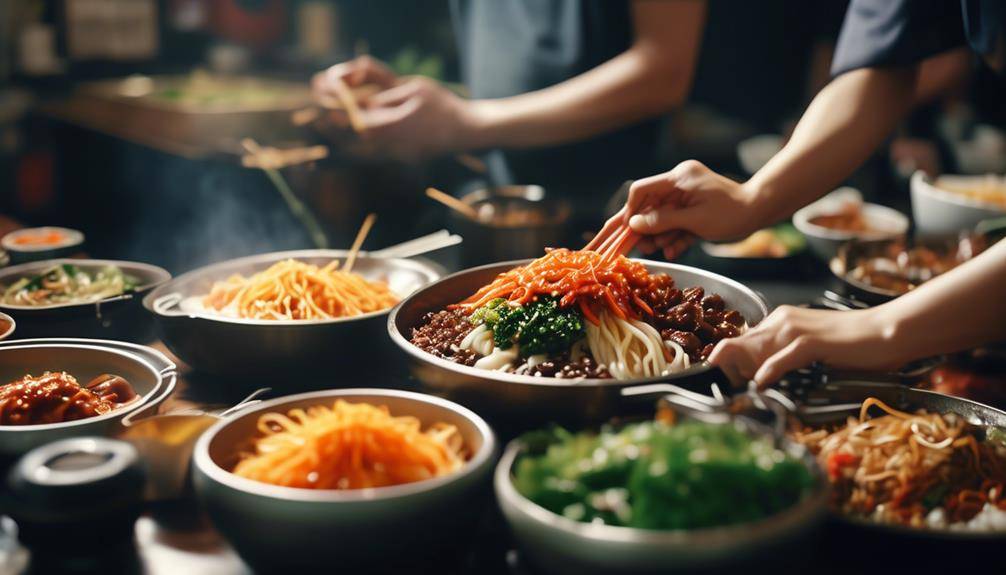
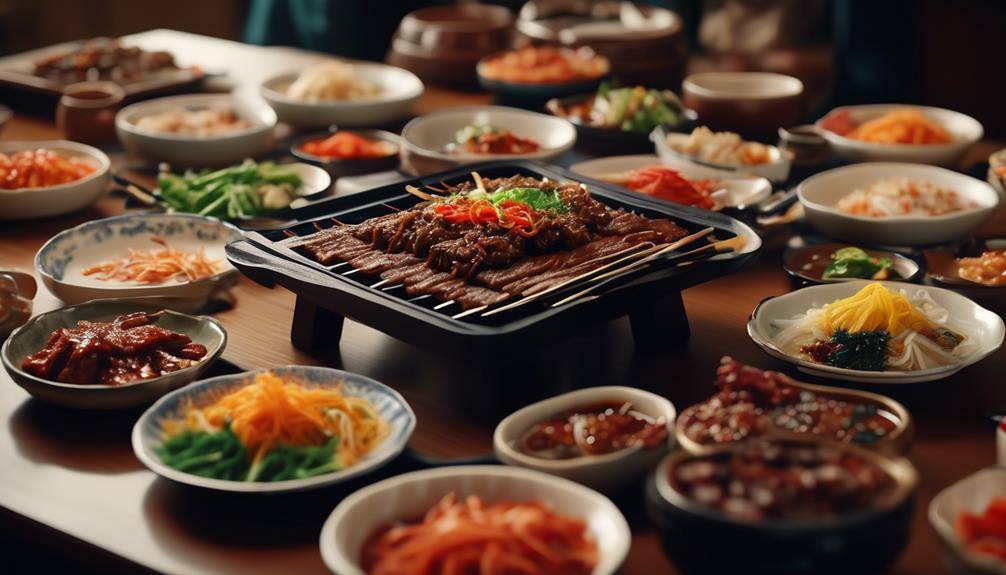
The Amazing Regional Cuisines Of Korea; Did you know that Korea is not just famous for its kimchi and barbecue? The country boasts a rich and diverse culinary heritage, with each region offering its own unique flavors and specialties. From the fiery dishes of Jeolla Province to the fresh seafood of Jeju Island, there is so much to discover and savor. So, if you’re ready to embark on a gastronomic journey through the regional cuisines of Korea, get ready to tantalize your taste buds and unravel the secrets of this fascinating culinary landscape.
Jeolla Province: Fiery Flavors and Bold Spices
Prepare your taste buds for a culinary adventure as we delve into the vibrant and bold flavors of Jeolla Province. Known for its fiery condiments and traditional recipes, Jeolla Province offers a unique dining experience that will leave you craving for more.
Jeolla Province, located in the southwestern part of Korea, is renowned for its rich culinary heritage. The region is famous for its use of fiery condiments, such as gochujang (a spicy red chili paste) and ssamjang (a savory dipping sauce). These condiments add a punch of flavor to the dishes and give them a distinct spicy kick. Whether you’re trying bibimbap (a mixed rice dish) or samgyeopsal (grilled pork belly), you can expect a burst of heat that will awaken your taste buds.
Traditional recipes in Jeolla Province are deeply rooted in history and showcase the region’s agricultural abundance. From the famous Jeonju bibimbap to the mouthwatering Jeolla-style galbi-jjim (braised short ribs), each dish is carefully crafted using locally sourced ingredients. The recipes have been passed down through generations, ensuring that the flavors remain authentic and true to their origins.
One iconic dish from Jeolla Province is the Jeonju kongnamul gukbap, a hearty bean sprout soup served with rice. The soup is made by simmering bean sprouts and soybean paste in a flavorful broth, resulting in a comforting and nourishing dish. Another must-try is the Jeolla-style pajeon, a savory pancake made with green onions and seafood. The pancake is cooked to perfection, crispy on the outside and soft on the inside, making it a popular choice among locals and visitors alike.
Gangwon: Hearty Dishes and Mountain Delights
Get ready to indulge in the hearty dishes and mountain delights of Gangwon Province. Nestled in the northeastern part of South Korea, Gangwon offers a unique culinary experience that showcases the region’s natural beauty and rich cultural heritage. From traditional Gangwon dishes to hearty mountain cuisine, this region has something to satisfy every palate.
- Savor the Flavor: Prepare your taste buds for a burst of flavors as you delve into the traditional Gangwon dishes. One of the highlights is the iconic Gangwon-style buckwheat noodles, known as “memil guksu.” Slurp on these silky noodles, which are made from locally grown buckwheat, and savor the earthy notes that transport you to the picturesque mountains of Gangwon. Another must-try dish is “hwangtae gui,” grilled dried pollack. This unique preparation method imparts a smoky flavor to the fish, making it a delightful treat for seafood lovers.
- Experience Nature’s Bounty: Gangwon’s mountainous terrain not only offers breathtaking views but also provides a diverse range of ingredients for the region’s cuisine. For a taste of the mountains, try “deodeok gui,” grilled mountain bellflower root. This root vegetable is known for its crisp texture and subtle sweetness, making it a refreshing addition to any meal. Another mountain delight is “sanche bibimbap,” a variation of the beloved Korean mixed rice dish. Packed with wild vegetables and herbs, this dish showcases the abundance of fresh produce found in the region.
Immerse yourself in the flavors of Gangwon as you explore the hearty mountain cuisine and traditional dishes that make this region a culinary haven. From the soul-warming buckwheat noodles to the fragrant grilled delicacies, each bite takes you on a journey through the vibrant landscapes and cultural traditions of Gangwon Province. So, get ready to embark on a gastronomic adventure that will leave you craving for more.
Gyeongsang: Seafood Galore and Spicy Cuisine
Gyeongsang Province offers an abundance of seafood and a fiery cuisine that will ignite your taste buds. Known for its coastal location, Gyeongsang is a haven for seafood lovers. From the bustling fish markets to the charming seaside restaurants, you will find a wide variety of fresh seafood dishes that are sure to satisfy your cravings.
One of the highlights of Gyeongsang cuisine is its spicy seafood dishes. The region is famous for its spicy raw fish, known as hoe, which is often enjoyed with a bowl of steamed rice. The fish is sliced thinly and marinated in a spicy sauce made from gochujang, a traditional Korean chili paste. The combination of the fresh fish and the fiery sauce creates a burst of flavors that will leave you craving for more.
In addition to spicy seafood dishes, Gyeongsang is also known for its local specialty dishes. One such dish is the famous Gyeongsang-style bibimbap. This hearty and nutritious dish consists of steamed rice topped with various vegetables, meat, and a fried egg. It is then mixed together with a spicy sauce, creating a flavorful and satisfying meal.
Another local specialty dish is the Gyeongsang-style jjimdak, a braised chicken dish that is cooked with various vegetables and a flavorful sauce. The chicken is tender and juicy, while the vegetables add a refreshing crunch to the dish. The combination of flavors and textures makes it a must-try when visiting Gyeongsang.
Seoul: Modern Fusion and Street Food Delights
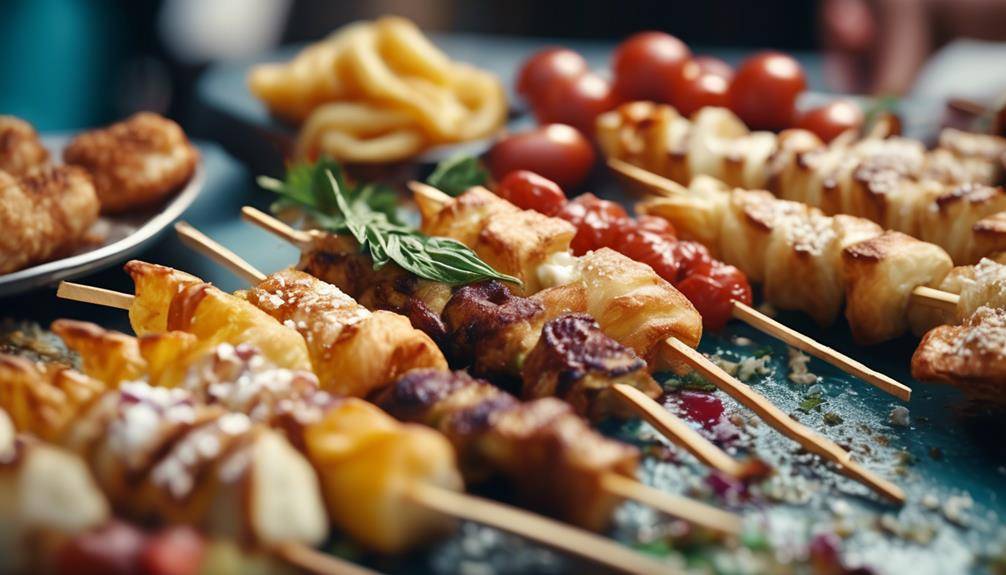
When it comes to Seoul’s food scene, you’ll find a vibrant array of options that showcase the city’s modern fusion and street food delights. Food trucks have become a popular fixture in Seoul, offering a variety of unique food mashups that combine traditional Korean flavors with international influences. From Korean-style tacos to bulgogi burgers, these mobile eateries are a testament to Seoul’s culinary creativity. And let’s not forget about the iconic street snacks like tteokbokki (spicy rice cakes) and hotteok (sweet pancakes), which can be found on almost every corner, enticing locals and tourists alike with their irresistible aromas.
Seoul’s Food Trucks
Seoul’s food trucks offer a tantalizing array of modern fusion and street food delights. The food truck culture in Seoul has gained immense popularity in recent years, with locals and tourists flocking to these mobile culinary establishments for a unique dining experience. From savory to sweet, the food trucks in Seoul serve up a wide variety of dishes that cater to every palate. Here are two popular food truck dishes that you must try:
- Kimchi Tacos: A fusion of Korean and Mexican flavors, these tacos are filled with spicy kimchi, tender meat, and topped with a tangy sauce. The combination of the spicy and sour kimchi with the savory meat creates a burst of flavors in every bite.
- Bungeoppang Ice Cream: A delightful twist on a traditional Korean street food, bungeoppang is a fish-shaped pastry filled with sweet red bean paste. In the food trucks of Seoul, these pastries are paired with creamy ice cream, creating a perfect balance of textures and temperatures.
Indulge in the delicious offerings of Seoul’s food trucks and experience the vibrant and diverse street food culture of the city.
Unique Food Mashups
With a culinary scene known for its innovation and creativity, Seoul offers a delectable array of unique food mashups that are sure to tantalize your taste buds. The city’s streets are filled with food trucks and stalls serving up Korean inspired fusion dishes that combine traditional flavors with international influences. From Korean tacos to kimchi burgers, these inventive creations showcase the diversity and adaptability of Korean cuisine.
One popular mashup is the bibimbap burrito, which takes the classic Korean rice dish and wraps it in a tortilla, creating a portable and flavorful meal. Another must-try is the fried chicken waffle, where crispy Korean fried chicken is paired with a fluffy waffle, drizzled with sweet and savory sauces. These food mashups not only satisfy your cravings but also provide a unique and exciting dining experience in the bustling city of Seoul.
Iconic Street Snacks
One cannot resist the allure of Seoul’s iconic street snacks, which offer a delightful fusion of modern flavors and traditional street food delights. These popular snacks can be found at food festivals and street markets throughout the city, enticing locals and tourists alike.
- Evoke Excitement
- Imagine sinking your teeth into a hot and crispy Korean-style fried chicken, coated in a mouthwatering sweet and spicy sauce. The combination of flavors dances on your tongue, leaving you craving for more.
- Picture yourself indulging in a warm and fluffy egg bread, filled with gooey cheese and savory ham. The moment you take a bite, the cheese oozes out, creating a heavenly combination of textures and tastes.
- Create Anticipation
- Visualize the sizzling sound of a hotteok being cooked, a popular Korean pancake filled with a sweet syrupy filling. As you watch the vendor skillfully flip the pancake, you can’t help but imagine the warm, gooey center melting in your mouth.
- Envision the aroma of tteokbokki, a spicy rice cake dish, wafting through the air. The chewy rice cakes, soaked in a fiery red sauce, make your taste buds tingle with anticipation for the perfect balance of heat and sweetness.
Seoul’s iconic street snacks truly offer a culinary experience that is not to be missed.
Jeju Island: Fresh Seafood and Unique Local Flavors
When you visit Jeju Island, you will be treated to an array of seafood delicacies that are freshly caught from the surrounding waters. From succulent abalone to tender octopus, the island’s seafood offerings are unparalleled in taste and quality. In addition to the seafood, Jeju Island is also known for its unique local flavors, such as the Jeju black pork and the Hallabong orange, which add a distinct and unforgettable taste to the island’s cuisine.
Seafood Delicacies on Jeju
Jeju Island’s bountiful waters are home to an array of fresh seafood, offering unique local flavors that will tantalize your taste buds. The island’s seafood specialties are a testament to the vibrant local fishing traditions that have been passed down for generations. Here are two reasons why Jeju’s seafood delicacies are a must-try:
- Freshness: Jeju’s fishermen head out to sea early in the morning, bringing back the catch of the day straight from the pristine waters. The seafood is so fresh that you can taste the ocean in every bite, whether it’s succulent abalone, plump prawns, or tender octopus.
- Unique flavors: Jeju’s seafood dishes are known for their distinct flavors, thanks to the island’s volcanic soil and the abundant natural resources found in its surrounding waters. From the rich and creamy taste of Jeonbokjuk, a rice porridge made with abalone, to the spicy and tangy flavor of Haemul-pajeon, a seafood pancake, each dish offers a unique gastronomic experience.
Indulge in Jeju Island’s seafood delicacies and embark on a culinary journey that will leave you craving for more.
Local Flavors to Try
Immerse yourself in the local flavors of Jeju Island, where fresh seafood and unique culinary traditions await. Jeju Island is not only known for its stunning natural beauty but also its vibrant food scene. One of the best ways to experience the local flavors is by visiting the various food festivals that take place throughout the year. These festivals showcase the island’s rich culinary heritage and offer a chance to taste a wide range of dishes. From the famous Jeju black pork to the diverse array of seafood, there is something to satisfy every palate.
In addition to the food festivals, Jeju Island is also home to hidden gems, such as small local restaurants and street food stalls, where you can discover lesser-known but equally delicious dishes. Don’t miss the opportunity to explore the unique local flavors of Jeju Island.
Chungcheong: Fermented Delicacies and Comfort Food
Chungcheong, located in the central region of South Korea, offers a rich culinary experience with its array of fermented delicacies and comforting dishes. This region is known for its mastery of fermentation techniques, resulting in unique flavors and textures that will tantalize your taste buds. From tangy kimchi to savory doenjang, Chungcheong showcases the art of fermentation in its traditional cuisine.
Here are two sub-lists that will surely evoke an emotional response in you:
Fermentation Techniques:
- Kimchi: A staple in Korean cuisine, Chungcheong takes pride in its various kimchi recipes. The cabbage is carefully fermented with a blend of spices, creating a symphony of flavors that is both tangy and spicy. The fermentation process infuses the vegetables with a natural umami taste, making it a favorite side dish for locals and foreigners alike.
- Makgeolli: This traditional rice wine is a fermented beverage that is loved for its smooth and slightly sweet taste. Made from a mixture of rice, water, and nuruk (a fermentation starter), Makgeolli has a creamy texture and a slightly effervescent quality. It is often enjoyed during festive occasions and pairs well with hearty Korean dishes.
Comfort Food Classics:
- Bibimbap: This iconic dish consists of a bowl of rice topped with an assortment of sautéed vegetables, meat, and a fried egg. It is then mixed together with a spicy gochujang sauce, creating a harmonious blend of flavors and textures. Bibimbap is a comforting and satisfying meal that is perfect for any time of the day.
- Kongguksu: During the hot summer months, locals in Chungcheong turn to kongguksu for relief from the heat. This dish features cold soybean noodles served in a creamy soy milk broth. The noodles are silky smooth, and the broth has a subtle nutty flavor. It’s a refreshing and nourishing dish that will cool you down on a sweltering day.
In Chungcheong, you will find a culinary experience that celebrates fermentation techniques and offers comfort food classics that will warm your heart and satisfy your cravings.
Gyeonggi: Royal Cuisine and Traditional Flavors
Located in the central region of South Korea, Gyeonggi offers a culinary journey through royal cuisine and traditional flavors that will transport you to a bygone era. Gyeonggi was historically home to the Korean royal court, and as a result, its cuisine is heavily influenced by the royal palace dishes. These dishes were meticulously prepared and presented to the kings and queens, highlighting the exquisite taste and visual appeal of the food.
One of the key features of Gyeonggi’s royal cuisine is the use of traditional cooking techniques. The chefs of the royal court employed various methods such as steaming, braising, and grilling to enhance the flavors of the ingredients. These techniques helped to preserve the natural taste and nutrients of the food, creating dishes that were both delicious and nutritious.
In addition to the royal palace dishes, Gyeonggi’s traditional flavors also showcase the region’s rich culinary heritage. Local ingredients such as rice, vegetables, and seafood are skillfully combined to create dishes that reflect the region’s agricultural abundance. From hearty stews to delicate side dishes, Gyeonggi’s traditional flavors offer a wide range of tastes and textures that will satisfy any palate.
To truly experience the royal cuisine and traditional flavors of Gyeonggi, a visit to one of the region’s traditional restaurants is a must. Here, you can indulge in dishes that have been passed down through generations, prepared with the same care and attention to detail as they were in the royal court. The flavors of Gyeonggi will not only tantalize your taste buds but also provide a glimpse into the rich culinary history of South Korea. So, why not embark on a culinary journey through Gyeonggi and savor the royal cuisine and traditional flavors that have stood the test of time?
North Korea: Traditional Dishes and Nostalgic Flavors
Continuing our exploration of the regional cuisines of Korea, we now turn our attention to North Korea, where traditional dishes and nostalgic flavors evoke a sense of culinary heritage.
- Traditional North Korean dishes:
- Pyongyang Naengmyeon: This cold noodle dish is a North Korean specialty. The chewy noodles are made from buckwheat and served in a tangy broth with slices of crisp cucumbers, juicy pears, and a hard-boiled egg. The combination of flavors and textures creates a refreshing and satisfying dish.
- Bibimbap: Although bibimbap is popular throughout Korea, the North Korean version has its own unique twist. The rice is topped with a variety of colorful vegetables, including sautéed mushrooms, julienned carrots, and steamed spinach. The dish is then garnished with a dollop of spicy gochujang sauce and a fried egg. The harmonious blend of flavors and textures makes this dish a crowd favorite.
- Nostalgic flavors from North Korea:
- Corn Tea: A traditional beverage in North Korea, corn tea is made by roasting dried corn kernels and steeping them in hot water. The resulting tea has a rich, nutty flavor that is both comforting and nostalgic. It is often enjoyed as a soothing drink on cold winter days.
- Kimchi: While kimchi is a staple in Korean cuisine, the North Korean version has its own distinct flavor. It is typically less spicy and more fermented, resulting in a tangy and slightly sour taste. The nostalgic flavors of North Korean kimchi can transport you back to simpler times and evoke a sense of warmth and familiarity.
North Korean cuisine offers a glimpse into the rich culinary history of the region. The traditional dishes and nostalgic flavors provide a unique and memorable dining experience that is sure to leave a lasting impression.
Busan: Seafood Markets and Coastal Delicacies
As you explore the regional cuisines of Korea, the next stop on our culinary journey takes us to Busan, a city renowned for its vibrant seafood markets and delectable coastal delicacies. Busan, located on the southeastern coast of Korea, offers a plethora of fresh seafood options that will tantalize your taste buds and leave you craving for more. One of the best ways to experience the seafood culture of Busan is through seafood tours, where you can explore the bustling markets and indulge in the freshest catches of the day.
The seafood markets in Busan, such as Jagalchi Market, are a feast for the senses. Here, you can witness the vibrant colors and aromas of the sea as fishermen bring in their daily catches. With an array of fish, shellfish, and other marine delicacies on display, you can handpick your favorites and have them cooked right in front of you. From sashimi to grilled fish, the options are endless.
If you’re looking to take your culinary skills to the next level, coastal cooking classes in Busan are a must-try. These classes provide a hands-on experience where you can learn the art of preparing traditional coastal dishes. From learning the techniques of making gimbap (seaweed rice rolls) to perfecting the flavors of mulhoe (spicy raw fish soup), you’ll gain valuable insights into the rich culinary traditions of Busan.
Whether you choose to explore the seafood markets or take a coastal cooking class, Busan promises a gastronomic adventure like no other. So, grab your appetite and embark on a journey to savor the freshest seafood and coastal delicacies that Busan has to offer.
Incheon: International Influences and Global Cuisine
In Incheon, you will find a culinary scene that embraces international influences and offers a diverse range of global cuisines. The city is known for its fusion food, where traditional Korean flavors are combined with elements from different cultures to create unique and innovative dishes. From Korean-Mexican tacos to Italian-Korean pasta, Incheon’s global cuisine reflects the city’s openness to culinary experimentation and its vibrant international community.
Fusion Food in Incheon
With a rich blend of international influences and global cuisine, Incheon’s fusion food scene offers a unique culinary experience that captivates both locals and visitors alike. The city’s vibrant food culture combines traditional Korean flavors with innovative techniques and ingredients from around the world. Incheon’s fusion restaurants skillfully blend international flavors with locally sourced ingredients, resulting in dishes that are both familiar and excitingly new.
The use of local ingredients adds a touch of authenticity to the international fusion dishes, creating a harmonious balance between traditional and modern flavors. As you explore Incheon’s fusion food scene, you can expect to indulge in dishes such as kimchi tacos, bulgogi pizza, and bibimbap sushi rolls. Each bite is a delightful fusion of flavors that will leave your taste buds craving for more.
International Culinary Scene
Incheon’s international culinary scene showcases a diverse array of global influences and flavors, tantalizing the taste buds of both locals and visitors. With its bustling port and proximity to international travel hubs, Incheon has become a hub for international influences in Korean cuisine. The city’s restaurants offer a wide range of global fusion dishes, blending traditional Korean flavors with culinary techniques and ingredients from around the world.
From Italian pasta dishes with a Korean twist to Mexican tacos filled with Korean barbecue, Incheon offers a unique dining experience that reflects the city’s cosmopolitan nature. Whether you’re craving sushi, curry, or even a classic American burger, Incheon’s international culinary scene has something to satisfy every palate. So come and explore the vibrant flavors of Incheon’s global cuisine.
Frequently Asked Questions: The Amazing Regional Cuisines Of Korea
What Are Some Popular Dishes in Jeolla Province Known for Their Fiery Flavors and Bold Spices?
Jeolla province’s famous dishes are known for their fiery flavors and bold spices. When exploring the bold flavors of Korean cuisine, you can expect dishes like bibimbap, kimchi jjigae, and bulgogi to tantalize your taste buds.
Are There Any Specific Mountain Delights That Are Commonly Found in Gangwon Cuisine?
In Gangwon cuisine, you’ll find mountain delights that are commonly foraged. These ingredients are then prepared using traditional methods, resulting in unique and flavorful dishes that showcase the region’s natural bounty.
What Are Some Iconic Seafood Dishes That Can Be Enjoyed in Gyeongsang?
In Gyeongsang, you can indulge in iconic seafood dishes that will leave your taste buds begging for more. From the famous raw fish dish, hoe, to the spicy stir-fried squid, ojingeo bokkeum, prepare for a flavorful experience.
What Are Some Must-Try Street Food Delights in Seoul That Showcase Modern Fusion Cuisine?
Embark on a culinary journey through the streets of Seoul, exploring the fusion cuisine that showcases modern delights. You must try the street food delights that blend traditional Korean flavors with innovative twists.
Are There Any Unique Local Flavors That Can Be Found in the Fresh Seafood of Jeju Island?
You’ll find unique seafood delicacies on Jeju Island, like abalone and sea urchin. Traditional cooking techniques in Jeolla Province highlight the freshness and flavors of the catch, making it a must-try experience.

Conclusion
In conclusion, exploring the regional cuisines of Korea offers a diverse and delicious culinary experience. From the fiery flavors and bold spices of Jeolla Province to the fresh seafood and unique local flavors of Jeju Island, each region has its own unique dishes and culinary traditions. Whether it’s hearty mountain delights in Gangwon or the international influences and global cuisine in Incheon, Korean cuisine has something to satisfy every palate. So, get ready to embark on a gastronomic adventure and discover the rich flavors of Korea’s regional cuisines.