The Greatest Vietnamese Noodle Dishes
The Greatest Vietnamese Noodle Dishes; Are you tired of the same old noodle dishes? Looking for something different, something that will tantalize your taste buds and leave you craving for more? Well, look no further than Vietnamese noodle dishes. With their rich flavors, vibrant colors, and unique combinations of ingredients, Vietnamese noodle dishes offer a culinary experience like no other. From the classic Pho to the spicy and tangy Bun Bo Hue, each dish has its own story to tell. So, sit back, relax, and let’s embark on a delicious journey through the world of Vietnamese noodles.
We’ve Got Everything You Need to Make Your Masterpiece.
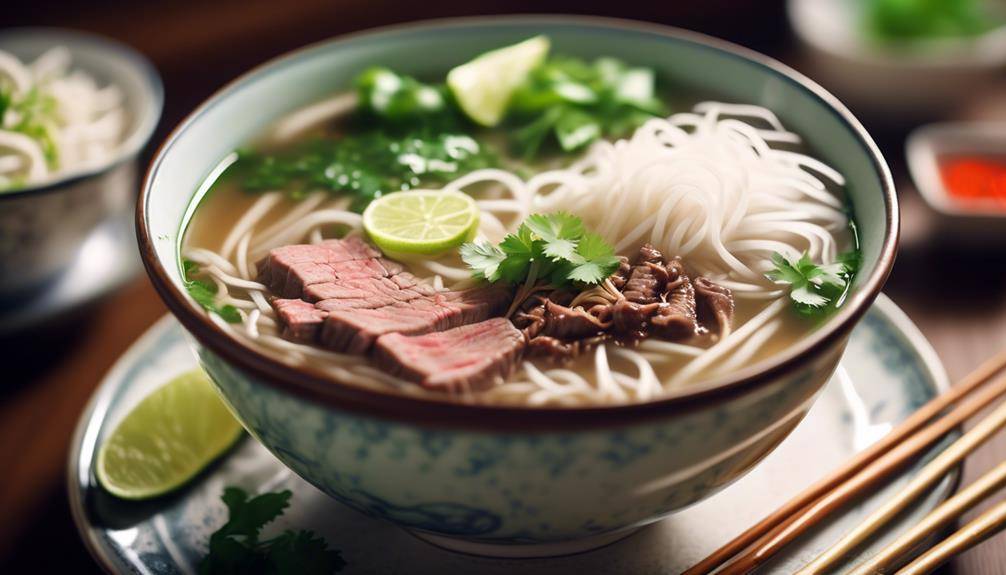
Pho: The Classic Vietnamese Noodle Soup
Pho, the beloved classic Vietnamese noodle soup, is a flavorful and aromatic dish that tantalizes the senses with its rich broth, tender noodles, and an array of fresh herbs and toppings. The cooking techniques for pho are intricate and require precision to achieve the perfect balance of flavors. The key to a delicious pho lies in the preparation of the broth. Traditionally, the broth is made by simmering beef bones, aromatic spices such as star anise, cinnamon, and cloves, along with onions, ginger, and charred shallots. This slow and careful process allows the flavors to meld together and creates a broth that is both fragrant and deeply savory.
Another essential element of pho is the garnishes that accompany the dish. Traditional garnishes for pho include bean sprouts, Thai basil, lime wedges, and sliced chili peppers. These garnishes not only add freshness and brightness to the soup but also allow each diner to customize their bowl according to their taste preferences. The bean sprouts provide a crunchy texture, the Thai basil adds an aromatic note, the lime wedges add a tangy kick, and the chili peppers bring a touch of heat. Together, these garnishes enhance the overall experience of enjoying pho.
Bun Bo Hue: Spicy and Tangy Beef Noodle Soup
When it comes to Bun Bo Hue, the first thing that stands out is the flavorful broth and noodles. The broth is rich and tangy, with a hint of spiciness that adds a kick to every spoonful. The noodles, typically rice vermicelli, are soft and absorb the flavors of the broth beautifully. Additionally, the dish features tender slices of beef and an assortment of vegetables, adding texture and depth to the overall experience. Made with traditional Vietnamese ingredients, Bun Bo Hue is a must-try for those who enjoy bold and vibrant flavors.
Flavorful Broth and Noodles
To experience the bold flavors of Bun Bo Hue, a spicy and tangy beef noodle soup, immerse yourself in a steaming bowl of this Vietnamese delicacy. The flavorful broth is the heart of this dish, made by simmering beef bones for hours with aromatic spices like lemongrass, shrimp paste, and chili. This slow-cooking technique allows the flavors to meld together, creating a rich and complex broth that is both spicy and tangy.
The noodles used in Bun Bo Hue are typically thick and round, providing a hearty base for the soup. Some popular variations of this dish include the addition of pork hock or beef shank, adding extra layers of texture and flavor. The combination of the flavorful broth and chewy noodles makes Bun Bo Hue a truly satisfying and comforting dish.
Spicy Beef and Vegetables
For a taste of the bold and vibrant flavors of Bun Bo Hue, indulge in a steaming bowl of this spicy and tangy beef noodle soup. Bun Bo Hue is a popular Vietnamese dish known for its rich and complex flavors. The cooking techniques used to create this dish involve simmering beef bones and aromatic spices for hours, resulting in a deeply flavorful broth.
The beef is thinly sliced and marinated in a combination of lemongrass, chili, and fish sauce, adding a spicy kick to the dish. Vegetables like bean sprouts, herbs, and lime wedges are added for freshness and balance. The combination of tender beef, hearty noodles, and the tangy and spicy broth creates a truly satisfying and comforting meal.
Traditional Vietnamese Ingredients
Indulge in the traditional flavors of Bun Bo Hue, a spicy and tangy beef noodle soup that showcases the vibrant and complex ingredients of Vietnamese cuisine. Traditional cooking techniques and common Vietnamese spices are used to create the distinctive taste of this beloved dish.
The soup base is made by simmering beef bones and shanks for hours, resulting in a rich and flavorful broth. Lemongrass, shrimp paste, and chili peppers are some of the common Vietnamese spices used to add depth and heat to the soup. The dish is typically served with thick rice noodles, tender slices of beef, and various garnishes such as bean sprouts, lime wedges, and fresh herbs. Bun Bo Hue exemplifies the artistry and balance of flavors that make Vietnamese cuisine so unique and unforgettable.
Bun Cha: Grilled Pork Noodles With Fresh Herbs
Bun Cha, a popular Vietnamese dish, combines grilled pork with fresh herbs and noodles, creating a flavorful and satisfying meal. This dish is beloved for its harmonious blend of smoky grilled meat, fragrant herbs, and tender noodles. Here are some key elements that make Bun Cha a delicious choice:
- Grilling Techniques: The pork in Bun Cha is traditionally grilled over an open flame, giving it a charred and slightly caramelized exterior. This grilling method infuses the meat with a smoky flavor and adds a delightful crunch to each bite. The pork is marinated in a combination of fish sauce, garlic, sugar, and black pepper, enhancing its natural flavors.
- Herb Combinations: Fresh herbs play a crucial role in Bun Cha, adding brightness and depth to the dish. The most common herbs used are mint, cilantro, and perilla leaves. Mint provides a refreshing and cool contrast to the richness of the pork, while cilantro adds a citrusy note. Perilla leaves contribute a unique, slightly minty flavor. These herbs are typically served alongside the grilled pork, allowing diners to customize their bowls with their preferred herb combinations.
- Noodle Variations: Bun Cha is traditionally served with vermicelli rice noodles, which have a delicate texture that complements the grilled pork and herbs. The noodles are typically served cold or at room temperature, allowing them to absorb the flavors of the accompanying sauce and ingredients.
Mi Quang: The Unique Turmeric Noodle Dish
Mi Quang, a vibrant and unique Vietnamese noodle dish, stands out for its distinctive turmeric-infused noodles and diverse array of toppings. Traditionally, the dish consists of rice noodles that are colored with turmeric, giving them a vibrant yellow hue. The noodles are cooked until they have a slightly chewy texture, providing a satisfying bite.
Mi Quang is commonly served with a variety of toppings that add both flavor and texture. Traditional toppings include tender slices of pork, shrimp, and quail eggs. These proteins are often marinated in a flavorful mixture of fish sauce, garlic, and spices before being cooked to perfection. Additionally, the dish is garnished with fresh herbs, such as basil, mint, and cilantro, which add a refreshing element to the overall dish.
One of the fascinating aspects of Mi Quang is the regional variations that can be found across Vietnam. In the central region, where the dish originates from, it is common to find Mi Quang served with crispy rice crackers, roasted peanuts, and sesame rice crackers. These toppings provide a satisfying crunch and enhance the overall texture of the dish.
In the southern region, Mi Quang is often served with a variety of fresh vegetables, such as lettuce, bean sprouts, and pickled vegetables. These additions add a vibrant and crisp element to the dish, balancing out the richness of the proteins and noodles.
We’ve Got Everything You Need to Make Your Masterpiece.
Banh Canh: Thick and Chewy Vietnamese Udon
Banh Canh is a Vietnamese noodle dish known for its thick and chewy udon-like noodles. The dish typically includes a flavorful broth, various toppings, and a combination of different meats or seafood. The ingredients for Banh Canh are simple, yet the cooking techniques require precision to achieve the perfect texture and consistency of the noodles.
Ingredients for Banh Canh
For a delectable bowl of Banh Canh, the key lies in selecting the perfect combination of ingredients. Here are the essential components you need to create this mouthwatering Vietnamese noodle dish:
- Rice Flour: The base of Banh Canh is made from a mixture of rice flour and tapioca flour, giving the noodles their thick and chewy texture.
- Broth: The broth is usually made from pork bones or seafood, simmered for hours to extract the rich flavors. It is then seasoned with fish sauce, sugar, and other aromatic spices like star anise and cloves.
- Toppings: Banh Canh is traditionally served with various toppings such as sliced pork, shrimp, crab meat, and herbs like cilantro and green onions. These toppings add layers of flavor and freshness to the dish.
To enjoy Banh Canh at its best, serve it hot with a side of lime wedges, bean sprouts, and chili sauce for a touch of tanginess and spiciness.
Cooking Techniques for Banh Canh
To achieve the perfect texture and flavor of Banh Canh, it is important to master the cooking techniques that bring out the best in these thick and chewy Vietnamese udon noodles. Cooking Banh Canh requires a delicate balance of timing and precision. The noodles should be cooked just until they reach an al dente consistency, firm yet tender. Boiling the noodles for too long can result in a mushy texture, while undercooking them will leave them too hard and chewy.
Additionally, the broth plays a crucial role in enhancing the flavor of Banh Canh. Different cooking techniques, such as simmering the broth with pork bones or seafood, can create a rich, savory base. Some variations include adding shrimp or crab meat to the broth, adding a touch of sweetness or umami to the dish. Mastering these cooking techniques will ensure a delicious and satisfying bowl of Banh Canh.
Hu Tieu: The Versatile Rice Noodle Soup
Hu Tieu, a delicious and versatile rice noodle soup, offers a multitude of flavors and toppings to satisfy any palate. This traditional Vietnamese dish has a rich history and cultural significance. Here are three key aspects to know about Hu Tieu:
- Different variations and regional specialties:
- Hu Tieu Nam Vang: Originating from the Cambodian-Chinese community in Saigon, this version features a clear and flavorful broth with pork, shrimp, quail eggs, and a variety of herbs.
- Hu Tieu My Tho: Hailing from the Mekong Delta region, this style of Hu Tieu is characterized by its sweet and savory broth, topped with pork, shrimp, liver, and a medley of fresh vegetables.
- Hu Tieu Kho: This dry noodle version is popular in Southern Vietnam. The noodles are served without broth and tossed with a sauce made from soybean paste, garlic, and pork fat. It is commonly garnished with crispy pork, shrimp, and herbs.
- History and cultural significance:
Hu Tieu has roots in Chinese cuisine, brought to Vietnam by Chinese immigrants. Over time, it has evolved to incorporate local flavors and ingredients. The dish has become deeply ingrained in Vietnamese culinary culture and is enjoyed throughout the country.
- Versatility and customization:
One of the greatest charms of Hu Tieu is its versatility. It can be enjoyed in various forms, such as with clear broth, dry noodles, or stir-fried. Additionally, the toppings can be tailored to personal preference, allowing for a unique dining experience each time.
With its diverse variations, historical significance, and customizable nature, Hu Tieu stands as a beloved Vietnamese noodle dish that continues to captivate taste buds around the world.
Cao Lau: Hoi An’s Signature Noodle Delight
Cao Lau, a renowned noodle dish from Hoi An, captivates diners with its unique combination of flavors and textures. As one of Hoi An’s local delicacies, Cao Lau has a rich history and is deeply rooted in the local culture. This dish is made with thick rice noodles, which are specifically crafted using water from the ancient Cham wells in the town. The noodles are then mixed with a variety of ingredients, such as slices of succulent pork, fresh greens, crunchy bean sprouts, and fragrant herbs.
The secret to the distinct taste of Cao Lau lies in the authentic recipes passed down through generations. The noodles are cooked until they are soft, yet retain a slightly chewy texture. The pork is marinated with a blend of spices, including soy sauce, five-spice powder, and garlic, which infuses it with a savory aroma. The dish is then assembled by layering the noodles, pork, and greens, and topped with a flavorful broth made from pork bones, shrimp, and local herbs.
Each bite of Cao Lau offers a delightful contrast of flavors. The tender pork, the crispiness of the greens, and the freshness of the herbs all come together harmoniously. The broth adds a depth of umami and richness to the dish, while the noodles provide a satisfying chewiness. The combination of these elements creates a truly unique culinary experience.
When visiting Hoi An, be sure to indulge in this iconic dish. Cao Lau will not only satisfy your taste buds, but also give you a glimpse into the rich culinary heritage of this charming town.
Bun Rieu: Crab Noodle Soup With Tomato Broth
If you’re a fan of seafood and crave a comforting bowl of soup, Bun Rieu is the perfect dish for you. This Vietnamese delicacy combines the flavors of crab and tomato to create a rich and flavorful broth that will leave you wanting more. Here are three things you need to know about Bun Rieu:
- Cooking Techniques: Bun Rieu is known for its complex cooking techniques that require time and skill. The broth is made by simmering crabs with tomatoes, onions, and spices until the flavors meld together. The crab meat is then extracted and mixed with ground pork, shrimp paste, and various herbs and spices to create the flavorful crab cake-like dumplings that are added to the soup. The noodles used in Bun Rieu are typically rice vermicelli, which are cooked separately and added to the soup just before serving.
- Regional Variations: While Bun Rieu is popular throughout Vietnam, there are regional variations that add unique twists to the dish. In the northern region, Bun Rieu is often served with a thicker broth and topped with fried tofu. In the southern region, the soup is lighter and tangier, with a stronger tomato flavor. Some variations also include additional ingredients such as blood pudding, fried pork fat, or fresh herbs like mint and coriander.
- Flavor Profile: The combination of sweet and tangy tomato broth, succulent crab meat, and aromatic herbs and spices creates a flavor profile that is both refreshing and comforting. The soup is often garnished with fresh lime juice, bean sprouts, and sliced banana blossoms, adding a burst of freshness and texture to each spoonful.
Bun Rieu is a delightful dish that showcases Vietnamese cooking techniques and regional variations. Whether you prefer the northern or southern style, one thing is for sure – this crab noodle soup will satisfy your seafood cravings and warm your soul.
Mien Ga: Chicken Glass Noodle Soup
Mien Ga is a comforting Vietnamese soup made with tender chicken and delicate glass noodles. The dish is known for its simplicity and traditional flavors, which are achieved through specific cooking techniques. To prepare Mien Ga, the chicken is first simmered in water with onions, ginger, and spices, creating a flavorful broth. Once the chicken is cooked through, it is removed from the broth and shredded into bite-sized pieces. Meanwhile, the glass noodles, also known as cellophane noodles, are soaked in hot water until they become soft and translucent.
The noodles are then added to the chicken broth, along with the shredded chicken, creating a hearty and satisfying base. The soup is typically garnished with fresh herbs like cilantro and green onions, adding a touch of freshness and fragrance. To enhance the traditional flavors, a squeeze of lime juice and a drizzle of fish sauce are often added, providing a perfect balance of tanginess and umami. Mien Ga is a beloved Vietnamese dish that is not only delicious but also nourishing. Its comforting qualities make it a perfect choice for a cold winter day or when you simply crave a bowl of soul-warming goodness.
We’ve Got Everything You Need to Make Your Masterpiece.
Banh Hoi: Steamed Rice Noodle Rolls
Banh Hoi, also known as steamed rice noodle rolls, originated in Vietnam and have become a popular dish both in the country and abroad. These delicate rice noodle rolls are made by steaming thin rice noodles and then rolling them into bite-sized portions. Banh Hoi can be served plain or with a variety of toppings and fillings, making it a versatile and customizable dish.
Origins of Banh Hoi
Steamed rice noodle rolls, known as Banh Hoi, have a rich and fascinating history that traces back to the culinary traditions of Vietnam. These delicate and translucent rolls are not only a beloved dish in Vietnamese cuisine but also hold significant cultural significance. Here are three key points about the origins of Banh Hoi:
- Ancient origins: Banh Hoi is believed to have originated in Central Vietnam during the Nguyen Dynasty in the 19th century. It was initially served as a special delicacy for the royal family.
- Versatility: Banh Hoi quickly gained popularity among the common people due to its simplicity and versatility. It became a staple dish in everyday Vietnamese meals, often served with various accompaniments such as grilled meats, herbs, and dipping sauces.
- Symbol of togetherness: Banh Hoi is not just a dish; it has a symbolic meaning of bringing people together. It is commonly enjoyed during festive occasions and family gatherings, fostering a sense of unity and celebration.
The origins of Banh Hoi reflect the deep-rooted culinary traditions and cultural significance of Vietnam.
Popular Banh Hoi Variations
With a wide array of enticing variations, the world of Banh Hoi: Steamed Rice Noodle Rolls offers a tantalizing exploration of flavors and textures. Popular banh hoi restaurants showcase their creativity by putting their own unique spin on this traditional dish. One such variation is the Banh Hoi with Grilled Pork, where tender slices of marinated pork are perfectly grilled and served on a bed of delicate rice noodle rolls.
Another popular choice is the Banh Hoi with Shrimp, featuring succulent shrimp that are lightly seasoned and cooked to perfection. Traditional banh hoi recipes usually include fresh herbs, lettuce, and cucumber, which add a refreshing crunch to the dish. The combination of the soft, silky rice noodles and the flavorful toppings creates a harmonious blend that is both satisfying and delightful. Whether you prefer meat or seafood, these popular banh hoi variations are sure to please your taste buds.
Banh Pho Xao: Stir-Fried Rice Noodles With Beef or Chicken
For a flavorful and satisfying Vietnamese noodle dish, indulge in the mouthwatering stir-fried rice noodles complemented by tender beef or chicken. Banh Pho Xao, also known as stir-fried rice noodles, is a popular dish in Vietnamese cuisine that is loved for its vibrant flavors and textures. Here’s why you should give it a try:
- Versatile and customizable: Banh Pho Xao offers endless possibilities when it comes to ingredients. You can choose to have it with beef or chicken, depending on your preference. The tender slices of beef or chicken are stir-fried to perfection, providing a savory and protein-packed addition to the dish.
- Bursting with flavors: The stir-fried rice noodles are cooked with a delicious combination of spices, sauces, and vegetables. The dish typically includes bean sprouts, onions, carrots, and green onions, which add crunch and freshness to every bite. The flavors are further enhanced by the addition of soy sauce, oyster sauce, and fish sauce, creating a harmonious blend of sweet, salty, and umami notes.
- Quick and easy to make: Banh Pho Xao is a quick and convenient meal option that can be prepared in no time. The rice noodles cook quickly and absorb the flavors of the stir-fry, resulting in a satisfying and comforting dish. Whether you’re looking for a simple weeknight dinner or a hearty lunch, this dish is sure to please.
Bun Thit Nuong: Grilled Pork Noodles With Fresh Vegetables
Indulge in the mouthwatering flavors of Bun Thit Nuong, a Vietnamese dish featuring grilled pork and fresh vegetables. This popular dish is a perfect balance of savory, sweet, and tangy flavors that will surely tantalize your taste buds.
To make the delicious grilled pork, start by marinating thin slices of pork in a mixture of fish sauce, soy sauce, garlic, lemongrass, and sugar. Let the pork soak up all the flavors for at least an hour before grilling it to perfection. The result is tender and flavorful pork with a slightly caramelized exterior.
The grilled pork is then served on a bed of rice vermicelli noodles, which provide a light and delicate base for the dish. The noodles are cooked until they are soft and then rinsed with cold water to remove any excess starch. This ensures that the noodles stay separate and don’t clump together.
To complete the dish, a variety of fresh vegetable toppings are added. Common toppings include crisp lettuce, fragrant herbs such as mint and cilantro, crunchy bean sprouts, and pickled carrots and daikon radish. These toppings add a refreshing and textural element to the dish, balancing out the richness of the grilled pork.
Bun Thit Nuong is typically served with a side of nuoc cham, a tangy and slightly spicy dipping sauce made from fish sauce, lime juice, sugar, garlic, and chili. The sauce adds a burst of flavor and ties all the elements of the dish together.
Whether you’re a fan of grilled meat or simply love fresh and vibrant flavors, Bun Thit Nuong is a must-try Vietnamese dish. Its combination of grilled pork and colorful vegetable toppings will transport your taste buds to the streets of Vietnam.
We’ve Got Everything You Need to Make Your Masterpiece.
Banh Cuon: Steamed Rice Rolls With Pork and Mushrooms
When it comes to Banh Cuon, the key to its deliciousness lies in its unique ingredients and preparation. These steamed rice rolls are filled with a savory mixture of pork and mushrooms, creating a burst of flavors in each bite. Variations of Banh Cuon can be found throughout Vietnam, each with its own twist and serving suggestions that enhance the overall dining experience.
Ingredients and Preparation
To prepare the delectable Banh Cuon, you will need a combination of fresh ingredients and a careful cooking technique. Here is what you will need:
- Rice Batter: The main component of Banh Cuon is the rice batter, made by soaking and grinding rice into a smooth paste. This batter is then steamed to create thin, delicate rice sheets.
- Filling: The traditional filling for Banh Cuon includes ground pork, mushrooms, and shallots. These ingredients are sautéed with garlic and seasonings to create a flavorful mixture.
- Dipping Sauce: A tangy dipping sauce is essential for enjoying Banh Cuon. It is made by combining fish sauce, sugar, lime juice, and water. Additional flavors like garlic, chili, and shredded carrots can be added for extra taste.
Once you have all the ingredients prepared, you will steam the rice sheets, fill them with the pork and mushroom mixture, and roll them into neat parcels. Serve the Banh Cuon hot with the dipping sauce on the side for an authentic Vietnamese culinary experience.
Variations and Serving Suggestions
There are several variations and creative serving suggestions for the delicious Banh Cuon, a steamed rice roll filled with pork and mushrooms. When it comes to toppings, there are endless possibilities to choose from. Some popular variations include adding fried shallots, fresh herbs like cilantro and mint, and pickled vegetables for an extra punch of flavor. You can also experiment with different types of Vietnamese noodles to create a unique twist on this traditional dish. For instance, instead of using the classic rice noodles, you can try using egg noodles or even glass noodles for a different texture. The key is to explore and let your taste buds guide you in creating your own personalized version of Banh Cuon.
Mi Hoanh Thanh: Wonton Noodle Soup
Mi Hoanh Thanh, a delicious Vietnamese noodle soup, features tender wontons filled with savory ingredients, served in a flavorful broth with springy noodles. This traditional Vietnamese dish is a popular choice among noodle soup lovers, offering a satisfying combination of flavors and textures. Here is what makes Mi Hoanh Thanh a standout dish:
- Authentic Wontons: The wontons in Mi Hoanh Thanh are made using traditional Vietnamese ingredients such as ground pork, shrimp, and aromatic herbs. These delicate dumplings are skillfully wrapped by hand, ensuring a perfect balance of filling and wrapper. Each bite bursts with a savory mixture of meat and seafood, adding depth to the overall dish.
- Flavorful Broth: The rich and aromatic broth is the heart of Mi Hoanh Thanh. Made by simmering pork bones, spices, and herbs for hours, it develops a complex flavor profile that is both comforting and satisfying. The broth is carefully seasoned to enhance the umami taste, creating a harmonious blend with the wontons and noodles.
- Springy Noodles: The noodles in Mi Hoanh Thanh are typically egg noodles, which have a slightly chewy texture and absorb the flavors of the broth. These springy noodles provide a delightful contrast to the tender wontons, adding a satisfying bite to each spoonful.
Xoi: Sticky Rice With Various Toppings
Sticky rice with various toppings, known as Xoi in Vietnamese cuisine, is a delectable and versatile dish that offers a unique combination of flavors and textures. This traditional Vietnamese dish is made by cooking glutinous rice until it becomes sticky and then topping it with a variety of ingredients such as meats, vegetables, and sauces. The cooking techniques used to prepare Xoi can vary depending on the region and the specific toppings used.
In Northern Vietnam, Xoi is often made by steaming the rice, which results in a soft and sticky texture. The toppings commonly found in this region include mung bean paste, fried shallots, and shredded chicken or pork. The combination of the savory toppings and the sticky rice creates a comforting and satisfying dish.
In Central Vietnam, Xoi is typically made by boiling the rice, which gives it a slightly chewy texture. The toppings in this region often include dried shrimp, shredded pork skin, and scallion oil. The flavors in this variation are more intense and the textures are more diverse, offering a delightful contrast between the soft rice and the crispy toppings.
In Southern Vietnam, Xoi is usually made by cooking the rice in coconut milk, resulting in a rich and creamy texture. The toppings in this region can include diced mango, toasted sesame seeds, and coconut flakes. The combination of the sweet and tropical flavors with the sticky rice creates a dessert-like experience.
We’ve Got Everything You Need to Make Your Masterpiece.
Frequently Asked Questions: The Greatest Vietnamese Noodle Dishes
What Are the Key Ingredients in Pho, the Classic Vietnamese Noodle Soup?
When making pho, the key ingredients for the traditional broth include bones, onions, ginger, and a blend of spices like star anise and cinnamon. These flavorful additions create the rich and aromatic base for the classic Vietnamese noodle soup.
How Is Bun Bo Hue Different From Other Beef Noodle Soups?
Bun bo hue stands out from other beef noodle soups due to its unique flavors. To make it at home, combine lemongrass, shrimp paste, and chili oil for a fragrant and spicy broth.
Can You Suggest Some Alternative Protein Options for Bun Cha, Besides Grilled Pork?
You can try tofu or tempeh as alternative protein options for bun cha instead of grilled pork. They provide a plant-based alternative that is both tasty and nutritious. Another option to consider is seafood alternatives for a different flavor profile.
What Makes Mi Quang a Unique Noodle Dish?
Mi quang is a unique noodle dish with origins in central Vietnam. Traditionally served with turmeric-infused noodles, it features a variety of toppings like shrimp, pork, and herbs, creating a vibrant and flavorful combination.
Are There Any Vegetarian or Vegan Options Available for Banh Canh, the Thick and Chewy Vietnamese Udon?
If you’re looking for vegetarian or vegan options for banh canh, the thick and chewy Vietnamese udon, you’re in luck! There are delicious plant-based versions available that still capture the unique flavors of this dish.
Conclusion
In conclusion, Vietnamese noodle dishes offer a diverse and flavorful culinary experience. From the classic and comforting Pho to the spicy Bun Bo Hue, there is a noodle soup to satisfy any palate. The unique turmeric-based Mi Quang and the chewy Banh Canh provide a different texture and taste. Grilled pork noodles like Bun Cha and Bun Thit Nuong offer a fresh and satisfying meal. With the addition of steamed rice rolls and wonton noodle soup, Vietnamese cuisine truly showcases the versatility of noodles. Finally, the sticky rice with various toppings, known as Xoi, adds a delightful and filling ending to any meal.